
Slimming World Vegetable Lasagne Recipe with Mediterranean Vegetables
If you love lasagne but don’t always fancy making a traditional meat version, this Slimming World vegetable lasagne is a lovely alternative. It’s packed with Mediterranean vegetables, including courgette, aubergine, peppers and tomatoes, with layers of pasta and a cheesy topping made using quark. It’s the sort of meal that feels like proper comfort food, especially when you’ve had a busy day and want something filling for dinner.
I think vegetarian meals sometimes get a bit of an unfair reputation for being boring or leaving you hungry an hour later, but they really don’t have to! I’m a big believer in eating food you actually enjoy, whether you’re following Slimming World, trying to eat more vegetables or simply looking for something different to make for the family. There is absolutely no point forcing yourself to eat meals you don’t particularly like just because somebody has told you they’re healthy.
One of the things I like about this Mediterranean vegetable lasagne is how easy it is to adapt. If you don’t like aubergine, for example, you can use something else, and if you’ve got a few vegetables sitting in the fridge that need using up, you might be able to add those too. You don’t need to follow the vegetable combinations religiously, although I would recommend making sure you cook off any excess moisture so you don’t end up with a watery lasagne!

Just Average Jen is an independent blog not connected with any weight loss plan. Please check nutritional values and/or syns/Swips yourself. Information correct at time of writing – always check official Slimming World materials for updates.
Is this vegetable lasagne suitable for Slimming World?
If you’re following Slimming World, you’ll be pleased to know that many of the ingredients in this vegetable lasagne are foods commonly used in Slimming World-friendly recipes. The courgette, aubergine, peppers, onion and tomatoes all help make it a filling meal with plenty of vegetables, while the dried lasagne sheets provide the pasta layers that make it feel like a proper lasagne.
Instead of making a traditional white sauce with butter and flour, I’ve used quark, egg, mustard powder and vegetable stock for the topping, followed by reduced-fat cheddar cheese. It’s a handy alternative if you want a cheesy topping without making a separate béchamel sauce, although it does taste and behave a little differently from a traditional white sauce.
Whether this recipe is completely Syn free will depend on the ingredients you’re using and how you account for the cheese. The recipe serves six, so you can work out the amount of cheese per portion and check it against your current Healthy Extra A allowance or Syn values. Slimming World does occasionally change its guidance, so I always recommend checking the latest information rather than relying on something you read online a few years ago.
You certainly don’t need to be following Slimming World to enjoy it, though. It’s simply a tasty vegetarian lasagne that happens to use ingredients popular with people following the plan.
Why use quark instead of a traditional lasagne white sauce?
If you’ve never used quark before, you might be wondering why on earth you’d put it on a lasagne! Quark is a soft dairy product with a slightly tangy flavour, and it’s popular in lots of healthier recipes because it’s generally low in fat and high in protein.
For this lasagne, I mix it with an egg, a little mustard powder and vegetable stock to make a topping that can be poured over the pasta and vegetables before adding the grated cheese. It saves making a separate white sauce, which is always handy when you’ve already got vegetables cooking and a kitchen full of washing up.
I wouldn’t tell you that quark tastes exactly like a traditional white sauce because it doesn’t, and I think it’s important to be realistic about healthier alternatives. It can also become a little grainy when heated, particularly if it’s overcooked, so don’t expect the same silky texture you’d get from a classic béchamel. However, with the cheese on top and all those lovely Mediterranean flavours underneath, it works well as a different kind of lasagne topping.
If you’ve bought a large tub of quark and don’t know what to do with the rest, have a look at my quark recipes for more ideas. There are plenty of ways to use it in both sweet and savoury dishes.

Which vegetables are best for Mediterranean vegetable lasagne?
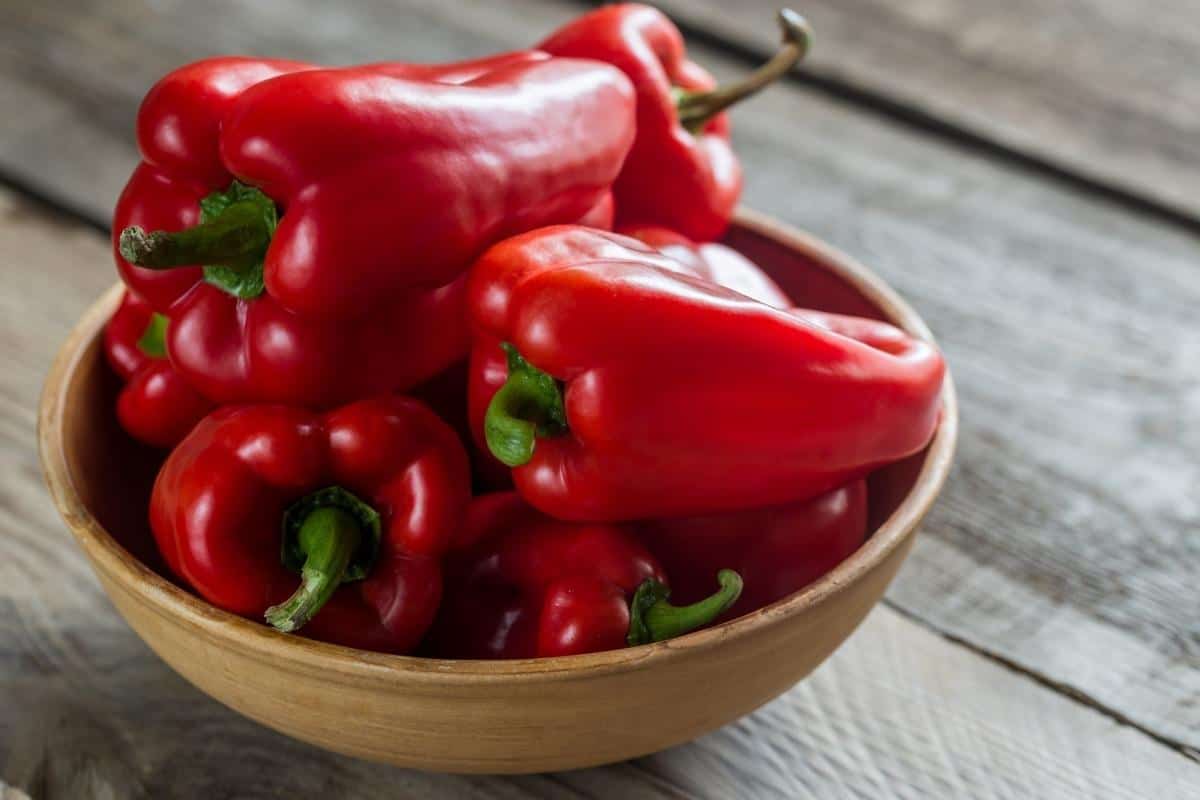
I’ve used courgette, aubergine, peppers, red onion and tomatoes in this recipe because they work really nicely together. The peppers add sweetness, the aubergine gives the filling a lovely texture, and the courgette helps bulk everything out without overpowering the other flavours.
That doesn’t mean you have to use exactly the same vegetables every time, though. I know plenty of people who aren’t keen on aubergine, and if that’s you, there’s no point buying one especially for a recipe when you already know you’re not going to enjoy it!
Mushrooms are a good alternative if you like them, although they release quite a lot of water when cooked, so I’d fry them first rather than adding them straight into the lasagne. Spinach is another option, particularly if you have some that needs using up, but again, I’d wilt it and remove any excess liquid before adding it.
You could also use butternut squash, carrots or other vegetables that you enjoy, but remember that harder vegetables will need longer to cook before you assemble the lasagne. The last thing you want is lovely soft pasta with crunchy pieces of carrot in the middle!
If you’re following Slimming World and want to include more Speed foods in your meals, this is a handy recipe for doing that. I would still encourage you to choose vegetables you genuinely enjoy rather than trying to cram in as many different ones as possible. Eating more vegetables is much easier when you actually like what’s on your plate.
How to stop vegetable lasagne from being watery
One of the biggest problems with making vegetable lasagne is that vegetables release moisture as they cook. Courgettes, aubergines and mushrooms can all contribute to this, and if you add too much liquid to the filling, you can end up with a lasagne that looks lovely in the oven but falls apart as soon as you try to serve it.
The easiest way to avoid this is to make sure your vegetables have had time to soften and that your tomato sauce isn’t excessively watery before you start layering everything together. If the sauce looks particularly thin, leave it to simmer for a little longer so some of the moisture can evaporate.
You do still need enough liquid for the dried lasagne sheets to cook properly, so don’t reduce the sauce until it’s almost dry. It’s more about finding the right balance between a lovely tomato sauce and something that resembles vegetable soup!
I’d also recommend leaving the lasagne to stand for around ten minutes after taking it out of the oven. I know that’s easier said than done when you’re hungry and the kitchen smells lovely, but it gives everything a chance to settle and makes it much easier to cut into portions.
Can you make this vegetable lasagne in advance?
If you’re someone who likes to get ahead with meal preparation, vegetable lasagne is a useful meal to have on your list. You can make the tomato and vegetable filling in advance, allow it to cool and keep it covered in the fridge for up to 48 hours before assembling the lasagne.
You can also assemble the whole dish ahead of time and keep it covered in the fridge until you’re ready to cook it, ideally within 24 hours. Just bear in mind that dried lasagne sheets will start absorbing some of the moisture from the sauce while it’s sitting in the fridge, and you may need to allow a little extra cooking time if the dish is going into the oven cold.
I think having at least part of dinner prepared in advance makes such a difference on busy days. Even if you’ve only chopped the vegetables and made the filling, that’s one less thing to think about when you get home and really can’t be bothered spending ages in the kitchen.
Can you freeze vegetable lasagne?
Yes, vegetable lasagne can be frozen, although there are a couple of things worth bearing in mind with this particular recipe because it uses quark in the topping.
Quark doesn’t always freeze and reheat quite as well as a traditional cheese sauce, and you might find that the topping becomes a little grainy or releases some liquid once it’s reheated. That doesn’t necessarily mean there’s anything wrong with it, but the texture may not be quite as nice as when it’s freshly cooked.
If you have leftovers, allow them to cool, divide them into individual portions and freeze them in suitable airtight containers. For the best quality, I’d aim to use them within two to three months.
When you’re ready to eat a portion, defrost it thoroughly in the fridge and reheat until it’s piping hot all the way through. As with any cooked leftovers, it’s important to cool and refrigerate them promptly and only reheat them once.
What can you serve with vegetable lasagne?
Because this Mediterranean vegetable lasagne already contains pasta, vegetables and a cheesy topping, you don’t really need anything complicated alongside it. I think a simple side salad works really well, particularly if you want something fresh to go with the warm tomato and cheese flavours.
Lettuce, cucumber, tomatoes and a little red onion are all good options, but there’s no need to make an elaborate salad unless you want to. Sometimes a handful of salad leaves and a few chopped tomatoes are perfectly adequate, especially when you’ve already spent time making the main meal!
If you prefer hot vegetables, broccoli, green beans or roasted vegetables would all work nicely too. If you’re following Slimming World, you can choose some extra Speed vegetables to go alongside your lasagne, while anyone who fancies something a little different could have garlic bread instead.
I think this is one of those meals that’s quite easy to adapt to different people around the table. You can all enjoy the same lasagne and simply choose whatever sides you fancy, which is much easier than making completely separate dinners for everyone.
More vegetarian and healthy recipes you might enjoy
If you enjoy this vegetable lasagne, I’ve got lots of other recipes on Just Average Jen that might give you some inspiration for your next few dinners. I know how easy it is to get stuck making the same meals every week, especially when you’re trying to find something that’s filling, reasonably easy to prepare and doesn’t involve buying loads of unusual ingredients.
My roasted Mediterranean vegetables in a balsamic tomato sauce are another lovely way to use some of the same vegetables, and if you’re a pasta lover, you’ll find plenty more ideas in my pasta recipes collection.
I’ve also got a whole selection of vegetarian and vegan recipes if you’re trying to include more meat-free meals in your week. You don’t have to be vegetarian to enjoy them, and sometimes it’s nice to have a change from the usual chicken or mince recipes.
And if you’ve got quark left over from making the topping, don’t forget to have a look at my quark recipes so you can find something else to make with it rather than leaving the tub forgotten at the back of the fridge!
If you make this vegetable lasagne, I’d love to hear what you think of it! Do you use the same Mediterranean vegetables as me, or have you found a combination that works particularly well? Feel free to leave a comment below and let me know, and if you’ve enjoyed the recipe, a star rating is always appreciated as it helps other readers decide what to make for dinner.
Print Mediterranean Vegetable Lasagne Recipe
The best vegetable lasagne recipe out there is this Mediterranean vegetable lasagne which can even be syn free on Slimming World!
- Total Time: 1 hour 5 minutes
- Yield: 6 Portions 1x
Ingredients
Spray Frylight or other 1 cal cooking spray
1 Courgette (cubed)
1 Aubergine (cubed)
3 Peppers – red, orange or yellow (deseeded and cut into bite size chunks)
1 large Red Onion (quartered then sliced)
2 500g Cartons Passata
30 g Fresh basil (torn)
3 Cloves Garlic (crushed)
250 g Baby Plum Tomatoes
400 g Lasagne Sheets (dried)
500 g Quark
1/4 tsp Mustard Powder
1 Egg
160 g 50% Less Fat Cheddar (grated)
150 ml Vegetable Stock
Salad To Serve
1 Fresh Tomato Sliced for top if wanted
Instructions
Preheat oven to 200°c
Using a large saucepan add the Passata, basil, aubergine and courgette and heat on a medium temperature for 10-15 minutes
Meanwhile using a large frying pan fry the onion and pepper in Frylight for approximately 10 minutes or until starting to brown slightly and softening.
In a mixing bowl combine the quark, egg, mustard powder and vegetable stock until well combined. Then set this mixture aside.
Mix together the vegetables in the frying pan and saucepan.
Carefully layer the vegetable mixture and lasagne sheets in a large ovenproof dish.
Pour the quark mixture on top. Then top with the grated cheese.
Bake for 40-45 minutes until browned lightly on top. Serve hot with a side salad.
- Prep Time: 20 Minutes
- Cook Time: 45 Minutes
- Category: Main meal
- Method: Hob and oven
- Cuisine: Italian
- Diet: Low Calorie




One Comment