What Home Cooks Can Learn From Professional Kitchens
A busy restaurant kitchen looks like chaos, but it runs on quiet discipline. Every station, every tool, and every step is there for a reason. Nothing is left to chance when dozens of meals go out at once. Home cooks can borrow that thinking without owning a restaurant, and the payoff shows up fast.
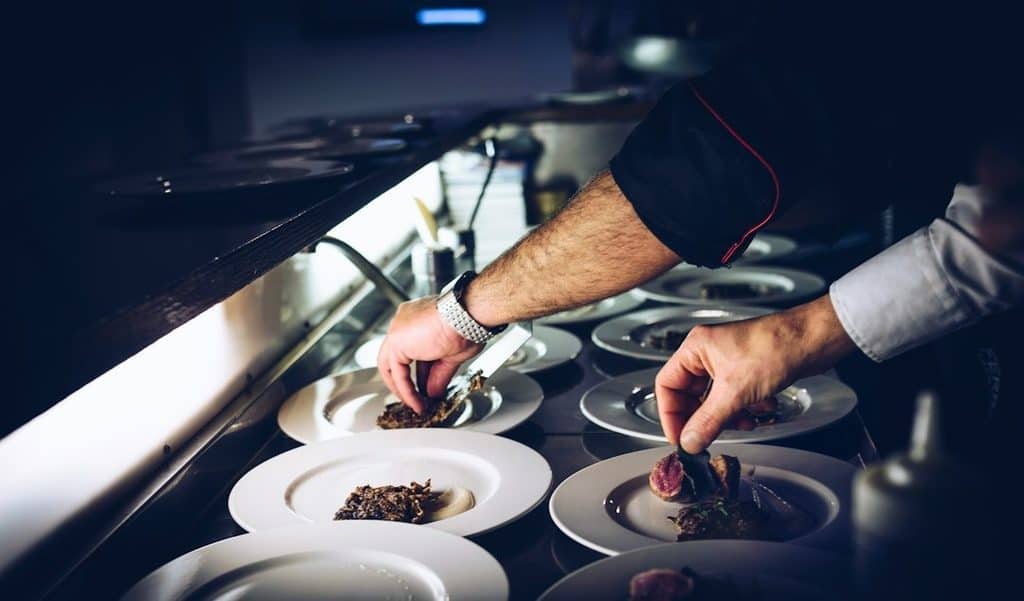
Photo by Fabrizio Magoni on Unsplash
The good news is that most of it costs nothing to copy. The habits matter more than the hardware, though the right gear helps too. Suppliers such as Toronto Commercial Equipment exist because pros know equipment shapes results. This guide shares the pro habits, food-safety routines, and equipment choices worth stealing for your own kitchen.
Why Do Professional Kitchens Run So Smoothly?
The secret is preparation, not speed. Chefs set up everything before service begins, so cooking becomes assembly rather than scramble. That single idea changes how a kitchen feels. When the pressure hits, the work is already half done.
Professionals lean on a few core principles:
- Mise en place. Everything measured and ready before you start.
- Clean as you go. A tidy station prevents mistakes and mess.
- One task at a time. Focus beats frantic multitasking.
- Consistent method. The same steps produce the same results.
None of this needs special training. It simply needs a little intention before the pan gets hot. Try it once and the difference is obvious.
What Habits Can You Steal for Home?
The most useful habits are small and repeatable. They turn a stressful dinner into a calm one. Start with just one and build from there. None of them ask you to cook more, only to cook with a little more order.
A few worth adopting first:
- Prep ahead. Chop and measure before any heat is on.
- Taste as you go. Adjust seasoning in small steps.
- Read the whole recipe. Know the plan before you begin.
- Rest and plate with care. Presentation is part of the meal.
Good technique underpins all of it. Learning to properly sauté vegetables like a pro or to use healthier alternatives to oil makes everyday meals better. These are the quiet fundamentals that separate a good cook from a rushed one. Small skills compound into real confidence over time.
How Do Pros Keep Food Safe?
Food safety is non-negotiable in a professional kitchen. It protects customers and reputation in equal measure. The same rigour keeps your family safe at home. Most cases of illness come from simple slips that are easy to avoid.
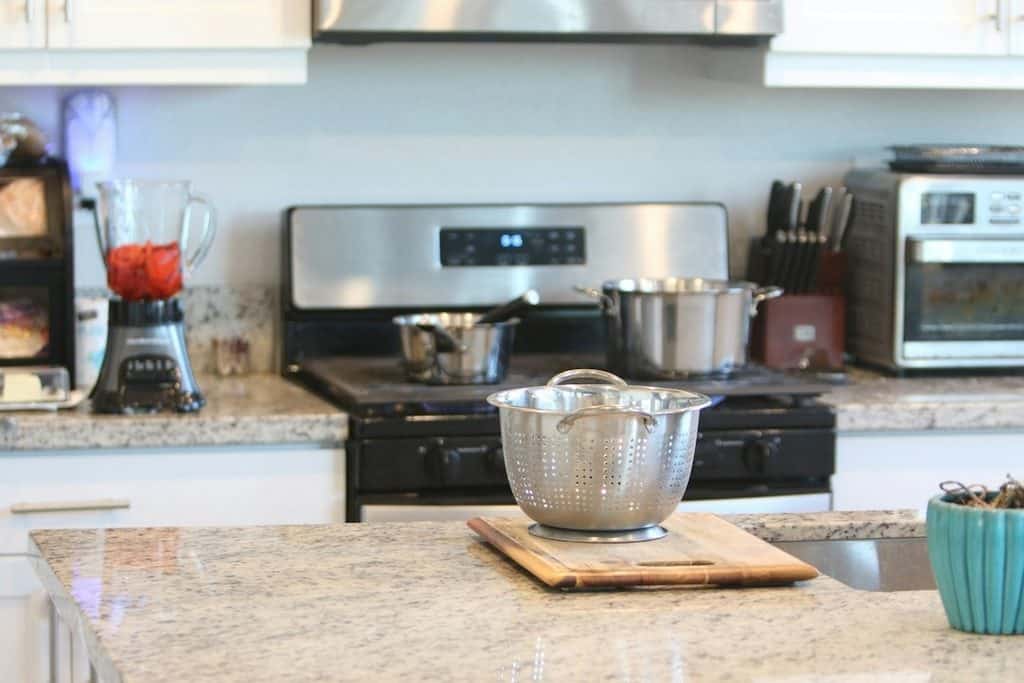
Photo by David Trinks on Unsplash
Alt text: A modern kitchen with a colander, stove, and blender
The basics are simple, cost nothing, and are worth doing every single time:
- Temperature control. Keep cold food cold and hot food hot.
- Separation. Never let raw meat touch ready-to-eat food.
- Clean hands and surfaces. Wash often and thoroughly.
- Prompt storage. Chill leftovers without long delays.
Following guidance on safe food storage temperatures removes most of the guesswork. The rules for chilling and freezing food safely are just as useful at home as in any restaurant. A reliable fridge and a simple thermometer do most of the hard work for you.
Which Equipment Actually Makes a Difference?
You do not need a full commercial fit-out to cook well. A few well-chosen tools deliver most of the benefit. Pros simply buy the versions built to last through years of daily use. That durability is the real lesson worth taking home.
Focus your money where it counts:
- A sharp knife. The single most useful upgrade in any kitchen.
- Steady refrigeration. Consistent cold keeps food safe and fresh.
- Heavy, even pans. They cook more evenly and last for years.
- Accurate scales. Precision makes results repeatable.
The right tools can save time without cluttering your worktop. Commercial suppliers show what durable, professional-grade gear looks like, even if you only ever buy one piece. Quality tools quietly reward you at every meal, year after year. It is better to own a few things that last than a drawer full of gadgets you never use.
Cooking Smarter at Home
Professional kitchens are not magic; they are organised, careful, and consistent. Adopt mise en place, keep your station clean, and build a few solid habits one at a time. Give it a few weeks and the routine starts to feel natural. Treat food safety with the seriousness the pros give it, and invest in a small number of quality tools. Do that, and your everyday cooking gets calmer, safer, and noticeably better, no restaurant required.
Frequently Asked Questions
What Is the Most Important Pro Habit to Copy?
Mise en place, the practice of prepping everything before you cook, is the biggest single win. When your ingredients are measured, chopped, and within reach, cooking becomes calm and controlled. You stop scrambling mid-recipe and make fewer mistakes. It costs nothing and transforms how a home kitchen feels almost immediately.
Do I Need Commercial Equipment at Home?
No, but you can learn from it. A home cook does not need a full commercial fit-out to produce great food. What helps is choosing a few durable, well-made tools, the kind professionals rely on, rather than many cheap ones. A sharp knife, a solid pan, and steady refrigeration matter far more than gadgets.
How Do Professional Kitchens Keep Food So Safe?
They follow strict routines around temperature, separation, and cleanliness. Cold food stays cold, hot food stays hot, and raw meat never touches ready-to-eat items. Surfaces and hands are cleaned constantly, and leftovers are chilled quickly. Home cooks can copy every one of these habits with a thermometer and a little consistency.
Can These Habits Really Improve Everyday Meals?
Absolutely. Simple changes like prepping ahead, tasting as you go, and mastering basic technique raise the quality of ordinary dinners. They also make cooking less stressful, which means you are more likely to enjoy it. Over time, small habits compound into real skill and steady, repeatable results.