5 Must-Try Activities on Your Next Tokyo Trip
Tokyo rewards visitors who go beyond the standard photo stops at Shibuya Crossing and Senso-ji Temple. The city’s real character shows up in its neighbourhoods, its food counters, and the small rituals locals practice daily. Here are five activities that give you a fuller picture of what makes Tokyo one of the most rewarding cities in the world to explore.
Wander Through Yanaka’s Old Tokyo Streets
Most of Tokyo was rebuilt after World War II, but Yanaka survived largely intact, giving you a rare look at pre-war city layout and architecture. Narrow lanes wind past wooden houses, small temples, and a cemetery where cherry blossoms create a canopy each spring. Yanaka Ginza, the neighborhood’s main shopping street, is lined with shops selling grilled fish, senbei crackers, and cat-themed souvenirs (the area is known for its stray cat population).
Set aside two to three hours to walk without a strict itinerary. Stop at Kayaba Coffee, a retro kissaten that has been serving coffee since the 1930s, or pick up fresh menchi katsu from one of the street vendors. Yanaka sits close to Nippori Station, making it an easy add-on to a day trip toward Ueno.
Eat Your Way Through Tsukiji Outer Market
The main wholesale fish auction moved to Toyosu in 2018, but the outer market at Tsukiji remains a working food district packed with more than 400 shops and stalls. Vendors sell fresh uni, tamagoyaki, grilled scallops, and knives sharpened on-site by third-generation craftsmen. Arrive early, ideally before 9 a.m., to beat both crowds and the midday heat that can make the narrow alleys uncomfortable.
Skip the sit-down restaurants with long lines and instead graze from stall to stall. A skewer of grilled wagyu here, a cup of dashi-based soup there, adds up to a more interesting meal than any single restaurant could offer. Bring cash, since many smaller vendors don’t accept cards.
Take a Night Walk Through Shinjuku’s Golden Gai
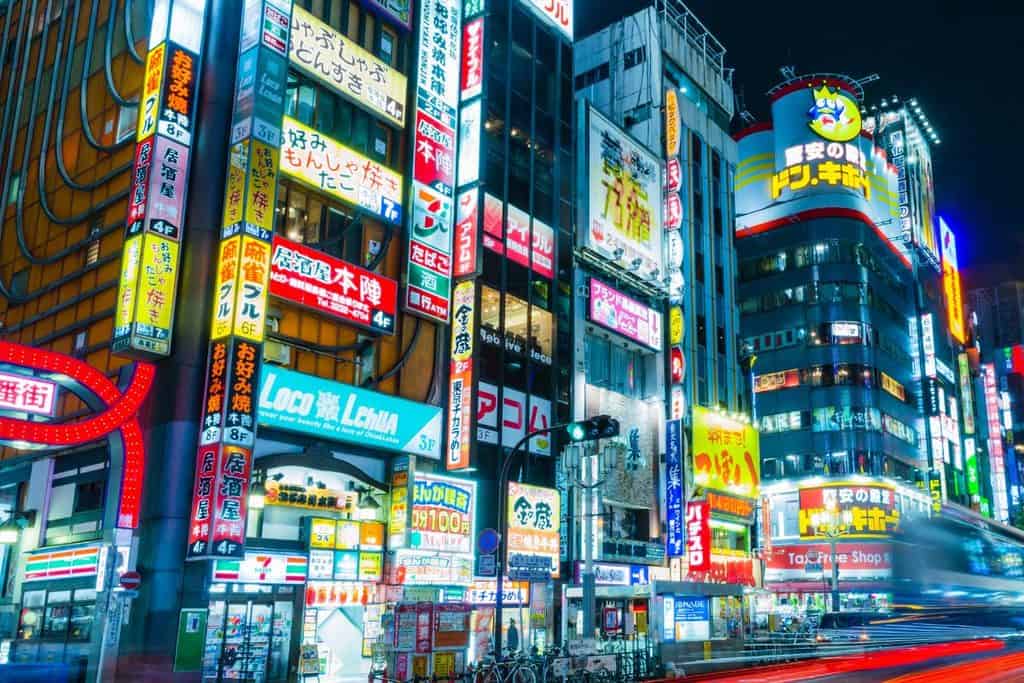
Golden Gai is a cluster of six narrow alleys packed with roughly 200 tiny bars, most seating fewer than ten people. The area survived post-war reconstruction and retains a scrappy, lived-in feel that contrasts sharply with the neon towers a few blocks away. Each bar tends to have its own theme or specialty, from jazz records to horror films to a particular whiskey collection.
Many bars charge a seating fee of 500 to 1,000 yen, which covers a small snack and, more importantly, your welcome into a space that’s often more personal than commercial. Some bars post “no tourists” signs, so look for ones with English menus or an open door policy. For a broader introduction to spots like this alongside other neighbourhoods, joining organized Tokyo tours can help you find bars and restaurants that welcome visitors without requiring advance knowledge of local etiquette.
Visit a Public Bathhouse (Sento) or Hot Spring (Onsen)
Bathing culture runs deep in Japanese daily life, and a visit to a sento gives you insight into that rhythm. Places like Kosugi-yu in Koenji combine a traditional bathhouse with modern design touches, including an outdoor bath area and rotating art installations. Entry typically costs under 1,000 yen, far less than a hotel spa, and sessions run for as long as you like.
If tattoos are a concern, research the specific facility beforehand since policies vary widely across the city. Oedo Onsen Monogatari, a hot spring theme park in Odaiba, is more tourist-friendly and allows visitors to rent yukata robes for the full experience. Either option offers a slower, more contemplative side of Tokyo that balances out busier sightseeing days.
Explore a Themed Café or Retro Arcade in Akihabara
Akihabara built its reputation on electronics, but the neighborhood has evolved into a center for otaku culture, gaming, and quirky café concepts. Maid cafés, once a novelty, now range widely in quality and style, so read reviews before choosing one. Arcades like Club Sega and Taito Station stack multiple floors with claw machines, rhythm games, and retro cabinets from the 1980s and 90s.
Beyond the arcades, Akihabara’s multi-story shops sell everything from vintage Famicom cartridges to detailed model kits. Super Potato, spread across several cramped floors, is worth visiting even if you’re not buying anything, just to see the sheer density of retro gaming history packed into one building. Plan for at least half a day if collecting or gaming interests you at all.
Making the Most of Limited Time
Tokyo’s scale means no single trip covers everything worth seeing, so prioritize based on what genuinely interests you rather than trying to check off every neighborhood. A visitor drawn to food should weight time toward Tsukiji and local izakayas, while someone interested in history might spend more time in Yanaka or nearby Ueno. Build in unstructured time between planned activities, since some of the city’s best moments happen in the gaps, when you stumble onto a shrine festival or a hole-in-the-wall ramen shop that wasn’t on any list.