7 Cartagena Experiences Beyond the Walled City
Most visitors to Cartagena spend their entire trip inside the walled city, snapping photos of colourful balconies and ducking into the same few plazas. That’s understandable — the old town is stunning — but it’s also just one neighbourhood in a much larger, more textured destination. Venture past the fortifications and you’ll find fishing villages, mangrove islands, working-class neighbourhoods with better food than the tourist strip, and volcanic mud that people travel hours to sit in. Here are seven experiences worth the extra effort.
Climb Into the La Popa Convent for the View Nobody Else Gets
Perched on Cartagena’s highest hill, the Convento de la Popa dates back to 1608 and offers a panoramic view that the walled city’s rooftop bars can’t match. From up here, you can see the full sweep of the bay, the skyscraper skyline of Bocagrande, and the patchwork of neighbourhoods most tourists never enter. The drive up is steep and winding, so hire a taxi rather than trying to walk it in the heat. Budget about 45 minutes for the visit, including time in the small chapel and gift shop.
Spend an Afternoon in Getsemaní Instead of the Old Town
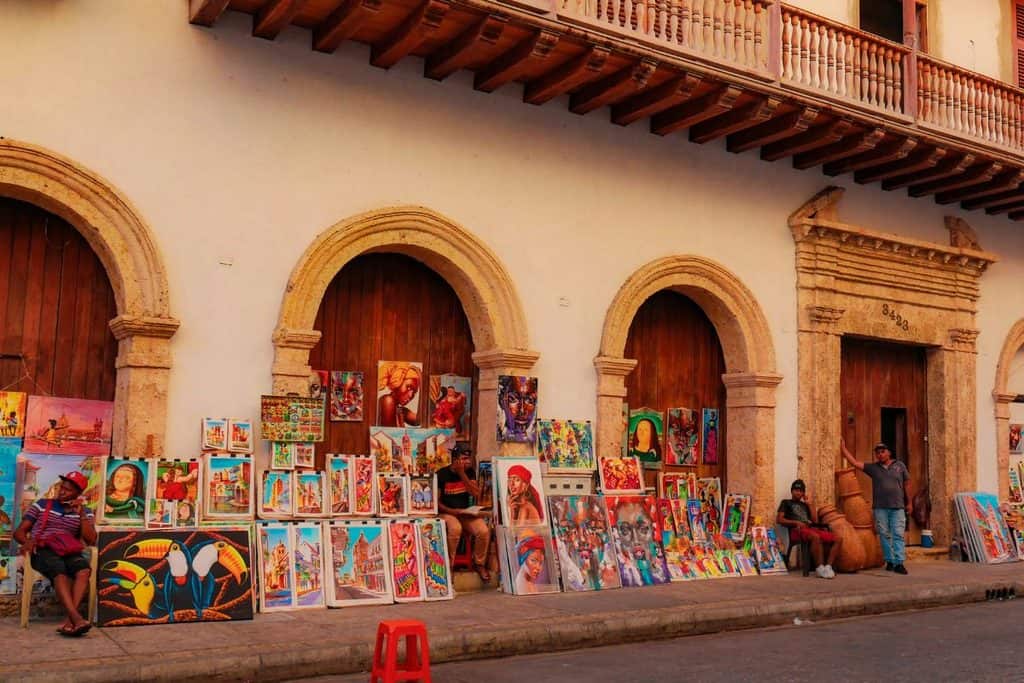
Getsemaní sits just outside the walls but feels like a different city entirely. Street art covers entire building facades, plazas fill with local musicians rather than staged tourist performances, and prices for food and drinks run noticeably lower than inside the fortifications. Plaza de la Trinidad comes alive after sunset with vendors selling fresh fruit and cheap beer to a mixed crowd of residents and travellers. Wander the side streets during the day to see the murals in daylight before the evening crowds arrive.
Take a Boat to the Rosario Islands
About 45 minutes by boat from Cartagena’s harbour, the Rosario Islands offer clear water and coral reef snorkelling that the mainland beaches simply don’t have. Isla Grande and Isla del Pirata are popular stops, with beach clubs renting loungers and serving fresh seafood by the water. Book a smaller group tour rather than the large public ferry if you want more time in the water and less time waiting around. Aim to leave by 8 a.m. to beat both the crowds and the midday heat.
Explore the Food Scene in Bocagrande and Manga
Bocagrande has a reputation as Cartagena’s high-rise beach district, but it also holds some of the city’s best seafood restaurants, tucked between hotels and largely overlooked by day-trippers. Manga, a quieter residential neighbourhood across the bay, mixes early 20th-century mansions with local lunch spots serving arroz con coco and fried fish at half the price of the old town. Walking through both areas gives a clearer sense of how Cartagena residents actually eat and live. For a structured introduction to the regional dishes and where to find them, several Cartagena food tours combine stops in these neighbourhoods with tastings in Getsemaní, giving visitors a fuller picture of Caribbean Colombian cuisine than a single restaurant ever could.
Soak in the Mud at Volcán del Totumo
About an hour north of the city, Volcán del Totumo is a 15-meter mud volcano that visitors climb into for a buoyant, slightly surreal soak. The mud has a mineral content that locals claim benefits skin, though most people go simply for the novelty of floating effortlessly in grey mud up to their shoulders. A nearby lagoon lets you rinse off afterward, usually with the help of local women who work for tips. Most tours combine the mud volcano with a stop at a nearby beach village, making it a half-day trip rather than a quick detour.
Visit the Castillo de San Felipe de Barajas
This 17th-century fortress sits just outside the walled city and ranks among the largest Spanish colonial military structures ever built in the Americas. Its tunnel system was engineered so that sound would carry through the passages, allowing defenders to hear approaching enemies before seeing them. Hire a guide at the entrance rather than exploring alone — the tunnels are confusing without context, and the history of Cartagena’s repeated sieges makes far more sense with narration. Visit in the early morning to avoid both the heat and the tour bus crowds that arrive by mid-morning.
Wander La Boquilla, a Fishing Village Turned Cultural Stop
North along the coast, La Boquilla remains a working fishing village where Afro-Caribbean traditions run deeper than anything staged for tourists downtown. Visitors can take a mangrove canoe tour through the estuary, watch fishermen bring in the day’s catch, or join a drumming and dance demonstration rooted in local Palenque heritage. It’s less polished than the curated cultural shows near the old town, which is exactly what makes it worth the trip. Combine it with a beach afternoon, since La Boquilla sits close to some of the quieter stretches of coastline north of the city.
Cartagena rewards travellers who budget at least one full day outside the walls. Renting a car isn’t necessary — taxis and organized day trips cover all seven of these experiences affordably — but building extra time into the itinerary is essential, since several of these spots deserve a half-day rather than a rushed stop between old-town meals.
Have you visited Cartagena? Let me know in the comments below.