Why Am I So Sad in Winter? A Guide to SAD
Do you ever notice that as the days get shorter and the weather gets colder, your mood seems to drop? You might feel sluggish, sad, and just not like your usual self. If this sounds familiar, you might be dealing with something more than just the “winter blues.” It could be Seasonal Affective Disorder, or SAD for short.
Many people feel a bit down during the winter, but SAD is a type of depression that follows a seasonal pattern. It usually begins in autumn and continues through the winter months, making you feel tired and moody. The good news is that once you understand what’s happening, there are plenty of ways to manage it.
This guide will walk you through everything you need to know about Seasonal Affective Disorder. We’ll explore what it is, what causes it, and the symptoms to look out for. Most importantly, we’ll share practical, effective strategies to help you feel better and get back to being you, even when the sun is playing hide-and-seek.
What Exactly is Seasonal Affective Disorder (SAD)?
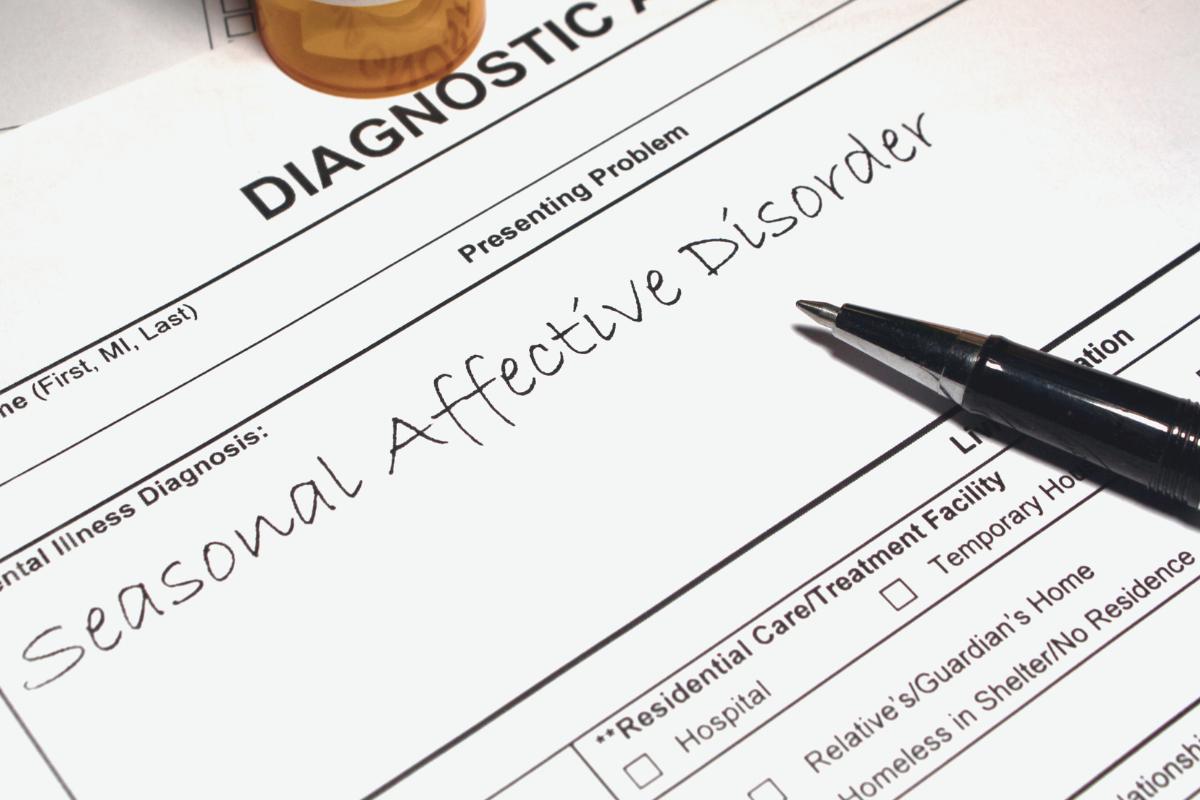
Seasonal Affective Disorder is a type of depression that is related to changes in seasons. For most people, SAD begins in the autumn and lasts through the winter. This is sometimes called “winter-pattern SAD” or “winter depression.” Less commonly, some people experience SAD in the spring and summer.
Think of it like this: your body has an internal clock, known as a circadian rhythm, that tells you when to wake up and when to feel sleepy. This clock is heavily influenced by sunlight. During the shorter, darker days of winter, this internal clock can get thrown off balance. This disruption can lead to feelings of depression.
It’s important to know that SAD is a real medical condition. It’s not just a case of feeling a bit fed up with the gloomy weather. It affects your mood, energy levels, and daily life in significant ways. While many people say they have the “winter blues,” SAD is more persistent and can be more severe. Recognising it as a genuine health issue is the first step toward getting the help and support you need.
What Causes SAD?
Experts are still trying to figure out the exact causes of Seasonal Affective Disorder, but it’s widely believed to be linked to the reduced level of sunlight in autumn and winter. The lack of sun can disrupt your internal body clock and affect certain chemicals in your brain.
Your Body Clock (Circadian Rhythm)
Your brain uses sunlight to set your body’s internal clock. This clock controls your sleep-wake cycle, appetite, and mood. In winter, with less sunlight, this clock can get confused. It might tell you to feel sleepy during the day or be wide awake at night. This mismatch between your body clock and the actual time of day can make you feel tired, irritable, and out of sorts.
Serotonin Levels
Serotonin is a brain chemical, often called the “feel-good” chemical, that affects your mood. Sunlight helps your brain produce serotonin. When there’s less sunlight, your serotonin levels can drop. Lower levels of this chemical are linked to feelings of depression. People with SAD often have lower serotonin activity in the winter, which contributes to their low mood.
Melatonin Levels
Melatonin is another chemical that plays a key role in your sleep patterns and mood. Your brain produces melatonin in the dark to help you feel sleepy. During the long, dark nights of winter, your body might produce too much melatonin. This can make you feel constantly tired and lethargic. You might find it hard to get out of bed in the morning and lack energy throughout the day.
Vitamin D Deficiency
Your skin produces vitamin D when it’s exposed to sunlight. In the winter, with less sun exposure, many people become deficient in vitamin D. This vitamin is thought to play a role in serotonin activity. A lack of vitamin D could, therefore, be another factor contributing to the symptoms of SAD.
Who is at Risk for SAD?
While anyone can develop Seasonal Affective Disorder, some factors might make you more likely to experience it. Understanding these risk factors can help you be more aware of the signs in yourself or your loved ones.
Geography: People who live far from the equator are more likely to get SAD. The further you are from the equator, the less sunlight you get during the winter months. This is why SAD is more common in countries in the northern hemisphere, like the UK, Canada, and Scandinavia.
Family History: If you have family members with SAD or other forms of depression, you might have a higher risk of developing it yourself. Genetics can play a role in how your body responds to seasonal changes.
Having Depression or Bipolar Disorder: If you already live with depression or bipolar disorder, your symptoms might worsen seasonally. It’s important to talk to your doctor if you notice a regular pattern in your mood changes.
Being a Woman: Studies show that SAD is diagnosed more often in women than in men. However, men can sometimes experience more severe symptoms when they do have it.
Age: SAD is more common in younger adults. The risk of developing it for the first time usually decreases with age.
How to Manage Seasonal Affective Disorder
If you think you might have SAD, the first and most important step is to talk to your GP. They can give you a proper diagnosis and rule out any other medical conditions. Once you know you’re dealing with SAD, there are many effective ways to manage your symptoms and improve your wellbeing.
Light Therapy
One of the most common and effective treatments for SAD is light therapy. This involves sitting in front of a special light box for about 30 to 60 minutes each day. These light boxes are much brighter than regular indoor lights and are designed to mimic natural outdoor light.
The light from the box helps to stimulate your brain, which can rebalance your body clock and boost your serotonin levels. Most people use their light box first thing in the morning. You can read a book, eat breakfast, or work at your desk while you have your session. It’s a simple, non-invasive way to get the light exposure you’re missing.
Get Outside
Even on a cloudy winter day, spending time outdoors can make a big difference. Natural light is still more powerful than artificial indoor light. Try to go for a walk during your lunch break or spend some time in your garden. Just 20 minutes of daylight exposure can help lift your mood and increase your energy levels. If you work in an office, try to sit near a window to get as much natural light as possible.
Stay Active
Exercise is a powerful tool for fighting depression, and SAD is no exception. Regular physical activity can boost your serotonin levels, reduce stress, and improve your sleep. You don’t have to run a marathon. Gentle activities like walking, yoga, or swimming can be very effective. Try to find an activity you enjoy, as you’ll be more likely to stick with it. If you can exercise outdoors, you’ll get the double benefit of physical activity and natural light.
Eat a Healthy Diet
What you eat can have a big impact on your mood and energy levels. When you’re feeling low, it can be tempting to reach for sugary snacks and comfort foods. While these might give you a temporary boost, they often lead to a crash later on.
Instead, try to eat a balanced diet with plenty of complex carbohydrates, like whole grains, fruits, and vegetables. These foods provide a steady release of energy and can help boost your serotonin levels. Foods rich in omega-3 fatty acids, like oily fish, and foods high in vitamin D can also be beneficial.
Create a Cosy Environment
Making your home a warm and inviting space can help you feel better during the dark winter months. This Danish concept, known as “hygge,” is all about creating a sense of cosiness and contentment. Light some candles, snuggle up with a soft blanket, and enjoy a warm drink. Surrounding yourself with things that make you feel comfortable and happy can be a simple yet powerful way to combat the winter blues.
Stick to a Routine
A consistent daily routine can help regulate your body clock and improve your sleep. Try to wake up and go to bed at the same time every day, even on weekends. Eating your meals at regular times can also help. A predictable schedule can provide a sense of stability and control when you’re feeling out of sorts.
Talk About It
Don’t be afraid to reach out to friends, family, or a mental health professional. Talking about how you feel can be incredibly helpful. Sometimes, just sharing your struggles with someone who understands can make you feel less alone. Support groups, either online or in-person, can also connect you with others who are going through the same thing.
Seeking Professional Help
For some people, lifestyle changes might not be enough to manage the symptoms of SAD. If your symptoms are severe or are significantly impacting your daily life, it’s important to seek professional help. Your GP can discuss other treatment options with you.
Talking Therapies: Therapies like Cognitive Behavioural Therapy (CBT) can be very effective for SAD. CBT helps you identify and change negative thought patterns and behaviours. It can teach you coping strategies to manage your symptoms and prevent them from returning in future winters.
Antidepressants: In some cases, your doctor might recommend an antidepressant medication, such as a Selective Serotonin Reuptake Inhibitor (SSRI). These medications can help correct the chemical imbalances in your brain that contribute to depression. They are often used in combination with light therapy or talking therapy.
Brighter Days Are Ahead
Living with Seasonal Affective Disorder can be challenging, but it’s important to remember that you’re not alone and that effective treatments are available. By understanding what SAD is and taking proactive steps to manage your symptoms, you can navigate the winter months with more ease and optimism.
Start by making small, manageable changes to your daily routine. Get as much natural light as you can, stay active, and nourish your body with healthy food. Don’t hesitate to reach out for support, whether it’s from loved ones or a healthcare professional. With the right strategies in place, you can find your way back to feeling like yourself again.
If you are struggling with your mental health, it’s important to talk to someone. You can contact your GP, or reach out to organisations like Mind or the Samaritans for support.
Frequently Asked Questions
What’s the difference between SAD and the ‘winter blues’?
The ‘winter blues’ is a general feeling of being a bit down or sluggish during the winter. It’s usually mild and doesn’t interfere much with your daily life. SAD, on the other hand, is a clinical form of depression with more severe symptoms that can significantly impact your mood, energy, and ability to function.
Can I get SAD in the summer?
Yes, though it’s much less common. ‘Summer-pattern SAD’ can occur in the spring and summer. Symptoms often include anxiety, agitation, insomnia, and loss of appetite. It’s thought to be related to too much sun and heat.
Do I need a special kind of light box?
Yes, it’s important to use a light box that is specifically designed for treating SAD. These boxes provide a light intensity of 10,000 lux and filter out harmful UV rays. Always check with your doctor before starting light therapy to make sure it’s safe for you.
How quickly does light therapy work?
Many people start to feel the benefits of light therapy within a few days to two weeks. It’s important to be consistent with your sessions to get the best results.
Can children get SAD?
Yes, children and teenagers can also experience SAD. Symptoms can include irritability, problems at school, and social withdrawal. If you’re concerned about your child, it’s a good idea to speak with their doctor or a mental health professional.