How to Make the Best Coconut Rice at Home
Have you ever tried making coconut rice only for it to turn into a sticky, mushy mess? Or maybe it came out dry and bland, with just a faint hint of coconut. You are not alone. Making perfect coconut rice can be surprisingly tricky. It seems simple enough, but getting that fluffy texture and rich, nutty flavour just right is a real art. Here are all the tips you need for the perfect coconut rice.
What is Coconut Rice?
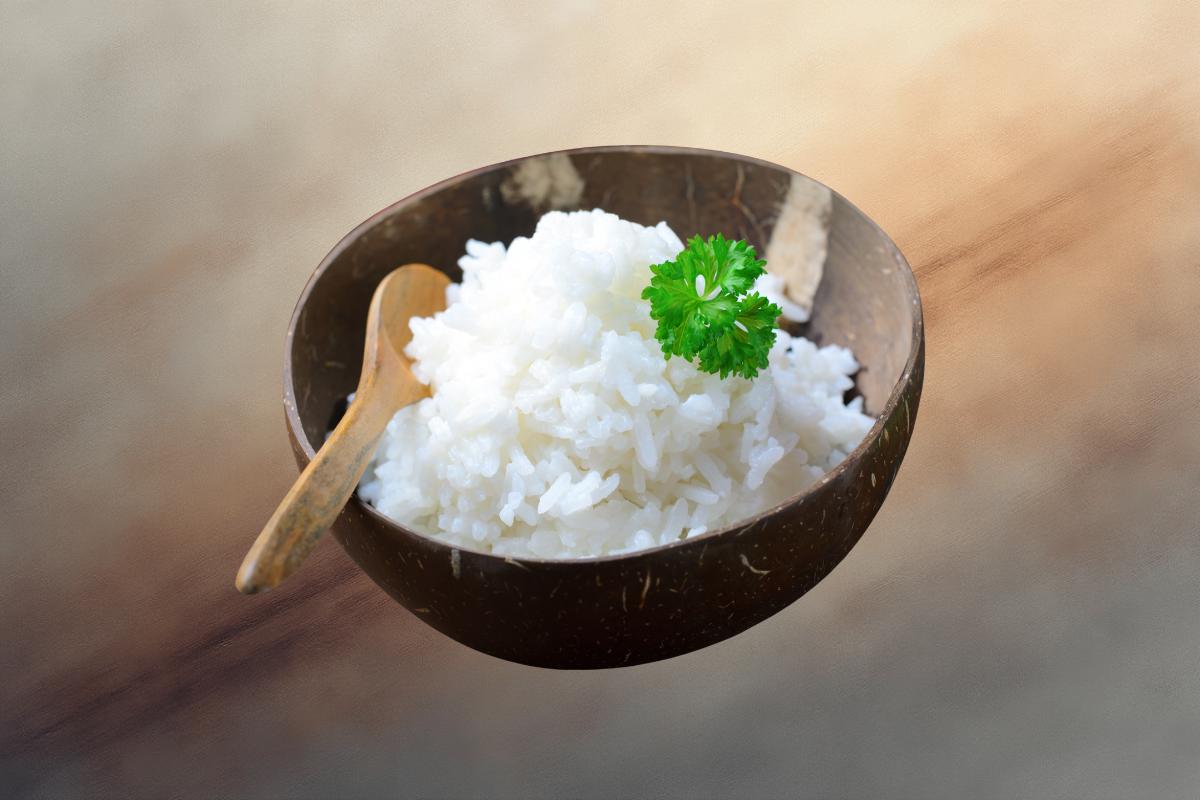
Coconut rice is a simple dish made by cooking rice in coconut milk. It is a staple in many parts of the world, especially in Southeast Asia, the Caribbean, and parts of Africa and South America. While the basic recipe is just rice and coconut milk, different cultures have their own special ways of making it.
In Thailand, coconut rice is often served with spicy curries or grilled meats. It provides a sweet, creamy balance to the dishes’ heat. In Malaysia, it is the star of the national dish, Nasi Lemak, which is often eaten for breakfast. In Colombia, a version called arroz con coco is popular along the coast and has a lovely, sweet-and-savoury flavour, sometimes even including raisins.
What makes coconut rice so special is its flavour and texture. The coconut milk gives the rice a rich, creamy taste with a hint of sweetness. It also makes rice grains plump and soft. It is a wonderful comfort food that can make any meal feel a bit more special. Whether you serve it with a fiery curry or a simple piece of grilled fish, coconut rice adds a touch of the tropics to your plate.
Choosing the Right Ingredients
The key to incredible coconut rice is using the best ingredients. Since the recipe only has a few components, their quality really matters. Let’s look at what you will need.
The Best Rice for the Job
The type of rice you choose will have a big impact on the final dish. You are looking for a rice that can absorb all that creamy coconut milk without becoming gluey.
Jasmine rice is the top choice for many chefs when making coconut rice, and for good reason. This long-grain rice from Thailand has a lovely floral aroma that pairs beautifully with coconut. When cooked, the grains stay separate and fluffy, which is exactly what you want. It has just the right amount of starch to create a soft texture without turning into a sticky clump.
Basmati rice is another excellent option. It is a long-grain rice from India and Pakistan, known for its nutty fragrance and fluffy texture. The grains are even longer and thinner than jasmine rice, and they stay very separate when cooked. If you love rice that is extra light and not at all sticky, basmati is a great choice.
What about other types of rice? Short-grain rice, like the kind used for sushi or risotto, has a high starch content. This starch makes the rice very sticky when cooked, which is great for those dishes but not for coconut rice. You would likely end up with a thick, porridge-like consistency.
Brown rice can be used, but it needs more liquid and a longer cooking time. It also has a much stronger, nuttier flavour that might overpower the delicate coconut flavour. For your first few attempts, it is best to stick with jasmine or basmati.
Full-Fat vs. Light Coconut Milk
When you are at the supermarket, you will see a few different types of coconut milk. For the richest, creamiest coconut rice, you absolutely must use canned, full-fat coconut milk.
Full-fat coconut milk has a high fat content, which is what gives the rice its luxurious texture and deep flavour. When you open a can, you will often see a thick layer of coconut cream on top. Do not throw this away! You want to mix it all together before measuring it out.
Light coconut milk is just full-fat coconut milk diluted with water. If you use it, your rice will have a much weaker coconut flavour and will not be as creamy. It might save you a few calories, but you will be sacrificing a lot of taste. Coconut cream is even thicker and richer than full-fat coconut milk, but using it on its own can make the rice too heavy and oily. The best choice is always a good quality, full-fat canned coconut milk. If you want to reduce calories, then having less is a better choice.
The Importance of Rinsing Your Rice
This step is so important, yet many people skip it. Rinsing your rice before cooking is essential for achieving that perfect fluffy texture. Rice grains are covered in a fine layer of starch powder. If you do not wash this off, the starch will mix with the cooking liquid, creating a sticky, gluey texture.
To rinse your rice, put it in a fine-mesh sieve. Hold the sieve under cold running water and use your fingers to gently stir the rice. You will see the water running out of the bottom, and it will look cloudy at first. Keep rinsing until the water runs clear. This usually takes a minute or two. After rinsing, shake the sieve well to remove as much excess water as possible. This will help you keep the liquid ratio in your recipe accurate.
The Foolproof Cooking Method
Now that we have our ingredients sorted, let’s get cooking. There are two main ways to make coconut rice: on the hob or in a rice cooker. Both methods work well, but they require slightly different approaches.
Making Coconut Rice on the Hob
Cooking on the hob gives you a lot of control. You can watch the rice and adjust the heat as needed.
1. Get the Liquid Ratio Right
This is where many people go wrong. Coconut milk is thicker than water, so you cannot just swap it one-for-one in a standard rice recipe. A good starting point is a ratio of 1 part rice to 1.5 parts liquid. For example, if you use 1 cup of rice, you will need 1.5 cups of liquid.
For the best flavour, use a mix of coconut milk and water. Using only coconut milk can make the rice too heavy and oily, and it increases the risk of it burning on the bottom of the pan. A great combination is 1 part full-fat coconut milk to 0.5 parts water. So, for 1 cup of rice, you would use 1 cup of coconut milk and 0.5 cups of water.
2. The Cooking Process
Start by combining your rinsed rice, coconut milk, water, and a pinch of salt in a medium-sized saucepan. You can also add other flavourings at this stage, which we will talk about later.
Bring the mixture to a gentle simmer over medium heat. Stir it once or twice to ensure everything is well mixed. As soon as it starts to simmer, reduce the heat to the lowest possible setting. You do not want it to boil vigorously, as this can cause the coconut milk to separate and the bottom to burn.
Cover the pan with a tight-fitting lid and let it cook for about 15-18 minutes. It is very important that you do not lift the lid during this time. The rice cooks in the steam that builds up inside the pan. If you lift the lid, the steam will escape, and your rice will not cook properly.
After 15-18 minutes, turn off the heat but leave the pan on the hob with the lid on. Let it sit for another 10 minutes. This step is crucial. It allows the rice to finish steaming and absorb any remaining moisture.
Finally, take off the lid and use a fork to gently fluff the rice. This will separate the grains and give it that lovely light texture.
Using a Rice Cooker
A rice cooker makes the process even easier. It automatically controls the temperature and switches to a “keep warm” setting when the rice is done, which reduces the risk of burning.
1. Adjusting for Your Rice Cooker
Every rice cooker is a bit different, but the general principles are the same. You will still want to use a mix of coconut milk and water. However, you might need to adjust the total amount of liquid slightly. It is a good idea to start with the same 1:1.5 ratio of rice to liquid and see how it turns out.
2. The Cooking Process
Place your rinsed rice, coconut milk, water, and salt into the rice cooker bowl. Stir everything together. Close the lid and press the “cook” button. That is it! The rice cooker will do the rest.
Once the rice cooker switches to the “keep warm” mode, let the rice sit for about 10 minutes before opening the lid. Just like with the hob method, this allows the rice to finish steaming. After 10 minutes, open the lid and fluff the rice with a fork.
Adding Flavours to Your Coconut Rice
Once you have mastered the basic recipe, you can start experimenting with other flavours.
Sweet Variations:
For a slightly sweeter version that pairs well with desserts or spicy food, you can add a tablespoon of sugar to the cooking liquid. Another popular addition is pandan leaves. These long, green leaves are used all over Southeast Asia and have a unique, sweet, vanilla-like fragrance. You can find them in the frozen section of most Asian supermarkets. Just tie a leaf into a knot and add it to the pot while the rice cooks. Remember to remove it before serving.
Savoury Variations:
Toasted coconut flakes are a fantastic addition. You can stir them into the cooked rice or sprinkle them on top just before serving. They add a lovely crunch and an extra layer of coconut flavour. For a more aromatic, savoury rice, try adding a few slices of fresh ginger, a bruised stalk of lemongrass, or a couple of kaffir lime leaves to the pot. These aromatics will infuse the rice with their beautiful scents as it cooks.
What to Serve with Coconut Rice
Coconut rice is incredibly versatile. It is a wonderful side dish for a huge range of meals.
It is the perfect partner for spicy Asian curries, like a Thai green curry or a Malaysian rendang. The creamy sweetness of the rice cools down the heat from the chillies. It is also delicious with grilled or fried food. Try serving it with grilled chicken satay, crispy fried fish, or barbecued prawns.
For a simple and healthy meal, you can serve coconut rice with some steamed vegetables and a piece of baked salmon. The flavours are clean and light, and it makes for a very satisfying dinner. You can even use it as a base for a rice bowl, topped with things like black beans, mango salsa, and avocado for a Caribbean-inspired dish.
Your Next Steps to Perfect Rice
Making delicious, fluffy coconut rice is all about using the right ingredients and following a few key steps. Remember to choose a good quality long-grain rice like jasmine or basmati, use full-fat canned coconut milk, and always rinse your rice.
Do not be afraid to experiment with different flavourings to find what you like best. Whether you are cooking on the hob or using a rice cooker, patience is key. Let the rice cook without peeking, and always give it those final 10 minutes to rest. With a little practice, you will make perfect coconut rice every time.