
How to Design an Accessible Bedroom: A Practical Guide for Every Home
This is a collaborative post.
Your bedroom should be your own personal sanctuary, a space where you can rest comfortably and move around with complete ease. But here’s something that might surprise you: more than 1 billion people worldwide live with some form of disability, representing about 15% of the global population.
The reality? One in five households has accessibility needs, yet less than 1% of homes are universally accessible. That’s quite a gap, isn’t it?
Whether you’re planning ahead for the future or addressing current needs right now, accessible bedroom design isn’t just about ticking boxes. It’s about creating a space that truly works for you. And with the older population set to increase by 54% by 2039, designing with accessibility in mind makes perfect sense for everyone.
Bedrooms can be particularly tricky spaces. They’re often smaller than other rooms and packed with furniture that can make moving around feel like an obstacle course. So how do you create an accessible bedroom that combines comfort with complete functionality?
From doorways at least 32 inches wide for wheelchair users to smart switches that let you control your electrical system right from your bedside, there are countless ways to make your bedroom work better for you. The best part? Many of these changes will make life easier for everyone who uses the space, regardless of their physical abilities.
Ready to discover how thoughtful design choices can create an accessible bedroom that doesn’t compromise on style? Let’s explore the practical solutions that will make your bedroom the comfortable, functional sanctuary it should be.
Getting started: assessing your bedroom’s accessibility needs
Before you start making any changes, take time to properly assess what you actually need. The NHS offers free home assessment services where occupational therapists will visit your home, ask questions about your daily challenges, and recommend appropriate adaptations.
Start by documenting everything you struggle with, even small things like opening cupboards or reaching light switches. Assessment visits typically last at least an hour, and having a friend or relative present can be beneficial.
What to check in your current space
Begin with your doorways; they should be at least 840mm wide with a minimum 900mm swing for wheelchair access. You’ll also need a 1500mm x 1500mm (5′ x 5′) turning circle for wheelchairs to manoeuvre properly.
Don’t forget about needs beyond mobility. For individuals with sensory processing differences, examine factors like lighting, textures, acoustics, and transition zones. Each person’s sensory profile is unique, requiring personalised solutions.
Preparing for professional assessment
Professional assessments often include evidence gathering. Your council may request supporting documents from healthcare professionals describing how your current housing fails to meet your needs.
Come prepared with your documented list of daily struggles. The more specific you can be about what doesn’t work, the better recommendations you’ll receive.
Remember, you spend approximately 8 hours daily in your bedroom. A thorough assessment ensures this essential space supports your independence, safety, and comfort rather than creating daily frustrations. Getting this foundation right will make all the difference to your finished accessible bedroom.
What makes a bedroom truly accessible?
Creating an accessible bedroom that works beautifully comes down to getting the fundamentals right. Think of it as designing a space where movement feels natural and everything you need is within easy reach.
Space to move freely
For wheelchair users, your bedroom needs to be at least 18 square metres with no less than 3.6 metres width. This isn’t just about fitting a wheelchair through, it’s about creating a space where you can turn around comfortably and access everything you need. You’ll want those doorways to be at least 32 inches wide, though 36-inch doors often make life even easier.
Ground floor bedrooms eliminate the challenge of stairs entirely, making daily life significantly smoother.
Get your bed height spot on
Here’s something that makes a real difference: bed height. Aim for your mattress top to sit between 20 and 23 inches from the floor. This sweet spot makes getting in and out of bed much easier, whether you’re transferring from a wheelchair or simply want to reduce strain on your joints.
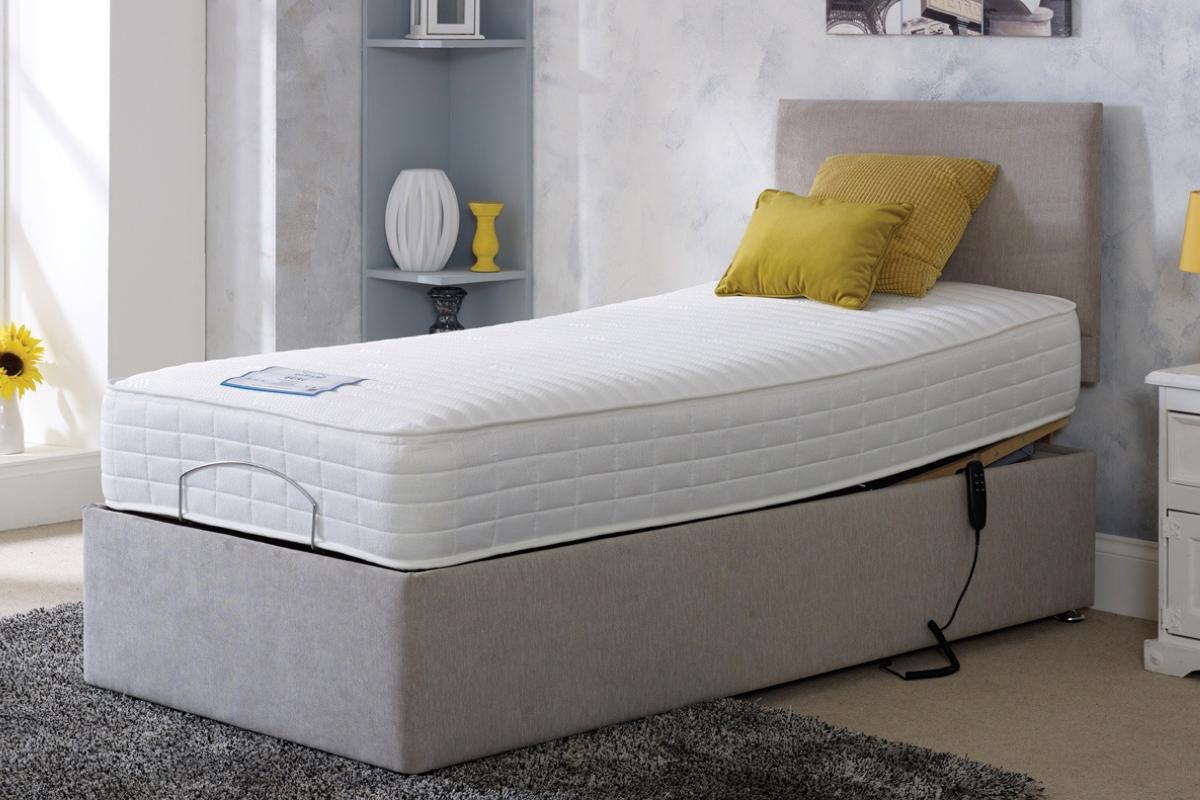
Adjustable electric beds are worth considering; they let you customise height based on your exact needs and can help prevent falls.
Smart technology that actually helps
Voice-activated controls can be absolute game-changers for an accessible bedroom. Picture this: “Lights on,” “Dim the bedroom lights,” or “Close the curtains”, all controlled without reaching for switches. For individuals with visual impairments or physical disabilities, these voice commands offer genuine independence.
Choose your flooring wisely
Hardwood, vinyl, and low-pile carpeting are perfect here, they make wheelchair movement smooth and reduce trip hazards. Thick pile carpets might look luxurious, but they’ll work against you by restricting mobility.
Storage that works for you
Position clothing rods between 47 and 55 inches above the floor, low enough for seated reach yet high enough so your favourite outfits won’t drag on the ground. Electric height-adjustable clothing racks are particularly clever, extending downward and outward when lowered.
Don’t forget about electrical controls. Position socket outlets between 400mm and 1000mm above the floor to prevent daily stretching and straining. These small details add up to make your everyday routines effortless rather than exhausting.

How do you bring your accessible bedroom to life?
Start with the structural elements that make the biggest difference. Doorways need to be at least 32 inches wide for wheelchair access, so tackle these first. Replace any carpeting that restricts movement with hardwood or smooth flooring that includes grain to create friction. These foundational changes set the stage for everything else.
Working with the right professionals can save you time and headaches down the line. A general contractor ensures your structural changes don’t compromise building integrity, whilst interior designers bring fresh perspectives and clever solutions to adaptation challenges.
Before you begin, visualise your project with planning tools like SmartDraw and FloorPlanner to create a digital layout of your accessible bedroom. This step helps you establish a realistic budget and timeline, no nasty surprises halfway through your project.
What you’ll need to prioritise
Safety features come first. Install grab bars near the bed for stability and position lights at accessible heights with switches both at the entryway and beside the bed.
Storage solutions require careful thought. Choose dressers with low, soft-close drawers and consider sliding wardrobes to maximise your space. Remember, every inch counts in bedroom design.
Takeaway Tip: Smart home technology can be your secret weapon. Voice control of lighting, entertainment systems, and window treatments doesn’t just enhance accessibility; it increases your independence.
The final step? Test everything. Walk through your daily routines in the space to spot any remaining obstacles. Your accessible bedroom should support your well-being, not work against it. And because you’ve planned thoroughly, you can rest easy knowing every detail works perfectly for your needs.
Your accessible bedroom transformation starts here
Creating an accessible bedroom isn’t just about following guidelines—it’s about designing a space that truly works for you, day after day. Your bedroom should support your independence, not work against it.
Think of all the small details we’ve covered: doorway widths, bed heights, smart switches, and flooring choices. Each one might seem minor on its own, but together they create something much more powerful, a bedroom that adapts to your needs rather than forcing you to adapt to it.
The beauty of accessible design? It makes life easier for everyone. Those grab bars you install for stability can help anyone getting out of bed on a groggy morning. Voice-controlled lighting benefits not just those with mobility challenges, but anyone who’s ever fumbled for a light switch in the dark.
Don’t feel like you need to tackle everything at once. Start with the changes that will make the biggest difference to your daily routine. Maybe it’s widening a doorway, or perhaps it’s something as simple as repositioning electrical outlets so you don’t have to stretch and strain.
Remember, you spend roughly a third of your life in your bedroom. Shouldn’t it be a space that genuinely supports your wellbeing? Whether you’re planning ahead or addressing current needs, every thoughtful change you make creates a more comfortable, functional space.
Your accessible bedroom journey doesn’t have to be daunting. Take it step by step, focus on what matters most to you, and before you know it, you’ll have created a bedroom sanctuary that’s both beautiful and brilliantly functional. The result? A space where accessibility and style work together seamlessly, exactly as they should.
Key Takeaways
Creating an accessible bedroom benefits everyone, not just those with current mobility needs, as one in five households has accessibility requirements, yet less than 1% of homes are universally accessible.
• Assess before you act: Document daily challenges and consider professional NHS assessments to identify specific needs beyond basic mobility requirements.
• Focus on essential measurements: Ensure doorways are at least 32 inches wide, bed height sits 20-23 inches from the floor, and provide 5×5 foot turning circles for wheelchairs.
• Start with structure, then add technology: Prioritise flooring, doorways, and grab bars before implementing smart home features like voice-controlled lighting and adjustable beds.
• Plan for the future: With the older population increasing by 54% by 2039, accessible design isn’t just about current needs, it’s about creating adaptable spaces for life’s changes.
Remember, your bedroom should work for you, not against you. These practical modifications transform daily routines from struggles into seamless experiences, creating a true sanctuary that supports independence and well-being for years to come.
FAQs
Q1. What are the key elements of an accessible bedroom design? An accessible bedroom should have wide doorways (at least 32 inches), step-free access, non-slip flooring, adjustable bed height, smart lighting, voice-controlled devices, and accessible storage solutions. The room should also have clear walking paths and a turning space of at least 1500mm x 1500mm for wheelchair users.
Q2. How can I assess my bedroom’s accessibility needs? Start by documenting your daily challenges in the bedroom. Consider getting a professional assessment, such as the free home assessment service offered by the NHS. Examine doorways, flooring, and furniture placement. Don’t forget to consider sensory needs beyond mobility, as each person’s requirements are unique.
Q3. What type of flooring is best for an accessible bedroom? Hardwood, vinyl, and low-pile carpeting are excellent choices for accessible bedrooms. These materials improve wheelchair movement and reduce the risk of tripping. Avoid thick-pile carpets, as they can restrict mobility and make it difficult for wheelchairs to manoeuvre.
Q4. How can smart home technology enhance bedroom accessibility? Smart home technology can significantly improve independence in an accessible bedroom. Voice-activated controls for lights, thermostats, and window treatments allow effortless management of the environment. Electric height-adjustable beds and clothing racks can also be controlled remotely, making daily tasks easier for those with mobility challenges.
Q5. What are some cost-effective ways to improve bedroom accessibility? Start by clearing clutter and rearranging furniture to create wider pathways. Install grab bars near the bed for added stability. Use affordable design tools or apps to plan layout changes before making major modifications. Consider adjustable bed risers to modify bed height, and opt for lever-style door handles, which are easier to operate than traditional knobs.
Has this helped you to think more about making an accessible bedroom? Let me know in the comments below.