Everyday Appliances for Quick, Healthy Meals
This is a collaborative post.
Eating healthy doesn’t always come down to motivation or willpower. More often, it comes down to convenience. When cooking feels easy and manageable, people are far more likely to prepare meals at home instead of reaching for takeout or packaged food. That’s why everyday kitchen appliances play such a critical role in shaping healthier eating habits.
In today’s kitchens, tools like air fryers and compact countertop appliances have become staples not because they’re trendy, but because they fit into real life. They reduce prep time, simplify cooking, and help people make better food choices without feeling restricted. Below is a practical list of everyday appliances that support quick, healthy meals and a more enjoyable cooking experience overall.
1. Countertop Cooking Appliances for Faster Meals
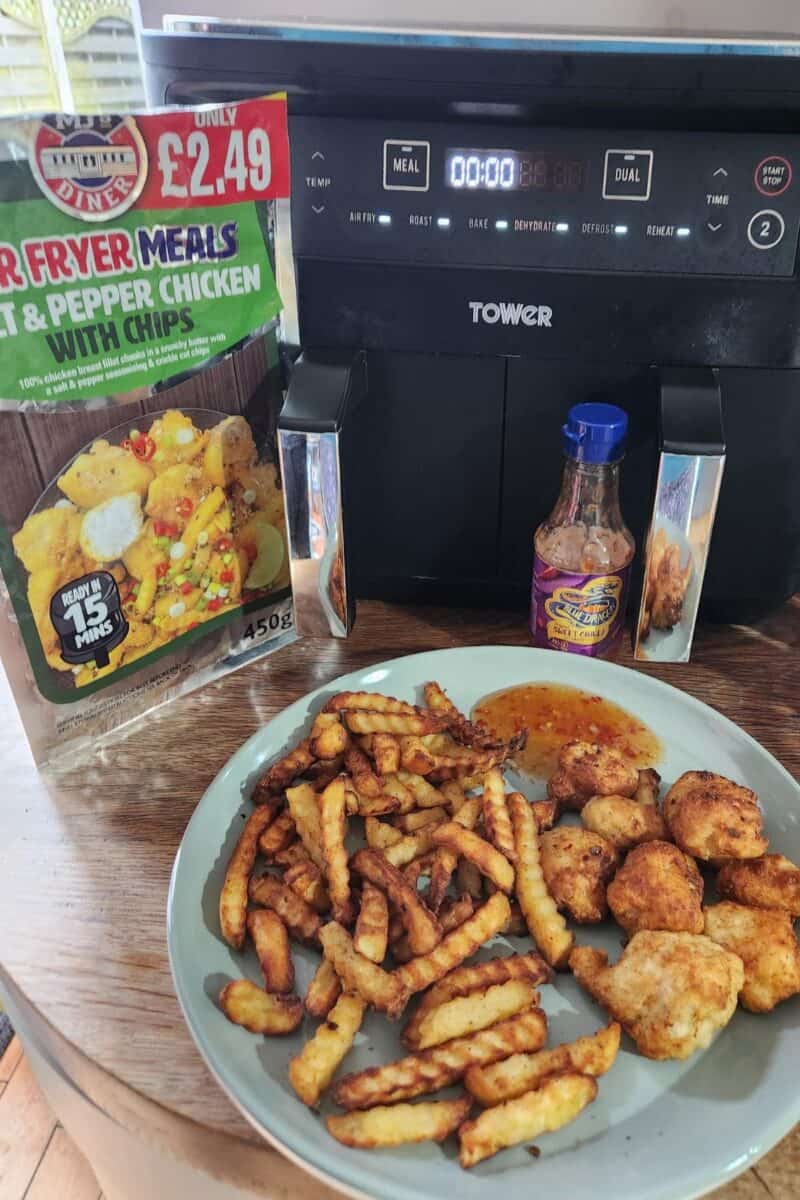
One of the most difficult aspects of cooking for home chefs is the time factor. Countertop cooking appliances address this issue by providing quick heat-up times and simplified controls. Consumers enjoy the convenience of cooking an entire meal without having to preheat a large oven or tend to multiple burners.
Behaviorally, faster cooking times reduce the “effort barrier.” When meals can be prepared in less than 30 minutes with minimal supervision, people are more likely to cook at home on a regular basis, especially during busy weeknights.
2. Appliances That Reduce the Need for Excess Oil
Consumers are looking for healthier options, but they do not want to give up texture and flavour. Appliances that cook with little to no added oil are helping to fill this gap.
These appliances are most sought after by those who want to eat light without making drastic changes to their diet. They can cook their food in a manner that is less indulgent but still very satisfying without having to deep-fry or pan-fry it. This is why these appliances can often lead to healthier eating habits.
3. Food Processors for Quick Prep and Consistency
Chopping, slicing, and shredding can be a tedious and frustrating process, especially after a long day. Food processors make these processes much easier and make cooking seem much more inviting.
From the perspective of user experience, the biggest advantage is consistency. The ingredients are cut uniformly, and the cooking time is more predictable. This helps people cook with fresh ingredients rather than relying on pre-cut ingredients that come in packages.
4. Blenders for Smoothies, Sauces, and Simple Meals
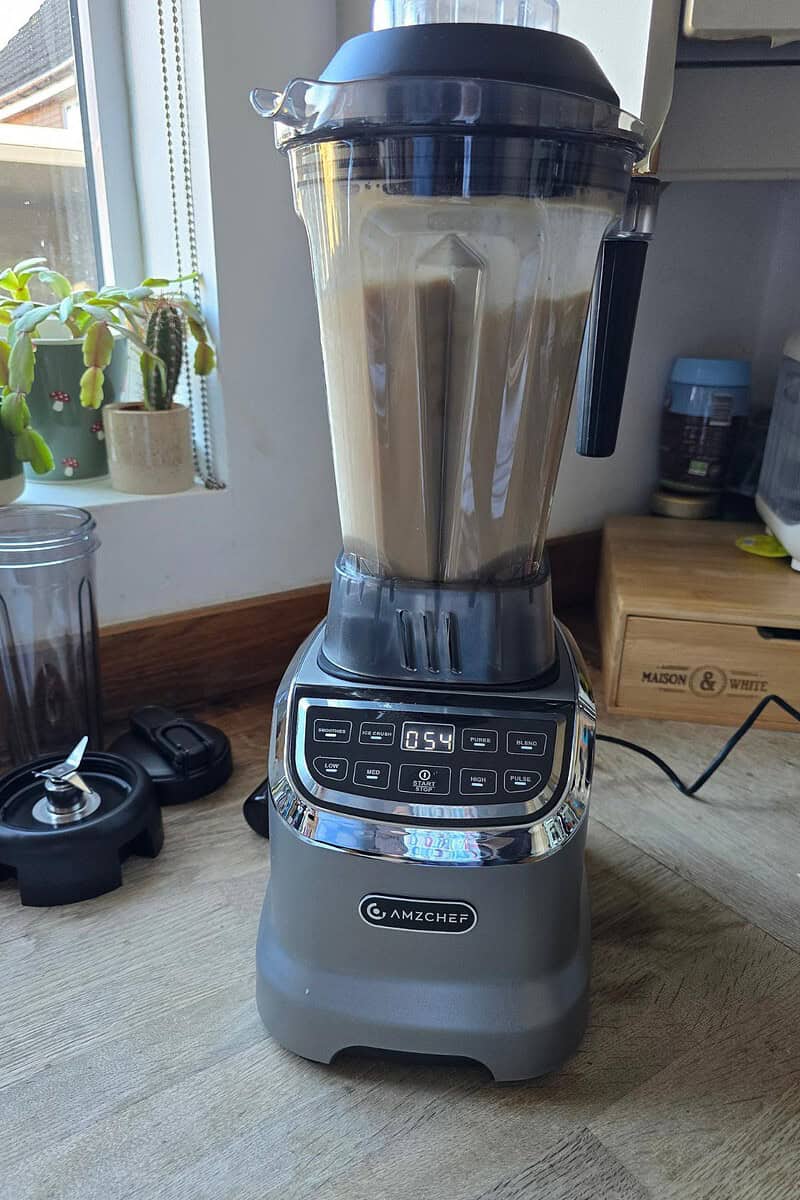
Blenders are commonly linked to smoothies, but their use is much broader than just breakfast beverages. They can be used for rapid and healthy meals such as soups, sauces, and protein shakes.
Consumers are drawn to blenders because they are low-maintenance. Simply throwing ingredients into one container is much less daunting than using multiple gadgets. This makes it more likely that consumers will be able to work these healthy foods into their daily routine.
5. Electric Griddles and Grills for Lean Cooking
Electric griddles and grills are convenient for cooking lean meats and vegetables without using too much oil. They heat evenly and cook quickly, which benefits consumers who value efficiency.
These appliances also allow batch cooking. This makes them perfect for meal prep. Cooking multiple portions at once saves time and reduces the need to order food later.
6. Rice Cookers That Do More Than Cook Rice
Contemporary rice cookers have developed into all-in-one solutions for meals. In addition to cooking rice, they can be used for steaming vegetables, cooking proteins, and making one-pot dishes.
From a consumer perspective, the benefit is in its simplicity. It is a product that one can set and forget. This is especially appealing to those with responsibilities, such as work and family.
7. Slow Cookers for Low-Effort, Nutrient-Rich Meals
Slow cookers remain a popular choice among those who prefer less daily interaction with cooking. Preparing ingredients in advance and cooking them over several hours is something that can easily be incorporated into a busy schedule.
Functionally, slow cookers promote planning without pressure. You can take advantage of simple recipes and whole ingredients to create a comforting, filling, and nourishing meal with very little effort.
8. Steamers for Simple, Whole-Food Cooking
Steamers are for consumers interested in clean, simple food. The steamers enable consumers to cook vegetables, fish, and other foods without using any fats.
The user experience is simple and predictable, which instils confidence, particularly in new users. When healthy cooking is perceived as simple, people are more likely to adopt it and sustain it in the long run.
9. Appliances Designed for Easy Cleanup
Among the least appreciated aspects of cooking is the cleanup process. Cookware that is non-stick, has removable parts, or is dishwasher-safe is a huge improvement.
Once the cleanup becomes manageable, cooking will no longer be a chore. This small convenience is often the deciding factor between whether an appliance is used daily or left on the counter unused.
10. Multi-Function Appliances for Small or Busy Kitchens
Multi-function appliances are very popular among consumers who appreciate efficiency and space-saving solutions. Rather than having multiple appliances, multifunction appliances perform several functions in a single unit.
This adaptability is in line with the current consumer behaviour of wanting less clutter, fewer decisions, and more value from the things they use on a daily basis. It also makes healthy cooking easier for those living in smaller spaces.
Why the Right Appliances Change Eating Habits
What makes these appliances so impactful isn’t what they do, it’s how they integrate into people’s lives. They eliminate friction, make decisions easier, and make healthy living a reality rather than a dream.
The more that cooking becomes easier, faster, and less stressful, the more that people cook. And the end result of this is a better relationship with food, without having to follow complicated rules and plans.
Healthy meals don’t have to be perfect or expensive. They are about creating systems that help people make good decisions on regular days. Kitchen appliances help people turn good intentions into good habits.
By investing in equipment that prioritises convenience, ease of use, and flexibility, home cooks can make dishes that promote health while remaining functional in a real-life setting.