Mindful Journeys: Slow Travel for Better Health
This is a collaborative post.
Slow travel gives you time to rest, notice your surroundings and enjoy a destination without racing through a packed itinerary. Instead of trying to see five places in five days, you might spend a week in one region, use local transport and leave room for unplanned discoveries. This gentler approach can make a break feel restorative, especially when everyday life already involves busy schedules and long lists of responsibilities.

Embracing the Pace of Slow Travel
Slow travel focuses on spending meaningful time in fewer places. A typical trip might involve staying in one town for several nights, shopping at a local market and exploring nearby villages on foot or by bus. The slower pace gives you a clearer sense of daily life in the area while reducing the time spent packing, checking out and moving between destinations.
A useful guide to slow travel recommends connecting more closely with local culture and communities. You could book a family-run guest house, eat in independent cafés or join a small craft workshop. These experiences often become more memorable than rushing between major attractions for quick photographs.
Start by reducing the number of stops in your itinerary. If you usually plan three cities during a one-week holiday, choose one city and take a couple of local day trips. Give yourself at least one unscheduled afternoon too. You may find a quiet garden, return to a favourite café or simply rest without feeling that you’re missing something.
Your accommodation can also support a slower experience. Pick somewhere within walking distance of shops, green spaces and places to eat. Fewer daily transport arrangements mean more time to enjoy your surroundings and less time checking routes or watching the clock. The result is a holiday shaped by curiosity and comfort instead of a checklist.
Health Benefits of Unhurried Exploration
A crowded itinerary can leave you tired before the holiday is halfway through. Early starts, long transfers and late meals may interrupt sleep and make it hard to settle into a comfortable routine. Unhurried exploration creates more opportunities to eat regularly, move at a manageable pace and get enough rest.
The connection between slow travel and wellness is partly practical. A free morning lets you sleep until you wake naturally. Walking around one neighbourhood offers gentle activity without the pressure of reaching several distant attractions. Longer stays also give you time to find food that suits your needs, which can be helpful if you have allergies or manage a health condition.
Preparation matters when you’re travelling by road. Check the vehicle, plan realistic driving periods and confirm that your documents and cover suit the trip. Owners seeking specialist cover for a classic car, campervan, 4×4 or modified vehicle can Get car insurance quote today! before setting off. Sorting practical matters early helps prevent avoidable worries from following you on holiday.
Restful evenings are valuable too. Choose accommodation away from noisy nightlife, keep the room cool and avoid filling every evening with activities. You can also use ideas for creating a calm space for better rest when settling into a hotel room, cottage or campervan. Putting devices away, dimming bright lights and following your usual bedtime routine can make an unfamiliar space feel more comfortable.
Vehicles for a Mindful Escape
The way you travel influences the rhythm of your break. Trains work well for city-to-city trips because you can read, watch the scenery or chat without concentrating on the road. Buses and ferries may take longer, but they can reveal small towns and coastal views that are easy to miss on a direct flight.
A car gives you more control over stops and departure times, particularly in rural areas. Plan a modest daily distance and add breaks before you expect to feel tired. On a four-hour route, for example, schedule a stop after around 90 minutes at a park, viewpoint or café. That pause becomes part of the day instead of an interruption.
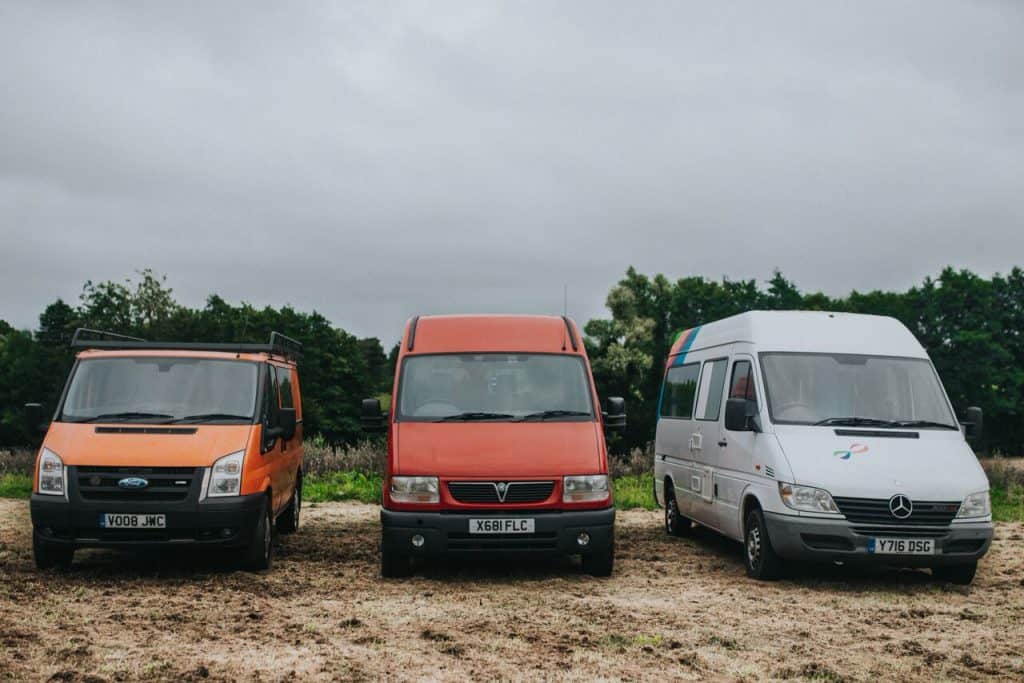
Campervans suit travellers who enjoy flexible accommodation and simple outdoor routines. Check campsite opening dates, facilities and arrival times before leaving, as turning up without a suitable place to stay can create unnecessary stress. Pack lightly enough to keep the living area tidy and assign a regular place to essentials such as keys, chargers and walking shoes.
Classic cars may bring extra character to a scenic weekend, although they need thoughtful route planning and suitable roadside support. Avoid building a long itinerary around tight arrival deadlines. The wider personal benefits of slow travel come from giving yourself time to connect with a place, so choose roads and stopping points that make the travel itself enjoyable. Whatever vehicle you use, check parking access, low-emission rules and charging or fuel locations before the trip.
Planning Your Next Relaxing Getaway
Begin with the amount of energy and time you genuinely have. A nearby three-night break may provide more rest than an ambitious week involving several connections. Choose one base, then identify two or three activities you’d be disappointed to miss. Everything else can remain optional.
A simple daily structure keeps the trip relaxed without leaving you unsure of what to do. Plan one main activity, such as a museum visit, coastal walk or food market, then keep the rest of the day flexible. Check opening hours and booking requirements for popular attractions, but resist reserving every meal and afternoon. The principles of mindful travel include paying attention to the present place and leaving space for genuine interaction.
Budget for comfort as well as tickets and accommodation. Set aside money for a taxi after a tiring day, a quiet room or an extra night that breaks up a long route. If your budget is limited, travelling outside peak periods can reduce accommodation costs and crowd levels. Staying in one place also cuts repeated transfer fees.
Consider your physical needs before choosing activities. Look at walking distances, hills, seating and access to toilets, especially when travelling with children or anyone who has reduced mobility. Save key addresses offline and share your basic itinerary with someone at home.
On the final day, allow enough time for breakfast, packing and the return trip. A slow holiday deserves a calm ending, so avoid squeezing in one last attraction before a long drive or train connection. Leaving after a relaxed morning can help you return home feeling rested instead of needing another break to recover.