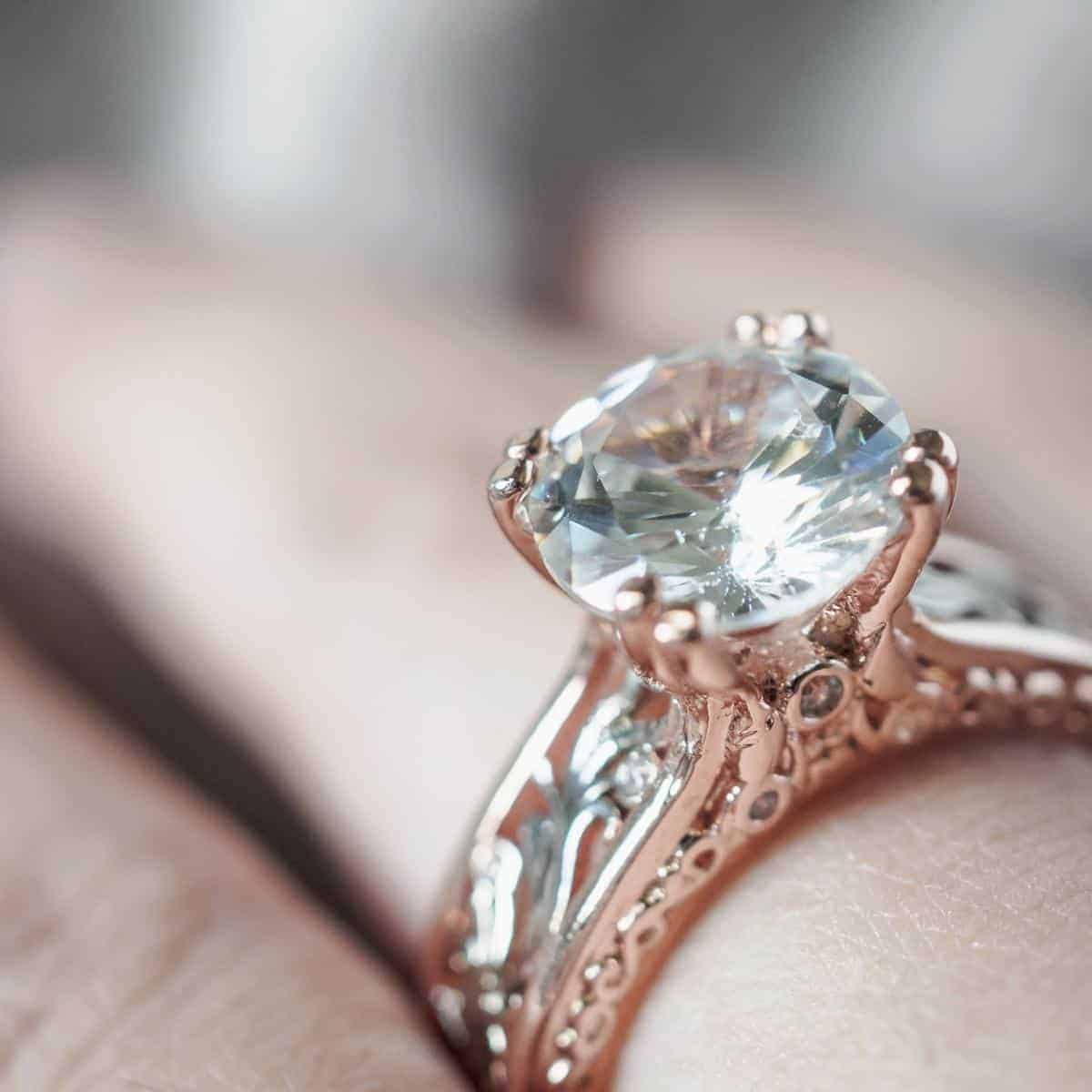
How to Stack a Diamond Engagement Ring With Wedding Bands
Stacking rings looks simple in photos. In real life, it rarely feels that straightforward. What works in a perfectly styled image can start to feel slightly off once it’s in your hand all day—too crowded, too flat, or just not sitting the way you expected.
Part of it comes down to movement and proportion. Rings don’t stay still, and the way they shift against each other changes how the entire stack is perceived. Another part is personal style—what feels balanced to one person might feel overly styled to someone else. That’s why stacking isn’t really about following a fixed formula. It’s more about finding combinations that settle naturally into your everyday rhythm without needing constant adjustment.
Once you start noticing how different bands interact with your engagement ring, the combinations become easier to refine. Below are 6 fashion-forward combinations that actually work.

1. The Classic Flush Stack That Feels Effortless
There’s something about a perfectly aligned stack that feels instantly put together without trying too hard. A straight wedding band sitting flush against the center stone creates a clean line, especially when the engagement ring has a symmetrical setting. It’s the kind of combination that doesn’t need much explaining—it just works.
It usually becomes clear when you start coordinating outfits and realise diamond engagement rings need to work alongside a band in everyday styling, not just on their own. It’s something people tend to realise in spaces like Ritani, where attention gradually moves from the ring itself to how it works with a band. You begin to notice which settings enable that seamless pairing and which introduce small gaps, making the final stack feel more intentional from the start.
2. The Contoured Band That Follows the Stone
Not every engagement ring sits flush with a straight band, and that’s where contoured or curved bands come in. These are shaped to follow the outline of the centre stone, creating a closer fit that feels more integrated.
Instead of forcing alignment, this combination leans into the ring’s natural structure. The curve softens the transition between pieces, making the stack feel more fluid. Over time, that subtle alignment tends to feel more comfortable visually, especially if you prefer something that looks cohesive without appearing overly structured.

3. The Mixed Metal Stack That Adds Contrast
Matching metals used to be the default, but mixing tones has become a more relaxed way of stacking rings. Pairing white gold with yellow gold or adding a rose tone creates contrast that makes each band stand out without overwhelming the look.
The key here for stacking rings is balance. Too many contrasting tones can feel scattered, but a controlled mix introduces just enough variation to keep things interesting. It also makes the stack more adaptable, especially if the rest of your jewellery isn’t tied to a single metal colour.
4. The Minimal Band Stack That Keeps Things Light
Sometimes, less really does more when stacking rings. A delicate, slim band paired with an engagement ring creates a stack that feels light and understated, especially if the centre stone already has a strong presence.
This combination works well when you don’t want the stack to compete with your overall look. It leaves enough space for the engagement ring to remain the focal point while still adding a second layer that feels intentional. The result is subtle but complete, without drawing too much attention.
5. The Statement Band That Changes the Entire Look
A bold wedding band can shift the entire feel of a stack, even if the engagement ring itself is relatively simple. Thicker bands, textured designs, or pavé settings add weight and dimension, making the combination more noticeable.
This kind of pairing works best when the contrast feels deliberate. Instead of blending in, the band creates a clear distinction between pieces. That difference adds character, especially for those who prefer their jewellery to feel more expressive rather than minimal.
6. The Stacked Trio That Builds Gradual Depth
Adding a third band introduces a different kind of layering. Instead of two stacking rings sitting side by side, you start building depth, with each piece contributing to the overall look.
The trick is spacing and proportion. If all three rings compete equally, the stack can feel crowded. But when one piece anchors the look and the others support it, the combination starts to feel balanced. Over time, this layered structure becomes more versatile, allowing you to adjust the stack depending on the day or occasion.
Conclusion
Stacking a diamond engagement ring with wedding bands isn’t about getting it perfect on the first try. It’s more about noticing how different combinations feel over time—how they move, how they sit, and how they fit into your everyday style. Do you like the idea of stacking rings? Is it something you will look at when you choose your next rings?
As you may have read in my previous articles, we are getting married next year, so I am looking at stacking rings for a nice look with my engagement ring.