
5 Smart Ways to Choose a Firepit in the UK That Won’t Let You Down
This is a collaborative post.
You never quite know what the British weather will throw at you. One moment you’re enjoying a clear evening in the garden, the next it’s raining sideways and your outdoor plans are on hold. That’s why picking the right firepit in the UK isn’t just about looks, it’s about choosing one that performs when you need it most.
Firepits have become a popular addition to UK gardens over the last decade. According to a 2025 survey by The Royal Horticultural Society, nearly 30% of UK households now use some form of outdoor heating, with firepits leading the way for both functionality and atmosphere. But not all choices are suited to real British conditions. If you’re thinking of adding one to your garden, here are five practical ways to choose a firepit that won’t let you down.
1. Choose Build Quality Over Decorative Design
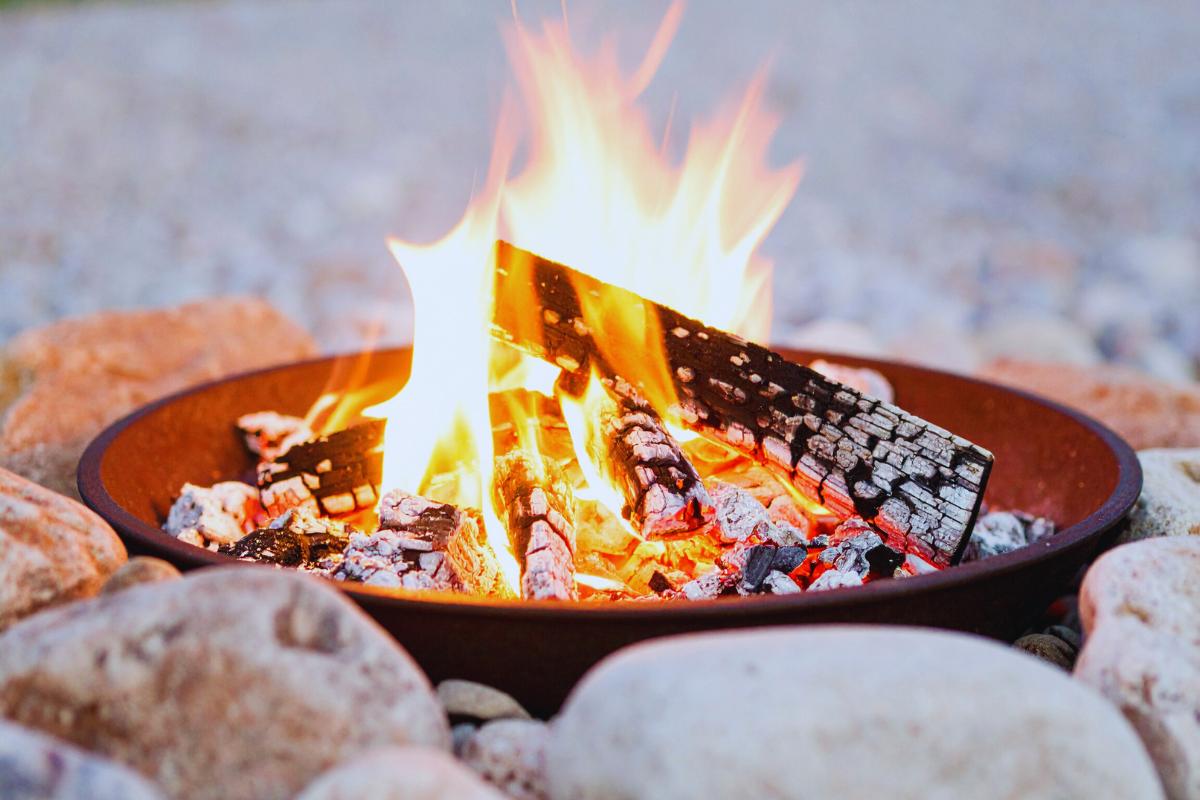
A firepit might look great in a catalogue, but appearance means very little if it can’t handle rain, wind, and repeated use. Thin metal bowls may be cheaper, but they often warp, rust, or burn through after a season or two.
In fact, statistics from Outdoor Living UK 2024 show that over 40% of low-cost firepits fail within two years, primarily due to corrosion or warping from wet weather. For UK gardens, thicker steel construction is key. Heavier ones hold heat better, burn fuel more efficiently, and handle changing temperatures better. Over time, good-quality steel develops a natural weathered finish rather than deteriorating, exactly what you want outdoors.
When looking for Firepits in UK, focus on suppliers who prioritise durability, stability, and long-term use rather than novelty designs. This will ensure you enjoy using it, season after season. Forest Fuel offers firepits in the UK that add warmth and atmosphere while keeping outdoor spaces relaxed and uncluttered
2. Think About Heat, Not Just Flames
A firepit should do more than look pretty. In the UK, its main job is to provide warmth that extends the outdoor season. Open-bowl designs distribute heat evenly, keeping everyone around the pit comfortable.
Studies from Home Outdoor Heating Trends 2023 suggest that UK families spend an average of 15–20 evenings per year outdoors, specifically due to having a firepit or other outdoor heater. Deeper bowls perform better because they allow logs to burn longer and produce more consistent warmth. Shallow or narrow designs can look stylish but often struggle to deliver real heat, especially during chilly autumn evenings when it matters most.
3. Make Sure It Works in Windy Conditions
Wind is an unavoidable factor in many UK gardens. A firepit that struggles in a breeze quickly becomes frustrating to use.
Heavier designs are more stable and less affected by wind, while deeper bowls help shield flames so they burn more consistently. Placement also matters, putting it in a sheltered part of the garden can make a noticeable difference.
According to the UK Weather Office, average wind speeds across the UK range from 7–12 mph, with coastal and elevated areas regularly exceeding this. Choosing a firepit designed to withstand these typical conditions will save you frustration and keep it usable year-round.
4. Consider How You’ll Actually Use It
Before buying, it helps to be honest about how you plan to use your firepit. Is it mainly for warmth, social evenings, or occasional outdoor cooking? Some double as simple cooking spaces with optional grills or plates. Others focus purely on heat and ambience.
The Outdoor Cooking Association UK reports that over 60% of owners use them for both warmth and casual cooking, from toasting marshmallows to grilling sausages. Matching your firepit to your lifestyle ensures it will be used regularly rather than gathering dust in the corner of the garden.
5. Prioritise Safety and Long-Term Use
A good firepit should feel safe and manageable, especially in family gardens. Stability is important; heavier firepits are less likely to tip during use. Placement is equally crucial: always position it on a non-flammable surface and away from fences, sheds, and overhanging branches.
Fuel choice also affects performance. Dry hardwood logs burn cleaner and hotter, producing less smoke and fewer sparks. Avoid treated wood or household waste, which can release harmful fumes. The British Safety Council recommends keeping a 2-metre clearance around open fires in domestic settings to reduce risk.
Investing in a firepit built for long-term use means fewer replacements and better value over time, something that’s often overlooked when buying cheaper options.
Firepits vs Chimineas
Firepits are often compared with chimineas. Chimineas are enclosed with a chimney that directs smoke upwards, which can be helpful in smaller spaces. Firepits, by contrast, are open and spread heat more evenly, making them ideal for group seating.
If warmth and shared outdoor time are your priorities, a firepit generally suits UK gardens better. Many households now combine both, using a chiminea for smoke control in tighter spaces and a firepit for social gatherings.
Choosing the right one in the UK isn’t about trends; it’s about practicality, safety, and longevity. British weather demands sturdy construction, good heat output, and designs that cope with wind and rain.
When chosen well, a firepit becomes more than a garden accessory. It transforms outdoor space into somewhere you want to spend time, even when the temperature drops. For those looking to explore quality options built for real-world UK conditions, checking choices in the UK is a sensible starting point, especially if durability, safety, and everyday usability matter more than short-term style.
Do you have anything like this in your garden? Would it be useful to help you spend more time outside in the spring or autumn when the weather is a little cooler? Let me know in the comments below.