
How to make a healthier Yorkshire pudding wrap you will love
We all love a traditional Sunday roast. There is something special about gathering the family for slices of meat, crispy potatoes, and steaming gravy. But sometimes you want all those flavours without the formality of a sit-down dinner. That is where the Yorkshire pudding wrap comes in.
This brilliant invention takes the best parts of a roast dinner and rolls them up into a giant, fluffy batter pudding. It is fun, it is messy, and it tastes incredible. You might see them sold at Christmas markets or local food stalls, often dripping with cheese and rich gravy. While delicious, those versions can be very heavy and high in calories.
The good news is that you do not have to give up this treat to stay healthy. With a few smart swaps and some cooking tips, you can make a lighter version at home. This guide will show you exactly how to create a delicious Yorkshire pudding wrap that fits into a balanced diet. We will cover everything from the perfect batter to safe cooking temperatures and tasty fillings.
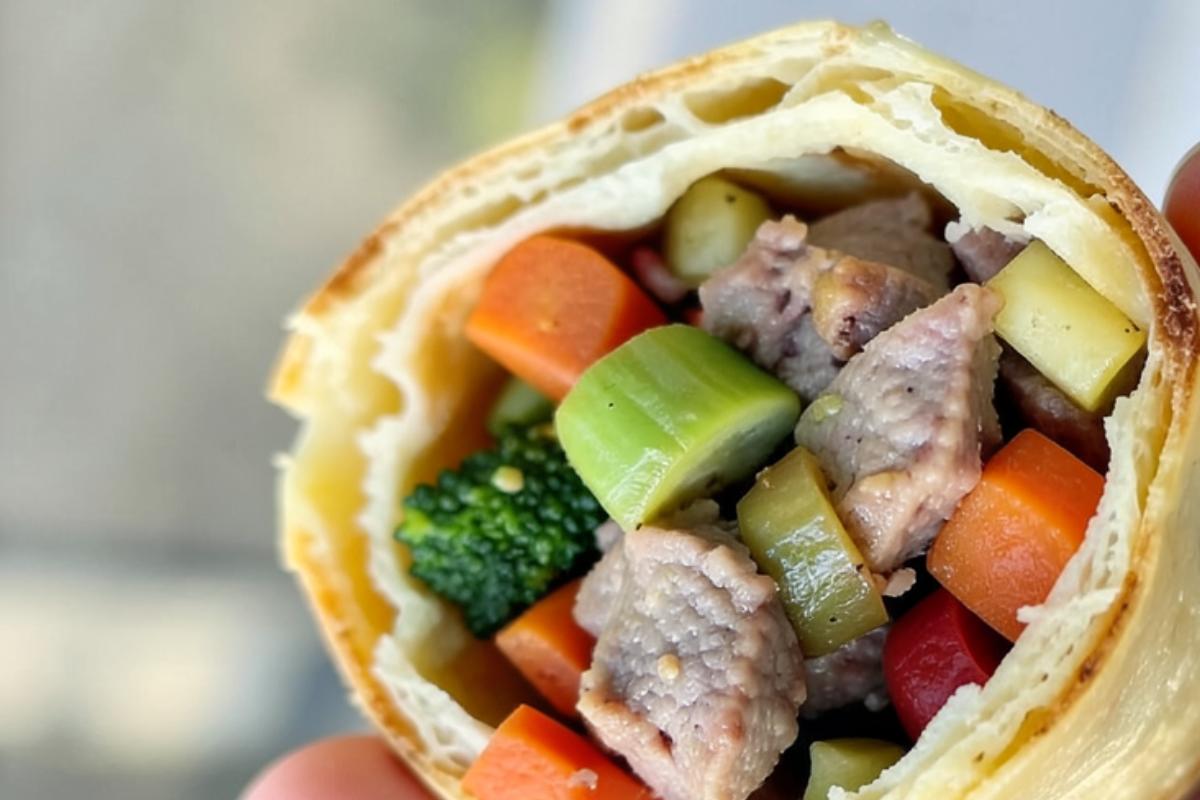
What exactly is a Yorkshire pudding wrap?
If you have never seen one before, imagine a large, flat Yorkshire pudding. Instead of being cooked in a small muffin tin to make individual puffs, the batter is poured into a large roasting tray. This creates a big, rectangular sheet of pudding.
Once cooked, you pile your fillings into the middle. You can add roast beef, chicken, stuffing, vegetables, and a drizzle of gravy. Then, you roll it up tight like a burrito. The result is a Yorkshire pudding wrap that is crispy on the outside and soft on the inside.
Many people enjoy sausage in Yorkshire pudding, traditionally known as toad in the hole. This wrap offers a similar experience but gives you more freedom to add extra vegetables and healthier fillings. It is a versatile meal that works for lunch, dinner, or even using up leftovers from the day before.
Making a lighter batter
The foundation of any good Yorkshire pudding wrap is the batter. The traditional recipe usually calls for equal parts plain flour, eggs, and whole milk, cooked in a generous amount of beef dripping or oil. To make this healthier, we can make a few adjustments without losing that famous puff.
Choosing your flour
Plain white flour is the standard choice because it is light and rises well. However, you can mix in some wholemeal flour to add a bit of fibre. Try replacing half of the plain flour with wholemeal flour. It might make the pudding slightly denser, but it adds a nutty flavour that works well with savoury fillings.
The milk factor
Whole milk adds creaminess, but semi-skimmed or skimmed milk works just as well for the batter. In fact, some cooks believe that skimmed milk actually helps the pudding rise higher because it is lighter. Swapping to a lower-fat milk is an easy way to cut down on saturated fat without changing the taste.
Oil and fat
The biggest source of calories in a traditional Yorkshire pudding is the fat used for cooking. You need hot fat to create the steam that makes the pudding rise. However, you do not need to fill the tray until it is swimming in oil.
Using a spray oil can help you control the amount you use. Alternatively, measure out just one or two teaspoons of a neutral oil like sunflower or vegetable oil. Make sure you brush it all over the tray so the batter does not stick. This small change makes a big difference to the final calorie count.
The perfect recipe method
Here is a simple way to make the base for your Yorkshire pudding wrap. This method ensures you get a good rise and a flexible texture that is easy to roll.
Ingredients:
- 140g plain flour
- 4 eggs
- 200ml semi-skimmed milk
- Salt and pepper
- 1 teaspoon sunflower oil (for the tin)
Method:
- Prep the oven: Preheat your oven to 220C (or 200C fan). It needs to be very hot. Put a large roasting tin (about 25cm x 35cm) on the middle shelf to heat up.
- Make the batter: Tip the flour into a bowl. Crack in the eggs and beat them together until smooth. Slowly add the milk while whisking. You want to get rid of all the lumps. Season with a pinch of salt and pepper.
- Let it rest: This is a crucial step. Pour your batter into a jug and let it sit for at least 30 minutes. This relaxes the gluten in the flour and helps you get a better rise.
- Heat the oil: Carefully take the hot tray out of the oven. Drizzle or brush your teaspoon of oil over the bottom. It should sizzle. If you are using spray oil, give it a quick coating now.
- Cook quickly: Pour the batter into the hot tin. It should cover the base evenly. Put it back in the oven immediately.
- Do not peek: Bake for 20 to 25 minutes. Do not open the oven door during this time. If you let the heat out, your pudding might collapse.
- Cool slightly: Once golden and puffed, take it out. Let it cool for a minute so it is easier to handle before adding fillings.
Choosing healthy fillings
Now comes the fun part. The filling is where you can turn a treat into a nutritious meal. A traditional roast dinner can be heavy, but your Yorkshire pudding wrap does not have to be.
Lean proteins
Instead of fatty cuts of lamb or beef, opt for lean proteins. Roast chicken breast or turkey slices are excellent choices. They are low in saturated fat but high in protein, which helps keep you feeling full.
If you crave red meat, choose lean roast beef and trim off any visible white fat before putting it in your wrap.
For fans of sausage in Yorkshire pudding, try using reduced-fat sausages or chicken sausages. You can roast these separately and then slice them lengthways to lay inside the wrap. This gives you that classic comfort food taste with far less grease.
Load up on vegetables
The NHS Eatwell Guide recommends that fruit and vegetables should make up over a third of the food we eat. A Yorkshire pudding wrap is the perfect vehicle for this.
Do not just stick to peas and carrots. Try roasting peppers, onions, courgettes, or tenderstem broccoli. Steamed spinach or kale adds great colour and vitamins without adding bulk. The more colourful vegetables you add, the better it is for you.
Gravy and sauces
Gravy brings the whole dish together, but it can be high in salt. Look for reduced-salt gravy granules or make your own using stock and meat juices. You only need a small amount inside the wrap to keep it moist. You can always serve a little pot on the side for dipping if you need more.
Avoid adding extra cheese or mayonnaise if you want to keep the calories down. The flavour from the meat, veg, and pudding is usually enough.
The “Sausage in Yorkshire Pudding” twist
We mentioned it earlier, but it is worth its own section because it is such a popular choice. Traditional toad in the hole is essentially sausage in Yorkshire pudding. It is a family favourite for a reason.
To make this work in a wrap format, you have to be careful with how you cook the sausages. According to the Food Standards Agency, minced meat products like sausages must be cooked all the way through. Unlike a steak, you cannot serve sausages pink. They need to be steaming hot in the middle with no pink meat visible.
If you want to include sausage in Yorkshire pudding wraps, cook your sausages first. Grill or bake them until they are browned and fully cooked. Then, slice them in half and lay them flat on your baked pudding sheet. This makes the wrap easier to roll than if you used whole round sausages.
Using high-quality, high-meat content sausages usually means less filler and less fat. You can also find vegetarian or plant-based sausages that work brilliantly in this dish.
Food safety tips
When you are dealing with roast dinners and leftovers, hygiene is very important. You want your meal to be safe as well as tasty.
Cooking temperatures
Whether you are roasting a whole chicken or cooking sausages for your Yorkshire pudding wrap, proper cooking temperatures are vital. Poultry and minced meat products should be cooked until the juices run clear. The Food Standards Agency suggests that food should reach a core temperature of 70°c for at least 2 minutes to ensure harmful bacteria are killed.
Handling leftovers
One of the best ways to make these wraps is using leftovers from a Sunday lunch. If you plan to do this, cool any leftover meat and vegetables quickly. Ideally, get them into the fridge within two hours of cooking.
When you reheat leftovers to put in your wrap, make sure they are steaming hot all the way through. Do not just warm them up; they need to be properly hot to be safe. Only reheat food once. If you have reheated chicken for your wrap, do not save it again for later.
Making it a balanced meal
A Yorkshire pudding wrap is delicious, but it is primarily made of refined carbohydrates (white flour). To make it a balanced meal, think about what you serve with it.
Since the wrap itself counts as your starchy carbohydrate, you do not really need roast potatoes on the side. Instead, serve your wrap with a large, fresh salad or a side of steamed greens. This helps balance out the richness of the batter and meat.
The NHS Eatwell Guide suggests that we should choose lower-fat and lower-sugar options where possible. By making your own batter and choosing lean fillings, you are already following this advice. Drinking a glass of water with your meal instead of a sugary fizzy drink is another simple way to keep things healthy.
Tips for the perfect roll
Rolling up a giant Yorkshire pudding wrap can be a bit tricky the first time you try it. Here are a few tips to stop it from falling apart.
- Do not overfill it: It is tempting to pile in the food, but if you add too much, the wrap will burst. Spread a layer of vegetables and meat down the centre, leaving a gap at the edges.
- Work quickly: The pudding is most flexible when it is warm. If you let it get cold and crispy, it might crack when you roll it.
- Use paper: Place a sheet of baking paper or foil under the pudding before you add the filling. You can use the paper to help lift and roll the pudding tightly.
- Secure it: Once rolled, you can wrap the paper around it to hold the shape, or use a cocktail stick to keep it closed while you eat.
Why this meal works for families
Getting the whole family to eat healthy meals can be a challenge. The great thing about a Yorkshire pudding wrap is that it feels like “fun” food. Kids often enjoy eating with their hands, and the novelty of a giant pudding is exciting.
The Yorkshire pudding wrap is also very customisable. You can put sausage in Yorkshire pudding for one person, roast chicken for another, and just roasted vegetables for a third. Everyone eats the same base meal, but you can adapt the fillings to suit picky eaters or dietary needs.
If you are trying to get more vegetables into your children’s diet, try chopping the veg small and mixing it with a little gravy inside the wrap. They are less likely to pick it out when it is wrapped up in tasty batter.
Frequently Asked Questions
Can I freeze the Yorkshire pudding wrap base?
Yes, you can. BBC Good Food notes that cooked Yorkshire puddings can be frozen for up to 1 month. Cook the large flat pudding as usual, let it cool completely, then wrap it well in cling film or foil. When you want to use it, you can heat it from frozen in a hot oven for about 10 minutes until it is warm and crispy again.
Can I make this a gluten-free Yorkshire pudding wrap?
You can make a gluten-free Yorkshire pudding wrap, but you will need to swap the plain flour for a gluten-free plain flour blend. You might also need to add a little cornflour to help with the texture. The rise might not be quite as high as with wheat flour, but it will still taste delicious.
What if my pudding does not rise?
This is the most common problem. Usually, it happens because the oil was not hot enough when the batter went in, or because the oven door was opened too soon. Make sure your oven is properly preheated and resist the urge to check on it until at least 20 minutes have passed.
Is roast beef healthy?
Roast beef can be part of a healthy diet. It is a good source of protein, iron, and zinc. However, it can be high in saturated fat. Choose lean cuts like topside or silverside, and trim the fat. The NHS recommends limiting red and processed meat to 70g per day, so keep your portion size moderate and bulk up the wrap with plenty of vegetables.
Can I cook the wrap in an air fryer?
You can cook a Yorkshire pudding wrap in an air fryer, but you will be limited by the size of the basket. You might have to make smaller, individual wraps rather than one giant one. You would cook them at about 200°C for 10 to 15 minutes. Just check the manual for your specific machine.
Final thoughts
Healthy eating does not mean you have to say goodbye to your favourite comfort foods. With a little creativity, you can enjoy all the flavours of a roast dinner in a lighter, more convenient package.
Whether you prefer lean chicken, roasted vegetables, or the classic taste of sausage in Yorkshire pudding, this meal is a winner. It is quick to prepare, reduces food waste, and brings a smile to everyone’s face.
So next time you are craving a roast but want something a bit different, get the flour and eggs out. Preheat that oven and give the Yorkshire pudding wrap a try.


