
7 Practical Ways to Reduce Shared Bathroom Clutter
This is a collaborative post.
Shared bathrooms quickly become cluttered when several people leave toiletries, towels and everyday essentials in the same small space. A workable system needs to be easy enough for everyone to follow, including children and busy adults rushing out in the morning.
These five practical changes can clear crowded surfaces, reduce duplicate purchases and make the room much easier to clean.
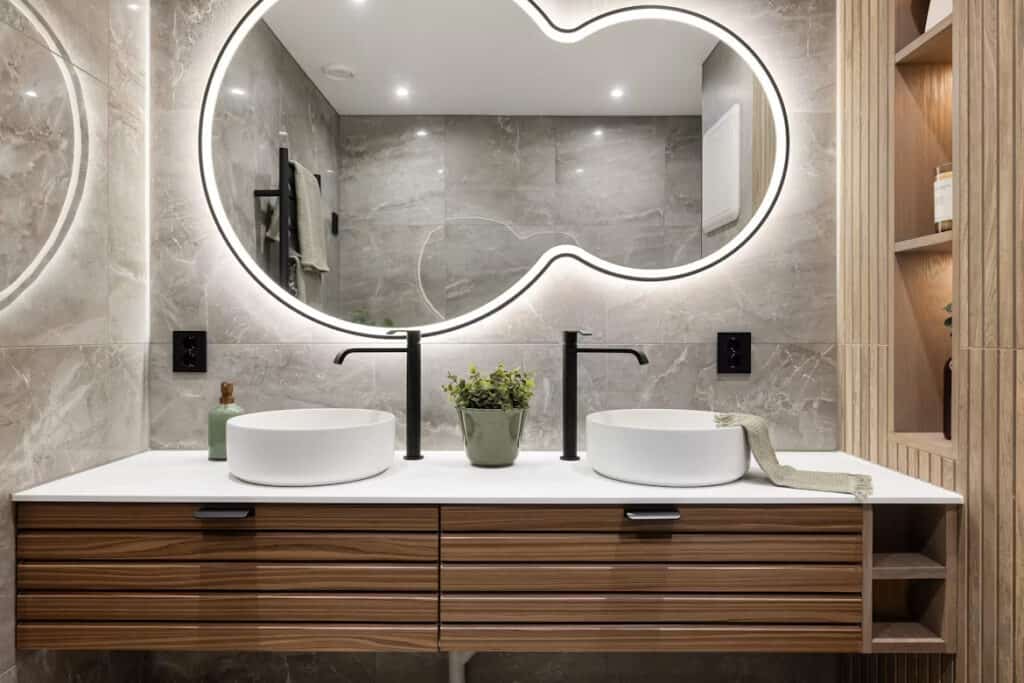
Image Credit: Unsplash
Audit What You Truly Use
Take everything out of the cupboards, drawers and shower area, then group similar products together. You may discover three open bottles of shampoo, expired skincare products or hotel toiletries that nobody intends to use. Clear containers and labelled baskets can make the items you keep easier to see.
Check expiry or period-after-opening symbols and dispose of unsuitable products according to their packaging. Put unopened extras in one back-up basket and keep only current products within easy reach. If an item hasn’t been used for several months, move it out of the bathroom or let it go.
Invest in Built-In Basin Storage
A pedestal sink may look neat, but it provides nowhere to hide toothpaste, hairbrushes or spare toilet rolls. A vanity with deep drawers or divided cupboards uses the area beneath the basin and keeps daily essentials off the floor.
For a family bathroom or an en suite used by two people, double basin vanity units can provide separate washing areas and useful built-in storage. Before choosing one, measure the available width, door clearance and plumbing position. Think about what will live inside too. Drawers often suit smaller toiletries, while cupboards can accommodate tall cleaning bottles and bulky packs. Internal organisers stop small items from disappearing at the back.
Make Use of Walls and Doors
When cupboard and drawer space is limited, use overlooked vertical surfaces. Install shallow shelves above the toilet, add hooks behind the door or mount a rack inside a cupboard door for lightweight items. Adhesive organisers can work well where drilling is unsuitable, provided they are designed for humid rooms and applied within their stated weight limit.
Use this space selectively so the bathroom does not simply become cluttered at eye level. Hooks are ideal for individual towels, while narrow shelves can hold neatly contained spare supplies. Avoid placing heavy objects above the toilet or anywhere they could fall into the basin or bath. Keeping the floor clear also makes the room easier to clean and gives a compact shared bathroom a more spacious feel.
Assign Zones for Every Person
Give each person a defined drawer, shelf or removable caddy. Colour-coded containers work well for children, while simple name labels prevent arguments over whose products are taking up space. Shared essentials such as hand soap and toothpaste can have a central zone, but personal items should return to their assigned places after use.
Keep the most frequently used products between waist and eye level. Spare supplies can sit higher up and cleaning products should be stored securely away from young children. For awkward cupboards, practical bathroom storage tips include ideas for using baskets, drawer dividers and vertical space. A clear zone system also shows when one person has accumulated too much.
Review the zones every few months as routines and needs change. Children may require more accessible storage as they become independent, while seasonal products can be moved elsewhere when they aren’t in use. If one area regularly overflows, adjust the container or reduce its contents rather than allowing items to spread into shared spaces.
Create a Simple Towel System
Wet towels quickly make a shared bathroom feel untidy and can develop an unpleasant smell when they are folded or piled together. Give each person a separate hook or rail with enough space for their towel to dry properly. Coloured towels, stitched initials or labelled hooks can help family members recognise their own without creating confusion.
Avoid hanging several damp towels on the same hook, as restricted airflow slows drying. If wall space is limited, consider an over-door rail, freestanding towel ladder or hooks mounted at different heights. Place children’s hooks within easy reach so they can hang their own towels without assistance.
Keep only the towels currently in use inside the bathroom. Store clean replacements in a nearby linen cupboard or labelled basket rather than filling valuable bathroom shelves. Set a regular laundry schedule and provide a ventilated hamper for used towels. A predictable system prevents damp items from ending up on the floor, over the bath or across the countertop.
Organise Countertops Daily
Limit the countertop to items used every day, such as hand soap and a toothbrush holder. Put everything else in a drawer, cupboard or caddy as soon as you’ve finished with it. This keeps bottles away from splashes and gives you a clear surface that takes seconds to wipe down.
A small tray can contain the few products that must remain visible. Choose one that fits comfortably beside the basin without obstructing taps or taking over the washing area. Build a one-minute reset into the evening routine: return products, hang towels and place clothes in the laundry basket. In a shared bathroom, this quick habit prevents one person’s morning clutter from becoming everybody else’s problem.
Adopt a One-In One-Out Rule
Bathroom storage has a fixed capacity, so use a one-in one-out rule for products that tend to multiply. When a new moisturiser, hair product or towel comes into the room, finish, relocate or discard an existing one from the same category. This is especially useful for impulse purchases and partly used toiletries.
Keep replacements in one designated container and check it before shopping. Seeing two unopened shower gels at a glance makes another purchase less tempting. You can also set a physical limit, such as one basket for spare products per person. Once it is full, nothing else enters until space becomes available. The container creates a clear boundary without requiring a complicated inventory.
A shared bathroom stays manageable when every item has a home and every user knows where that home is. Once the countertop is clear, protect that space with the nightly one-minute reset, especially after the busiest morning of the week.