The Best Smoothie Recipes for Weight Loss
Smoothies get a bad reputation sometimes. And honestly, fair enough. Grab one from a coffee shop or a supermarket fridge, and you might be looking at more sugar than a can of fizzy drink. But make smoothie recipes for weight loss at home with the right ingredients? That is a completely different story.
The good news is that smoothie recipes for weight loss do not have to taste like punishment. With a bit of know-how, you can make drinks that are genuinely filling, packed with nutrients, and actually enjoyable. This post covers everything you need to know: what makes a smoothie good for weight loss, what to watch out for, and a handful of recipes worth trying.
What Makes a Smoothie Good for Weight Loss?
Not all smoothies are created equal. The best smoothie recipes for weight loss tend to share a few key features.
Protein keeps you full. When you add a source of protein to your smoothie, whether that is Greek yoghurt, a scoop of protein powder, or nut butter, it helps you feel satisfied for longer. The British Dietetic Association notes that protein plays a vital role in many bodily functions, including maintaining muscle, which matters when you are trying to lose weight.
Fibre slows things down. Fibre-rich ingredients like oats, spinach, and berries help slow digestion, which means your blood sugar stays more stable and you are less likely to reach for a biscuit an hour later. According to the BDA, people who are overweight tend to lose more weight when they include plenty of high-fibre foods in their diet.
Whole ingredients beat juice every time. When you blend whole fruit, you keep the fibre. When you juice it, you lose it. The NHS advises limiting fruit juice and smoothies to a combined total of 150ml per day because crushing fruit releases the natural sugars, which can affect your teeth and blood sugar levels. A properly blended smoothie made with whole fruit is a much better option. So remember, whole fruits in smoothie recipes for weight loss are better than juicing.
Watch the added sugar. Shop-bought smoothies often contain syrups, fruit juice concentrates, or flavoured yoghurts that push the sugar content sky-high. The CDC recommends keeping added sugars below 10% of your total daily calories, which is around 50g for most adults. Making your smoothies at home puts you in control of exactly what goes in.
If you want to read more about which so-called healthy drinks are worth avoiding, my post on healthy foods to avoid on your diet is worth a look.
The Best Smoothie Recipes for Weight Loss
Here are some good smoothie recipes for weight loss to try. Each one is straightforward to make, uses easy-to-find ingredients, and has been put together with weight loss in mind.
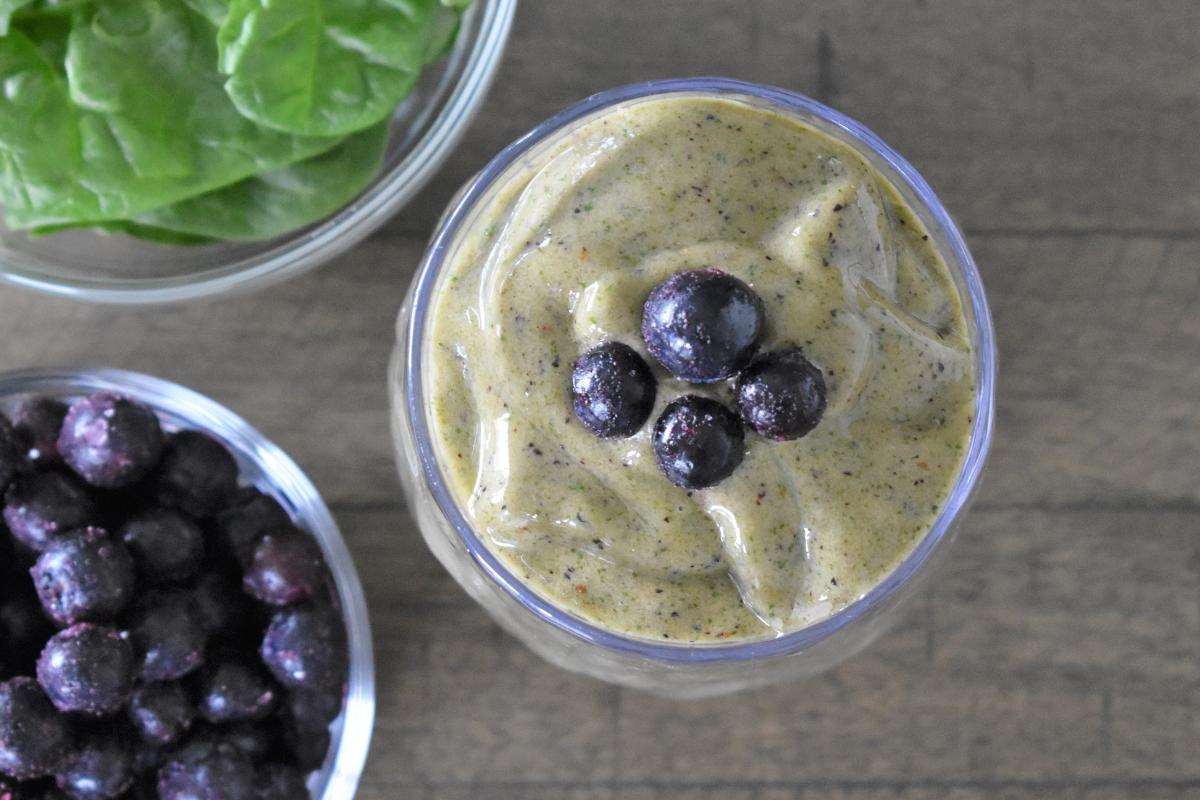
1. Blueberry, Spinach and Honey Smoothie
This one looks a bit unusual, but tastes brilliant. The spinach adds iron and nutrients without affecting the flavour, and the blueberries bring antioxidants and a natural sweetness.
Ingredients (makes 2 servings):
- 1 ripe banana (fresh or frozen)
- 150g frozen mango chunks
- 75g frozen blueberries
- 120ml vanilla almond milk (or any milk you prefer)
- 1 tablespoon of honey
- A large handful of fresh baby spinach (about 40g)
Method: Add everything to a blender, liquids first, and blend on high for around 60 seconds until smooth. Add a little more milk if it is too thick.
Each serving comes in at around 164 calories, with 2.4g of protein and just 1.4g of fat. For the full recipe and tips on variations, head over my blueberry, spinach and honey smoothie post.
2. Berry Protein Smoothie
This one is great as a breakfast replacement or a post-workout snack. The Greek yoghurt adds a protein boost, while the frozen berries keep it thick and cold without needing ice.
Ingredients (makes 1 serving):
- 100g frozen mixed berries
- 150g plain Greek yoghurt (0% fat works well)
- 150ml unsweetened almond milk
- 1 tablespoon of oats
- A small drizzle of honey, optional
Method: Blend everything together until smooth. Serve straight away.
The oats add fibre, the yoghurt adds protein, and the berries keep the sugar content low compared to tropical fruits. This is a filling combination that works well when you need something quick in the morning.
3. Green Banana Smoothie
Green smoothies get a bad reputation when looking for smoothie recipes for weight loss, but this one is genuinely good. The banana adds natural sweetness and a creamy texture, and the kale or spinach disappears into the blend completely.
Ingredients (makes 1 serving):
- 1 frozen banana
- A large handful of kale or spinach
- 200ml unsweetened oat milk
- 1 tablespoon of peanut butter
- A few ice cubes if needed
Method: Add the oat milk first, then the rest of the ingredients. Blend until completely smooth.
The peanut butter adds healthy fats and protein, which helps to keep hunger at bay. It also makes it taste much more like a treat than a diet drink.
4. Mango and Ginger Smoothie
If you find plain fruit smoothies a bit dull, adding ginger gives a real kick and brings anti-inflammatory benefits alongside it.
Ingredients (makes 1 serving):
- 150g frozen mango chunks
- 1 small carrot, peeled and roughly chopped
- A 1cm piece of fresh ginger, peeled
- 150ml coconut water
- Juice of half a lime
Method: Blend everything on high until smooth. Add a little more coconut water if needed to reach your preferred consistency.
Carrots add fibre and natural sweetness, while coconut water keeps the calorie count low and adds electrolytes. This is a refreshing option for warmer days.
5. Oat and Banana Breakfast Smoothie
Sometimes you want something substantial enough to replace breakfast. This one does the job without being heavy or overly complicated.
Ingredients (makes 1 large serving):
- 1 banana (preferably frozen)
- 2 tablespoons of rolled oats
- 200ml semi-skimmed milk or oat milk
- 1 tablespoon of almond butter
- A pinch of cinnamon
Method: Blend until smooth. The oats will thicken the smoothie slightly, so add extra milk if needed.
The oats and almond butter make this genuinely filling, and cinnamon helps to support more stable blood sugar levels, which can reduce cravings later in the day.
Tips for Making Smoothie Recipes for Weight Loss
Getting the right smoothie recipes for weight loss is only part of it. Here are a few habits that make a real difference.
Use frozen fruit. Frozen fruit is just as nutritious as fresh, often cheaper, and gives your smoothie a thicker, colder texture without needing to add ice. It also means less food waste because you use exactly what you need and put the rest back in the freezer.
Stick to low-sugar fruits where possible. Berries are your best friends here. Strawberries, blueberries, raspberries, and blackberries are all low in sugar compared to tropical fruits like mango or pineapple. That said, a small amount of mango or banana adds creaminess and natural sweetness without being a problem.
Do not add fruit juice. Fruit juice removes the fibre and concentrates the sugar. Use water, unsweetened plant milk, or coconut water as your base instead. If you want to learn more about how to get juicing right, my guide on making juicing part of a healthy diet covers the basics well.
Add something filling. A smoothie made of just fruit and milk will leave you hungry by mid-morning. Adding oats, nut butter, seeds, or yoghurt gives it staying power.
Watch your portions. Even a healthy smoothie adds calories. If you are using a smoothie as a meal replacement, that is fine. If you are having it alongside a full breakfast, be mindful of the overall calorie intake for the day.
What to Avoid in Weight Loss Smoothies
It is worth being aware of a few ingredients that can turn a healthy smoothie into something less helpful for weight loss.
Flavoured yoghurts can contain up to 20g of sugar per small pot. Use plain Greek yoghurt and sweeten it yourself with a little honey if needed.
Pre-made smoothie mixes and shop-bought options often hide syrups, added sugars, and fruit juice concentrates. Making your smoothies at home means you know exactly what you are drinking.
Too much honey or maple syrup. A small drizzle is fine, but these are still sources of sugar. If your fruit is ripe, you often do not need any sweetener at all.
Full-fat flavoured milk or cream. These add unnecessary calories with little nutritional benefit to smoothie recipes for weight loss.
Frequently Asked Questions – Smoothie Recipes for Weight Loss
Can smoothies replace a meal when trying to lose weight?
Yes, they can, as long as they contain a good source of protein, fibre, and healthy fats. A smoothie made from just fruit and juice would not be filling enough on its own. Add Greek yoghurt, oats, nut butter, or seeds to make it more substantial.
How often should I have a smoothie for weight loss?
There is no fixed rule. Once a day is a sensible approach for most people. Having a smoothie as a breakfast replacement is a popular strategy because it is quick, easy, and can be prepared in minutes.
Are green smoothies good for weight loss?
Yes, genuinely. Adding spinach or kale to a smoothie boosts the fibre and nutrient content without adding much sugar. The colour looks a bit alarming, but the taste is usually much milder than you would expect.
Is it better to eat fruit whole rather than blend it?
Eating whole fruit is slightly better because blending breaks down some of the fibre structure. That said, blended smoothies still retain far more fibre than juiced drinks, making them a solid choice. The NHS recommends treating smoothies similarly to fruit juice if they are very liquid, so keeping them thick and including vegetables where you can is a good habit.
Can I make smoothies ahead of time?
You can store a blended smoothie in a sealed jar in the fridge for up to 24 hours. Give it a good shake or stir before drinking because it may separate a little. Freshly made is always best, but prepping the night before is a perfectly reasonable shortcut.
Making Smoothie Recipes for Weight Loss Work for You
Smoothie recipes for weight loss work best when they are part of a balanced, realistic approach to eating. They are not a quick fix, but they are a genuinely useful tool. They are fast to make, easy to customise, and can pack a lot of nutrition into one glass.
Start with one recipe that appeals to you, try it for a week, and see how it fits into your routine. Small, consistent changes tend to be far more effective than dramatic overhauls that are hard to stick to. A smoothie that you actually enjoy and look forward to is worth much more than perfect smoothie recipes for weight loss you never make.