Vitamin A: What It Does, How Much You Need and the Best Foods to Eat
Vitamin A probably isn’t one of the vitamins you think about very often.
Vitamin D gets talked about constantly in the UK, iron tends to come up whenever somebody is tired, and vitamin C has somehow been associated with oranges and avoiding colds for as long as I can remember. Vitamin A tends to sit rather quietly in the background.
It’s still an important nutrient, though, particularly for our eyesight, immune system and the health of our skin and other tissues.
The slightly confusing thing about vitamin A is that it doesn’t all come from the same place. We can get ready-made vitamin A, known as retinol, from animal foods, while certain plant foods contain carotenoids such as beta-carotene that our bodies can convert into vitamin A.
There’s another important difference between vitamin A and some of the other vitamins we hear about. More isn’t necessarily better.
Most people eating a varied diet should be able to get enough vitamin A from food without deliberately trying to increase their intake, and taking large amounts of vitamin A in supplements can actually be harmful.
So, rather than simply giving you a list of vitamin A foods and telling you to eat more of them, here’s what is actually worth knowing.
What does vitamin A do?
One of vitamin A’s best-known roles is helping us see normally, particularly in lower light.
Vitamin A is involved in the process that allows the retina in your eye to respond to light, which is why vitamin A deficiency can affect night vision. The NHS lists helping vision in dim light as one of its important functions.
It also has a role in keeping the immune system working normally. Part of this involves maintaining tissues and linings in areas such as the nose, while vitamin A is also involved in normal cell growth and development.
This doesn’t mean that eating extra carrots will somehow give you superhuman eyesight or prevent you from getting ill. It means that getting enough vitamin A is one part of providing your body with the nutrients it needs to function normally.
That’s quite a different claim, and probably not one that’s going to sell many supplements!
Retinol and beta-carotene aren’t quite the same thing
This is probably the most useful thing to understand when you’re looking at vitamin A foods.
There are two main ways we get vitamin A from our diet.
Preformed vitamin A, which includes retinol, is found in animal foods. Your body can use this form of vitamin A directly.
Provitamin A carotenoids, including beta-carotene, are found in plant foods. Your body converts some of these carotenoids into vitamin A when it needs them.
Beta-carotene is also one of the pigments responsible for the lovely orange, yellow and red colours in many fruits and vegetables, although you’ll find it in dark green vegetables too.
This means somebody following a plant-based diet doesn’t need to eat animal products simply to obtain vitamin A. Foods containing beta-carotene can provide what the body needs to make it.
Which foods are high in vitamin A?
If you eat a reasonably varied diet, there’s a good chance you’re already getting vitamin A without thinking about it.
Sources of retinol include eggs, cheese, milk, yoghurt and oily fish such as salmon, sardines, trout, herring and mackerel. Some spreads are fortified with vitamin A too.
Liver is an exceptionally rich source.
In fact, liver contains so much vitamin A that this is one occasion where describing a food as “packed with vitamins” doesn’t necessarily mean you should eat as much as possible. The NHS recommends not eating liver or liver products such as pâté more than once a week because regularly consuming them could result in too much vitamin A.
Plant sources are probably more familiar because many of them are the colourful vegetables we’re already encouraged to include in our diets.
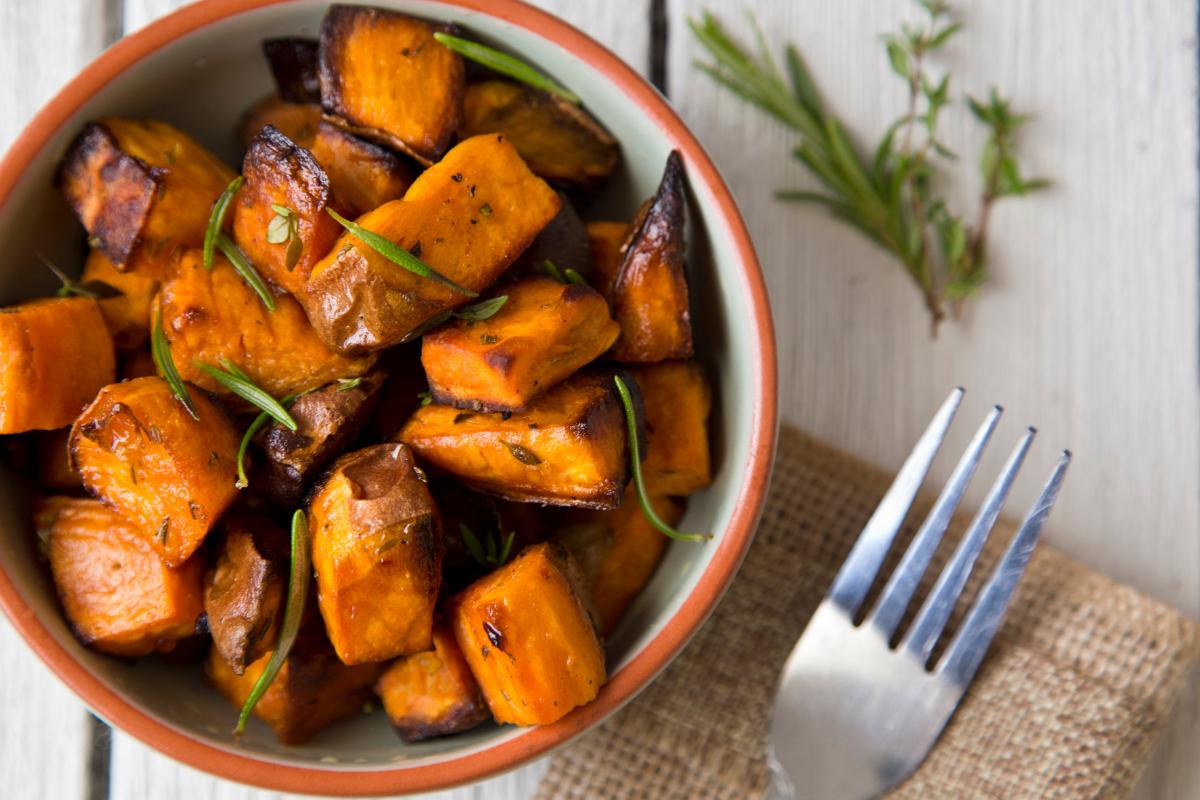
Carrots and sweet potatoes are excellent examples, along with red peppers, spinach and other leafy green vegetables. Fruits including mango, papaya and apricots provide beta-carotene too.
I quite like this because it means you don’t really need to build your meals around “getting your vitamin A”. A sweet potato with dinner, spinach thrown into a curry, some red pepper in a stir-fry or eggs for breakfast can all contribute as part of an ordinary varied diet.

How much vitamin A do adults need?
According to NHS guidance, adults aged 19 to 64 need approximately 700 micrograms (µg) of vitamin A a day for men and 600 micrograms a day for women.
You may also see vitamin A amounts described as retinol equivalents, or RE, because this allows the different forms of vitamin A in foods to be compared.
There’s no need to start calculating the micrograms in every carrot you eat.
The NHS says we should generally be able to get all the vitamin A we need by eating a varied and balanced diet.
Vitamin A is also stored by the body, primarily in the liver, so unlike nutrients that need to be replenished constantly, you don’t necessarily need to consume exactly the recommended amount every single day.
Looking at your overall diet makes much more sense than trying to hit a precise vitamin A target at breakfast, lunch and dinner.
Can you have too much vitamin A?
Yes, and this is an important part of the subject that the previous version of this article didn’t explain properly.
Vitamin A is fat-soluble, which means your body can store it. If you regularly consume excessive amounts of preformed vitamin A, those stores can build up.
The NHS advises that having more than an average of 1.5 mg, or 1,500 micrograms, of vitamin A per day over many years may affect bone health and potentially increase the risk of fractures later in life.
This is particularly relevant if you regularly eat liver or take supplements containing vitamin A.
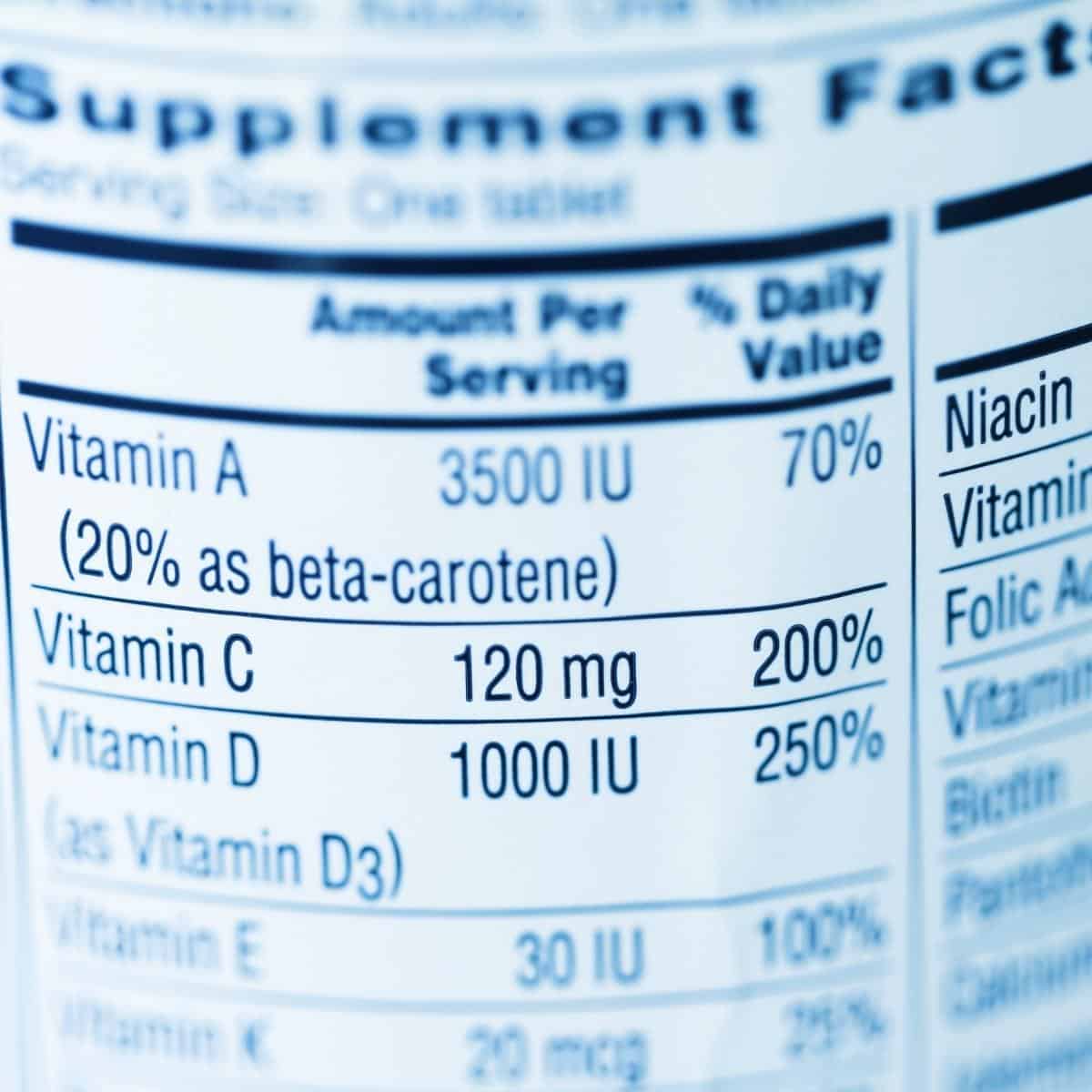
If you’re taking a multivitamin, it’s worth checking the label rather than automatically assuming that adding another vitamin supplement must be beneficial. Fish liver oils can contain vitamin A too.
This is one of the reasons I’m increasingly cautious when writing about vitamins and supplements. We hear so much about deficiencies that it’s easy to assume the healthiest approach is to get as much of every vitamin as possible.
Nutrition doesn’t really work like that.
For most nutrients, there’s an appropriate amount rather than a competition to see how much you can consume.
What about beta-carotene from vegetables?
There’s an important distinction here.
Eating beta-carotene naturally through foods such as carrots, spinach, peppers and sweet potatoes isn’t considered the same risk as consuming excessive amounts of preformed vitamin A.
Your body regulates how much beta-carotene it converts into vitamin A, and the NHS says there’s no evidence that beta-carotene obtained from food is harmful.
If you eat a truly enormous amount of beta-carotene-rich food, you can potentially develop a harmless condition called carotenoderma, where the skin takes on a yellow-orange colour. That isn’t vitamin A toxicity and normally resolves when beta-carotene intake is reduced.
Supplements are a different matter.
High-dose beta-carotene supplements have been associated with an increased risk of lung cancer in people who smoke or have previously been heavily exposed to asbestos. The Department of Health and Social Care therefore advises people who smoke or have been exposed to asbestos not to take beta-carotene supplements.
Yet another reason why “it’s just a vitamin” doesn’t automatically mean a supplement is harmless.
Vitamin A during pregnancy needs particular care
If you’re pregnant or trying to become pregnant, this is one area where the advice is especially important.
The NHS advises against taking supplements containing vitamin A in the form of retinol during pregnancy because too much vitamin A can harm a developing baby. That includes cod liver oil.
Pregnant women are also advised to avoid liver and liver products because of their very high vitamin A content.
This doesn’t mean you need to avoid carrots, sweet potatoes and other foods containing beta-carotene. The concern is excessive preformed vitamin A rather than the beta-carotene naturally present in fruit and vegetables.
If you’re pregnant and unsure about a supplement you’re taking, check the label and speak to your midwife, pharmacist or doctor rather than guessing.

Do you need a vitamin A supplement?
Most people don’t.
If you’re eating a varied diet containing some of the foods I’ve mentioned above, the NHS says you should normally be able to obtain the vitamin A you need from food.
There are circumstances where vitamin A deficiency can occur, and some medical conditions can affect the way nutrients are absorbed. That’s different from taking a supplement “just in case”.
If you’re concerned that you might have a vitamin deficiency, I’d much rather you discuss it with a healthcare professional than start taking high-dose supplements based on symptoms you’ve matched to an online checklist.
Tiredness, skin problems and changes in eyesight can have all sorts of causes, and adding supplements without knowing what you’re treating isn’t always as harmless as it sounds.
Can you be deficient in vitamin A?
Vitamin A deficiency is uncommon in people who have access to a varied diet, although it remains a significant problem in some parts of the world.
One of the classic signs of severe deficiency is difficulty seeing in low light or night blindness because of vitamin A’s role in normal vision.
Deficiency can also affect immune function and the health of tissues around the body.
In the UK, somebody with a significant vitamin A deficiency may have another reason for it rather than simply not eating enough carrots. Certain conditions affecting digestion or fat absorption, for example, can make absorbing fat-soluble vitamins more difficult.
If deficiency is suspected, that’s something to investigate properly rather than trying to diagnose yourself from one symptom.
Does vitamin A help your skin or acne?
Vitamin A does have an important role in normal skin health, but this is another area where it’s easy for a genuine biological function to turn into an exaggerated beauty claim.
Some medicines derived from vitamin A, known as retinoids, are used to treat skin conditions including acne. Isotretinoin is probably the best-known example for severe acne.
That does not mean taking vitamin A supplements is a DIY acne treatment.
Prescription retinoids are medications used under medical supervision, and excessive vitamin A can be harmful. If you’re struggling with acne, particularly if it’s severe or affecting your confidence, proper acne treatment is considerably more appropriate than buying a high-dose vitamin supplement.
Eating a balanced diet that provides enough vitamin A supports normal skin health, but more vitamin A doesn’t automatically mean better skin.
Do carrots really help you see in the dark?
There is a tiny bit of truth hidden underneath this one, although sadly eating carrots isn’t going to turn you into a cat.
Carrots contain beta-carotene, which your body can convert into vitamin A, and vitamin A is necessary for normal vision in low light.
If somebody is genuinely deficient in vitamin A, correcting that deficiency can therefore improve problems with night vision caused by the deficiency.
If you already get enough vitamin A, however, eating extra carrots won’t keep upgrading your eyesight.
It’s a good example of how nutrition myths often begin with something scientifically true and then grow considerably more exciting as they’re repeated.
The easiest way to get enough vitamin A
For most of us, vitamin A really doesn’t need to be complicated.
Eat a varied diet with plenty of different fruit and vegetables and, if they’re part of your diet, foods such as eggs, dairy products and oily fish. There’s no need to obsess over individual nutrients or buy special foods simply because they have vitamin A written on the packaging.
Carrots, peppers, spinach and sweet potatoes are all foods I’d be eating anyway because they bring plenty of other nutrients and fibre to my diet too.
That’s generally how I prefer to think about nutrition now. Rather than trying to find a miracle vitamin or concentrating on one nutrient in isolation, I’m much more interested in eating a variety of foods that collectively give my body what it needs.
Vitamin A matters.
Getting enough of it matters.
But, as with so many things in nutrition, more isn’t automatically better.