Good Carbs vs Bad Carbs: Is There Really Such a Thing?
For years, I thought carbohydrates were one of those things I needed to be careful about if I wanted to lose weight.
Bread, pasta, potatoes, rice – they’re exactly the foods that seem to get blamed whenever weight loss isn’t going to plan. You’ve probably heard someone say they’re “cutting out carbs” or that bread makes you gain weight.
Then there are all the lists online telling us which carbs are “good” and which are “bad”.
The more I’ve thought about my own relationship with food, though, the less I like describing foods in this way.
I’ve spent enough years thinking I’d been “good” because I’d eaten certain things and “bad” because I’d eaten something else. I don’t think attaching morality to a slice of bread is particularly helpful!
There are nutritional differences between different sources of carbohydrate, of course. Wholemeal bread isn’t nutritionally identical to a chocolate biscuit.
That doesn’t make one good and the other evil.
So let’s look at what people actually mean when they talk about good carbs and bad carbs, which carbohydrate foods are useful to eat more often and why you probably don’t need to be frightened of eating potatoes.
What actually are carbohydrates?
Carbohydrate is one of the main nutrients in our diet, alongside protein and fat.
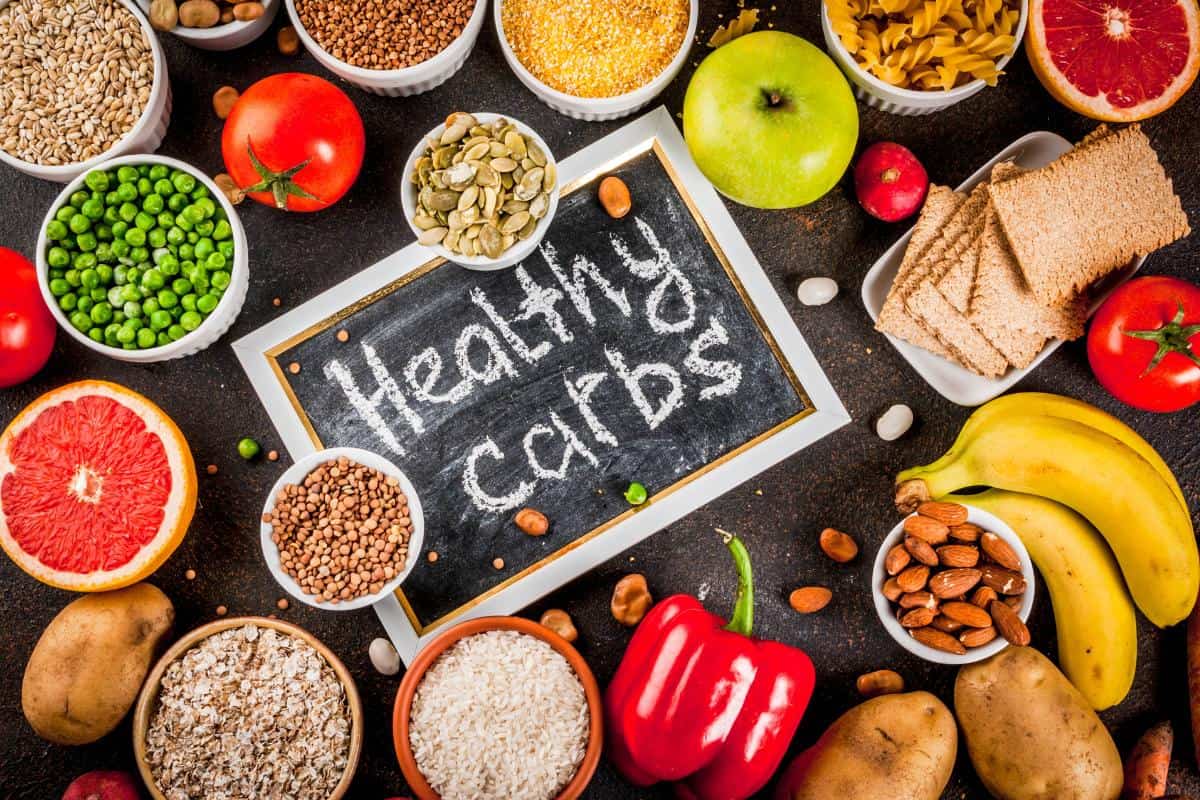
You’ll find carbohydrates in a huge range of foods including bread, pasta, rice, potatoes, oats, fruit, vegetables, beans, lentils, milk, cakes, biscuits and sweets.
There are different types of carbohydrate, including sugars, starches and fibre. Our bodies break down digestible carbohydrates into glucose, which can then be used for energy.
Fibre behaves differently because we can’t completely digest it, but it has important roles in our digestive health. So already you can see why saying “carbs are bad” doesn’t make much sense.
A lentil, banana, potato and jelly baby all contain carbohydrate, but they’re hardly nutritionally identical foods.
Are there really good carbs and bad carbs?
Not really. They’re convenient phrases rather than proper nutritional categories.
Usually, when someone talks about “good carbs”, they’re referring to foods such as:
- wholegrains
- oats
- potatoes
- beans and lentils
- fruit
- vegetables
These foods can provide carbohydrate alongside useful nutrients such as fibre, vitamins and minerals.
Meanwhile, “bad carbs” usually refers to things such as sweets, cakes, biscuits, sugary drinks and highly refined foods.
The problem is that this puts foods into two incredibly simplistic boxes.
Even white bread, pasta and rice frequently end up on lists of “bad carbs”, and I don’t think that’s particularly useful.
White pasta isn’t nutritionally worthless. Neither is white bread. And eating a bowl of white rice with a curry doesn’t suddenly make your meal unhealthy.
A better question is what am I getting from this food and how does it fit into everything else I’m eating?
Why are wholegrain carbohydrates usually recommended?
This is where there is a meaningful nutritional difference.
Wholegrain versions of bread, rice and pasta generally contain more fibre than refined versions because more of the grain has been retained during processing.
Fibre is something most of us in the UK could do with eating more of. Adults are advised to aim for around 30g a day.
Higher-fibre foods can also be more filling, which can be particularly useful if you’re trying to manage your weight and frequently find yourself hungry between meals.
This is why swapping white bread for wholemeal, white pasta for wholewheat or choosing brown rice sometimes can be an easy way to increase your fibre.
But notice I said sometimes.
You haven’t ruined your diet because you prefer white pasta.
What if I hate brown rice and wholemeal pasta?
Then don’t force yourself to eat food you dislike purely because someone on Instagram told you it’s healthier.
There are plenty of other ways to get fibre.
You could eat porridge for breakfast, add beans or lentils to meals, eat more fruit and vegetables or leave the skin on your potatoes.
You could even mix things up.
Have wholemeal toast at breakfast and white rice with dinner.
Nutrition doesn’t have to involve finding the theoretically “best” version of every single thing you eat.
Personally, I think that’s where healthy eating can start becoming unnecessarily exhausting.
Are potatoes bad carbs?
No!
Poor potatoes really have suffered from the anti-carb reputation.
Potatoes are a starchy carbohydrate and can absolutely form part of a balanced diet. If you eat the skin too, you’re getting additional fibre.
What makes an enormous difference is what we do with them.
A jacket potato is different nutritionally from deep-fried chips covered in cheese, but that doesn’t mean chips are forbidden either.
They’re simply different foods that I’d probably eat in different amounts and at different frequencies.
The potato itself isn’t the problem.
Is bread bad for weight loss?
Bread is another food that seems to acquire magical weight-gaining properties whenever dieting is mentioned.
You don’t need to stop eating bread simply because you’re trying to lose weight.
Weight loss depends on your overall energy intake over time rather than whether a sandwich crossed your lips at lunchtime.
Higher-fibre breads can be useful because they contribute more fibre and may be more satisfying, but if you prefer white bread there are higher-fibre white options available too.
And sometimes I just want white toast.
That’s allowed!
Is pasta fattening?
Pasta doesn’t automatically make you gain weight either.
Again, the overall amount you’re eating matters.
Where pasta meals can become particularly calorie-dense is often everything that accompanies the pasta – large portions, creamy sauces, lots of cheese or oil, for example.
That doesn’t make those things bad either, but it does help explain why blaming the carbohydrate alone isn’t particularly useful.
If you’re trying to make a pasta meal more filling, I’d think about the whole plate.
Could you add vegetables?
Is there a decent source of protein?
Would wholewheat pasta give you some extra fibre?
That’s much more useful than simply declaring pasta off-limits.
What about sugar?
Sugar is a carbohydrate too, but there’s an important distinction between sugars naturally present in foods such as fruit and milk and the free sugars added to or released in foods and drinks.
Fruit contains sugar, but it also gives you fibre, vitamins and other nutrients.
A sugary fizzy drink provides something quite different.
That doesn’t mean you need to panic about eating a banana because you’ve heard sugar is bad.
When looking at your diet overall, it’s generally much more useful to pay attention to foods and drinks that contribute lots of free sugars than to worry about naturally occurring sugar in whole fruit.
Do carbs cause blood sugar spikes?
This is another area where online nutrition advice can become ridiculously black and white.
Carbohydrate-containing foods can affect blood glucose, but the response isn’t simply “bad carb equals spike, good carb equals stable blood sugar”.
The type and amount of carbohydrate matter, but so do things such as fibre and what else you’re eating alongside it.
This becomes particularly important if you have diabetes or another condition where you need to manage blood glucose. In that situation, personalised advice from your diabetes team or a registered dietitian is far more useful than a generic list of supposedly good and bad carbs on the internet.
For everyone else, choosing higher-fibre carbohydrate foods regularly is a sensible approach without needing to obsess over every change in blood sugar after eating.
Should I cut carbs to lose weight?
You can eat a lower-carbohydrate diet and lose weight.
You can also eat carbohydrates and lose weight.
I did.
There isn’t anything magical about removing bread, pasta, rice and potatoes that suddenly unlocks weight loss.
Reducing carbohydrates sometimes results in people eating fewer calories overall, particularly if they’re cutting out lots of biscuits, cakes, sweets and takeaway foods at the same time.
That doesn’t necessarily mean the carbohydrate itself was preventing them from losing weight.
Personally, I’d much rather look at the diet as a whole.
If you’re eating more calories than your body needs, simply switching white pasta for brown pasta isn’t going to magically make you lose weight.
Likewise, eating a slice of white toast isn’t going to undo everything.
Carbohydrates can actually help make meals filling
This is something that gets lost when carbs are treated as the enemy.
A jacket potato with its skin, for example, gives you carbohydrate and fibre. Add beans or another source of protein and some salad or vegetables and you’ve got a pretty substantial meal.
Porridge is another obvious example.
Oats provide carbohydrate and fibre, and you can add fruit, yoghurt, nuts or seeds depending on what you enjoy.
I’d much rather eat a satisfying meal containing carbohydrates than have a tiny carb-free lunch and spend the entire afternoon thinking about biscuits.
What carbohydrate foods should I eat more often?
Rather than having a “good carbs” list, I’d think about higher-fibre carbohydrate foods worth including regularly.
Oats are brilliant for breakfast, while wholegrain or higher-fibre bread is an easy everyday choice.
Potatoes with their skins on are cheap, filling and incredibly versatile.
Beans, chickpeas and lentils give you fibre as well as protein and work in everything from curries and chilli to soups and salads.
Fruit and vegetables contribute carbohydrate too, alongside fibre and a variety of vitamins and minerals.
Brown rice, wholewheat pasta, quinoa, bulgur wheat and other wholegrains give you even more options.
You don’t need to eat all of them.
Choose the ones you actually like.
What about cakes, biscuits and chocolate?
Eat them if you want them.
Seriously.
I’m not going to spend half an article telling you to stop labelling foods as good and bad and then hand you a naughty list at the end!
Cakes, biscuits and chocolate generally aren’t foods we rely upon for fibre or essential nutrients, and they’re often easy to eat in relatively large amounts.
That’s useful information.
But enjoying a couple of biscuits doesn’t make your diet bad.
What matters much more is what you’re doing most of the time.
One of the biggest changes in how I think about food now compared with when I was completely focused on weight loss is that I don’t want one food choice to determine whether I’ve succeeded or failed that day.
It’s just food.
A more useful way to think about carbs
If the whole good-carb/bad-carb thing helps you remember to choose more wholegrains, I can understand why the terminology has stuck around.
Personally, though, I’d ditch it.
Instead, when choosing carbohydrate foods, I’d ask:
Could I get some more fibre here?
Sometimes that might mean choosing wholemeal bread.
Sometimes it’ll mean leaving the skin on my potato.
Sometimes I’ll add lentils to a curry or fruit to my breakfast.
And sometimes I’ll eat white pasta because that’s what I fancy.
You don’t have to be scared of carbohydrates to lose weight or eat healthily.
Bread isn’t bad. Potatoes aren’t bad. Chocolate isn’t bad.
They’re just foods with different nutritional profiles, and learning how they fit into your diet is considerably more useful than deciding which ones you’re allowed to eat.