
Are mince pies healthy? (And what to eat instead)
Christmas is my favourite time of year. The lights, the music, and of course, the food. But there is one festive treat that divides the nation every December. You either love them or hate them. I am talking about mince pies.
For many of us, it does not feel like Christmas until we have had our first mince pie. But if you are trying to watch what you eat, you might be wondering if these sweet treats are bad for you. Are they just empty calories? Or is there any goodness hiding in that dried fruit?
In this post, I will take a close look at what goes into a mince pie. I will break down the nutrition facts so you know exactly what you are eating. And if you want to enjoy a festive treat without the sugar crash, I have got plenty of healthier alternatives for you to try.
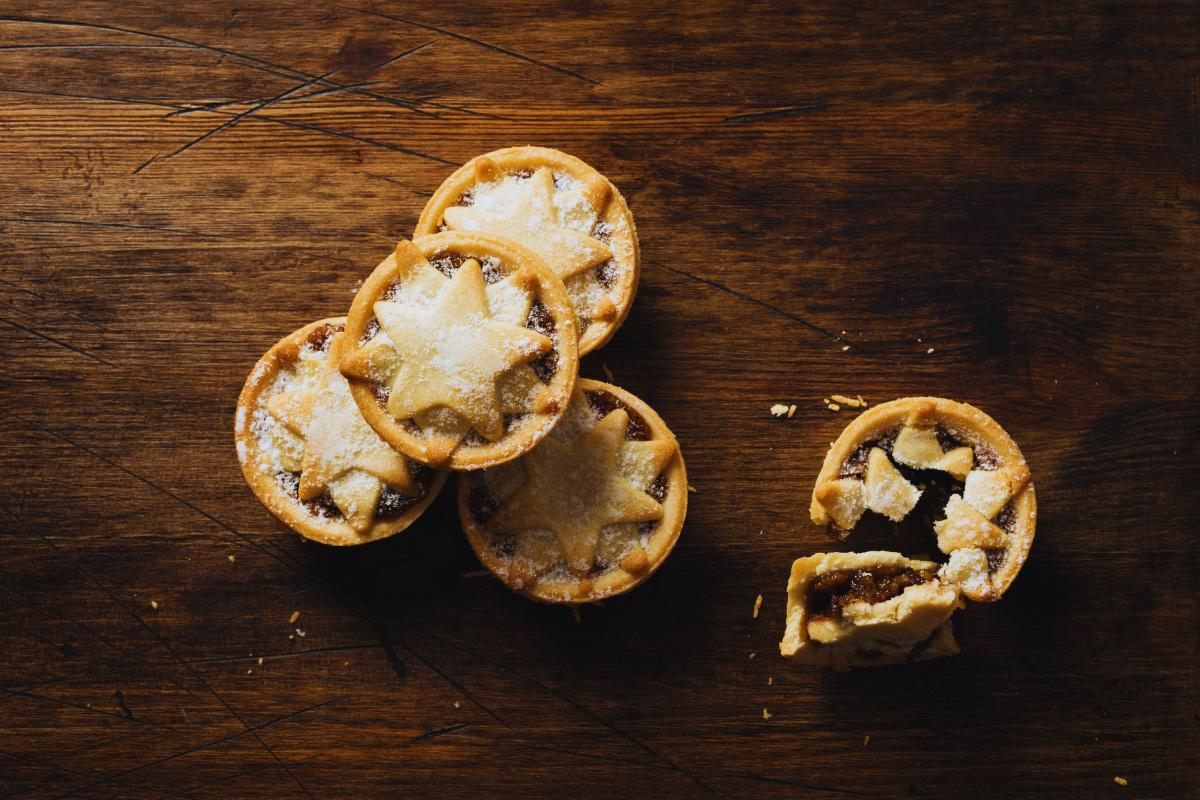
What is actually in a mince pie?
To understand if mince pies are healthy, we first need to look at what they are made of. A traditional mince pie has two main parts. There is the pastry case on the outside and the mincemeat filling on the inside.
The pastry is usually shortcrust. This is made from flour, sugar, and fat. The fat is often butter, but it can also be lard or vegetable shortening. This is what gives the pastry its crumbly texture. But it is also where a lot of the calories come from.
The filling is called mincemeat, but it does not contain meat anymore. It is a sticky mixture of dried fruits like raisins, sultanas, and currants. These are mixed with spices like cinnamon and nutmeg. There is usually some added sugar and often a splash of alcohol like brandy or rum. To hold it all together, traditional recipes use suet, which is a hard animal fat. Vegetarian versions use vegetable suet or oil instead.
So, you have a mix of flour, fat, sugar, and dried fruit. It tastes delicious, but it is a very rich combination.
The problem with sugar and fat
The main reason people worry about mince pies is the sugar and fat content. Let us break down why this matters for your health.
Too much sugar
Dried fruit contains natural sugar. But mince pies also have lots of added sugar. There is sugar in the pastry, sugar in the filling, and often a dusting of icing sugar on top.
The NHS says adults should not have more than 30g of free sugars a day. Free sugars are the ones added to food, plus the sugars in fruit juice and honey. One average shop-bought mince pie can contain around 18g to 20g of sugar. That is two-thirds of your daily limit in just one snack.
Eating too much sugar can lead to weight gain. It is also bad for your teeth. When you eat sugary foods, bacteria in your mouth produce acid. This acid attacks your tooth enamel and can cause decay. This is especially true for sticky foods like dried fruit, which cling to your teeth.
Saturated fat
The other big issue is saturated fat. This is the type of fat found in butter, lard, suet, and palm oil. A diet high in saturated fat can raise your cholesterol levels. High cholesterol increases your risk of heart disease and stroke.
The British Nutrition Foundation recommends that men should have no more than 30g of saturated fat a day. For women, the limit is 20g. A single mince pie can contain between 3g and 5g of saturated fat. If you eat a couple of pies, you have already used up a big chunk of your daily allowance.
The pastry is the main culprit here. Shortcrust pastry needs a lot of fat to make it short and crumbly. The suet in the filling adds even more saturated fat.
Are there any health benefits?
I do not want to be a complete Scrooge. Mince pies are not all bad. The dried fruit in the filling does provide some nutrients.
Raisins and sultanas contain fibre. Fibre is important for a healthy digestive system. It helps keep your bowels moving and can lower your risk of heart disease. Dried fruit also contains small amounts of iron and potassium.
However, the amount of fruit in one pie is quite small. You would have to eat a lot of pies to get a significant amount of nutrients. And the downsides of the sugar and fat usually outweigh the benefits of the fruit.
So, while there is a tiny bit of goodness in there, you cannot really call mince pies a health food. It is definitely a treat to be enjoyed in moderation.
How many calories are in a mince pie?
Calories are a measure of the energy in food. If we eat more energy than we burn off, our bodies store the extra as fat.
The number of calories in a mince pie depends on the size and the recipe. But as a rough guide, a standard supermarket mince pie has around 230 to 260 calories.
To put that into perspective, that is about the same as:
- Two medium bananas
- A Mars bar
- Three digestive biscuits
It would take a 30-minute run or a 45-minute brisk walk for an average person to burn off one mince pie. That is a lot of effort for a snack that is gone in three bites.
Premium or luxury mince pies are often larger and richer. They can have over 300 calories each. On the other hand, mini mince pies are much smaller. They usually have around 80 to 100 calories. Choosing the mini version is a simple way to enjoy the taste without overdoing it.
Is homemade better than shop-bought mince pies?
You might think that making your own mince pies is healthier. And it certainly can be. When you bake at home, you have complete control over the ingredients.
You can choose to use less sugar in the filling. You can make the pastry thinner or leave the lids off to reduce the fat. You can also avoid the preservatives and artificial additives found in some shop-bought pies.
However, homemade does not automatically mean healthy. If you follow a traditional recipe with lots of butter and sugar, your homemade mince pies will still be high in calories. In fact, they might be even higher if you are generous with your portion sizes.
The advantage of homemade mince pies is that you can make changes. You can swap butter for a healthier spread. You can use wholemeal flour for more fibre. You can experiment with different fillings. But you have to make a conscious effort to choose healthier ingredients.
Healthier alternatives to traditional mince pies
If you love the festive spirit but want to make healthier choices, you have plenty of options. Here are some tasty alternatives that will satisfy your cravings without the heavy calorie load.
1. Filo pastry mince pies
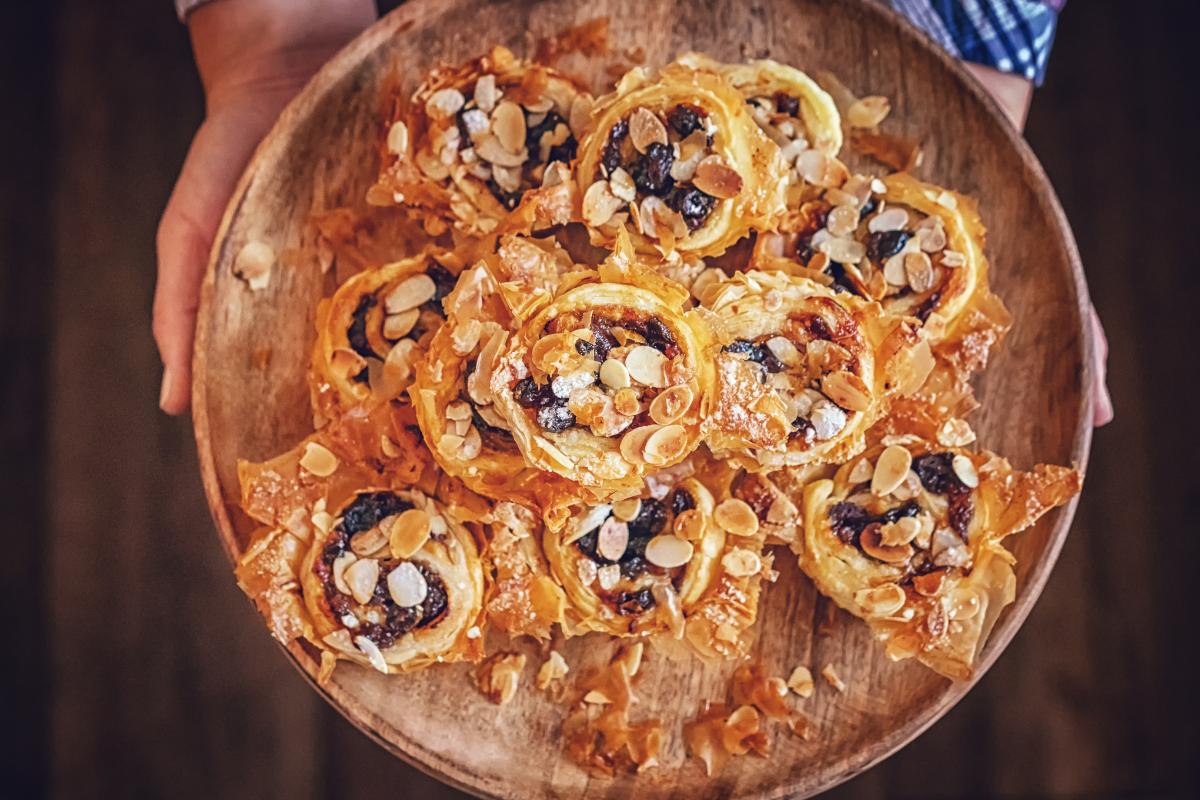
One of the easiest swaps is to change the pastry. Instead of heavy shortcrust, try using filo pastry. Filo is much lower in fat because it is made with very little oil or butter. It is thin and crispy, giving you a lovely crunch.
You can buy ready-made filo pastry in most supermarkets. Just brush a few layers with a tiny bit of oil and use them to line your tin. Add your mincemeat and scrunch the tops together or leave open. You get all the flavour of the mince pies with the filling, and a fraction of the fat.
2. Baked apples with mincemeat
If you want to ditch the pastry completely, try baked apples. Core a cooking apple or a large eating apple. Score the skin around the middle to stop it bursting. Then stuff the hole with a spoonful of mincemeat.
Bake the apples in the oven until they are soft and fluffy. The juices from the mincemeat soak into the apple, creating a delicious, warm dessert. It is like a deconstructed pie, but much lighter. You get one of your five-a-day, plus the festive spices. Serve it with a dollop of Greek yoghurt instead of cream.
3. Mincemeat swirls
This is a great option if you want something bite-sized. Roll out a sheet of puff pastry. Spread a thin layer of mincemeat over it. Then roll it up like a Swiss roll. Slice the roll into thin rounds and bake them.
Puff pastry is still quite high in fat, but because you slice these swirls thinly, the portion size is small. One swirl gives you a taste of Christmas without committing to a whole heavy pie. A perfect alternative to mince pies!
4. Energy balls
You can make healthy snacks that taste just like mince pies using nuts and dried fruit. Blend dates, raisins, walnuts, and almonds in a food processor. Add typical mince pie spices like cinnamon, cloves, and orange zest.
Roll the mixture into small balls. These energy bites are packed with fibre, healthy fats, and protein from the nuts. They are naturally sweet from the dates, so you do not need to add any sugar. They are perfect for a quick festive snack on the go.
5. Fruit-based desserts
Remember that the filling is mostly fruit. You can create other fruit desserts that use the same flavours. Poached pears with cinnamon and star anise are elegant and light. A fruit salad with oranges, pomegranate seeds, and a sprinkle of nutmeg looks beautiful and tastes fresh.
These options are naturally low in fat and calories. They are also hydrating and full of vitamins, which is great during the cold winter months.
Tips for eating mince pies mindfully
I know that sometimes, only a real mince pie will do. And that is absolutely fine. Food is there to be enjoyed. The key is moderation. Here are my top tips for enjoying your festive treats without going overboard.
Don’t buy them too early
Supermarkets start selling mince pies in September. If you start buying them then, you could be eating them for three or four months. Try to wait until December before you bring them into the house. Keep them as a special treat for the Christmas weeks, not a daily snack for the whole winter.
Choose quality over quantity
Instead of buying a cheap box of 12 pies, buy a small pack of high-quality ones. Or visit a local bakery for one really good, fresh pie. When the food is better quality, you tend to savour it more. You are likely to be satisfied with one delicious pie rather than mindlessly eating three average mince pies.
Eat them after a meal
If you eat a mince pie when you are starving, you will eat it quickly and probably want another one. Try to have it as a pudding after a balanced meal. You will already be full, so you will be less likely to overindulge. The protein and fibre from your meal will also help slow down the absorption of sugar into your blood.
Pay attention
We often eat snacks while watching TV or scrolling on our phones. This is called mindless eating. Before you know it, the pie is gone and you barely tasted it.
Make a point of sitting down to eat your treat. Put it on a plate. Maybe make a cup of tea to go with it. Focus on the smell and the texture. Chew slowly and really taste the spices and the fruit. You will enjoy it much more, and your brain will register that you have had a treat.
Watch the toppings
A mince pie is rich enough on its own. But we often pile on extra calories with toppings. Brandy butter, double cream, and custard can double the calorie count of your dessert.
Try eating the pie plain. If it is a good pie, it should be moist enough without extra sauce. If you really want a topping, try a spoonful of crème fraîche or low-fat Greek yoghurt. These add creaminess but cut through the sweetness and are lower in calories.
Recipe: Lighter Filo Mince Pies
If you want to try making a healthier version yourself, here is a simple guide. These use filo pastry to keep the fat content down.
Ingredients:
- 1 pack of ready-made filo pastry
- A jar of good-quality mincemeat
- A little sunflower oil or melted butter for brushing
- Icing sugar for dusting (optional)
Instructions:
- Preheat your oven to 180°C (160°C fan).
- Take a sheet of filo pastry. Keep the rest covered with a damp tea towel so it does not dry out.
- Brush the sheet lightly with a little oil or butter.
- Cut the sheet into squares, about 10cm by 10cm.
- Layer three or four squares on top of each other at different angles. This makes a star shape.
- Push the pastry stack into a hole in a muffin tin.
- Put a teaspoon of mincemeat into the pastry case. Do not overfill it.
- You can scrunch the tops together to make a parcel, or leave them open.
- Repeat until you have used all your filling.
- Bake for 10 to 15 minutes until the pastry is golden brown and crisp.
- Let them cool. Dust with a tiny bit of icing sugar if you like.
These filo mince pies are crunchy, light, and delicious. They satisfy that festive craving without leaving you feeling heavy and sluggish. If you like an added crunch why not sprinkle with a few sliced almonds?
Why balance is key at Christmas
It is easy to get stressed about food at Christmas. There is temptation everywhere. But worrying about every calorie can ruin the fun. Health is about the big picture, not just what you eat on one day.
If you eat well most of the time, enjoying a few mince pies over the holidays will not ruin your health. The problem comes when “Christmas eating” turns into a month-long binge.
Focus on filling your plate with vegetables and lean protein at meal times. Stay active by going for winter walks. Drink plenty of water. If you get the basics right, there is plenty of room for a few treats.
Remember that food is part of our culture and celebration. Sharing a box of mince pies with family or friends is good for the soul. It connects us and creates memories. That is just as important for our well-being as nutrients and vitamins.
Summary
So, are mince pies healthy? Not really. They are high in sugar, high in saturated fat, and high in calories. They offer very little nutritional value despite the fruit content.
But does that mean you should never eat them? Absolutely not. They are a delicious part of the Christmas tradition. The key is to be smart about it.
Here is a quick recap of how to enjoy them healthier:
- Treat them as an occasional indulgence, not a daily snack.
- Watch your portion sizes. Try mini pies or share a large one.
- Swap heavy shortcrust pastry for lighter filo pastry.
- Try alternative desserts like baked apples or fruit salads.
- Avoid adding high-calorie toppings like cream and brandy butter.
By making small changes and being mindful of what you eat, you can have a happy, healthy, and delicious Christmas. You do not have to choose between enjoying the festive season and looking after your body. You can do both.
So go ahead and have that mince pie. Just maybe stop at one, and savour every crumb.


