
What I Wish I’d Known About Perimenopause Before It Started
Back when I was younger, I didn’t know much about perimenopause or menopause. I knew the basics, of course. Periods eventually stop, hot flushes are apparently a thing, and at some point you’re officially menopausal. I don’t think I had any real appreciation of how long the transition could last, how many different parts of your health could be affected or how difficult it can sometimes be to work out whether something you’re experiencing has anything to do with hormones at all.
A couple of years later, I was told I was in perimenopause.
Since then my relationship with the whole subject has become considerably more personal. I’ve dealt with changes to my periods, hair and mood, learned much more about HRT and eventually experienced medically induced menopause as part of treatment for my gynaecological problems.
If I could go back and talk to the version of me who first wrote this article, there are quite a few things I’d tell her.
Not because I think women need to spend their thirties worrying about menopause, but because knowing what might be coming can make it considerably less confusing when your body starts doing things you weren’t expecting.
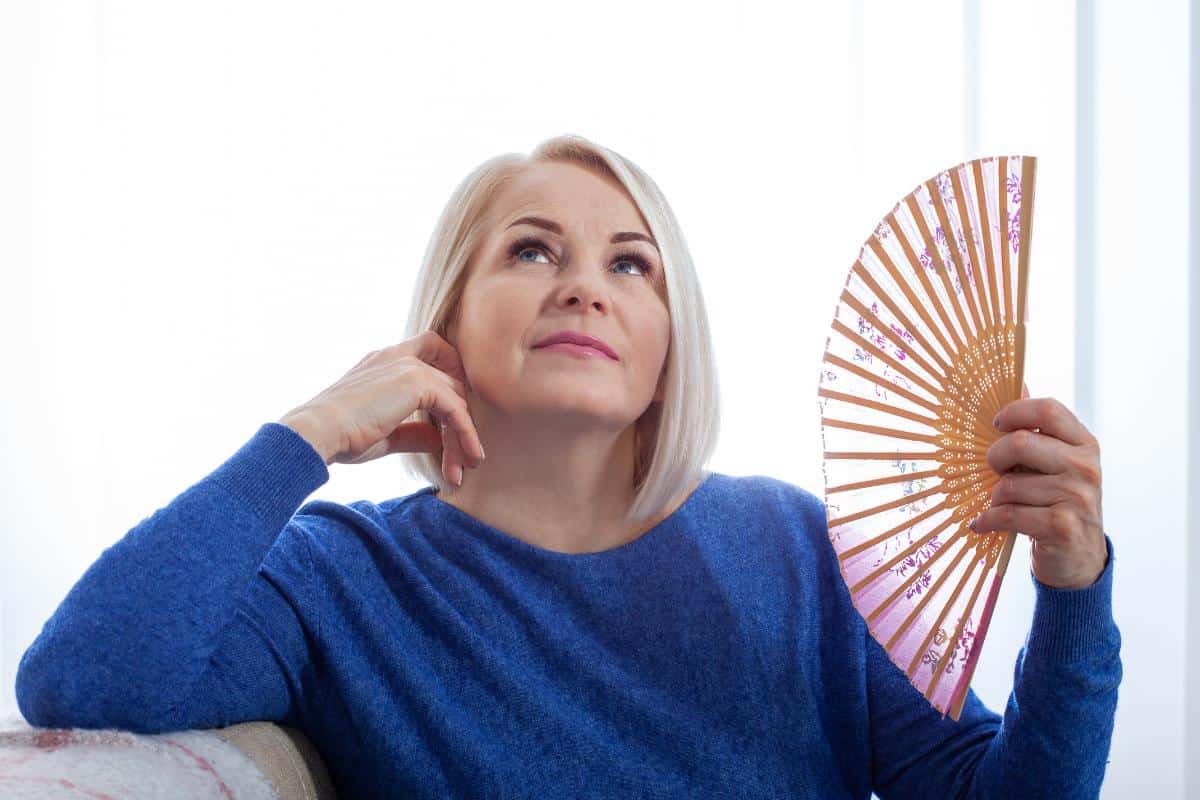
Perimenopause can start before you think you’re old enough
This was probably my biggest misconception. I associated menopause with women in their fifties, so it didn’t occur to me that changes happening in my early forties might be connected with it.
What I hadn’t properly understood was the difference between menopause and perimenopause.
Menopause itself is technically a point in time. If you’re over 45 and aren’t using hormonal contraception, it’s usually identified once you haven’t had a period for at least 12 months. Perimenopause is the transition leading up to that point, when symptoms can begin while you’re still having periods. In otherwise healthy people aged 45 or over, NICE says perimenopause can usually be identified from symptoms and changes to the menstrual cycle without needing hormone blood tests.
Looking back, I think that’s something we should talk about much earlier. If the first time you really learn about perimenopause is when you’re already experiencing it, you’re left trying to make sense of changes after they’ve started.
I don’t think every woman needs to become an expert in menopause at 30, but knowing that perimenopause exists and doesn’t necessarily wait until your late forties would have been useful information for me.
It isn’t only about hot flushes
If you’d asked younger me to describe menopause, I’d probably have mentioned hot flushes and periods stopping. Perhaps mood swings too, because television programmes have been making jokes about menopausal women being irritable for as long as I can remember.
The actual list of possible symptoms is much broader.
Sleep can change. Some women experience anxiety, low mood or changes in concentration and memory. There can be headaches, palpitations, joint and muscle aches, changes to sex drive, vaginal dryness and urinary symptoms. Hair and skin can change too.
That doesn’t mean every strange thing that happens after 40 should immediately be blamed on menopause.
I actually think that’s an important point because once you’ve discovered how many symptoms can be associated with perimenopause, it’s very easy to start putting everything down to hormones. Symptoms can have other causes and sometimes need investigating rather than simply accepting them as another delightful gift from middle age.
Knowing the range of possibilities is useful. Assuming hormones explain absolutely everything isn’t.

Your periods don’t necessarily just become lighter and disappear
I wish somebody had explained this one properly. I think I imagined menopause as a fairly orderly process in which periods would gradually become less frequent, eventually stop and that would be that. Real life can be much messier.
During perimenopause, periods can change in frequency, duration and flow. Some women find they become further apart, while others experience heavier bleeding or periods that seem to have abandoned any concept of a predictable calendar.
My own gynaecological problems have made this particularly complicated because not everything I’ve experienced can simply be attributed to perimenopause. That’s another reason I wouldn’t tell anybody to assume unusual bleeding is “just menopause”.
Changes in periods are common during perimenopause, but very heavy bleeding, bleeding between periods, bleeding after sex or bleeding after you’ve been through menopause should be discussed with a healthcare professional.
I’d much rather have something checked and discover it’s nothing worrying than avoid mentioning it because I assumed every woman my age was dealing with the same thing.
Mental health can be part of it too
This is probably one of the areas I feel most strongly about now.
I’ve been open about my mental health for years, so I already knew that my mood could be affected by all sorts of things. What I hadn’t appreciated before perimenopause was how hormonal changes might become another part of that picture.
Some women experience anxiety, low mood, irritability, problems concentrating or changes in self-esteem during perimenopause and menopause. For somebody who already has a history of mental health difficulties, working out what is hormonal and what isn’t can be particularly complicated.
My own experience has become more unusual because I later had treatment that deliberately suppressed my hormones, and the effect that hormonal treatment had on my mental health was significant.
That’s something I’ve written about separately because it deserves much more than a paragraph here.
What I would tell my younger self is simply not to dismiss a noticeable change in mental health because it happens to coincide with midlife.
Equally, I wouldn’t assume severe depression or anxiety is something you just have to tolerate because you’re perimenopausal. There are treatment options, and significant changes in your mental health deserve proper attention.
HRT isn’t as simple as “good” or “bad”
Before all this became personally relevant, most of what I’d absorbed about hormone replacement therapy seemed to fall into one of two camps.
HRT was either wonderful and every woman should take it, or it was frightening and dangerous and should be avoided. The reality is considerably more individual.
HRT can be very effective for many menopause symptoms and, for many women, the benefits outweigh the risks. The type of HRT, how it’s taken and someone’s individual medical history all matter when deciding whether it’s appropriate.
There are also women who can’t take certain forms of HRT, don’t want to take it or simply don’t get on well with a particular treatment.
My own experiences with hormonal treatment have taught me that two people can take the same medication and have completely different experiences.
That’s why I’d be wary of taking medical advice from somebody on social media simply because HRT transformed their life, just as I’d be wary of somebody insisting nobody should take it because they personally had a terrible experience. HRT and any hormones (eg the contraceptive pill) make me suicidal but I know this doesn’t happen to everyone else.
It’s a conversation to have with a healthcare professional who can consider your symptoms, history, preferences and risks.
NICE guidelines about HRT that you may find helpful.
Your body may change, but you don’t need a special “menopause diet”
This is another area where there is an enormous amount of marketing. Search online for menopause for five minutes and somebody will probably try to sell you a diet, supplement, detox, hormone-balancing food or very expensive powder.
I’ve written separately about nutrition during menopause because there are nutrients that become particularly worth thinking about as we get older, especially things such as calcium and vitamin D for bone health and enough protein as part of maintaining muscle. That doesn’t mean menopause requires a completely different way of eating.
A varied diet containing fruit and vegetables, wholegrain or higher-fibre carbohydrates, suitable sources of protein and calcium-rich foods is still a sensible foundation. The foods don’t suddenly stop working when your ovaries become less enthusiastic.
Weight can become a complicated subject around this stage of life too.
Body composition and where fat tends to be stored can change around menopause, while ageing itself is associated with changes in muscle mass and energy needs. At the same time, sleep, stress, activity levels, medication, appetite and all the ordinary things affecting weight haven’t disappeared.
I don’t find it helpful to reduce all of that to “menopause makes you fat”. I’ve spent enough of my life obsessing about my weight without needing to declare war on my hormones as well.
Strength matters for reasons that have nothing to do with being thin
When I originally wrote this article, I talked about resistance training mainly in terms of metabolism and burning calories. I’d write that very differently now.
As we get older, maintaining muscle strength becomes increasingly important for everyday function, while the decline in oestrogen around menopause also matters for bone health. Weight-bearing activity and resistance exercise can therefore be useful for reasons that go far beyond what they do to the scales.
You don’t need to suddenly become a bodybuilder.
Strength work might mean weights at the gym, resistance bands at home, bodyweight exercises or another form of activity that challenges your muscles appropriately.
Walking is something I’ve also written about specifically in relation to perimenopause because it’s accessible for many people and can be good for both physical and mental wellbeing.
The biggest thing I’ve learned about exercise generally is that the theoretically perfect workout isn’t much use if you hate it so much that you never do it. I’d rather find movement I can realistically keep doing.
Sleep deserves more attention than I used to give it
Sleep problems can be part of perimenopause themselves, particularly if night sweats are waking you up, but poor sleep then has a rather annoying habit of making everything else feel harder.
When I’m exhausted, I’m less patient, concentrating is more difficult and making an effort with food or exercise feels considerably less appealing.
That’s why I think sleep deserves to be treated as part of health rather than the bit we squeeze in after we’ve finished everything more important.
Some sleep problems may improve when menopause symptoms themselves are treated. There are also the boring-but-useful things we all know about, such as having a reasonably consistent routine and making the bedroom comfortable.
If you’re regularly struggling to sleep, though, I wouldn’t automatically buy a menopause sleep supplement and hope for the best. Persistent sleep problems can have different causes, and it’s worth looking at what’s actually happening.
Your hair, skin and confidence might change as well
I never connected hair with menopause until mine started changing.
I’ve always had thick hair and have done all sorts to it over the years, from having it short to growing it long, colouring it and perming it. During perimenopause I noticed it becoming drier and more prone to breakage, which was particularly unhelpful given that I’d already subjected it to years of colouring and styling!
Some women notice thinning or increased shedding, while changes in skin can also become more noticeable as oestrogen levels fall.
I’ve written much more about my own perimenopausal hair dramas separately because I could probably fill an article with those alone.
The confidence side is harder to quantify but just as real.
Midlife can bring a lot of changes at once. Your body may look different, your periods may be unpredictable, your hair may decide it has new plans and your sleep and mood might not be helping matters.
I don’t think the answer is pretending none of that bothers us. For me, it’s been more about trying not to treat every visible sign of ageing as a problem that needs fixing. Some days I’m better at that than others!
You don’t have to wait until symptoms become unbearable to ask for help
Perhaps this is the thing I’d most want younger women to know. You don’t win a prize for coping silently.
If symptoms are interfering with your sleep, relationships, work, mental health, sex life or everyday comfort, you can speak to your GP or another appropriate healthcare professional about them.
It can help to keep a record beforehand, particularly if your symptoms or periods are changing. When you’re sitting in an appointment trying to remember whether something happened twice last month or six times, having notes on your phone can be surprisingly useful.
I’d write down changes to periods, hot flushes or night sweats, sleep, mood and anything else that seems relevant, along with medication you’re taking. That doesn’t mean you need to turn your life into a menopause spreadsheet. Unless you like spreadsheets, obviously. I’m not judging.
It simply gives you something more useful than “I’ve felt a bit weird lately” when you’re trying to explain what’s happening.
You don’t need to buy everything labelled “menopause”
This probably deserves its own section because the menopause industry is enormous. Supplements, teas, skincare, cooling pillows, powders, gummies and countless other products are marketed specifically at women going through menopause.
Some products might genuinely make you more comfortable. If a cooling pillow helps you sleep through night sweats, fantastic. What I wouldn’t do is assume that something is necessary or evidence-based simply because “menopause” is printed on the packaging.
Supplements can interact with medication and aren’t automatically harmless because they’re described as natural. Some menopause symptoms also have effective treatments that are much better researched than whatever happens to be trending online this month.
I’ve become much more cautious about supplements generally, particularly when marketing promises to balance hormones, reset metabolism or fix a huge list of unrelated symptoms.
If one capsule genuinely solved brain fog, weight gain, anxiety, poor sleep, hot flushes and thinning hair simultaneously, I suspect the NHS would be considerably more excited about it than Instagram is.
I wish we’d talked about menopause more when I was younger
I don’t think I needed somebody to sit me down at 30 and give me a frightening list of everything my body might do over the next twenty years.
I just wish menopause hadn’t felt like such a distant and slightly mysterious thing.
Knowing about perimenopause wouldn’t have prevented any of my symptoms, but I think I might have recognised some changes sooner and felt less as though my body had suddenly started making up its own rules.
Since I first wrote about menopause on Just Average Jen, my own experience has become much more complicated than I could have predicted. I’ve gone from simply reading about perimenopause to experiencing it, discussing HRT, dealing with the mental health effects of hormonal changes and eventually having my hormones medically suppressed as part of treatment for other gynaecological problems.
I certainly wouldn’t recommend my particular route as the beginner’s guide to menopause!
What it has given me is a much greater appreciation of how individual this stage of life can be.
One woman’s main problem might be hot flushes. Another may barely experience them but struggle terribly with sleep or anxiety. Someone else might sail through most of the transition and wonder what everybody was complaining about.
There isn’t one correct menopause experience.
If you’re in your thirties or early forties and haven’t thought much about any of this yet, I don’t think you need to start worrying about it.
Just learn enough that, if your body does start changing, you recognise that perimenopause might be part of the conversation.
That’s considerably more useful than discovering it by accident after wondering for months what on earth is going on.
🎄 Still got Christmas shopping to do?
I’ve put all my Christmas gift guides, festive recipes and other Christmas bits together in one place to make life a little easier!