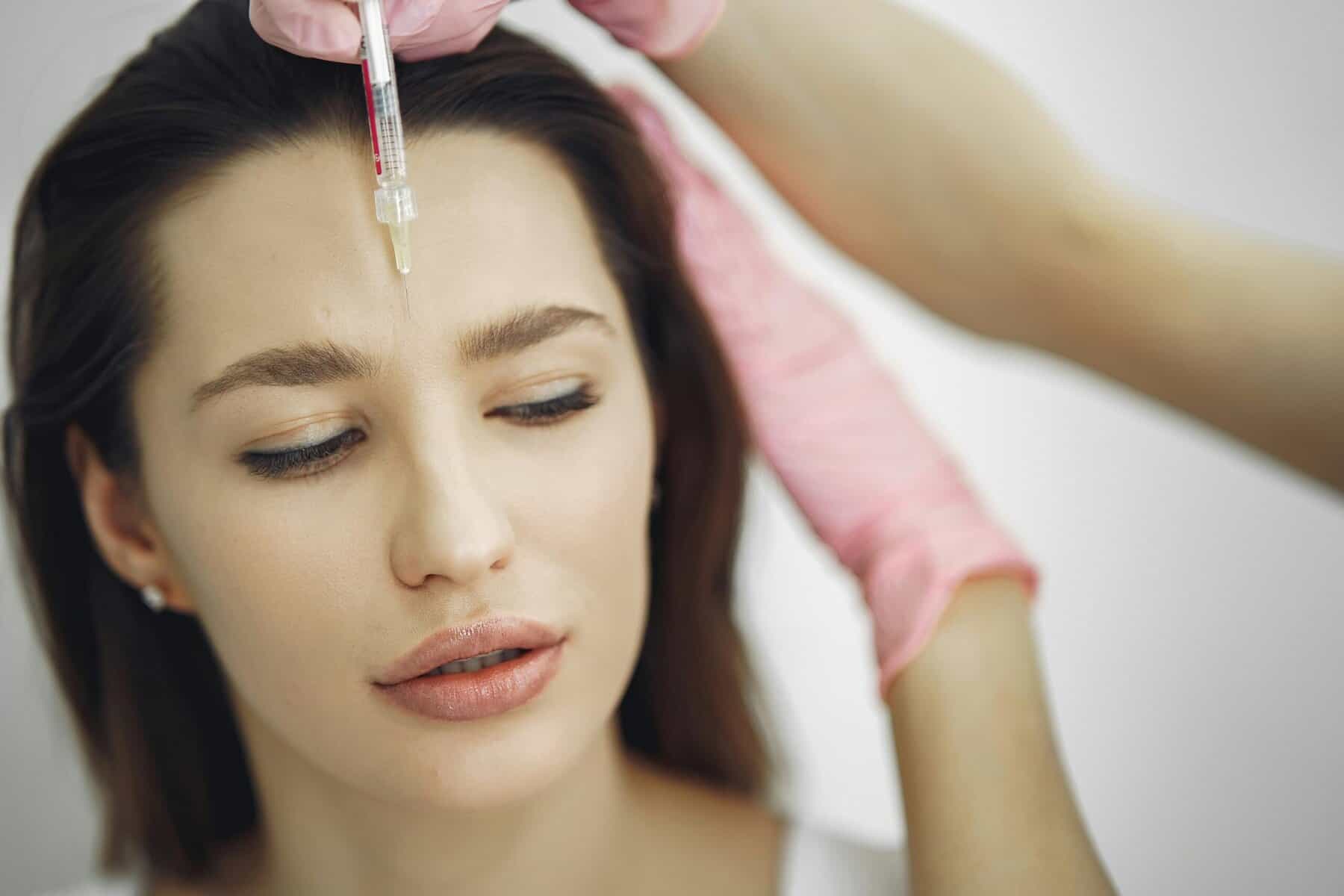
What No One Warns You About Middle Age and Menopause
You spend your twenties trying to figure out who you are. You spend your thirties trying to build a life. And then, just when you think you’ve got things under control, middle age arrives with a whole new set of rules that nobody bothered to tell you about.
It’s strange, isn’t it? We get plenty of warnings about puberty. We know about the awkward voice changes and the sudden growth spurts. But when it comes to the “change of life” or just the general chaos of hitting your 40s and 50s, the information guide seems to be missing.
Suddenly, you might find yourself crying over a television advert, forgetting why you walked into a room, or wondering why your favourite jeans have betrayed you. If this sounds familiar, take a deep breath. You aren’t losing your mind, and you certainly aren’t alone.
Let’s talk about the things they didn’t put in the brochure about middle age and menopause, and more importantly, how you can handle them with your sanity intact.
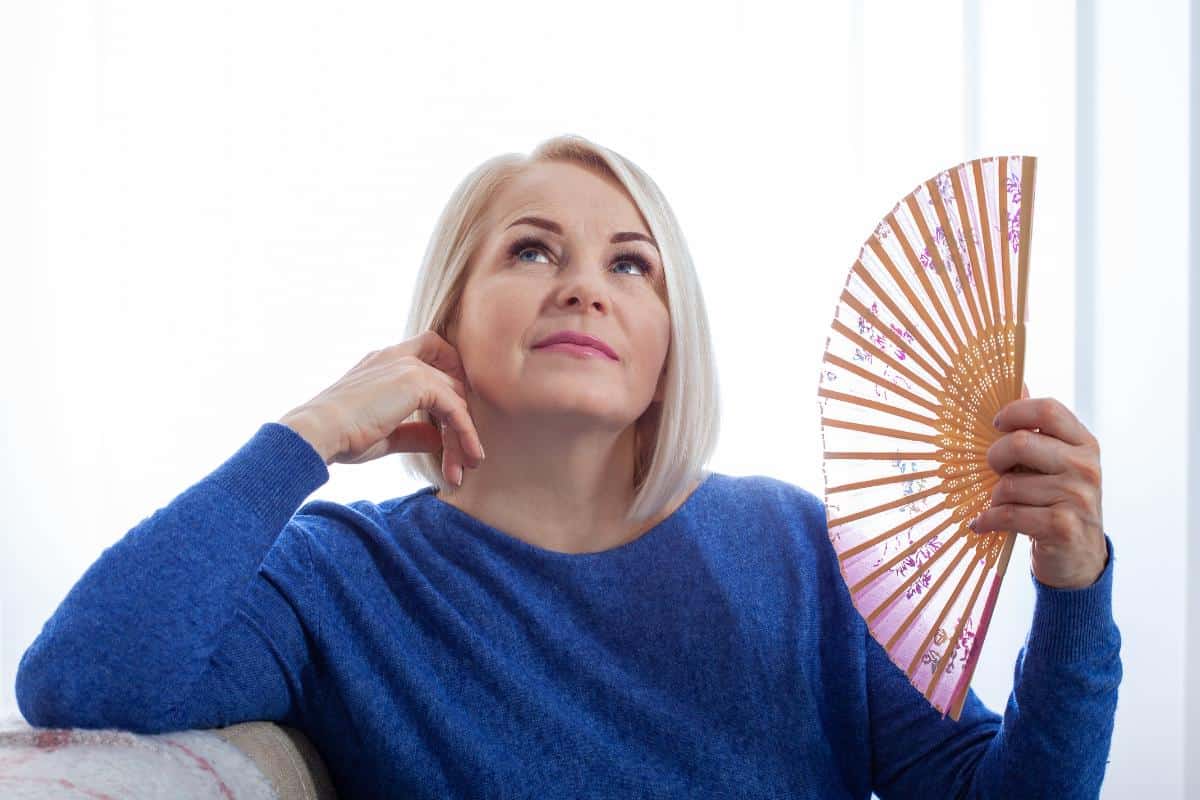
The “Brain Fog” Is Real
One of the most frustrating surprises is the feeling that your brain has been replaced with cotton wool. You might be in the middle of a sentence and suddenly blank. The word is gone. Or you walk into the kitchen with a purpose, only to stand there staring at the fridge, completely baffled.
This is often called “brain fog,” and it is a very common symptom of perimenopause and menopause. Hormones like oestrogen play a big role in how our brains function. When those levels start to drop, it can affect your memory and concentration.
It can be scary. Many women worry it’s a sign of something serious, like early dementia. But for most, it is just a temporary (albeit annoying) side effect of hormonal changes due to middle age and menopause.
What helps?
Be kind to yourself. Write things down. Use calendar alerts on your phone. And if you are really worried, have a chat with your GP. It is also worth looking into mindfulness or meditation to help calm a busy mind.
Your Joints Might Start To Complain
We often associate aches and pains with old age, not middle age. But declining oestrogen levels can cause inflammation in your joints. You might wake up feeling stiff or notice that your knees click when you stand up.
It isn’t just “wear and tear.” Oestrogen helps protect your joints and keeps inflammation down. When it decreases, you feel it.
What helps?
Movement is actually the best medicine here. Gentle exercise like swimming, walking, or yoga keeps the joints lubricated. You might also want to look at your diet, foods rich in Omega-3 (like oily fish) can help reduce inflammation.
The “Rage” Can Come Out of Nowhere
Mood swings aren’t just for teenagers, they are for middle age and menopause too. One minute, you are fine; the next, the sound of someone chewing gum makes you want to scream. This sudden irritability or “menopause rage” catches a lot of people off guard.
It is chemical, not a character flaw. Your hormones regulate serotonin, the chemical in your brain that makes you feel happy and calm. When your hormones fluctuate, your mood follows.
What helps?
Recognise the signs and step away when you feel the heat rising. Talking therapy, such as Cognitive Behavioural Therapy (CBT), has been shown to be very effective for low mood and anxiety during this time.
Sleep Becomes a Luxury
Remember when you could sleep through a thunderstorm? Now, you might wake up at 3 am for absolutely no reason and be unable to get back to sleep. Or perhaps you wake up drenched in sweat.
Night sweats are a classic symptom, but general insomnia is also common. This creates a vicious cycle: you are tired because you didn’t sleep, which makes you more irritable and foggy the next day.
What helps?
Keep your bedroom cool. Layer your bedding so you can throw covers off easily. Try to avoid caffeine and alcohol before bed, as they can make hot flushes worse.
Your Body Shape Changes
You might be eating the same food and doing the same exercise you always have, but suddenly, your waistline is expanding. Yes this is middle age and menopause too!
As we age, our metabolism slows down. On top of that, hormonal changes can cause our bodies to store fat differently, often shifting it to the stomach area. It can be incredibly frustrating when your usual tricks for managing your weight stop working.
What helps?
Crash diets rarely work and can make you feel worse. Focus on strength training to build muscle (which burns more energy) and eating nutrient-dense food. You can find some great advice on metabolism and why it slows down to help you understand what is happening.
It’s Not Just About Hot Flushes
When people say “menopause,” everyone thinks of hot flushes. And yes, they are common. But there are dozens of other symptoms that don’t get as much airtime.
Did you know that dry eyes, itchy skin, and even burning gums can be related to middle age and menopause? Or that you might experience heart palpitations (a racing heart), which can be terrifying if you don’t know the cause?
Vaginal dryness is another topic people shy away from, but it affects many women. It can make sex painful and lead to more urinary tract infections.
What helps?
Don’t suffer in silence. If something feels off, get it checked. For symptoms like vaginal dryness, there are simple treatments like oestrogen creams that can make a huge difference.
HRT Isn’t the Enemy
For a long time, Hormone Replacement Therapy (HRT) had a bad reputation. Many women were scared off by old studies of middle age and menopause. However, the current guidance from the NHS and NICE (the National Institute for Health and Care Excellence) is much more positive.
For most women under 60 who are suffering from symptoms, the benefits of HRT usually outweigh the risks. It replaces the hormones your body is missing and can help with hot flushes, mood swings, joint pain, and brain fog. It also helps protect your bones from osteoporosis.
What helps?
Do your research. Read the latest guidance from the NHS website so you can go to your doctor armed with facts. It is not a “one size fits all” treatment; there are patches, gels, and sprays, so you can find what works for you.
You Might Need to grieve Your Old Self
This is the big emotional one. Middle age and menopause is a time of transition. You might be grieving your youth, your fertility, or just the person you used to be. You might be dealing with “empty nest syndrome” as kids leave home, or the stress of caring for ageing parents.
It is a lot to handle all at once.
What helps?
Allow yourself to feel it. It is okay to be sad about these changes. But also try to look for the positives. This can be a time of great freedom. You know yourself better now than you ever did in your 20s.
Practical Tips for Surviving and Thriving
So, how do we get through middle age and menopause without locking ourselves in a cupboard? Here is a checklist to help you navigate the choppy waters of middle age and menopause.
1. Talk About It
The worst thing you can do is keep it to yourself. Talk to your friends. You will likely find they are going through the exact same thing. Read blogs from people who are honest about the experience, like my post on perimenopause health issues.
2. Prioritise “Me Time”
You have probably spent years looking after everyone else. Now it is time to look after you. Whether it is a long bath, a walk in the park, or just reading a book for half an hour, take that time. You might find some inspiration on treating yourself.
3. Move Your Body
Exercise isn’t just about weight; it is about mental health and bone strength. Find something you enjoy. It doesn’t have to be the gym; dancing in the kitchen counts!
4. Check Your Vitamin Levels
Low energy can sometimes be due to low iron or Vitamin B12. A simple blood test from your GP can rule this out. Also, consider a Vitamin D supplement, as most of us in the UK don’t get enough sunlight at the best of times, so during middle age and menopause, it is likely to have been low for a number of years.
5. Review Your Diet
What you eat affects how you feel. Reducing sugar and processed foods can help stabilise your mood and energy levels. If you enjoy porridge, you’ll be glad to know that porridge oats are a great, heart-healthy start to the day.
A New Chapter
It is easy to focus on the negatives of middle age and menopause; the aches, the sweats, the moods. But middle age is also a time of confidence. You care less about what other people think. You have wisdom and experience.
This isn’t the end of the road; it’s just a bend in the river. It might be a bit turbulent for a while, but the water often runs smoother on the other side.
If you are struggling with specific symptoms like anxiety or low mood, or if physical symptoms are disrupting your life, please go and see your GP. There is help available, and you don’t have to just “put up with it.”
Be kind to yourself. You are doing great.
Middle Age and Menopause – Frequently Asked Questions (FAQ)
What is the difference between perimenopause and menopause?
Perimenopause is the time leading up to menopause when your hormones start to change. You might still have periods, but they could become irregular. You can experience symptoms like hot flushes and mood swings during this time. Menopause is a single point in time, it is officially confirmed when you have not had a period for 12 months.
Can I still get pregnant during perimenopause?
Yes, you can. Until you have gone 12 months without a period (or 24 months if you are under 50), there is still a chance of pregnancy. It is important to continue using contraception if you do not want to get pregnant during middle age and menopause hasn’t come fully yet.
Do I need a blood test to diagnose menopause?
If you are over 45 and have typical symptoms (such as hot flushes or irregular periods), NICE guidelines say your doctor usually does not need to order a blood test to diagnose you. They can diagnose you based on your age and symptoms. Blood tests are generally only needed for younger women or if the diagnosis is unclear.
Is HRT safe?
For most women, HRT is safe and effective. The risks (such as a very small increased risk of breast cancer with some types of HRT) are usually outweighed by the benefits. However, it depends on your medical history. It is best to discuss your individual risk factors with your doctor.
What if I can’t take HRT?
If you cannot take HRT (for example, if you have had certain types of breast cancer) or simply prefer not to, there are other options to help with these symptoms of middle age and menopause. Cognitive Behavioural Therapy (CBT) can help with low mood and hot flushes. There are also non-hormonal medications that doctors can prescribe to help with specific symptoms.
Does menopause cause weight gain?
Hormonal changes can make it easier to gain weight, particularly around your tummy, and muscle mass tends to decrease with age. However, lifestyle changes like resistance exercise and a balanced diet can help manage this.
Are you in the middle of middle age and menopause issues and fed up of it too? Let me know in the comments below!