
Porridge oats: the perfect breakfast and pudding
Food is usually one of the first things on my mind when I wake up, and sometimes it’s the last thing I’m thinking about before I go to sleep too! I’m terrible for scrolling through Pinterest when I can’t sleep, finding recipes I fancy making and convincing myself that I’ll remember them all in the morning. Usually, I’ve saved about twenty different things involving chocolate, berries or something deliciously gooey before I finally put my phone down.
Porridge oats are one of those ingredients I always seem to come back to. They’re inexpensive, easy to keep in the cupboard and much more versatile than people sometimes realise. I particularly enjoy Mornflake Mighty Oats, but whatever brand you prefer, there’s a lot more you can do with a bag of oats than make a bowl of porridge.
Whether you’re wondering how to make porridge, looking for different breakfast ideas or trying to use up some oats you’ve had sitting in the cupboard, I’ve put together some of my favourite ways to enjoy them. And yes, there are puddings involved, because I’m certainly not limiting oats to breakfast!

What Are Porridge Oats Made From?
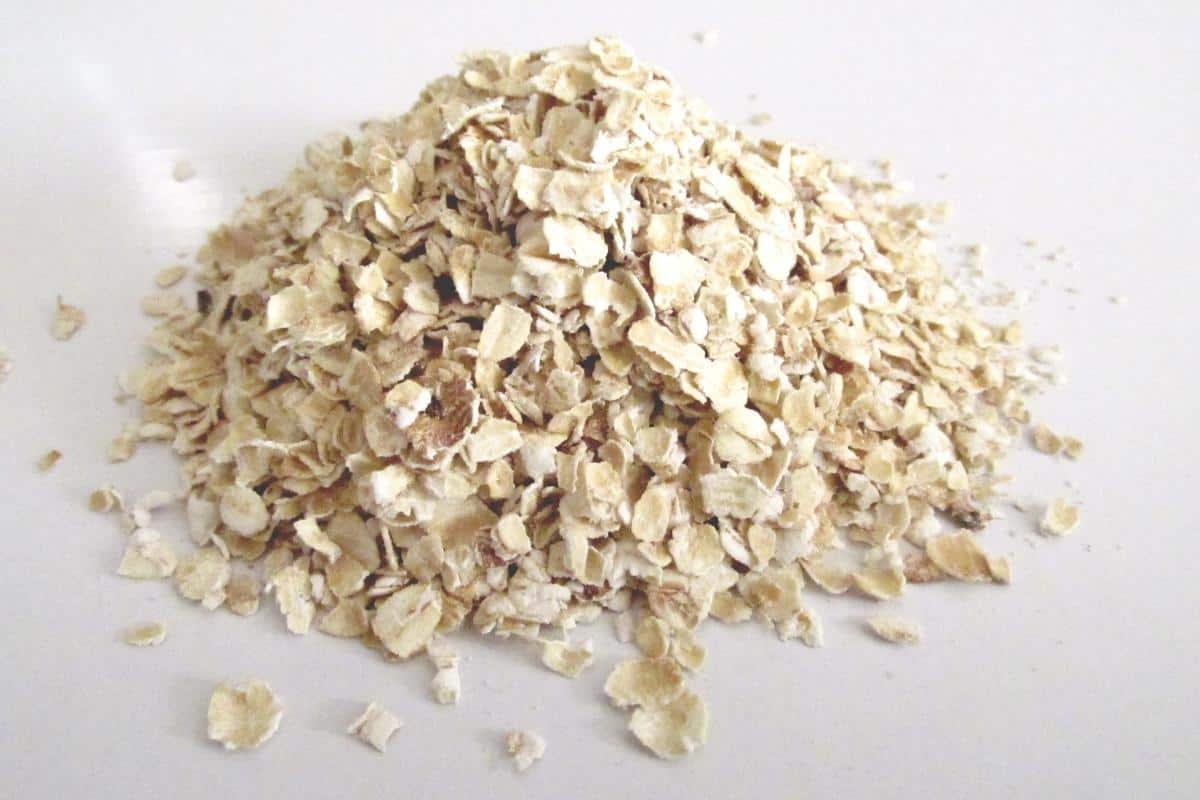
Porridge oats come from oat grains that have been cleaned and processed so they’re suitable for cooking and eating. Most of the porridge oats you’ll find in UK supermarkets are rolled oats, which have been steamed and flattened into flakes.
You might also see jumbo oats, quick oats or steel-cut oats in the shops. They’re all made from oats, but the way they’re prepared affects how quickly they cook and the texture of the finished porridge.
Jumbo oats tend to have a more noticeable texture, while smaller porridge oats usually cook more quickly and produce a softer bowl of porridge. Personally, I think a lot depends on how you like yours. Some people want it really thick and creamy, while others prefer it with a bit more texture.
If you’ve ever wondered whether porridge oats and rolled oats are the same thing, the answer is that most ordinary porridge oats sold in the UK are a type of rolled oat. You can generally use them interchangeably in many recipes, although the cooking time and finished texture may vary.
How to Make Porridge Oats
One of the reasons I enjoy porridge is that it’s so easy to make. You don’t need a complicated recipe, and once you’ve worked out how thick you like it, you can adjust the amount of liquid to suit yourself.
For a simple bowl of porridge, start with around 40g of porridge oats and approximately 200–250ml of milk, water or a mixture of the two. The amount of liquid you need will depend on the oats you’re using and how thick you prefer your porridge.
I often use milk because I like the creamier texture, but you can use a suitable dairy-free alternative if you prefer. Oat milk is an option if you really want to go all in on the oats!
How to Make Porridge in the Microwave
Put the oats and liquid into a large microwave-safe bowl and give everything a good stir. Heat according to the instructions on your oats, stopping to stir and check the consistency as it cooks.
For many ordinary porridge oats, this takes a few minutes, although microwave power and the type of oats make a difference. If the porridge becomes too thick, add a splash more liquid and stir again.
And please use a bigger bowl than you think you’ll need! Porridge has a wonderful habit of suddenly bubbling over the sides when you’re not looking, and scraping dried oats out of the microwave isn’t exactly my idea of a lovely morning.
How to Make Porridge on the Hob
Add your oats and liquid to a saucepan, bring them gently towards a simmer and stir regularly until the oats have softened and the porridge has thickened.
You can add a little more milk or water as it cooks if you prefer a looser consistency. I find it’s worth keeping an eye on it rather than wandering off to do something else, because porridge can catch on the bottom of the pan if you leave it unattended.
Once it’s ready, serve it with whichever toppings you fancy.
What Are the Health Benefits of Porridge Oats?
Porridge oats are a wholegrain food and a useful source of fibre. They also contain carbohydrates, some protein and a range of vitamins and minerals, which is one reason they’re such a popular breakfast ingredient.
One of the interesting things about oats is that they contain a type of soluble fibre called beta-glucan. This has been studied for its effect on cholesterol, and regularly consuming sufficient beta-glucan as part of a healthy diet can help lower cholesterol levels.
According to the British Heart Foundation, consuming around 3g of beta-glucan a day can have a cholesterol-lowering effect. You don’t necessarily get that full amount from one bowl of porridge, but oats and other foods containing beta-glucan can contribute towards it.
Fibre is also important for digestion, and including a variety of fibre-rich foods in your diet can help support regular bowel movements.
Of course, eating porridge isn’t going to magically make you healthier overnight, and you don’t have to eat it every morning to have a balanced diet. It’s simply one useful ingredient that can fit into all sorts of meals.

6 Easy Ways to Use Porridge Oats
If you only ever use oats for ordinary porridge, you’re missing out on quite a few possibilities. They’re handy for breakfasts, baking and even savoury meals, which is why I like having a bag in the cupboard.
1. Traditional Porridge with Different Toppings
Sometimes a normal bowl of porridge is exactly what you fancy, particularly on a cold morning when you want something warm before getting on with the day.
I like adding cinnamon and raisins, although berries, sliced banana or a spoonful of nut butter can also work nicely. You can add a little honey or syrup if you enjoy something sweeter, but you don’t need to use lots of extras to make porridge taste good.
If you want to experiment, try grated apple with cinnamon, banana with peanut butter or strawberries with a little yoghurt.

2. Overnight Oats
I still remember sitting at Slimming World group meetings and seeing people with their little tubs of overnight oats. At the time, I wasn’t entirely convinced by the appearance of them, if I’m being completely truthful. They looked a bit like something that had been forgotten in the fridge!
But once you find a combination you like, overnight oats are really convenient. You mix oats with yoghurt, milk or a combination of the two, leave them in the fridge overnight and they’re ready to eat the following morning.
You can add fruit, cinnamon or other flavours, depending on what you enjoy. Just bear in mind that some recipes need more liquid than others, particularly if you’re using thicker yoghurt.
I’ve got a separate guide to overnight oats recipes with plenty of ideas if you fancy giving them a try.
3. Baked Oats
Baked oats are another favourite of mine because they feel a little more like having cake for breakfast, which is never going to be something I’ll complain about!
They’re usually made by combining oats with ingredients such as yoghurt, eggs and flavourings before baking the mixture until it’s set.
You can make all sorts of versions, including fruity baked oats, chocolate-flavoured ones or something with cinnamon and apple. I particularly like berries because they add lovely little pockets of fruit throughout the mixture.
If you fancy trying them, have a look at my baked oats recipes for more ideas.

4. Fruit Crumble with an Oaty Topping
Now we’re talking! I absolutely love crumble, and I have done since I was little. Apple crumble with cinnamon is one of those puddings that always reminds me of being younger, although I was never particularly keen on the skin that used to form on school custard!
Adding porridge oats to a crumble topping gives it a lovely texture and a bit of extra crunch. You can combine oats with flour, butter or a suitable alternative and sugar to make a topping for fruit.
Apple and raspberry is one of my favourite combinations because you get the sweetness of the apples with the slightly sharper taste of the raspberries.
You don’t need to replace all the flour with oats, either. Adding some to your usual crumble topping can be a good place to start.

5. Oats in Savoury Cooking
I know oats are usually associated with sweet breakfasts, but they can also be useful in savoury dishes.
One way I like using them is as part of a crunchy topping for a vegetable bake. I enjoy making a dish with root vegetables, stock and plenty of seasoning, then finishing it with a mixture of breadcrumbs, oats and a little cheese.
You could also experiment with oats in homemade savoury coatings, although the finished texture will be different from using ordinary breadcrumbs.
If you’re making something that needs to be particularly crisp, it may take a little experimentation to find the right balance of oats and other ingredients.
6. Porridge Oats in Homemade Baking
Oats can be useful in homemade biscuits, flapjacks and other baked treats, particularly when you want a little more texture.
I wouldn’t recommend replacing all the flour in a normal cake recipe with porridge oats without adjusting the recipe, because oats behave differently from wheat flour. However, there are plenty of recipes designed specifically to use oats.
Flapjacks are probably one of the most familiar examples, but you can also use oats in biscuits, muffins and some homemade breakfast bars.
And if you’ve got a bag of oats to use up, baking is certainly more exciting than having the same bowl of porridge every morning for a fortnight!

Can You Use Porridge Oats Instead of Rolled Oats?
In most UK recipes, yes, because the porridge oats you buy in supermarkets are generally rolled oats.
However, not all oat products are identical. Jumbo rolled oats have larger flakes, while quick oats are often smaller and cook more rapidly. This can make a difference in recipes where the texture matters.
For ordinary porridge, overnight oats and many crumble toppings, you can usually swap between standard porridge oats and rolled oats without much difficulty. For baking, it’s worth checking the recipe because the type of oat may affect the finished result.
Are Porridge Oats Good for Weight Loss?
Porridge can be a useful breakfast if you’re trying to manage your weight, but it isn’t a magic weight-loss food.
Oats contain fibre, and the amount of liquid and toppings you use can make a big difference to the finished meal. A bowl made with oats, milk and fruit will be quite different nutritionally from one loaded with syrup, chocolate spread and lots of other extras.
That’s not to say you can never enjoy those things, of course. I certainly don’t believe that eating healthily should mean never having something sweet again!
If you’re following Slimming World, I’ve got a separate guide to oats on Slimming World, including how to check your current allowances.
Frequently Asked Questions About Porridge Oats
Is oatmeal the same as porridge?
In the UK, we usually use the word porridge for the cooked dish and porridge oats for the ingredient. In the United States, oatmeal is commonly used to describe oat porridge, although the word can also refer to processed oats. The exact terminology varies depending on where you live.
Do you have to cook porridge oats?
Not necessarily. Porridge oats can be soaked in liquid to make overnight oats, for example. However, you should follow the instructions for the particular oats you’re using, especially if they’re a less familiar type.
Can you make porridge with water instead of milk?
Yes, you can make porridge with water, milk or a combination of the two. Milk usually produces a creamier result, while water gives a different flavour and texture. You can also use suitable plant-based alternatives.
Can you use porridge oats in crumble?
Yes! Adding oats to a crumble topping is a lovely way to give it more texture. You can combine them with the other ingredients in your usual topping rather than replacing everything with oats.
Are porridge oats gluten-free?
Oats themselves don’t contain the same gluten proteins as wheat, barley and rye, but ordinary oats can be contaminated with gluten during growing or processing. If you have coeliac disease, choose oats specifically labelled gluten-free and follow advice from Coeliac UK and your healthcare professional about introducing them.
Can you make porridge the night before?
Yes. You can prepare overnight oats to eat cold, or make cooked porridge in advance and refrigerate it promptly. If reheating cooked porridge, add a little extra liquid if needed and heat it thoroughly. Follow appropriate food storage guidance.
More Breakfast Ideas
I think one of the best things about porridge oats is that you can buy one inexpensive ingredient and use it in so many different ways. You might fancy a warm bowl of porridge one morning, overnight oats the next and a lovely apple crumble at the weekend.
And if you’re anything like me, you’ll probably find yourself saving even more oat recipes on Pinterest than you could ever realistically make!
If you’re looking for something completely different for breakfast, I’ve got lots more ideas in my breakfast recipes guide.
Do you have a favourite way to use porridge oats, or are you strictly a traditional porridge person? I’d love to know what you make with yours, especially if you’ve got a pudding idea I haven’t tried yet!

🎄 Still got Christmas shopping to do?
I’ve put all my Christmas gift guides, festive recipes and other Christmas bits together in one place to make life a little easier!