
Are Ready Meals Bad for You? The Honest Answer
Ready meals often get a bad reputation.
Depending on who you ask, they’re either a convenient lifesaver or something that should never be allowed in your shopping trolley. The truth, as usual, is somewhere in the middle.
As someone who has spent years trying to lose weight whilst balancing family life, health issues, work and everything else life throws at us, I know that cooking from scratch isn’t always realistic. Sometimes you’re exhausted, short on time or simply don’t have the energy to prepare a full meal.
That doesn’t automatically make you unhealthy.
Whilst some ready meals can be high in salt, saturated fat and additives, others contain a good balance of protein, vegetables and nutrients. Research and dietitians increasingly suggest that it’s more useful to look at the nutritional content of a ready meal rather than assuming all ready meals are bad simply because they’re convenient.
The key is knowing what to look for.
1. Excessive Sodium Content
Ready meals often contain excessive amounts of sodium. Sodium is used to enhance the flavour and taste of packaged meals. It is also used to prolong the shelf life of foods. The amount of sodium in these types of food is unhealthy. When you consume too much sodium, it’s bad for you. Excessive sodium leads to high blood pressure, stroke, and some other health issues. If you are in the habit of eating ready meals, you are at risk of certain diseases.
2. Excessive Preservatives
Ready meals need preservatives to stay good for weeks or months. The additives ensure the packaged meals remain edible without refrigeration. Additives used to preserve ready meals are chemicals that are not safe for the human body. According to the Canadian Institute of Food Safety, artificial preservatives used in food preservation may cause some consumers to experience allergic reactions.
Some preservatives, such as sulfites, used to preserve canned vegetables and processed meats, have been linked to asthma attacks in sensitive individuals. The immune system may also be affected, as well as heart-related diseases. With so many health risks, ready meals with their preservatives are unhealthy and harmful. Relying on ready meals as your sole source of food poses great danger.
3. They Lack Nutritional Value
Ready meals offer little to no nutritional value. In a bid to make them cheap, the ingredients used in their production are unhealthy fats, sugars, thickeners, and chemicals. As a result, they contain no calories and simply fill the stomach. When a meal has no nutrients, it doesn’t benefit the body. The body is unable to grow well or stay healthy. The body doesn’t benefit in any way; rather, preservatives in such meals even hurt the body.
Many who regularly consume this type of food wonder if ready meals are unhealthy; the answer is clearly yes. They offer little to no nutritional value because the ingredients used to make them are mostly artificial.
4. Too Much Sweetener
Sweeteners and other sugary ingredients are also common in ready meals. Excess sugar contributes to weight gain and obesity. Obesity is one of the leading causes of type 2 diabetes. This is another key reason why ready meals should be avoided. In fact, individuals with health insurance for diabetes from Premier PMI are always encouraged to be careful with their diet. Many are advised against consuming ready meals. Instead, natural and fresh foods are encouraged for good health.
5. Processed Foods
Processed meals are highly unhealthy and not the best to consume, as they can lead to health challenges. Refined carbohydrates and trans fat replace fibre and other essential nutrients. As a result, the food contains few calories. Additionally, processed foods pose a danger, such as the possibility of developing heart-related diseases, type 2 diabetes, and more. Some studies link the consumption of processed meals to cancer.
If you don’t pay attention, you may unknowingly consume processed meals or drinks. Some types of meals to watch for include:
- Ice cream
- Chocolate
- Sweets
- Sweetened drinks, etc.
The list is exhaustive because processed foods have flooded the market. Pay attention to what you consume, as it can determine your future health. Individuals with health insurance for a pre existing condition are particularly encouraged to be more cautious to avoid worsening their condition. Instead, they want to keep a strict watch over their diet to prevent worsening existing problems or developing new ones.
Eat Healthy
Are ready meals healthy? By now, you know the answer clearly: no. In view of this, removing ready meals from your diet is the next step if you’re already consuming them. Instead of looking for a fast option, make the effort to eat healthy meals that will strengthen your body and help it develop correctly. Healthy meals usually contain vitamins, minerals, fibre, protein, etc. Apart from grains, nuts, and fruits, vegetables are also essential.
Eating healthy doesn’t always mean eating homemade foods. You can eat out, but choose restaurants that serve freshly made food made with organic ingredients rather than processed ones. Eating healthy also involves avoiding too much sugar and salt. Do not over-salt your food or consume too much sugar. When buying from restaurants, let them know your preference.
An ideal healthy meal should have this composition per meal:
| Food Class | Examples | Meal Percentage |
| Vegetables | Lettuce, swiss chard, spinach, mustard greens, cauliflower, cabbage, broccoli. | 25% |
| Fruits | Oranges, grapefruit, apples, limes, and lemons. | 25% |
| Whole Grains | Brown rice, oats, barley corn, and rye. | 25% |
| Protein | Fish, meat, beans, and nuts. | 25% |
| Plant oil | Olive, soy, corn, peanut, canola, sunflower. | Moderately |
| Water |
Frozen Over Preservatives
One way to preserve food is to freeze it. Freezing your meal is a healthy way to keep it from going bad rather than using preservatives. Preservatives are often chemicals that can keep food intact for long, but are not safe for consumption. So, instead of preservatives, embrace freezing.
Freezing also saves you time, making it a healthy option. Some families often cook homemade meals in portions and store them in the refrigerator for future consumption. This means they can eat the meal later without having to start cooking from scratch.
My thoughts on ready meals during weight loss
I’ll be honest, ready meals have been part of my weight loss journey at different times over the years.
There have been periods where cooking every meal from scratch simply wasn’t realistic. Between family responsibilities, work, appointments and everyday life, sometimes a ready meal was the difference between eating something sensible and ordering a takeaway.
For a long time I felt guilty about that.
Social media often makes it seem as though everyone is batch cooking healthy meals from scratch every weekend, but real life doesn’t always work like that.
What I’ve learned is that consistency matters more than perfection.
If a healthier ready meal helps you stay on track, manage portion sizes or avoid grabbing fast food, then it can absolutely have a place in a balanced lifestyle.
Personally, I would rather see someone eat a reasonably balanced ready meal than skip meals all day and end up overeating later because they’re exhausted and starving.
Food doesn’t have to be perfect to be helpful.
How to choose a healthier ready meal
If you want to choose the healthiest ready meal to fit a diet, fitness or family meal then here are some vital tips.
Look for protein
Protein helps keep you fuller for longer.
Check the vegetables
Aim for meals that contain vegetables rather than mainly sauce, pasta or rice.
Watch the salt content
Many ready meals can be high in sodium. Ready meals are often criticised because some varieties contain high levels of salt and saturated fat.
Look at fibre
Higher fibre meals tend to be more filling.
Don’t focus only on calories
A 300 calorie ready meal isn’t automatically healthier than a 500 calorie one if it leaves you hungry an hour later.
Check portion sizes
Some ready meals are surprisingly small and may not keep you satisfied.
Are ready meals ultra-processed foods?
Some ready meals are classed as ultra-processed foods (UPFs), but not all ready meals are the same.
Ultra-processed foods are typically made using industrial ingredients, additives, preservatives, flavourings and processing methods that wouldn’t normally be used in a home kitchen. Research has linked diets high in ultra-processed foods with increased risks of obesity, type 2 diabetes and cardiovascular disease.
However, not every ready meal should automatically be viewed in the same way.
Some modern ready meals contain:
- Vegetables
- Wholegrains
- Good sources of protein
- Reasonable amounts of salt and saturated fat
Many dietitians now suggest looking at the overall nutritional quality of a meal rather than judging it purely on whether it comes in a tray.
The ingredients list, nutritional information and how often you eat ready meals are all important factors to consider.
So are they bad or not?
Overall, are ready meals good for you? The befitting response is no. And why are ready meals bad for you? This is because these meals contain too many chemicals that are used as preservatives, sweeteners, and flavourings. Another reason is that they are mostly processed foods, which are low in calories and nutrients. They just fill your stomach but don’t give your body the nutrients it needs to develop and build a strong immune system. So, instead of relying excessively on ready-made foods, always lean towards freshly made meals with high nutritional value.
Frequently Asked Questions About Ready Meals
Are ready meals bad for you?
Not necessarily. Some ready meals are high in salt, saturated fat and calories, whilst others provide a good balance of protein, vegetables and nutrients. The nutritional value varies considerably between products, so it’s worth checking the ingredients list and nutrition information rather than assuming all ready meals are unhealthy.
Can you lose weight eating ready meals?
Yes, it is possible to lose weight whilst including ready meals in your diet. Weight loss is influenced by your overall calorie intake and lifestyle rather than any single food. Some people find ready meals helpful because they offer portion control and make it easier to plan meals.
Are microwave meals unhealthy?
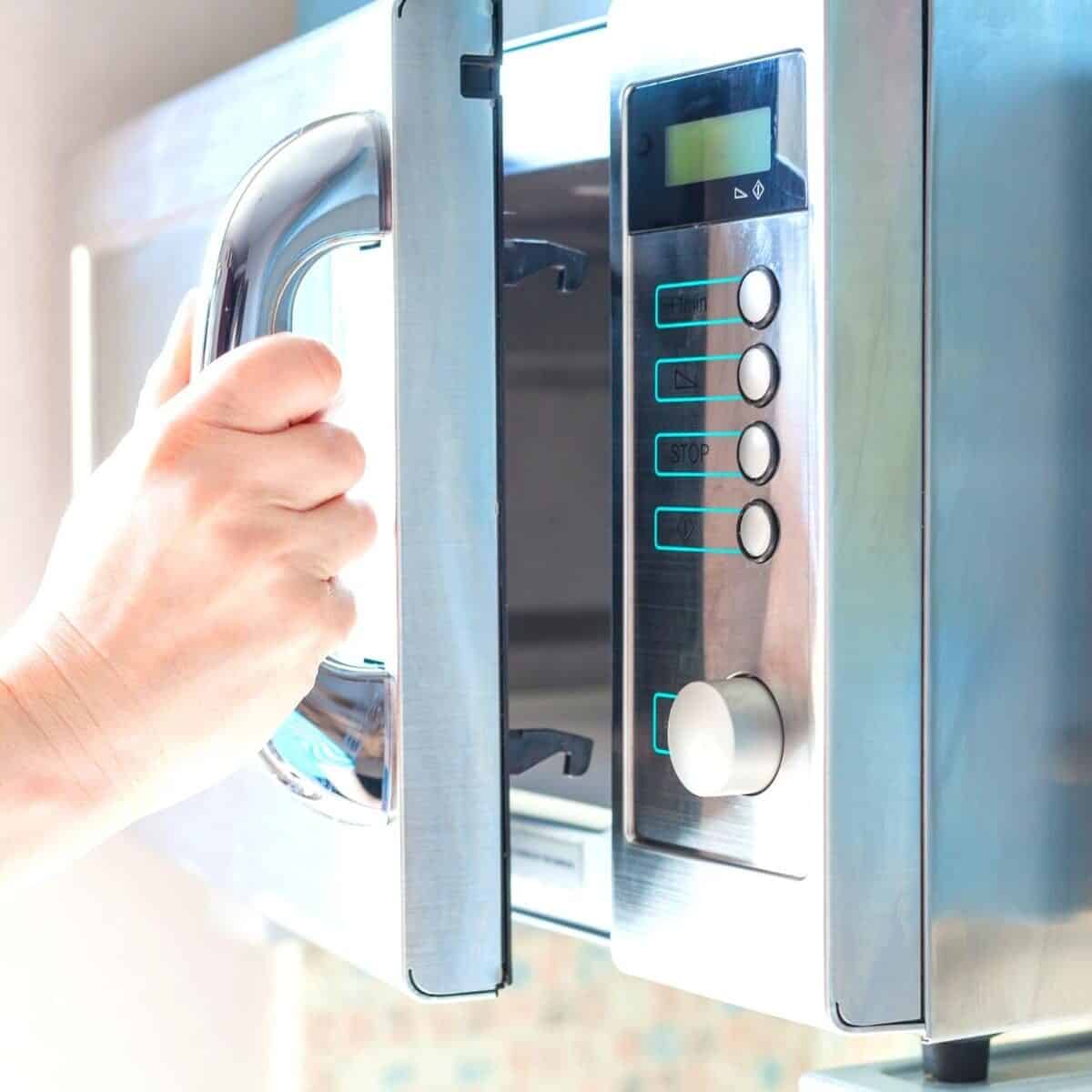
Microwave meals are not automatically unhealthy. The fact that a meal is heated in a microwave doesn’t make it less healthy. What matters is the nutritional content of the meal itself, including factors such as protein, fibre, vegetables, calories and salt.
Are frozen ready meals healthier than chilled ready meals?
Not necessarily. Both frozen and chilled ready meals can be healthy or less healthy depending on their ingredients and nutritional content. Frozen meals can sometimes retain nutrients well because ingredients are frozen quickly after preparation.
Are ready meals ultra-processed foods?
Many ready meals are classified as ultra-processed foods, but not all ready meals are the same. Some contain long ingredient lists and additives, whilst others are made from relatively simple ingredients. It’s often more useful to look at the overall nutritional quality of a meal rather than focusing on a single label.
What should I look for in a healthy ready meal?
A healthier ready meal will usually contain a good source of protein, some vegetables, a reasonable amount of fibre and moderate levels of salt and saturated fat. It should also be filling enough to satisfy you without leaving you hungry an hour later.
Are ready meals high in salt?
Some ready meals can be quite high in salt, which is why checking the nutrition label can be helpful. If you’re trying to reduce your salt intake, compare products and choose options with lower sodium levels where possible.
Is a ready meal healthier than a takeaway?
In many cases, yes. Ready meals often have clear nutritional information and controlled portion sizes, making it easier to understand exactly what you’re eating. Whilst some takeaways can be nutritious, they are often larger portions and may contain more calories, salt and fat than expected.
Can ready meals be part of a healthy diet?
Absolutely. A healthy diet is about overall eating habits rather than individual foods. Ready meals can be a useful option when you’re short on time, tired or unable to cook from scratch, especially if you choose balanced options and combine them with other nutritious foods.
Are low-calorie ready meals healthy?
Not always. A meal being low in calories doesn’t automatically make it healthy. Some low-calorie meals may leave you feeling hungry because they contain little protein or fibre. It’s important to look at the overall nutritional value rather than calories alone.
How often can you eat ready meals?
There isn’t a specific limit that applies to everyone. If ready meals help you eat regularly, manage portions or avoid frequent takeaways, they may have a useful place in your routine. The key is maintaining a balanced diet overall and not relying on any one type of food all the time.
Which supermarket has the healthiest ready meals?
Most major UK supermarkets now offer healthier ready meal ranges. Rather than focusing on the supermarket, it’s often better to compare individual products and look for meals that contain plenty of vegetables, a good source of protein and sensible levels of salt and saturated fat.
Are ready meals suitable for people trying to eat healthier?
They can be. Many people assume healthy eating means cooking everything from scratch, but that’s not always realistic. A well-chosen ready meal can sometimes be a more balanced option than skipping meals, grabbing fast food or relying on snacks.
Should I feel guilty about eating ready meals?
Definitely not. Food choices don’t need to be perfect to be helpful. Life can be busy, stressful and unpredictable, and ready meals can be a practical solution. What’s most important is your overall pattern of eating rather than one meal on one particular day.


