Craving the Crunch? Here Are 7 Healthy Alternatives to Crisps
I admit it. I love a packet of crisps. There is something so satisfying about opening a fresh bag and hearing that first crunch. It is the perfect snack for watching TV, sitting at a desk, or just getting through a long afternoon.
But I also know that my crisp habit is not doing my body any favours. Most crisps are fried in oil and then sprinkled with salt. When I look at the nutrition label, I am often shocked by how many calories are in just one small bag. It is easy to eat two or three packets without even noticing.
If you are like me, you want to eat better, but you do not want to give up that savoury crunch. The good news is that you do not have to. There are plenty of delicious snacks that are much better for you. They can give you the energy you need without the high salt and bad fats found in processed crisps.
In this post, I am going to share why we should swap out the crisps and what we can eat instead. These swaps are tasty, easy to prepare, and good for your wallet, too.
Why should you stop eating so many crisps?
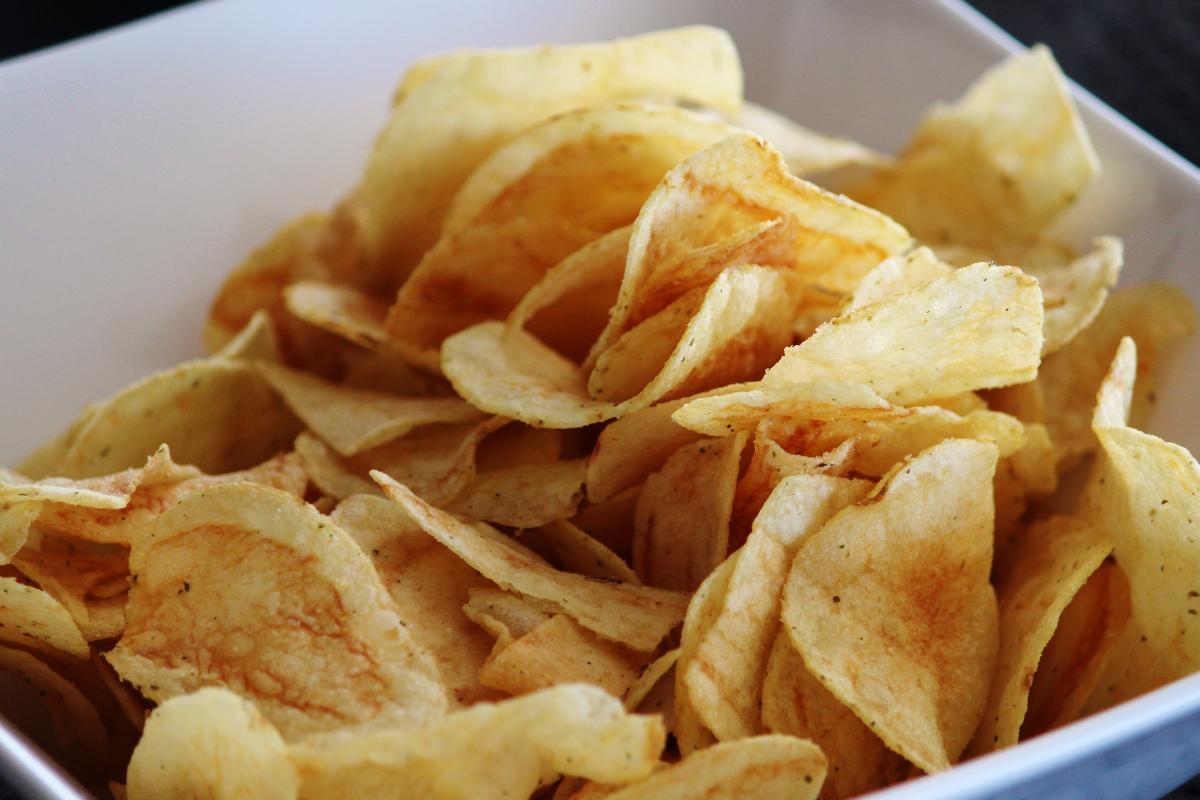
We all know crisps are considered “junk food,” but it helps to understand exactly why they can be harmful to our health if we eat them too often. It mostly comes down to three things: salt, fat, and empty calories.
How does salt affect your body?
Salt is the biggest issue with savoury snacks. Your body needs a little bit of sodium to work properly, but most of us eat far too much. The Centres for Disease Control and Prevention states that Americans consume more than 3,300 milligrams of sodium per day. That is way above the recommended limit.
The dietary guidelines suggest we limit sodium intake to less than 2,300 mg per day. To put that in perspective, one teaspoon of table salt contains about 2,400 mg of sodium. If you eat a packet of salted crisps, a sandwich for lunch, and a ready meal for dinner, you are likely going way over the limit.
Eating too much salt can raise your blood pressure. High blood pressure puts a strain on your heart and can lead to heart disease and stroke. Cutting down on salty snacks is one of the easiest ways to protect your heart.
What about the fat content?
Crisps are usually fried in oil. This adds a lot of saturated fat. The dietary guidelines recommend limiting saturated fat to less than 10% of your total calories per day. Foods high in saturated fat can raise your cholesterol levels, which is another risk factor for heart problems.
Are you eating empty calories?
Crisps are what nutritionists call “empty calories.” This means they give you energy (calories) but very few nutrients, such as fibre, vitamins, or minerals. You eat them, but they do not make you feel full for very long. This often leads to overeating because your body is still looking for the nutrients it needs.
How do you choose a healthier snack?
Before we look at the specific food swaps, it is helpful to know what makes a snack “healthy.” You want a snack that satisfies your hunger and keeps your energy levels steady.
According to the American Heart Association, a good snack should pair a complex carbohydrate with a lean protein and healthy fat. This combination helps you feel full longer. It also stops your blood sugar from spiking and crashing, which can happen with sugary or starchy snacks.
How can you read food labels easily?
In the UK, we have a very helpful system on food packaging called the “traffic light” label. This makes it easy to see at a glance whether a snack is a good choice.
- Green: This means the food is low in that nutrient. This is a healthy choice.
- Amber: This means the food is medium in that nutrient. You can eat this, but not all the time.
- Red: This means the food is high in that nutrient. You should try to cut down on these foods or eat them only as a rare treat.
The NHS suggests picking products with more greens and ambers and fewer reds. If you pick up a bag of crisps and see red lights for fat and salt, put it back and look for something else.
What are the best crunchy alternatives?
If you miss the crunch of crisps, these are the best swaps for you. They satisfy that need to chew on something crispy but offer much better nutrition.
1. Is popcorn actually healthy?
Yes, popcorn can be a fantastic healthy snack! It is a whole grain, which means it is high in fibre. Fibre is important for your digestion and can help lower cholesterol.
The problem with popcorn is usually what we add to it. Cinema popcorn or the microwave bags covered in “butter flavour” are often full of fat and artificial ingredients.
How to eat it:
Make your own popcorn at home using an air popper or a pot on the stove with a tiny bit of oil. Do not drown it in salt or sugar. Instead, use herbs and spices for flavour. You could try paprika, chilli powder, or even a little cinnamon. This gives you a tasty snack that is high in volume but low in calories.
2. Can nuts and seeds replace crisps?
Unsalted mixed nuts are a great alternative. They are crunchy and satisfying. Unlike crisps, nuts are full of protein, fibre, and healthy fats. This means a small handful can make you feel full, whereas a big bag of crisps often leaves you wanting more.
However, nuts are high in energy. The NHS reminds us to keep an eye on the amount you eat. A small handful is a perfect portion size.
How to eat it:
Look for raw or dry-roasted nuts that have no added salt or sugar. Almonds, walnuts, and cashews are all delicious choices. You can also try seeds like pumpkin seeds or sunflower seeds. These are great for sprinkling over other foods or eating on their own.
3. Have you tried roasted chickpeas?
If you have only ever eaten chickpeas in a curry or salad, you are missing out. When you roast them in the oven, they turn into little crunchy bites that are very similar to savoury snacks.
Chickpeas are packed with protein and fibre. They are also very cheap to buy, especially if you get them in a tin.
How to eat it:
Drain a tin of chickpeas and pat them dry with a kitchen towel. This step is important to make them crispy. Toss them in a bowl with a small splash of olive oil and your favourite spices. Cumin, coriander, and garlic powder work very well. Spread them on a baking tray and roast them in the oven until they are golden and crunchy.
4. What about veggie crisps?
You might see bags of “vegetable crisps” in the shop made from beetroot or parsnip. Be careful with these. Often, they are fried just like potato crisps and can have just as much fat and salt.
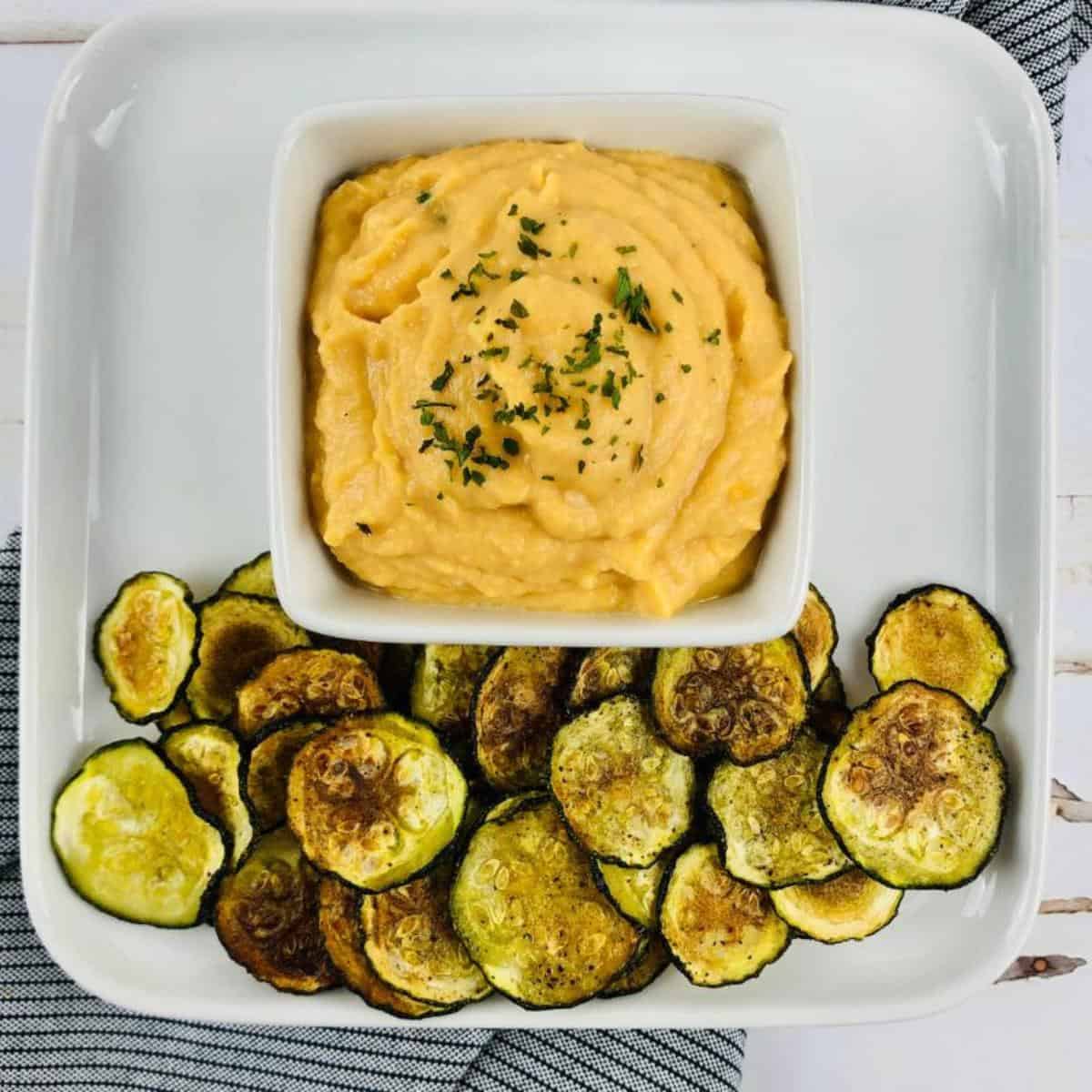
A better option is to make your own kale crisps or vegetable chips at home.
How to eat it:
Tear kale leaves into bite-sized pieces. Rub them with a bit of olive oil and bake them in a low oven until they are crisp. They are very light and dissolve in your mouth. You can do the same with thin slices of sweet potato or beetroot. Because you are making them at home, you can control exactly how much oil and salt go on them.
What if I want a dip?
Sometimes the best part of snacking is dipping food into something creamy. Crisps and dip are a classic party food, but they are a calorie trap. Here is how to do it better.
5. What vegetables work best for dipping?
Fresh vegetables count towards your 5 A Day. They are full of vitamins and minerals. The crunch of a fresh carrot stick or a slice of pepper is just as satisfying as a crisp.
How to eat it:
Cut up a variety of raw vegetables. Carrots, cucumbers, celery, and bell peppers are classic choices. You can also try sugar snap peas, radishes, or even raw cauliflower florets. Keep a box of chopped veggies in the fridge so they are ready when you get hungry. This is one of the best tips to stop you from reaching for the biscuit tin.
6. What is a healthy dip option?
Instead of buying high-fat sour cream dips, try hummus. Hummus is made from chickpeas and sesame paste. It has protein and good fats. The NHS recommends lower-fat hummus with chopped veg as a smart snack swap.
Another great option is a product called quark. Quark is a dairy product that is very popular in healthy cooking. It is a soft cheese, but it is very low in fat and high in protein.
How to eat it:
You can use plain quark as a base for a creamy dip. Mix in some fresh herbs, chopped chives, or a little garlic. It makes a dip that tastes very indulgent but is actually very healthy. You can also use plain yoghurt or lower-fat cream cheese.
What are some other simple swaps?
If you are not in the mood for veggies or nuts, there are a few other items you can keep in your cupboard.
7. Are rice cakes a good choice?
Plain rice cakes or corn cakes are a staple of healthy snacking. They are low in calories and have a nice crunch.
How to eat it:
On their own, rice cakes can be a bit plain. Try spreading a little peanut butter or almond butter on top for some protein. You could also add a slice of low-fat cheese and some cucumber.
If you have a sweet tooth, a slice of malt loaf is another swap suggested by the NHS. It is lower in fat than cake or biscuits and gives you a squishy, chewy texture that is very satisfying.
How to build better snacking habits
Changing what you eat is only half the battle. How you eat is just as important. Here are three simple tips to help you break the crisp habit.
Are you actually hungry?
Sometimes we reach for snacks because we are bored, stressed, or thirsty, not because we are hungry. Before you open a snack, drink a glass of water and wait ten minutes. You might find that the craving goes away.
Why does portion size matter?
It is very hard to stop eating when you have a big bag open in front of you. Experts suggest that you never eat straight from the packet. Take a small bowl, put a sensible portion in it, and put the packet away. This helps you keep track of how much you are eating.
Can you change your environment?
The easiest way to avoid eating crisps is not to buy them. If they are not in your house, you cannot eat them. Fill your cupboards and fridge with the healthy options we have discussed. When you look for a snack, you will see fruit, nuts, or popcorn instead.
A study mentioned by the American Heart Association showed that people often eat food just because it is there, like in vending machines or break rooms. If you work in an office, bring your own healthy snacks from home so the unhealthy options at work do not tempt you.
You can make the change today
Giving up your favourite salty snacks might seem difficult at first. I know I missed them for a while. But once you start trying these alternatives, you will realise how good they can taste.
You do not have to be perfect. If you eat a healthy diet most of the time, having a small bag of crisps now and then is okay. The goal is to make healthy choices the normal habit, not the exception.
Start by trying one of the swaps on this list. Maybe roast some chickpeas this weekend or buy a bag of popping corn. Your heart and your waistline will thank you for it.