8 Tips for Sailing Out of New York
Three different cruise terminals serve the New York area, and knowing which one applies to a booking changes almost everything about planning the day of departure. Manhattan Cruise Terminal sits on the Hudson River at 55th Street, Brooklyn Cruise Terminal is tucked into Red Hook near the harbor, and Cape Liberty in Bayonne, New Jersey, handles a large share of departures despite the “New York” branding on the itinerary. Getting the logistics right before stepping foot on the ship makes the whole experience smoother. These eight tips cover what actually matters when sailing out of the city.
Confirm the exact terminal before booking transportation
Cruise lines list departures as “New York” even when the ship actually sails from Bayonne, New Jersey. This distinction matters because Cape Liberty is roughly 20 minutes from Manhattan by car but requires a completely different route than the Manhattan or Brooklyn terminals. Check the booking confirmation for the terminal address, not just the city name, before arranging a taxi, car service, or parking reservation.
Reserve parking ahead of time if driving
All three terminals offer on-site parking, but rates run high, often between $25 and $40 per day depending on the terminal and length of the cruise. Cape Liberty and the Manhattan terminal both allow advance online booking for parking, which locks in a lower rate than paying at the gate. Arriving without a reservation on a busy Saturday can mean circling for a spot while the clock ticks toward boarding cutoff.
Time arrival for the early afternoon, not the morning rush
Boarding typically opens between 11:00 a.m. and 12:30 p.m., and showing up right at that window tends to mean shorter lines than arriving at 9:30 a.m. hoping for early access. Terminals process passengers in waves tied to check-in appointments, so an early arrival often just means waiting in a holding area. Checking the specific boarding time assigned during online check-in avoids unnecessary standing around with luggage.
Build in extra time for traffic near the terminals
Manhattan’s West Side Highway backs up frequently on weekends, and the approach to Cape Liberty runs through industrial roads that can bottleneck when multiple ships are in port the same day. Brooklyn’s terminal sits near the Brooklyn-Queens Expressway, another stretch prone to slowdowns. Anyone driving from an airport or hotel should pad the estimated travel time by at least 45 minutes, especially on Saturdays and Sundays when most sailings depart.
Pack a light jacket for the sail-away
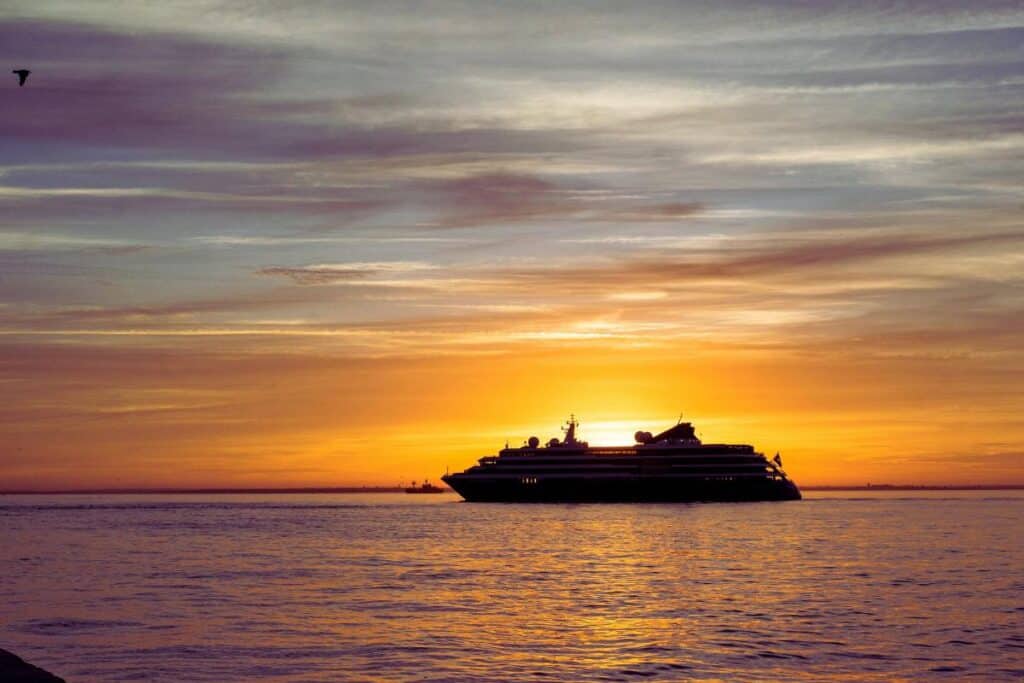
Ships departing New York cross under the Verrazzano-Narrows Bridge and pass the Statue of Liberty on the way out to open water, a stretch that takes roughly 30 to 45 minutes depending on the ship’s route. Wind off the harbour can feel sharp even on a warm afternoon, and the upper decks fill quickly with passengers trying to catch photos of the skyline. A light jacket or hoodie kept in carry-on luggage means not missing that view because of discomfort.
Plan a pre-cruise night in the city if flying in
Flight delays into LaGuardia, JFK, or Newark are common enough that cruise lines recommend arriving at least a day before departure. Booking a hotel near the terminal the night before also removes the stress of a same-day arrival gone wrong. For travellers who want to see a Broadway show or walk through Central Park first, this extra night turns a logistics necessity into a bonus city visit. Many travellers researching cruises from New York find that pairing a night in Manhattan with the sailing makes the trip feel like two vacations instead of one rushed transition.
Budget separately for city costs
New York adds expenses that don’t show up on a typical cruise budget spreadsheet: tolls, parking, hotel taxes that run higher than most other U.S. cities, and meals that cost more than they would in a smaller port town. A simple dinner near the Manhattan terminal can easily run $40 to $60 per person before tip. Setting aside a separate cash or card budget for the pre- and post-cruise city portion keeps the overall trip cost from creeping up unexpectedly.
Check the disembarkation terminal, since it may differ
Some itineraries depart from one New York-area terminal and return to another, particularly on repositioning cruises or seasonal schedule changes. Return transportation booked based on an assumption about the terminal can leave a traveller stranded if the ship docks somewhere unexpected. Confirming both the departure and arrival terminal addresses when finalizing travel plans avoids a scramble on the last morning of the trip.
Sailing out of New York rewards a little extra homework before departure day. The terminals are close together on a map but far enough apart in practice that mixing them up creates real problems, and the city’s traffic and costs punish anyone who treats it like a smaller, simpler port. Nail down the terminal, the timing, and the budget in advance, and the only surprise left should be the skyline view as the ship pulls away from the harbour.