Why Good Layout Decisions Matter When Building a Home Pantry
A well-planned pantry gives every household a smoother daily rhythm because it removes friction from meal preparation and cuts down on time spent searching for ingredients. The layout shapes how easily items can be found, how well supplies stay visible, and how comfortably the family moves within the space. When the structure is intentional, the pantry supports cooking habits, shopping patterns, and long-term organisation.
A thoughtful layout addresses the relationship between shelves, zones, lighting, and access, forming a space that works consistently rather than one that becomes cluttered or forgotten. Good decisions at the design stage make the pantry adaptable to changing needs, allowing it to grow with the household rather than restrict it.

Designing a Space That Works With Daily Movement
The flow inside a pantry determines whether tasks feel smooth or frustrating. Placing high-frequency items at arm’s reach reduces effort and avoids unnecessary bending or stretching. When the layout reflects how people naturally move, the pantry becomes easier to maintain. Grouping items in a path that mirrors cooking patterns helps create a sense of automatic order. The physical layout of shelves, whether they encourage quick access or require extra steps, sets the tone for how the space functions.
A layout that anticipates restocking routines prevents traffic jams in narrow areas and keeps movement simple. Families benefit from a clear, intuitive structure every time they walk into the pantry, making the space feel like an aid rather than an obstacle. A design rooted in natural motion patterns supports long-term usability.
Entry Layout Choices That Improve Organisation and Flow
The doorway determines how people engage the pantry from the moment it opens. A narrow entry can limit movement and create crowding during busy times. Swing direction matters, since a poorly positioned door might block access to key shelves. Designing the pantry around smooth reach distances enhances comfort, allowing people to retrieve items without awkward positioning.
Whether the pantry is a walk-in, cabinet-style, or a transitional hybrid, the entry point deserves as much attention as the interior. Many households explore design inspiration to refine these decisions, turning to resources featuring concepts such as reach-in pantry ideas that help improve accessibility and use of space. Layout choices connected to entry points shape the convenience and safety of the pantry experience.
Why Visibility Is a Core Part of Smart Pantry Layout
Visibility is one of the strongest influences on whether a pantry stays tidy. When items can be seen without digging, clutter is less likely to form. A layout that elevates visibility encourages better product rotation, fewer forgotten ingredients, and less waste. Shelves with consistent spacing enhance line of sight, preventing dark corners where snacks or condiments can disappear.
Lighting plays a central role as well, helping highlight what is stored and guiding the eye toward designated zones. Even small layout adjustments, such as placing shorter items in front or using risers, can significantly improve how quickly someone can identify what they need. Clear visibility leads to quicker decisions in the kitchen and steadier organisational habits among everyone who uses the space.
How Strategic Zoning Strengthens Pantry Functionality
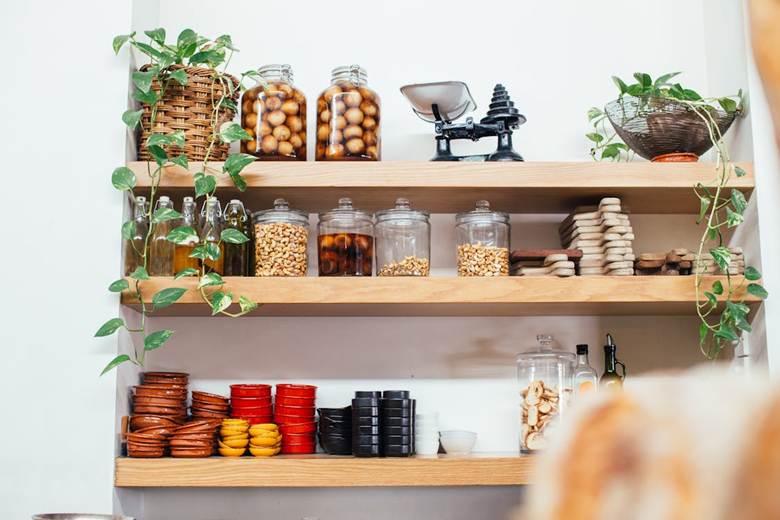
Zoning gives the pantry an internal structure that makes sense to anyone who opens the door. When baking supplies live together, snacks sit in their own section, and canned goods line up on clearly assigned shelves, the layout supports automatic organisation. Zones reduce the mental load of deciding where items should go after grocery shopping. They simplify tidying because everything has an obvious home.
Families gain clarity when every shelf has a clear purpose, turning the pantry into a more dependable system. Introducing zones at the design stage ensures the space remains coherent as the household’s storage needs shift. Layout decisions that prioritise zoning encourage predictability and harmony rather than disorder.
The Impact of Shelf Depth and Height on Storage Success
Shelf depth influences accessibility and order. Deep shelves may appear appealing at first, but they often cause items to get lost behind one another. Shallow or mid-depth shelves make rotation easier and support better visibility. Height matters too, as it determines what belongs where in the pantry. Taller shelves accommodate appliances or bulk items, while shorter intervals are better for cans and jars.
Adjustable shelving lets the pantry adapt to seasonal changes or dietary shifts without a complete overhaul. Thoughtful assessment of what the household stores ensures that the shelf layout reflects real-life needs. Small choices in depth and height lead to significant improvements in daily use and organisation.
When Storage Accessories Strengthen the Layout
Accessories add structure to a pantry, but they work best when integrated into the layout rather than added as an afterthought. Pull-out drawers reduce the need to reach deep into shelves and limit strain on the back. Lazy Susans provide easy access to oils, sauces, or smaller containers that would otherwise cluster in corners. Clear bins define categories and stop spillover between zones.
While accessories can elevate the pantry, the layout must support them by making sure shelves have proper spacing and weight distribution. Families can choose accessories based on real usage patterns rather than trends, creating an environment that feels natural and balanced. When paired well with a solid layout, these tools strengthen the pantry’s organisation rather than overwhelm it.
A Look at Storage Options That Adapt to Household Rhythm
Adaptability helps a pantry remain useful as shopping habits, dietary needs, or family sizes shift. A layout that incorporates flexible components lets households adjust without needing a remodel. Adjustable shelves respond to changing product packaging or bulk purchases. Modular inserts can be rearranged as categories evolve.
Some families switch zones throughout the year, giving certain shelves priority during holiday baking or school months. Designing the pantry with adaptability in mind keeps it relevant and comfortable, even as life changes. This versatility reduces clutter because the structure always fits current needs, rather than forcing items into awkward spaces. Here are several ways adaptable storage can support the pantry’s daily rhythm:
- Accommodates seasonal baking or holiday cooking supplies
- Creates space for bulk buying without overcrowding smaller items
- Expands or contracts zones based on changing family routines
- Prevents disruptions when new appliances or containers join the collection
- Encourages steady organisation because the system bends rather than breaks
Each point reflects how layout decisions create long-term confidence in the pantry’s performance.
Good layout decisions transform the pantry from a simple storage area into a daily support system. When shelves, zones, lighting, entry points, and accessories all align with natural household habits, the space stays organized and functional. Careful planning prevents clutter, increases comfort, and creates a pantry that adapts as life evolves. Through smart design choices, the pantry becomes a dependable part of the home—one that consistently offers clarity, convenience, and ease.