
Durability Test: Metal Wallets vs. Traditional Wallets
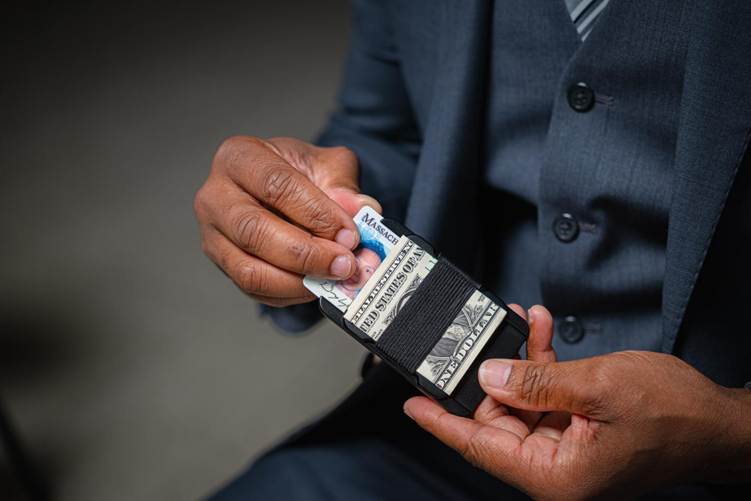
The classic bifold leather wallet was commonly found in everyone’s pockets, while the fabric ones were seen as a more casual substitute but were equally famous. However, over time, a competitor, the metal wallet, has stepped in, guaranteeing premium resilience. This sleek, usually minimalist accessory boasts durability that traditional wallets often can’t match.
Wondering whether metal models can endure your rough and tough lifestyle? Then this blog will provide a detailed comparison to help you choose the best wallet.
Furthermore, you can pamper your financial kingdom with a Shuffle metal wallet and see how you feel relaxed while roaming everywhere with it.
The Contenders
To conduct this experiment, we selected two wallets:
The Metal Wallet
It is a slim, RFID-blocking wallet crafted from aluminium alloy with a brushed finish. Moreover, the metal wallet has a minimalist design with capacity for up to six cards and some folded bills, held together by a sturdy clip. The key selling point is its strong structure and resistance to scratching and bending.
The Traditional Wallet
On the other hand, we chose a traditional, classic bifold leather wallet. It provided multiple card slots, a compartment for bills, and an ID window. These wallets are known for their softness and the charm they develop over time, but they are also prone to scratches, stretching, and water damage.
Both carrying accessories were used consistently for six months, in the same front pocket during heavy working days and leisure activities.
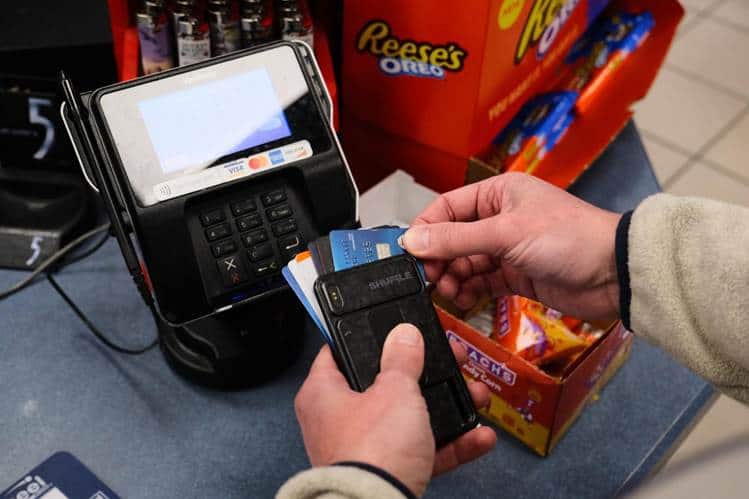
Durability Was Tested
The test’s purpose was not scientific or to involve extreme conditions. Instead, the aim was to check durability, which included:
Pocket Time
We inserted and removed the wallets from the front pocket several times, where keys, phones, and other daily items were also kept.
Handling
We handled it frequently to take out cards and cash.
Accidental Bumps and Scrapes
We checked whether the wallets could withstand accidental bumps and scrapes to determine which was more durable.
The Metal Wallet
After using the metal wallet consistently for six months, it showed startling resilience. The aluminium alloy structure rightfully lived up to its guaranteed durability:
Scratches
The surface showed very few, but extremely light scratches, barely prominent unless you view them under direct light. No abrasions or deep gouges.
Bending
The metal wallet refused to bend and retained its original form. There was no warping or distortion, even after sitting on it.
Functionality
The card slots and money clip remained tight and functional. The wallet also proved functional, as the cards stayed secure with no risk of anything slipping out.
The Traditional Wallet
While still functional, the leather wallet provided more evident signs of wear and tear:
Scratches
The traditional wallet had plenty of light scratches and scuff marks on its surface. Others might argue this only adds to the leather’s “character.”
Stretching: The card slots had stretched slightly, making some cards feel a little looser than when the wallet was new.
Shape Distortion
Consistent use distorted the wallet’s shape. It began to lose its crispness and shape, becoming like the shape of the pocket.
Water Marks
A few watermarks were also visible from occasional exposure to light rain.
The Verdict
Based on the six-month personal test, the metal wallet is the most durable. Its aluminium construction resists bending, scratches, and other daily wear and tear.
Whereas the leather wallet developed a certain charm but got more scratches. Therefore, those who prioritise longevity and a wallet that maintains its original appearance over time should buy a metal wallet.