
Supporting Someone With a Learning Disability in Hospital: What I’ve Learned as a Carer
Hospital is rarely a pleasant experience for anyone, but when you are supporting someone with a learning disability, it can feel as though there are far more things to think about than simply why they are there.
I’ve been through planned admissions, pre-operative appointments, emergency visits and hospital stays with my son, Ben, over the years. He has a learning disability, autism and ADHD, and while every visit has been different, there are certain things I’ve learned that I really wish I’d known from the beginning.
The biggest lesson is that carers often know the person better than anyone else in the room, but hospitals don’t automatically know that. You can find yourself explaining how your loved one communicates, what makes them anxious, how they show that they’re in pain and what helps them feel safe, sometimes several times over as different members of staff come and go.
That can be exhausting when you’re already worried about the person you care for, but I’ve gradually learned that speaking up early and making sure staff understand their needs can make an enormous difference to how the whole experience unfolds.
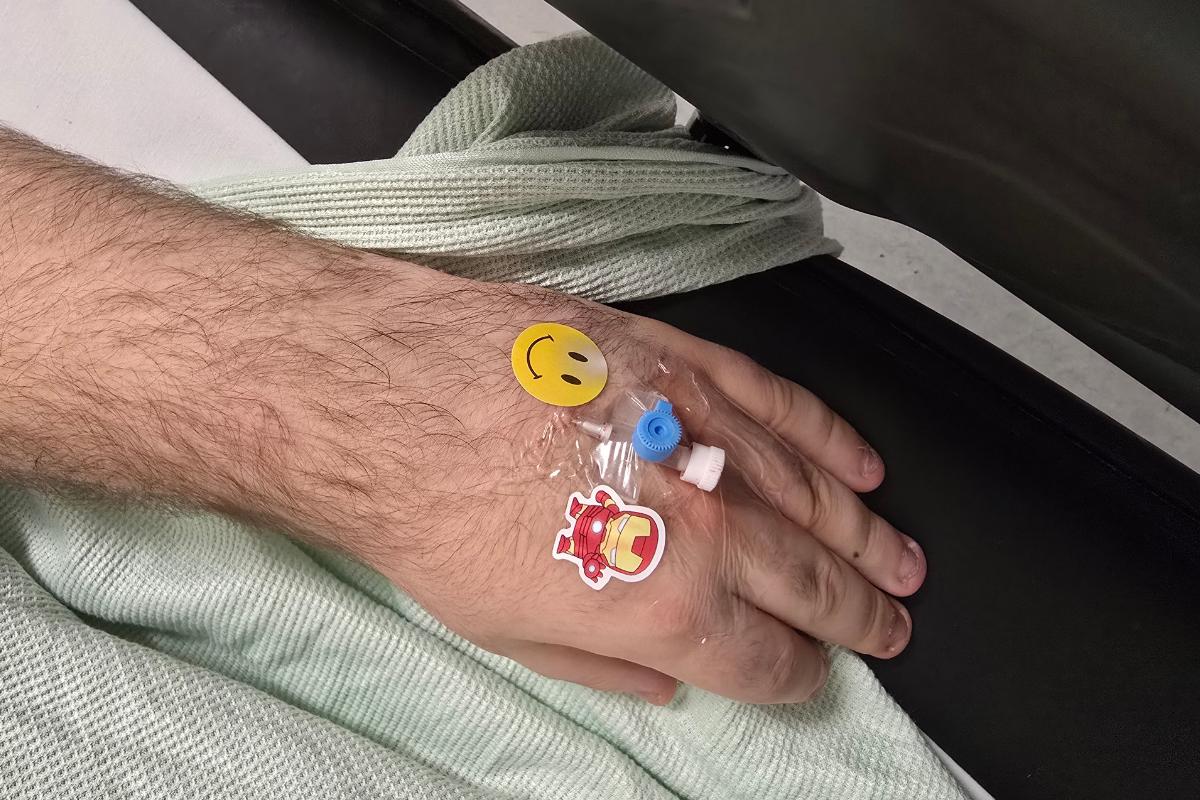
Hospitals can be overwhelming in ways that aren’t always obvious
For someone with a learning disability, a hospital isn’t simply somewhere they go to have a test or receive treatment. It is an unfamiliar environment with bright lights, strange noises, people they have never met and routines that are completely different from home.
Ben can find medical procedures particularly difficult, and anxiety can make it much harder for him to take in explanations or understand why something is happening. I’ve learned that what might seem like a small change to somebody else, such as being moved to a different waiting area or seeing a different nurse than expected, can have a much bigger impact on him.
There have been times when I’ve found myself acting as a kind of translator, not because he can’t communicate at all, but because I know the difference between him being worried, confused, in pain or simply overwhelmed. I also know the things that usually help him calm down and the approaches that are likely to make things worse.
That knowledge is incredibly valuable in hospital, although I don’t think I realised at first that it was okay to make sure staff knew that.
I wish I’d known about reasonable adjustments much earlier
When we first started going to hospital regularly, I think I assumed that we simply had to fit into the way the hospital worked. If there was a busy waiting room, we waited. If an explanation was rushed, I tried to explain it again afterwards. If Ben was becoming increasingly anxious, I concentrated on helping him cope.
It took me quite a while to understand that people with learning disabilities are entitled to reasonable adjustments to help them access healthcare, and that these aren’t special favours.
Depending on the person’s needs, that might mean having information explained more slowly or in a different format, being given extra time during an appointment, waiting somewhere quieter if possible or allowing a familiar carer to stay with them.
I’ve found that it helps to say this clearly rather than hoping staff will notice. Something as simple as explaining that your loved one has a learning disability and needs reasonable adjustments gives the conversation somewhere to start.
Most staff have been kind and genuinely want to help, but hospitals are busy places and they can’t always know what somebody needs unless someone tells them.
The hospital passport is something I now keep with me
If I could go back and give myself one piece of advice before our earlier hospital visits, it would be to have a hospital passport ready.
A hospital passport contains the things that matter most about the person rather than simply their diagnosis. It can explain how they communicate, how they show pain, what makes them anxious, whether they have sensory sensitivities, what helps them calm down and any other information that will help staff understand them.
I keep a copy of Ben’s passport with me and another on my phone because I know how difficult it is to remember everything when you’re suddenly in A&E or dealing with an unexpected admission.
It doesn’t mean you won’t still have to answer questions, and I wouldn’t want to pretend every member of staff will read every page, but when it is used properly it can save a huge amount of explaining and helps staff see the person in front of them rather than simply the words “learning disability” in their notes.
I’ve found that handing it over early works much better than waiting until things have already become difficult.
Ask for the learning disability liaison nurse as early as you can
One of the best pieces of practical advice I can give is to ask whether the hospital has a learning disability liaison nurse.
I hadn’t realised how valuable this role could be until we had experienced it ourselves. They understand both the hospital system and the additional needs of people with learning disabilities, and they can often help make sure that communication needs and reasonable adjustments are understood before problems start.
When somebody like that becomes involved early, it can take some of the pressure off you as the carer because you’re no longer the only person trying to explain what is needed.
If we have a planned admission now, I would much rather ask for that support beforehand than wait until Ben is already distressed and everyone is trying to solve the problem at once.
Carers often know things that aren’t written in the notes
One of the hardest parts of being a carer in hospital is knowing that you understand the person you’re supporting in a way that nobody else can.
I know when Ben is frightened rather than simply refusing something. I know when he’s trying to be brave but is becoming overwhelmed. I know the difference between his normal behaviour and the signs that something genuinely isn’t right.
Those things aren’t always easy to explain in a medical record.
I’ve sometimes felt as though I had to prove that I knew what I was talking about, even though I’ve spent twenty years caring for him. Most healthcare professionals do listen, and I’ve met some absolutely wonderful staff, but there have also been occasions where I’ve had to repeat myself or be much firmer than I would have liked.
One incident that has stayed with me was when a nurse sat on Ben’s arm while blood was being taken to try to keep him still. I found that completely unacceptable and had to complain afterwards. It was one of those moments where I realised that being calm doesn’t mean saying nothing when something isn’t right.
I’ve learned that you can advocate firmly without shouting. Sometimes you simply have to repeat the important information until somebody listens.
The Mental Capacity Act can feel confusing when you’re in the middle of a hospital stay
This is something that can worry carers because there is a lot of misunderstanding about what having a learning disability means when it comes to making decisions.
Having a learning disability doesn’t automatically mean somebody can’t make their own decisions. Capacity is about the particular decision that needs to be made.
Ben can make lots of decisions for himself. He knows what he wants to eat, what clothes he wants to wear and whether he wants a plaster on a cut. There are other situations, particularly when anxiety takes over or a complicated medical procedure is involved, where he may need much more support to understand what is being discussed.
I’ve found it helpful to remember that staff should involve the person as much as possible and should not simply assume they are unable to decide because they have a learning disability.
As his mum, I can explain what usually helps him understand information and what his wishes are likely to be, but that doesn’t mean speaking over him. It means helping make sure his voice is heard in the way that works best for him.
If you have a Lasting Power of Attorney (LPA) for Health and Welfare, you can make the decision for them. If not, the doctor makes the final call, but they must listen to your views.
If there is a disagreement about serious medical treatment, you can ask for an Independent Mental Capacity Advocate (IMCA). This is someone independent who supports people who lack capacity and have no family to speak on their behalf. Even though you are there, knowing about IMCAs is helpful if you ever feel your voice is not being heard.
Planned admissions are very different from emergencies
When you know a hospital visit is coming, there is much more you can do beforehand.
We’ve found that preparing Ben for what will happen can make a real difference. Depending on the appointment, that might mean talking through it several times, looking at pictures of the hospital, packing familiar items or simply making sure he knows roughly what to expect.
I also make sure his medication list and hospital passport are up to date because I know that if something changes, it is much easier to correct it before we’re sitting in a busy waiting room.
Emergencies are obviously much harder because you don’t get that opportunity. When we’ve had to go to A&E unexpectedly, I’ve found it helps to tell the ambulance crew or reception staff about Ben’s learning disability straight away rather than waiting until he is becoming anxious.
I try to explain the most important things first: how he communicates, what tends to make things worse and what usually helps. There is rarely time to tell his whole life story, so concentrating on the information that will make the biggest immediate difference is often the most useful approach. This can help them make reasonable adjustments you suggest or that are in the hospital passport.
Being the carer can be exhausting too
I think this is the part that doesn’t get talked about enough.
When you’re supporting someone with a learning disability in hospital, you don’t stop being their parent or carer just because there are doctors and nurses around. If anything, you often become even more alert because you’re watching how they are coping, trying to remember what everyone has said and making sure important information hasn’t been missed.
I’ve spent hospital stays feeling as though I couldn’t completely relax because I was listening for every conversation and trying to work out whether Ben understood what was happening. Even when staff have been brilliant, it’s tiring.
At King’s Mill Hospital, we’ve generally had really positive experiences. During one stay I was given a pull-out bed so I could sleep in the same room as Ben, and there were occasions when staff brought me food and drinks too. Those things might sound small, but when you’re staying with somebody because they need you there, being treated as part of the care rather than an inconvenience makes an enormous difference.
We’ve also had good experiences at Newark Hospital during pre-operative appointments and out-of-hours care, and I think it’s important to say that there are many healthcare professionals who go out of their way to make things easier.
That doesn’t mean every experience has been perfect. It simply means that when hospitals and carers work together, the difference is noticeable.
If things don’t go as they should
No matter how prepared you are, there will probably be times when information isn’t passed on or somebody doesn’t understand what your loved one needs.
I’ve learned that it’s okay to ask to speak to the nurse in charge, request the learning disability liaison nurse or contact PALS if you have concerns. Doing that doesn’t mean you’re trying to cause trouble. You’re trying to make sure the person you’re caring for is receiving the support they need.
I used to worry much more about being seen as difficult, but I’ve become more confident with experience. If something is important, I would rather explain it again than stay quiet and wish I’d spoken up later.
What I wish I’d known before our first hospital visit
Looking back, I don’t think I needed to know every NHS policy or understand every piece of legislation before walking through the doors. What would have helped was knowing that it was okay to ask for support and that I didn’t have to wait until something had gone wrong before speaking up.
Having a hospital passport, asking about the learning disability liaison nurse and being clear about what helps Ben are the three things that have probably made the biggest difference over the years.
I’ve also learned to trust what I know about him. Healthcare professionals have expertise that I don’t have, but I have years of experience of my son. The best hospital experiences have always been the ones where those two kinds of knowledge have been brought together rather than treated as competing with each other.
Supporting someone with a learning disability through hospital appointments or admissions is never likely to become completely stress-free. There will still be unfamiliar people, unexpected changes and moments where you feel as though you’re trying to hold everything together.
What has changed for me is that I no longer feel quite as though we’re simply at the mercy of whatever happens. I know more about the support that can be asked for, I’m much more confident about speaking up when something isn’t working and I’ve become better at preparing for the things I can prepare for.
If you’re reading this before your first hospital visit with someone you care for, I hope it reassures you that you don’t have to know everything. You’ll learn what works for your loved one with each experience, and you will probably become a stronger advocate than you ever expected to be simply because you know them so well.
That knowledge matters. In my experience, it can make just as much difference to a hospital stay as many of the things written in the medical notes.
Looking After Yourself
Supporting someone with a learning disability in the hospital is exhausting. You are on high alert all the time. You are the nurse, the translator, and the comforter.
Please remember to eat and drink. If you can, ask a friend or family member to sit with your loved one for an hour so you can get some fresh air. You cannot pour from an empty cup. If you burn out, you cannot help them.
Staff usually understand that carers need a break. Ask them to call you immediately if there is a problem while you are gone.
My Thoughts and Things To Remember
Supporting someone with a learning disability in hospital is not always straightforward.
But over time, I’ve learned a few things that really matter:
- You do have rights
- Reasonable adjustments are essential, not optional
- Hospital passports genuinely help
- Learning disability nurses are a key support
- Carers play a vital role in communication and advocacy
Most importantly, I’ve learned that confidence grows with experience. The first few hospital visits can feel intimidating, but each time you learn a little more about what to ask for and what support is available.
And if I could say one thing to anyone reading this in the middle of a stressful hospital experience right now:
You are not overreacting.
You are not being difficult.
You are advocating for someone who needs you.
And that matters.
Frequently asked questions
Can a carer stay with someone who has a learning disability in hospital?
In many situations, hospitals can allow a carer or family member to stay where this is an appropriate reasonable adjustment for the patient. If the person you support relies on you to communicate their needs, manage anxiety or understand what is happening, it is worth explaining that as early as possible rather than waiting until they are already distressed.
What is a hospital passport?
A hospital passport is a document that explains the things staff need to know to support someone with a learning disability. It can include communication needs, sensory sensitivities, how they show pain, routines, medications and what helps them feel calm. Keeping a paper copy and a digital copy can be particularly helpful in an emergency.
What is a learning disability liaison nurse?
Many hospitals have specialist nurses whose role is to support patients with learning disabilities and help staff understand their needs. They can advise on reasonable adjustments, communication and care planning, and they can also be a valuable point of contact for carers.
What should I do if hospital staff don’t understand my loved one’s needs?
Try to explain the most important information as clearly as you can and don’t be afraid to repeat it if necessary. If you still have concerns, you can ask to speak to the nurse in charge, request the learning disability liaison nurse or contact PALS for further support.
How can I prepare someone with a learning disability for a planned hospital visit?
Preparation will look different for everyone, but it can help to explain what will happen in a way they understand, use pictures or social stories if they find those helpful and take familiar comfort items with them. Making sure their hospital passport and medication information are up to date can also reduce stress on the day.
How can carers look after themselves during a hospital stay?
Hospital stays can be physically and emotionally draining for carers as well as patients. If possible, accept help from friends or family, take short breaks, eat and drink regularly and remember that looking after yourself doesn’t mean you’re stepping away from the person you care for. It simply makes it easier to continue supporting them.
Have you experienced good support in the hospital for your loved one with a learning disability? We have found the inpatient and outpatient support at Kings Mill Hospital (Mansfield/Sutton-in-Ashfield) to be really good. I was given a pull-out bed to sleep on in the same room as Ben, and sometimes given food and drinks too. In Newark hospital, we found they were also equally helpful, but we have only experienced the pre-op assessment area and the out-of-hours care centre. Let me know your thoughts and experiences in the comments below.