Ready to stop drinking? Here is how to start safely
You might be reading this with a fuzzy head and a dry mouth. Or perhaps you are just tired of the weekends disappearing into a haze. Whatever brought you here, I want you to know that you are in the right place. Deciding to change your relationship with alcohol and stop drinking is one of the bravest things you can do. It is also one of the best things you can do for your health and your bank balance.
I know it can feel overwhelming. The idea of never having a drink again might feel like losing a best friend. You might worry about how you will relax or what you will do at weddings. These are normal fears. But you do not need to figure out the rest of your life today. You just need to figure out the first few steps.
In this guide, I will walk you through exactly how to start. We will look at how to tell if you need help and why seeing your GP is a smart move. Most importantly, we will talk about safety. Because for some people, stopping suddenly is actually dangerous. I want you to be safe, supported, and successful. Let’s get started.
How to know if it is time to stop
Sometimes it is obvious that alcohol has become a problem. You might be getting into trouble at work or having arguments with family members. But often, the signs are quieter. You might just feel a bit trapped.
According to the NHS, you may need help if you often feel the need to have a drink. Another sign is if other people warn you about how much you are drinking. If you find that your drinking is causing you problems but you still do it, that is a red flag.
Ask yourself these questions honestly. Do you worry about where your next drink is coming from? Do you find it hard to stop once you start? If you answered yes, you might have what doctors call alcohol dependence. This means your body and brain have got used to having alcohol around. Breaking that bond is possible, but you need a plan.
Why you must be careful about stopping suddenly
This is the most important part of this whole post. If you drink heavily every day, your body has changed how it works to handle the alcohol. If you take that alcohol away suddenly, your body can go into shock. This is called withdrawal.
For some people, withdrawal is just a bit uncomfortable. You might feel anxious or have trouble sleeping. But for others, it can be severe and even life-threatening. The NHS warns that if you have physical dependence, stopping overnight could be harmful.
You should get urgent medical help if you experience severe symptoms. These include seizures or fits, hallucinations where you see or hear things that are not there, or severe shaking. If you experience these, call 999 or get to A&E immediately. Do not try to tough it out at home.
Even mild symptoms like sweating, nausea, or shaking hands in the morning are signs that your body is dependent. If you have these symptoms, please do not just stop drinking on your own. It is vital that you speak to a medical professional first. They can give you medicine to keep you safe while the alcohol leaves your system.
For some people, the best way to stop is by going to a specific rehab centre that can support them through all these symptoms. There are centres all across the world so you should be able to find one near you. Whether you go for Dallas alcohol rehab programs or Manchester rehab programmes, they will all be just as supportive, so it is about finding what works for you.
Your GP is your best support
I know the idea of telling your doctor about your drinking feels scary. You might worry they will judge you or tell you off. I promise you that they have heard it all before. They are there to help you, not to make you feel bad.
Your GP is the best place to start your journey. Be honest with them. Tell them exactly how much you drink and if you have any withdrawal symptoms. The more accurate you are, the better they can help you.
They can check your general health and your liver. They can also refer you to local alcohol services. There are teams of people in your area who specialise in helping people quit. Your GP holds the keys to that support. They might also discuss medication that can help with cravings or make drinking less appealing.
If you are worried about saying the words out loud, write them down. Hand a note to your GP at the start of the appointment. It breaks the ice and makes sure you get the help you need.
Understanding what you are actually drinking
If you are not physically dependent but want to cut down or stop, you need to know what you are consuming. We often underestimate how much we drink. A glass of wine at home is often much larger than a pub measure.
The UK Chief Medical Officers have set low risk drinking guidelines. They advise that it is safest not to drink more than 14 units a week. This advice is the same for both men and women.
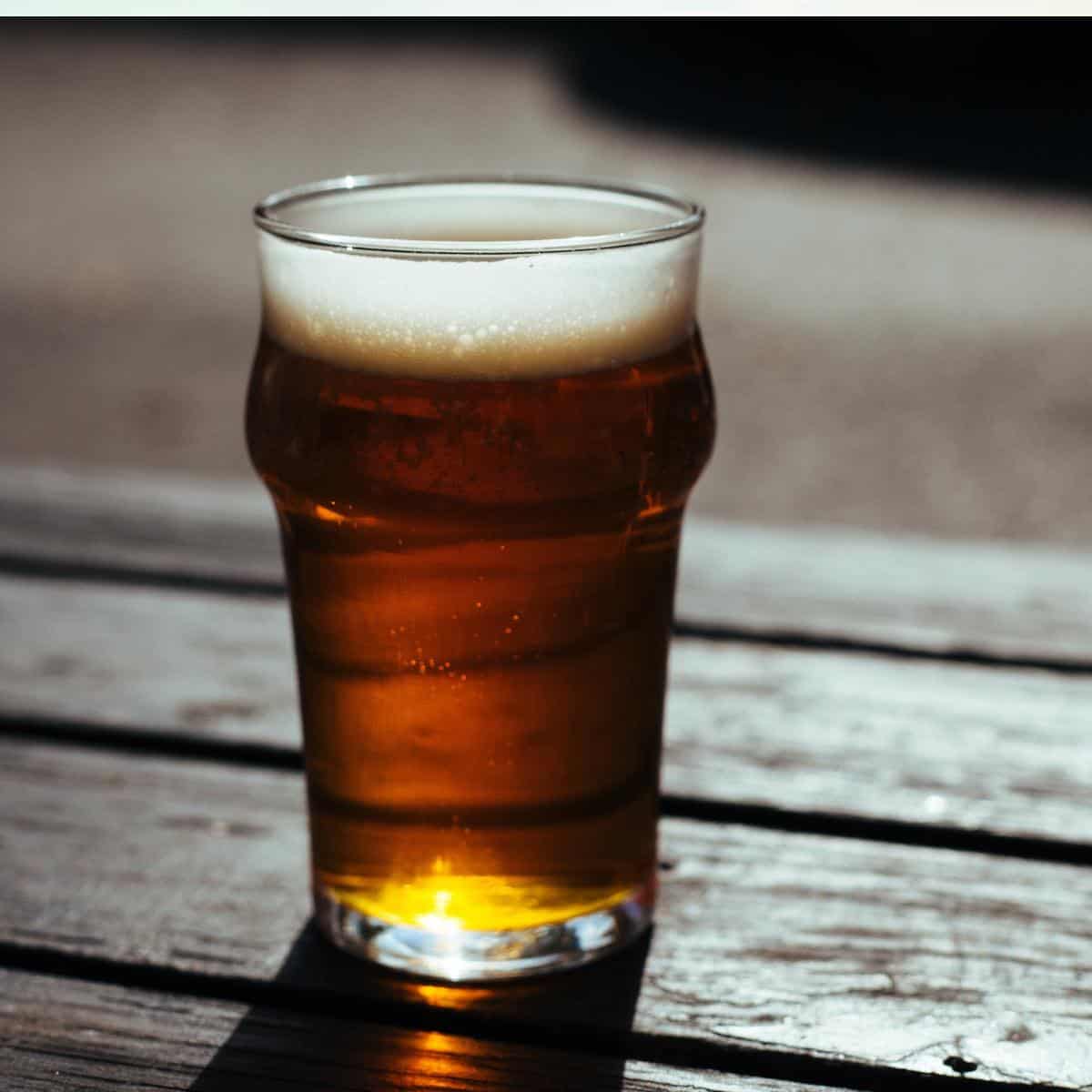
But what is a unit? It is a way of measuring pure alcohol. The NHS explains that 14 units is roughly equal to six pints of average-strength beer. It is also about 10 small glasses of low-strength wine. If you are drinking strong lager or large glasses of wine, you reach that limit much faster.
If you are drinking way more than 14 units, do not panic. The goal right now is just to be aware. Knowledge is power. Once you know your numbers, you can make a realistic plan to reduce them.
Practical tools to help you cut down
If your doctor says it is safe for you to cut down drinking on your own, you need a strategy. Willpower is great, but tools are better.
First, keep a drink diary. You can use a notebook or a free app like the one from Drinkaware. Write down every single drink you have for a week. Note the time, what it was, and how you felt. You might notice patterns. Maybe you always drink when you are stressed after work. Or maybe you only binge on Saturdays. Spotting these triggers helps you avoid them.
Next, try to have several drink-free days each week. The guidance suggests spreading your units over three or more days if you drink regularly. But taking days off completely gives your liver a break. It also proves to you that you can survive a Tuesday night without a pint.
Another tip is to swap your drinks. If you drink beer, switch to a lower-strength one. If you drink wine, buy smaller glasses. Or try alcohol-free alternatives. The alcohol-free beers and spirits on the market today are miles better than they used to be. They can trick your brain into thinking you are having a treat without the hangover.
Finding your squad
Trying to quit drinking on your own is lonely. It is also much harder. Having people around you who understand what you are going through makes a huge difference.
You could look for a local support group. Alcoholics Anonymous (AA) is the most famous one. They run free meetings all over the UK where you can talk to other people in the same boat. You do not have to speak if you do not want to. You can just sit and listen.
If AA does not feel right for you, look at SMART Recovery. They use a more practical, science-based approach to help you change your behaviour.
There are also great online communities. Alcohol Change UK has lots of resources and can point you towards help.
Do not forget your friends and family. You might be surprised at how supportive they are. Tell them you are taking a break from drinking alcohol for your health. Real friends will cheer you on. If some friends pressure you to drink, you might need to take a break from them for a while, too.
Dealing with the cravings
When you stop drinking, you will get cravings. These are urges to drink that can feel very strong. They usually only last for a few minutes, even though it feels like hours.
The key is to delay. Tell yourself you will wait 10 minutes before you decide to drink. Usually, the urge will pass by then. Distract yourself. Go for a walk, call a friend, or eat something sweet. Often we crave alcohol when we are actually hungry or thirsty.
Be kind to yourself. You are making a big change. You might feel grumpy or tired. That is okay. Treat yourself to other things. Buy a nice coffee, watch a movie, or have a long bath. You are saving money on drinking alcohol, so spend a little bit of it on self-care.
What to do if you slip up
Recovery is rarely a straight line. You might have a bad day and end up drinking. If this happens, please do not beat yourself up. Shame is a terrible motivator.
A slip-up does not mean you have failed. It just means you had a slip-up. Look at what happened. Why did you drink? Was it stress? Was it a social situation? Learn from it so you can do something different next time. Then, get back on the horse. You have not lost the progress you made before. You still have those drink-free days in the bank.
Making a plan for the long term
Stopping drinking is just the start. The real work is building a life you do not want to escape from.
Think about what you used to enjoy before alcohol took over. Did you like sports? Reading? Cooking? Rediscover those hobbies. You will have a lot more time and energy now. Fill that void with things that make you happy.
Set yourself goals. Maybe you want to run a 5k or save up for a holiday. Having something to aim for keeps you motivated.
And remember, it gets easier. The first few weeks are the hardest. But soon, you will start to sleep better. Your skin will look better. You will have more money. You will feel proud of yourself.
A new chapter begins today
Taking the first step to give up alcohol is huge. It is normal to feel scared when you stop drinking, but you should also feel excited. You are taking control of your life.
Remember the golden rules. Be safe. If you have withdrawal symptoms, see a doctor immediately. Do not do this alone. Use your GP, local services, and support groups. And be patient with yourself. You are undoing years of habit. It takes time.
You have got this. Every hour you spend alcohol-free is a victory. Keep going.