How to Make Healthier Mulled Wine
When the weather turns chilly, there’s nothing quite like a warm mug of mulled wine. This festive drink, with its rich blend of spices and deep red colour, is a classic for a reason. But what if you’re trying to be a bit more mindful of your health? Does that mean you have to miss out? Not at all.
This guide will show you how to make a delicious and healthier mulled wine with ingredient choices that can lower the sugar and alcohol content without sacrificing flavour.
Why Traditional Mulled Wine Isn’t Always Healthy
Let’s talk about what’s in a typical glass of mulled wine. Most recipes call for red wine, a generous amount of sugar, and sometimes a splash of a stronger spirit like brandy. While it tastes good, it can also be a bit of sugar and calorie overload.
A single serving can contain a surprising amount of sugar, often from both the added sweeteners and the wine itself. Alcohol provides calories and, of course, has its own effects on the body. For those watching their sugar intake or calorie count, a traditional mulled wine might feel off-limits. But with a few simple tweaks, you can change that into a healthier mulled wine.
Choosing the Right Ingredients
Making a healthier mulled wine starts with picking the right ingredients. These choices are the foundation of a drink that is both delicious and more balanced.
Selecting a Low-Sugar Wine
The star of any mulled wine is, of course, the wine. Many people grab whatever red wine they have on hand, but being selective can make a big difference. Many red wines contain residual sugar, which is the natural sugar left over from the grapes after fermentation. To make a healthier version, look for a dry red wine.
Dry wines have very little residual sugar because most of it has been converted into alcohol during fermentation. This means they are naturally lower in sugar and calories. Good options include:
- Merlot: A popular choice known for its soft, plummy flavours. It’s widely available and usually a good value.
- Cabernet Sauvignon: This wine is full-bodied, with notes of dark fruit that can stand up well to spices.
- Pinot Noir: A lighter-bodied red, it adds delicate red fruit flavours like cherry and raspberry. It’s a great option if you prefer a less intense wine base.
When you’re at the shop, check the label. Some bottles will explicitly state that they are “dry.” If not, you can look up the specific wine online to check its sugar content. Choosing a dry red is one of the easiest and most effective ways to cut down on sugar from the very beginning for your healthier mulled wine.
Using Natural Sweeteners
The next big source of sugar in mulled wine is what you add to sweeten it. Many recipes call for a large amount of white or brown sugar. There are many natural sweeteners that can provide the sweetness you crave without the downsides of refined sugar.
- Honey: A classic natural sweetener, honey has a lovely floral taste that can complement the spices in your mulled wine. It’s sweeter than sugar, so you’ll need less of it. Start with a small amount and add more to taste.
- Maple Syrup: Pure maple syrup offers a rich, caramel-like flavour that works wonderfully with winter spices. Make sure you’re using 100% pure maple syrup, not pancake syrup, which is often just flavoured corn syrup.
- Stevia: For a zero-calorie, zero-sugar option, stevia is an excellent choice. It’s made from the leaves of the stevia plant and is much sweeter than sugar, so a little goes a long way. Be careful not to use too much, as it can have a slightly bitter aftertaste.
- Erythritol: Another sugar alcohol with almost no calories and no effect on blood sugar levels. It tastes very similar to sugar and can be used in a one-to-one ratio, making it an easy substitute.
When using these sugar alternatives, always start with less than you think you need. You can always add more, but you can’t take it away once it’s in the pot. Taste as you go to get the sweetness just right in your healthier mulled wine.
The Power of Spices and Fruits
Spices and fruits are what give mulled wine its signature festive aroma and flavour. They also have their own health benefits. Instead of relying solely on sweeteners, let these natural ingredients do some of the heavy lifting.
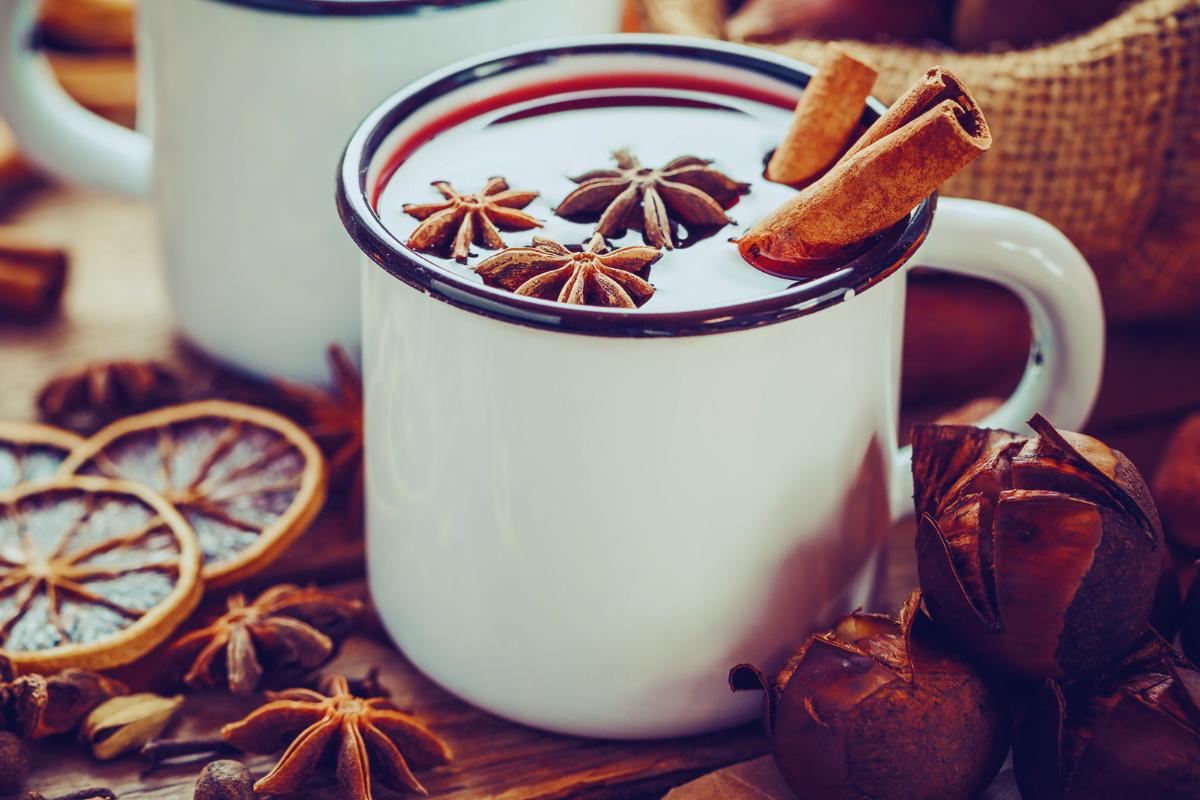
- Cinnamon Sticks: This is a non-negotiable for mulled wine. Cinnamon adds warmth and a hint of sweetness. It’s also been linked to potential benefits like helping to manage blood sugar levels.
- Star Anise: With its beautiful star shape and liquorice-like flavour, star anise adds a complex and aromatic layer.
- Cloves: These small, powerful buds bring a pungent, sweet-and-spicy flavour. Stud them into an orange slice to make them easy to remove later.
- Orange Slices: Fresh orange slices not only look beautiful floating in the pot but also add a bright, citrusy sweetness. The fruit’s natural sugars will help sweeten the wine.
- Cardamom Pods: Gently crush a few cardamom pods to release their fragrant, slightly sweet and spicy flavour.
By using a generous amount of these spices and fruits, you’ll find that you need far less added sweetener to achieve a delicious, balanced flavour.
A Healthier Mulled Wine Recipe
Now that we know which ingredients to choose, let’s put it all together. This healthier mulled wine recipe is simple, delicious, and much healthier mulled wine than the traditional version.
Ingredients:
- 1 bottle (750ml) of dry red wine (like Merlot or Cabernet Sauvignon)
- 1 large orange, sliced
- 6 whole cloves
- 3 cinnamon sticks
- 2 star anise
- 1-2 tablespoons of natural sweetener (like honey or maple syrup), or to taste
- Optional: a splash of brandy or a non-alcoholic alternative like orange juice
Instructions:
- Combine Ingredients: Pour the bottle of red wine into a large saucepan or pot. Add the orange slices, cloves, cinnamon sticks, and star anise.
- Add Sweetener: Stir in your chosen sweetener. Start with one tablespoon. Remember, you can always add more later.
- Heat Gently: Place the pot over a medium-low heat. The key here is to heat the wine slowly. You want it to be warm and steaming, but not boiling. Boiling the wine will cook off the alcohol and can make the spices taste bitter. Keep an eye on it and let it heat for about 15-20 minutes.
- Taste and Adjust: After it has warmed through, give it a taste. If it’s not sweet enough for your liking, add a little more sweetener. If you’re using brandy, add it in the last few minutes of heating.
- Serve and Enjoy: Once the wine is warm and fragrant, it’s ready to serve. Use a ladle to pour it into mugs, being careful to strain out the spices. You can garnish each mug with a fresh orange slice or a cinnamon stick for a festive touch.
Make a Non-Alcoholic Version
If you want to enjoy the festive flavours of mulled wine without any alcohol, it’s easy to make a non-alcoholic version, often called mulled spice. The process is almost identical for healthier mulled wine that is also alcohol free.
Instead of wine, use a base of a flavourful, unsweetened juice. Good options include:
- Cranberry juice
- Pomegranate juice
- Apple cider or apple juice
Simply follow the same recipe, replacing the wine with your chosen juice. Since juices are often sweeter than dry wine, you may find you need less, or even no, added sweetener. Taste it before you add any honey or maple syrup. Heat it gently with the same spices and fruits, and you’ll have a delicious, warm drink that everyone can enjoy.
Ready to Raise a Healthier Glass?
Making healthier mulled wine is all about making simple swaps. By choosing a dry red wine, using natural sweeteners, and letting the spices and fruits create a delicious winter warmer. This version is lower in sugar and calories but just as comforting as the original.
So next time you’re craving a festive drink, you don’t have to choose between your diet and a tasty treat. You can have both.
Frequently Asked Questions
Can I make mulled wine in a slow cooker?
Yes, a slow cooker is a fantastic way to make mulled wine, especially if you’re serving it at a party. It keeps the wine at a perfect warm temperature without the risk of it boiling. Just combine all the ingredients in the slow cooker, set it to low, and let it heat for about an hour. Then you can switch it to the “keep warm” setting for serving.
How long can I keep leftover mulled wine?
You can store leftover mulled wine in an airtight container in the fridge for up to three days. Before storing, strain out all spices and fruit, as they can become bitter over time. To reheat, simply warm it gently on the stove.
Can I use white wine instead of red?
Absolutely. Mulled white wine is a lovely, lighter alternative. Use a dry white wine, such as Sauvignon Blanc or Pinot Grigio, and pair it with spices like ginger, cardamom, and lemon slices. The process is the same as for healthier mulled wine with red wine.
Is it necessary to add brandy?
No, adding brandy is completely optional. It does add a bit of extra warmth and depth of flavour, but the mulled wine is delicious without it. If you’re watching your alcohol intake, it’s best to leave it out.
Have you tried swapping ingredients in your mulled wine to make it healthier mulled wine? Let me know how you get on in the comments below.