Active Exercise vs Passive Exercise: What’s the Difference?
When you hear the word “exercise,” you might picture someone sweating it out at the gym or jogging through the park. But exercise is much more than that. It includes a wide range of movements, from high-energy workouts to gentle stretches. Broadly speaking, exercise can be divided into two categories: active and passive.
Understanding the difference between active exercise and passive exercise can help you make smarter choices about how you move your body. Whether you’re recovering from an injury, managing a health condition, or simply trying to build better habits, knowing how these two types of exercise work can make all the difference.
In this guide, I’ll break down what active and passive exercise mean, the benefits of each, and how they fit into a healthy lifestyle. By the end, you’ll have a clear picture of how to use both to support your fitness and wellbeing.

What is Active Exercise?
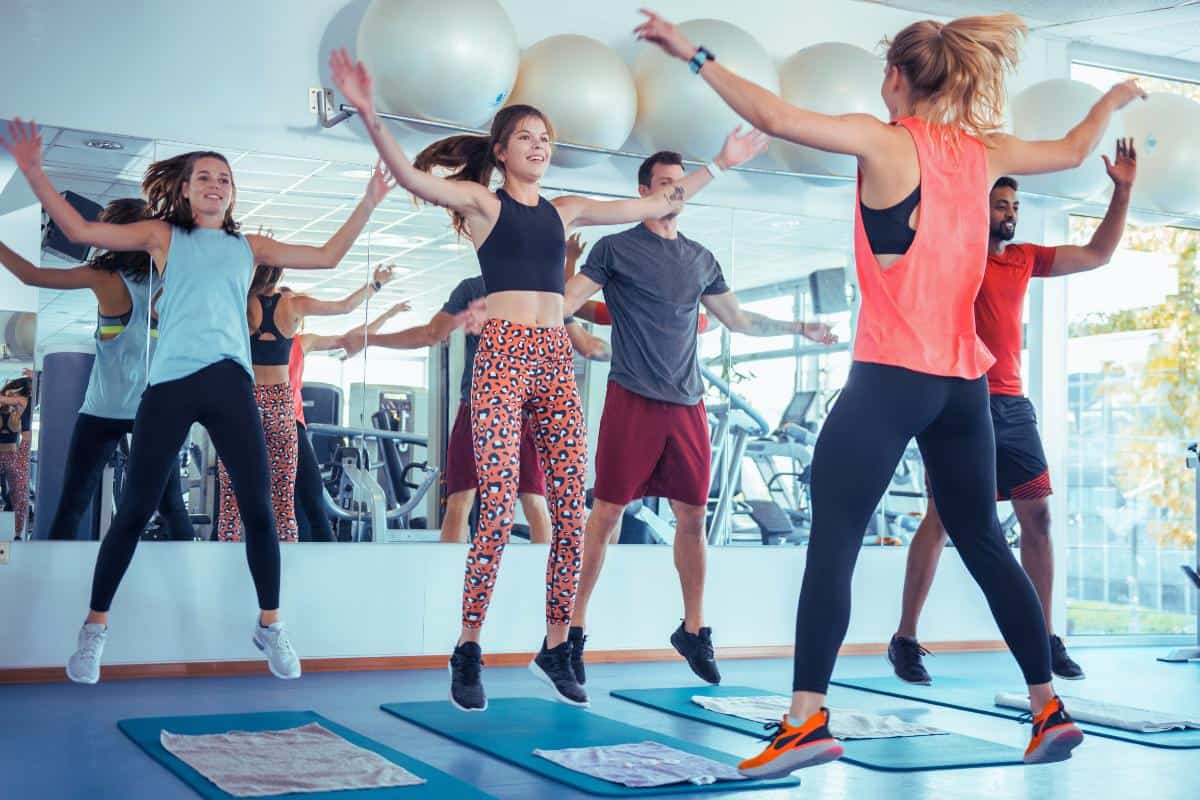
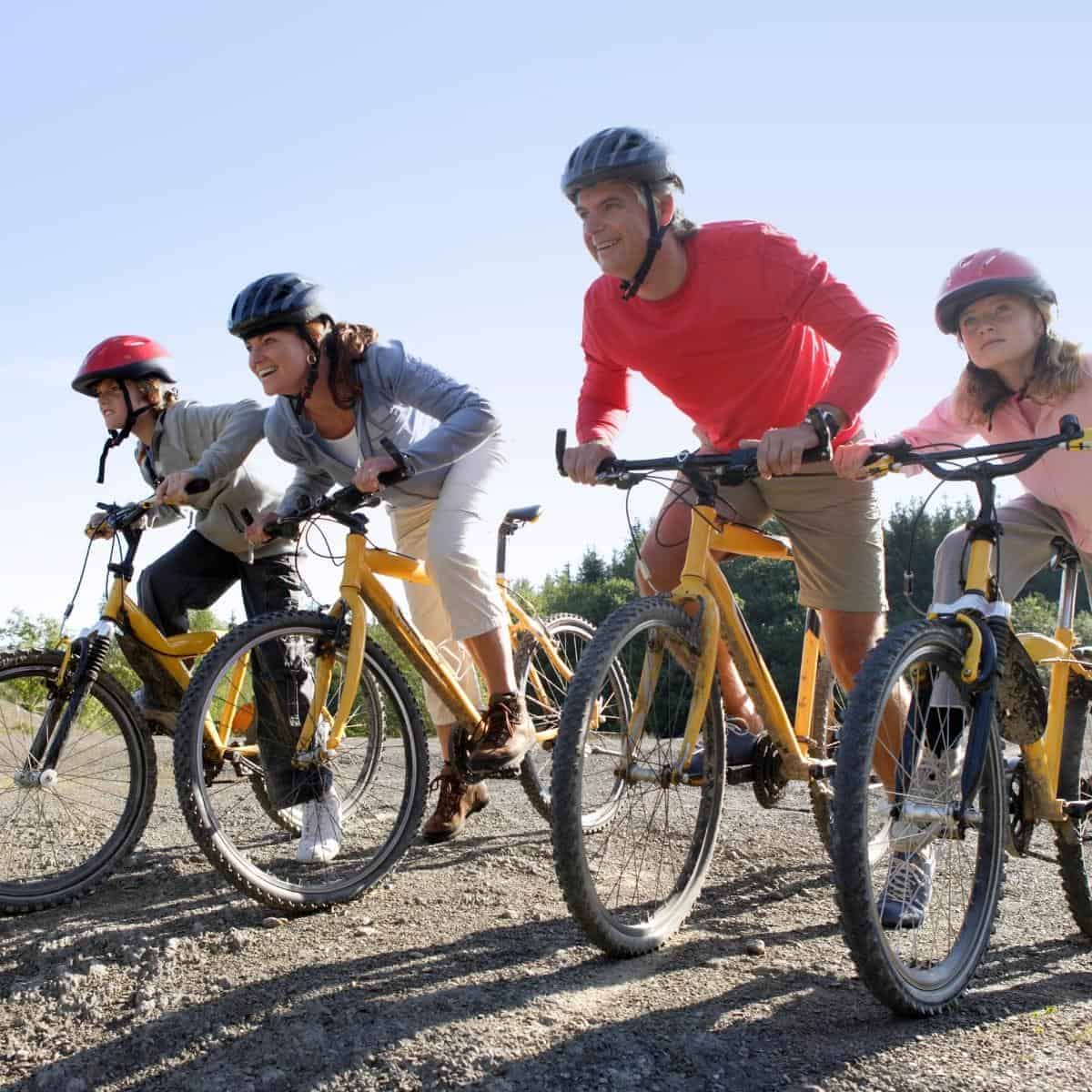
Active exercise is any movement that you create yourself. Your muscles are doing the work, and you’re in control of the effort. Whether you’re walking, stretching, or lifting weights, you’re engaging your muscles to move your body.
According to WebMD, active range of motion (AROM) refers to the space in which you move a part of your body using your own muscles. In simple terms: if you’re doing the work, it’s active exercise.
Examples of Active Exercise
Active exercise covers a wide range of activities, including:
- Walking or running
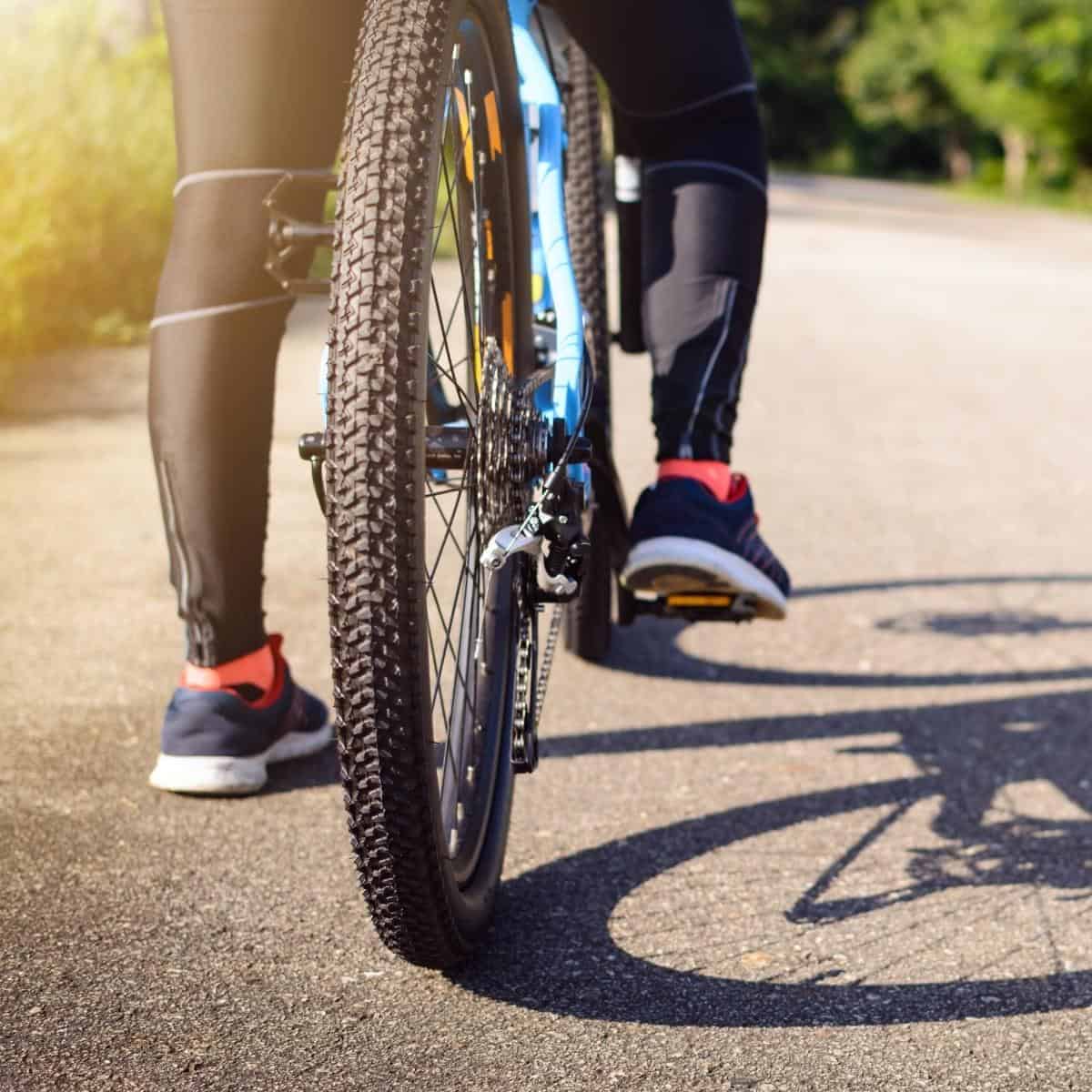
- Cycling
- Swimming
- Weight training
- Yoga and Pilates
- Dancing
- Sports like football, tennis, or netball
If you’re new to exercise, check out this beginner-friendly guide for practical tips on getting started.
Benefits of Active Exercise
The NHS recommends at least 150 minutes of moderate-intensity activity per week, plus strength exercises on two days. Here’s why active exercise is so important:
- Improves Heart Health: Regular activity reduces the risk of heart disease and stroke.
- Builds Muscle Strength: Resistance exercises help maintain muscle mass and support your joints.
- Boosts Mental Health: Movement releases endorphins, lifting your mood and reducing stress.
- Supports Weight Management: Active exercise burns calories and helps maintain a healthy weight.
- Increases Flexibility: Moving your joints through their full range keeps them healthy and reduces stiffness.
Even something as simple as a brisk walk counts. For tips on walking as exercise, explore my walking section.
What is Passive Exercise?
Passive exercise involves movement that happens to your body rather than movement you create yourself. Instead of using your muscles, an external force—like a physiotherapist, caregiver, or even gravity—moves a part of your body for you.
WebMD describes passive range of motion (PROM) as the space in which a part of your body can move when someone or something else creates the movement. For example, a physiotherapist might gently bend and straighten your knee while you lie still.
Examples of Passive Exercise
- A physiotherapist moving your arm after a shoulder injury.
- A caregiver bending and straightening a bedridden patient’s limbs.
- Passive stretching, where a partner holds your leg in a stretch while you relax.
- Using a foam roller to apply pressure to a muscle.
- Massage therapy, which moves soft tissue without effort from the recipient.
Who Benefits from Passive Exercise?
Passive exercise is often used in medical and rehabilitation settings. According to Cleveland Clinic Abu Dhabi, it’s particularly important for people who are bed-bound or have limited mobility due to conditions like paralysis, stroke, or advanced Alzheimer’s.
Benefits include:
- Maintaining joint mobility and muscle elasticity.
- Improving blood flow.
- Preventing contractures (painful shortening of muscles and tendons).
- Reducing complications like pressure sores, blood clots, and muscle wasting.
While passive exercise doesn’t build strength or burn calories, it plays a vital role in preserving function and quality of life for those who can’t move actively.
Is There a Middle Ground?
Yes! Assisted active range of motion (AAROM) bridges the gap between active and passive exercise. In AAROM, you make some effort yourself, but a physiotherapist or caregiver helps you move further than you could on your own.
For example, after a broken ankle, you might flex your foot slightly, while a physiotherapist gently pushes it further to improve your range of motion. This approach is often used in rehabilitation programmes.
Active vs Passive Exercise: Key Differences at a Glance
| Active Exercise | Passive Exercise | |
|---|---|---|
| Who does the work? | You do | An external force does |
| Muscles involved? | Yes | No (or minimal) |
| Builds strength? | Yes | No |
| Suitable for? | Most healthy adults | People with limited/no mobility |
| Common settings | Everyday fitness, sport, gym | Rehab, hospital, home care |
| Examples | Walking, yoga, weight training | Physio-assisted movement, passive stretching |
Can Passive Exercise Help Healthy People?
If you’re fit and mobile, passive exercise in the traditional sense isn’t something you’ll typically need. However, elements of passive movement—like passive stretching—can still be useful. For example:
- Passive Stretching: Using gravity, a strap, or a partner to hold a stretch can improve flexibility.
- Massage Therapy: Helps release tension and improve circulation.
That said, active stretching (where you use your own muscles to hold a position) tends to build functional strength alongside flexibility. Both have their place depending on your goals.
A Word of Caution About Passive Movement
Passive exercise isn’t without risks, especially if done incorrectly. Because you’re not in control, there’s a higher chance of pushing a joint or muscle too far. WebMD advises:
- Move slowly and gently.
- Never force a joint through pain.
- Communicate throughout the process.
- Follow guidance from a qualified physiotherapist.
- Stop immediately if pain occurs.
Getting the Balance Right
For most people, active exercise should be the main focus. It builds strength, supports cardiovascular health, and improves mood. Even small amounts of movement, like a daily walk, can make a big difference.
Passive exercise, on the other hand, is a specialised tool for rehabilitation and care. If you or a loved one needs passive movement due to illness or injury, always seek guidance from a healthcare professional to ensure it’s done safely.
Frequently Asked Questions
Is passive exercise the same as doing nothing?
Not at all. While it doesn’t require effort from the person receiving it, passive exercise keeps joints mobile, improves circulation, and prevents complications from immobility.
Can I do passive exercises at home?
Yes, but only with proper instruction from a physiotherapist. This ensures the exercises are done safely and effectively.
What happens if I only do passive exercise and never active?
For healthy adults, passive exercise alone isn’t enough. It doesn’t build strength, improve cardiovascular fitness, or support weight management. Active exercise is essential for overall health.
Is yoga active or passive exercise?
Yoga is mostly active, as you use your own muscles to move into and hold poses. However, some styles, like yin yoga, include passive stretching elements.
Does walking count as active exercise?
Absolutely! Walking raises your heart rate, uses your muscles, and counts towards your weekly activity target.
When should I speak to a doctor before exercising?
The NHS advises speaking to your GP before starting an exercise programme if you have not exercised for some time, or if you have existing medical conditions. This is especially important before attempting any passive range of motion exercises with someone who has complex health needs.
Move More, Move Smarter
Active and passive exercise serve different purposes, but both have value depending on your needs. For most of us, active exercise is the goal: regular movement that strengthens muscles, supports heart health, and boosts mood. Passive exercise is a vital tool for rehabilitation and care, helping those with limited mobility maintain joint health and quality of life.
The key takeaway? Move as much as you can, in whatever way works for your body. Even a short daily walk is a great place to start. And if passive movement is part of your recovery or care plan, make sure it’s done safely with professional guidance.
If you found this guide helpful, let me know in the comments—or share your own experiences with active and passive exercise.