
Lifting Weights for Weight Loss: Can Strength Training Help You Lose Weight?
If you’re trying to lose weight, you might automatically think you need to do more cardio. Walk more, run, get on the exercise bike or spend an hour on a cross trainer staring at the wall and wondering whether time has actually stopped.
Lifting weights often gets treated rather differently. It’s something you do to build muscle or get stronger, while cardio is supposedly what you do if you want to lose weight.
It isn’t quite that simple.
Lifting weights can absolutely be part of losing weight, but lifting a dumbbell doesn’t somehow switch your body into weight-loss mode. Weight loss still comes down largely to your overall energy balance, while strength training has some additional benefits that make it particularly useful when you’re losing weight.
One of the biggest is something I think we don’t talk about enough: losing weight and losing fat aren’t necessarily exactly the same goal.
When the number on the scales goes down, you don’t want all of that change to come from losing muscle. Strength training can help you maintain — and sometimes build — muscle while you’re losing weight, particularly when it’s combined with enough protein and an appropriate diet.
So if you’ve been wondering whether you should lift weights to lose weight, whether weights are better than cardio or how on earth you’re supposed to start when the weights section of the gym looks slightly terrifying, here’s what you actually need to know.
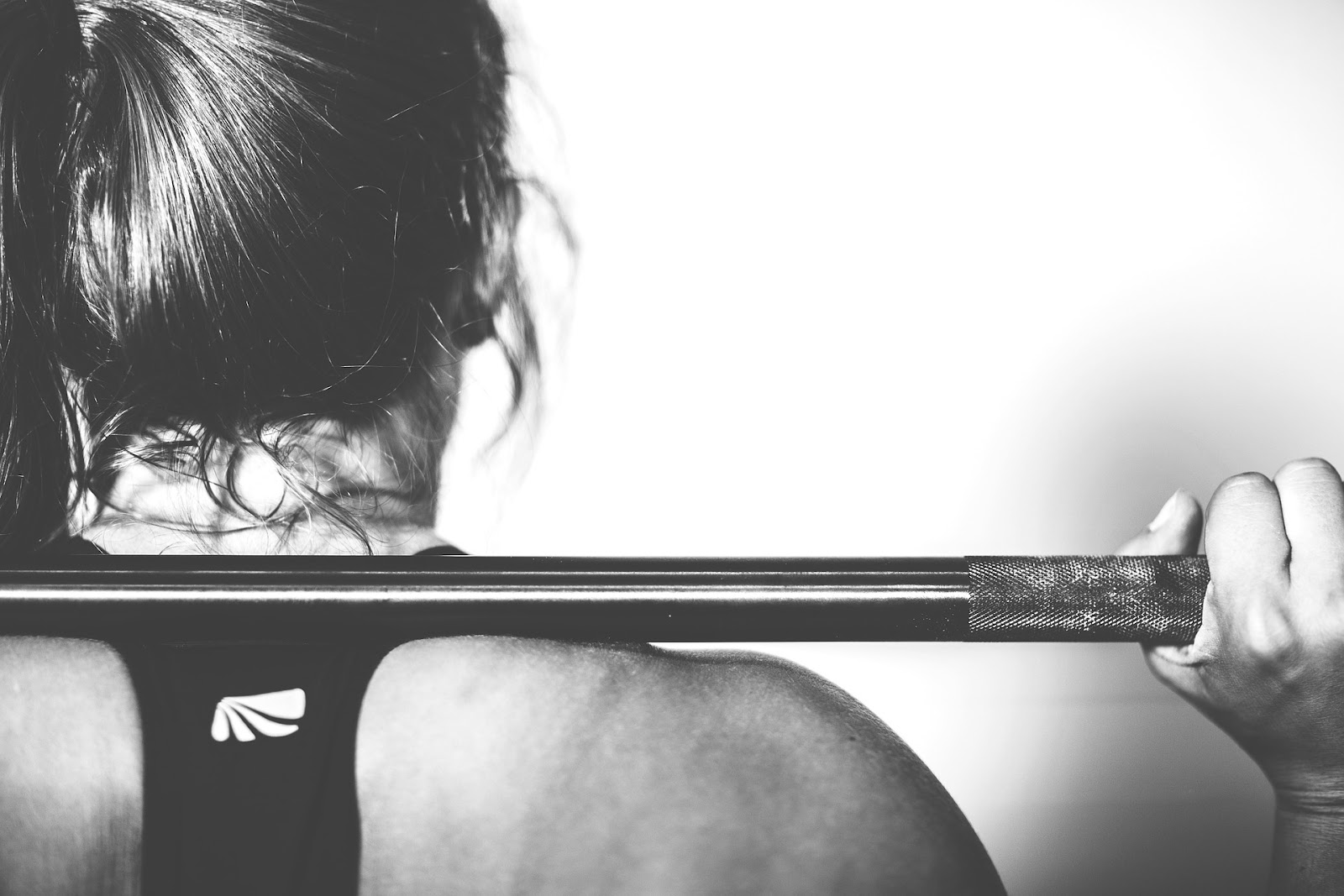
Can you lose weight by lifting weights?
Yes, you can lose weight while lifting weights.
However, lifting weights doesn’t guarantee weight loss.
Your body uses energy during strength training, just as it does during other forms of physical activity. Increasing your overall activity can therefore contribute towards the energy deficit required for weight loss.
But the amount of energy used during an individual weights session isn’t really the biggest reason I’d recommend strength training when you’re losing weight.
The more interesting benefit is what happens to your body composition.
When you’re eating fewer calories and losing weight, your body can lose both fat and lean tissue. Resistance training provides a stimulus for your muscles and can help preserve lean mass during weight loss.
That means the scales might not always tell the whole story.
Two people could both lose a stone but experience quite different changes in body composition depending on how much fat and muscle they have lost.
And that’s why I wouldn’t judge whether lifting weights is “working” purely by how quickly the number on your scales changes.
How does lifting weights help with weight loss?
There’s a slightly annoying amount of nonsense online about this.
You’ve probably heard that lifting weights “turns your body into a fat-burning machine” or that building muscle means you’ll suddenly burn hundreds of extra calories while sitting on the sofa.
Muscle does require energy to maintain, but I wouldn’t start strength training because you’ve been promised some enormous magical metabolism boost.
There are much better reasons to do it.
Strength training uses energy while you’re exercising, can help you become stronger and can help preserve muscle while you’re losing weight. It may also make everyday activities easier as you become stronger.
And perhaps most importantly, it gives you another way to measure progress.
Weight loss can become incredibly scale-focused. I know only too well how easy it is to let that little number dictate whether you think you’ve had a successful week.
Strength training gives you something completely different to notice.
Perhaps you can lift a weight you couldn’t lift two months ago. Maybe you can do more repetitions. Perhaps carrying the shopping feels easier or you can get up from the floor more comfortably.
Those are improvements that don’t require your body to become smaller.
Is it Right that You Can Either Build Muscle or Lose Fat, Not Both
This school of thought is fast falling out of fashion as health experts demonstrate quite the opposite. It’s no secret that the way to lose weight is to have a calorie deficit. Work out how much your body needs to move each day, as a minimum, and then create a deficit.
If you’re training on top of that and in particular if your diet contains lots of muscle-repairing protein, then you’re going to see muscle growth as well as fat loss.
Weights or cardio for weight loss: which is better?
I don’t think you need to choose.
Cardiovascular exercise and strength training do different things, and both can form part of a healthy, active lifestyle.
Walking, cycling, swimming, running and other aerobic activities can improve cardiovascular fitness and contribute towards your overall activity and energy expenditure.
Strength training can improve strength and help maintain muscle.
So rather than asking:
Should I do cardio OR weights to lose weight?
I’d ask:
What combination of activity can I realistically keep doing?
You might lift weights twice a week and walk regularly.
You might enjoy swimming and do some strength exercises at home.
You might love the gym and do both.
There’s no prize for choosing the exercise somebody on TikTok has declared the ultimate fat-burning workout.
If you’re moving more, becoming fitter and doing something you can maintain, you’re already getting somewhere.
Will lifting weights make women bulky?
This is one of those fitness myths that refuses to disappear.
Women sometimes avoid weights because they’re worried they’ll suddenly develop enormous muscles when their actual goal is to lose weight.
Building substantial amounts of muscle doesn’t happen accidentally.
It takes consistent resistance training, adequate nutrition, progressive training and time. Individual genetics and hormones also influence how easily someone builds muscle.
If you’re a woman trying to lose weight, there’s no reason you need to avoid strength training because you’re frightened of becoming “too muscular”.
And there’s another thing I’d change about the way we talk about this.
There’s nothing inherently wrong with a woman wanting to be muscular either.
We don’t need to reassure women that lifting weights is okay because it will make them “lean and toned rather than bulky”. That’s just another version of telling women what their bodies are supposed to look like.
Lift because you want to become stronger.
What your ideal body looks like is entirely up to you.
Is weight lifting good for weight loss for women?
Yes. Women can use strength training as part of exactly the same overall approach to weight management as men.
You don’t need a special collection of tiny pink dumbbells labelled FOR WOMEN’S WEIGHT LOSS.
The basic principle of resistance training is the same: your muscles work against resistance and gradually adapt as the challenge increases.
Where women may need more individual consideration is around things such as pregnancy, menopause, health conditions, injuries and individual fitness levels — but that doesn’t turn strength training itself into a fundamentally different activity.
If you’re completely new to lifting, concentrate on learning good technique and gradually becoming stronger rather than trying to find a supposedly perfect “female fat-loss workout”.
How to start lifting weights when you want to lose weight
If you’ve never lifted weights before, you don’t need to immediately join a gym and attempt whatever the enormous man grunting beside the squat rack is doing.
You can start surprisingly simply.
Bodyweight exercises such as squats to a chair, wall press-ups and similar movements can introduce resistance without any weights at all. Resistance bands can be useful too, and a small selection of dumbbells is enough for plenty of home exercises.
If you’re using a gym, resistance machines can actually be quite beginner-friendly because they guide the movement and usually have instructions attached.
I’d concentrate initially on learning a handful of movements that work the major muscle groups rather than trying to memorise 27 different exercises.
You might include movements involving your legs, pushing, pulling and your core, gradually increasing the resistance as exercises become easier.
The NHS recommends adults do strengthening activities that work all the major muscle groups on at least two days each week.
You don’t need to train every day. In fact, your muscles need time to recover too.
How often should you lift weights for weight loss?
You don’t need to lift weights seven days a week to make progress.
For someone completely new to strength training, two full-body sessions each week can be a perfectly sensible place to start, provided the exercises and intensity are appropriate for you.
As you become more experienced, you might choose to train more frequently and split your training differently.
But I wouldn’t make the mistake of assuming more exercise = more weight loss.
Recovery matters.
So does having a routine you can actually sustain.
If your new weight-loss plan involves getting up at 5am six days a week to lift weights when you absolutely hate mornings, there’s a reasonable chance Future You will eventually tell Present You where to shove the dumbbells.
Start with something that fits your life.
You can always add more later.
Should you lift heavy or light weights to lose weight?
There isn’t a magical “fat-loss weight”.
You don’t need to lift very light weights for hundreds of repetitions because you’re trying to lose fat, nor do you have to lift the heaviest weight you can possibly move.
Different combinations of weight, repetitions and sets can be used effectively for resistance training.
For a beginner, the priority should be using a resistance that challenges you while still allowing you to perform the movement with good technique.
As you become stronger, you’ll need to gradually increase the challenge if you want to continue progressing. That might mean increasing the weight, changing the exercise, increasing repetitions or adjusting other parts of your training.
If you’re unsure about technique, getting some guidance from a suitably qualified fitness professional can be worthwhile.
What if I start lifting weights and the scales stop moving?
This can be incredibly frustrating.
You start exercising, you’re trying really hard, and suddenly the scales seem determined to ruin your week.
Short-term changes on the scales aren’t simply changes in body fat.
Your weight can fluctuate because of hydration, food in your digestive system, salt intake and numerous other factors. Starting or changing an exercise programme can also temporarily affect fluid balance.
That means one unexpected weigh-in doesn’t tell you whether your entire weight-loss approach has stopped working.
Look at the trend over time.
And if you’re strength training, consider other signs of progress too.
Are you getting stronger?
Do everyday activities feel easier?
Are your measurements changing?
Do your clothes fit differently?
One number can’t tell you everything that’s happening inside your body.
Why Weight Fluctuates (And Why One Bad Weigh-In Doesn’t Mean You’ve Failed)
Do you need to eat more protein when lifting weights?
Protein becomes particularly relevant when you’re strength training because your body needs amino acids to repair and build muscle tissue.
That doesn’t mean you need to start living on protein shakes and chicken breasts.
Most people can get protein from ordinary foods, including meat, fish, eggs, dairy products, beans, lentils, tofu, soya products, nuts and seeds.
If you’re losing weight, getting enough protein can be useful for another reason too: protein can contribute to satiety, which may help meals feel more satisfying.
Rather than becoming obsessed with hitting an enormous protein target, I’d start by making sure your meals contain a useful source of protein.
What if you have obesity or haven’t exercised for years?
Please don’t think you need to become fit before you’re allowed to start strength training.
Everyone starts somewhere.
If you’re living in a larger body, some exercises may need adapting simply because bodies move differently. That doesn’t make them inferior versions of the “proper” exercise.
For example, getting down onto the floor may not be comfortable or practical. A standing or seated alternative might work much better.
You might initially use a chair for support, resistance bands, light dumbbells or gym machines.
What matters is finding movements that work for your current body and ability.
If you have an existing health condition, significant pain, an injury or concerns about starting exercise, speak to an appropriate healthcare professional before beginning a new programme.
Exercise for Overweight/Obese Beginners
Can you really lose weight by lifting weights?
Yes, lifting weights can absolutely be part of losing weight.
But I wouldn’t start strength training because you’ve been promised that it will melt fat, dramatically speed up your metabolism or somehow work better than every other kind of exercise.
I’d do it because being stronger is useful. I’d do it because maintaining muscle matters. I’d do it because progress doesn’t always have to mean watching the scales go down.
And if you’re trying to lose weight, I’d combine strength training with whatever other movement you enjoy and eating habits that help you create a sustainable calorie deficit without turning your entire life into a diet.
You don’t have to become a gym person or lift enormous weights. And you definitely don’t need a special women’s fat-burning dumbbell routine.
Start where you are, get a little stronger and see how it feels.
You may discover that being able to lift something you couldn’t lift six months ago feels every bit as satisfying as seeing a smaller number on the scales. Perhaps even more so.


One Comment