Evening Primrose Oil: What is it and does it really work?
You have probably seen those golden capsules sitting on the shelf at your local chemist or health food shop. Evening primrose oil is a very popular supplement in the UK. Many people keep a bottle in their cupboard to help with everything from itchy skin to period problems.
But with so many supplements out there, it can be hard to know what is fact and what is just clever marketing. You might be wondering if it is worth your money.
We are here to help you understand exactly what this oil is. We will look at why people take it, what the experts say about it and if it is safe for you.

What is evening primrose oil?
This oil comes from the seeds of a yellow flower called the evening primrose (Oenothera biennis). It gets its name because the flowers usually open in the evening. The plant is native to North America, but it grows in Europe and parts of Asia too.
The reason this oil is special is because of what is inside the seeds. They are rich in an omega-6 fatty acid called gamma-linolenic acid, or GLA for short.
Your body uses GLA to make substances that act like hormones. These substances help control things like swelling and pain in the body. Because the typical diet does not always provide enough of these good fatty acids, people take the oil to boost their levels.
Why do people use it?
For a long time, people have used this plant for health reasons. Native Americans used the plant for bruises and skin problems. Today, it is mostly taken as a capsule or applied as an oil to the skin.
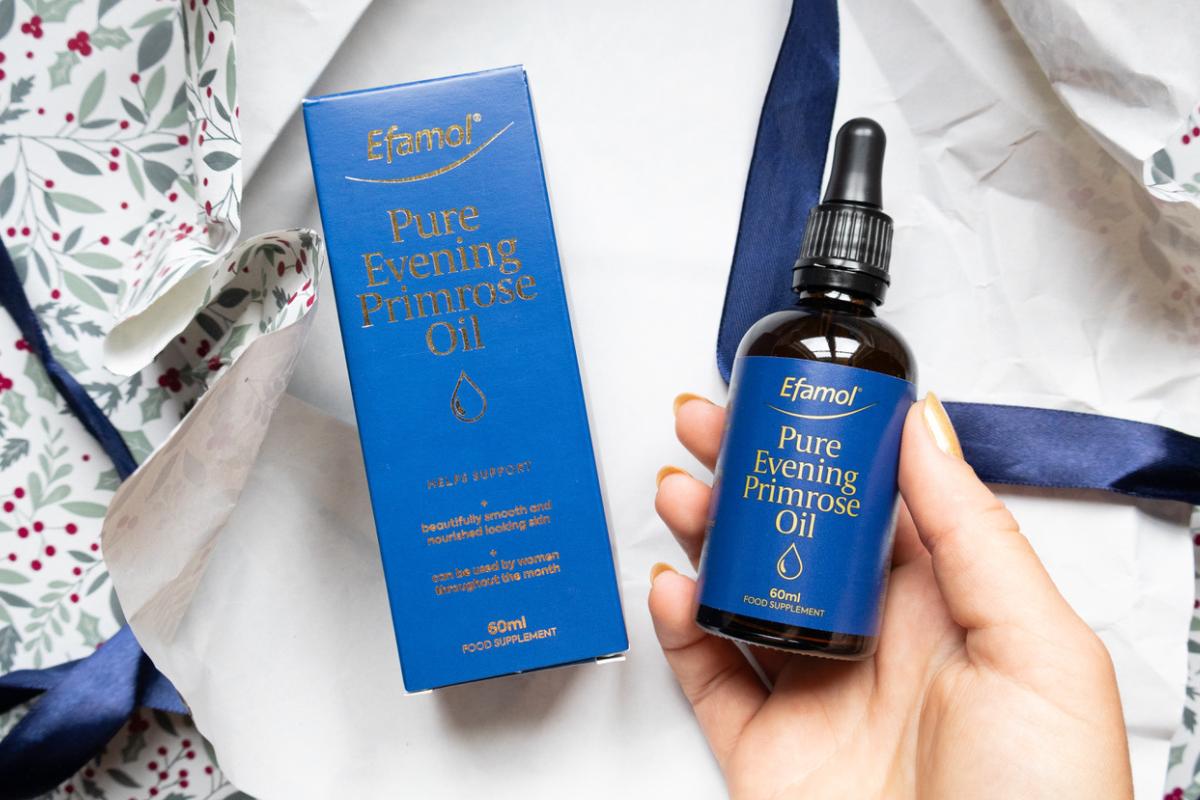
Here are the most common reasons people reach for this supplement:
Skin conditions
Many people with eczema (atopic dermatitis) try evening primrose oil. Eczema causes dry, red and itchy skin. The idea is that the fatty acids in the oil might help the skin stay moist and reduce the itching.
Breast pain and PMS
Women often try this oil for breast pain that happens during their menstrual cycle. This is called cyclical mastalgia. Some also use it for general premenstrual syndrome (PMS) symptoms like mood swings or bloating.
Menopause symptoms
As women get older and go through menopause, they might experience hot flushes. This is when you suddenly feel very hot and sweaty. Some women prefer to try natural options like evening primrose oil instead of hormone replacement therapy (HRT).
Joint pain
Because the oil might help reduce swelling, some people with rheumatoid arthritis take it to help with joint stiffness and pain.
What does the science say?
This is the important part. While many people say the oil helps them, scientific studies tell a slightly different story. It is frustrating when science does not match our hopes, but it is good to know the facts.
For eczema:
A large review by the Cochrane Library looked at many studies involving over 1,500 people. They found that evening primrose oil did not work any better than a placebo (a dummy pill with no medicine in it) for treating eczema. This means it might not clear up that itch after all. (Source: Cochrane Library)
For breast pain:
The National Center for Complementary and Integrative Health (NCCIH) states that the oil is probably not better than a placebo for breast pain. A review of studies in 2021 also found no clear difference between the oil and other treatments for reducing pain. (Source: NCCIH)
For menopause:
The NHS notes that while some women use herbal remedies like evening primrose oil for menopause, there is not enough scientific evidence to prove they work. They also warn that quality can vary between products. (Source: NHS)
So, while it is popular, the scientific proof is not very strong right now. However, some individuals still feel it helps them personally.
Is it safe to take?
For most adults, taking evening primrose oil for a short time is likely safe. But like any supplement, it can have side effects.
The most common complaints are mild and include:
- Upset stomach
- Nausea (feeling sick)
- Diarrhoea
- Headaches
Who should be careful?
Even natural products can be risky for some people. You need to be extra careful in these situations:
If you take blood thinners
The oil might thin your blood. If you take medicines like warfarin to prevent clots, taking this oil could increase your risk of bleeding. The Mayo Clinic warns against combining these. (Source: Mayo Clinic)
If you have seizures
There is a concern that evening primrose oil could make seizures more likely for some people. If you have epilepsy or take medicines called phenothiazines (used for some mental health conditions), you should probably avoid this supplement.
If you are having surgery
Because it can affect bleeding, you should stop taking the oil at least two weeks before any scheduled surgery.
If you are pregnant
Using evening primrose oil during pregnancy is not fully understood. Some people have used it to try and start labour, but this might not be safe. It is best to avoid it unless your doctor says otherwise.
Understanding UK regulations
In the UK, evening primrose oil is usually sold as a “food supplement.” This is different from a medicine.
Medicines go through very strict testing to prove they treat diseases. Food supplements are regulated under food law. They must be safe to eat, but the companies do not have to prove they cure illnesses in the same way drug companies do.
Because of this, the strength and quality of what is in the bottle can vary from brand to brand. Always buy from a reputable shop.
Tips for buying and using it
If you decide to try it, here are a few simple tips:
- Check the label: Look for the amount of GLA. A typical capsule might contain 1,000 mg of oil, but check how much of that is the active ingredient.
- Start small: If you have a sensitive stomach, take a lower dose to start with.
- Take with food: This can help stop you from feeling sick.
- Be patient: Natural supplements often take a few weeks to show any effect, unlike a painkiller, which works quickly.
Frequently Asked Questions
Can I give evening primrose oil to my child?
It is best to speak to a doctor first. While some studies included children with eczema, we do not have enough information on the long-term safety for kids.
Will it help me lose weight?
There is no strong evidence to suggest that evening primrose oil helps with weight loss. It is an oil, so it contains fat and calories in small amounts.
Does it interact with other herbs?
Yes, it might. If you take other herbal supplements that thin the blood (like garlic or ginkgo), taking them with evening primrose oil could increase your bleeding risk.
Can I use the oil on my face?
Yes, many people break the capsules open and put the oil directly on their skin. It can be moisturising. Just do a small patch test first to make sure you do not react to it.
In Summary
Evening primrose oil is a famous remedy that has been around for a long time. It is rich in fatty acids that our bodies like. However, scientific studies have struggled to prove that it is a “cure” for conditions like eczema or breast pain.
That does not mean it has zero value. It might act as general support for your body or work well for specific individuals, even if extensive studies do not show a strong trend.
If you are healthy and want to try it, it is generally safe. But if you take other medicines or have a health condition, please have a chat with your GP or pharmacist first. They can help you stay safe while you explore what works for you.