Healthy Eating During Pregnancy: What Do You Actually Need to Eat?
I remember pregnancy being one of those times when suddenly there seemed to be an enormous number of rules about food. There were things I was supposed to eat more of, things I was told not to eat at all and, depending on who I spoke to, plenty of advice that contradicted something I’d already been told.
It can make something as ordinary as deciding what to have for lunch feel far more complicated than it needs to be.
Healthy eating during pregnancy isn’t really about creating a special pregnancy diet, though. For most people, the foundations are remarkably similar to healthy eating at any other time: plenty of variety, fruit and vegetables, starchy carbohydrates, suitable sources of protein, dairy or fortified alternatives and some healthy fats.
There are a few nutrients that deserve particular attention during pregnancy, along with some foods that need to be avoided or limited for food-safety reasons, but you don’t need to construct every meal around your baby’s nutritional requirements.
You certainly don’t need to eat perfectly for nine months.
You don’t need to eat for two
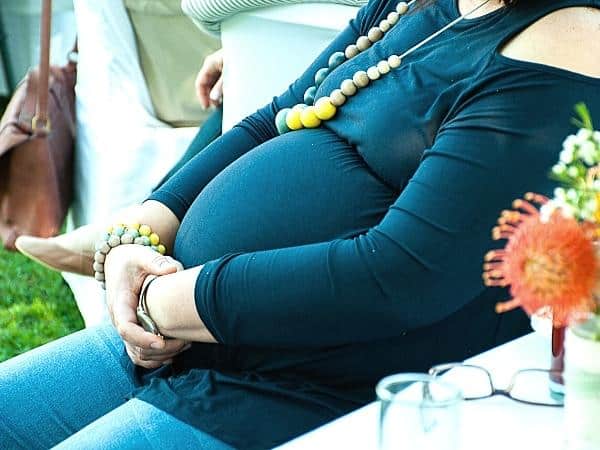
This is probably one of the oldest pregnancy sayings around, but being pregnant doesn’t mean you suddenly need twice as much food.
Your nutritional needs do change because your body is supporting a growing baby, but that isn’t the same as doubling everything on your plate. The NHS advises that you don’t need to “eat for two”, even if you’re expecting twins or triplets.
I’d concentrate much more on the overall quality and variety of what you’re eating.
Fruit and vegetables provide vitamins, minerals and fibre, while foods such as bread, potatoes, rice, pasta and cereals provide energy and other nutrients. Higher-fibre or wholegrain varieties can be useful where you enjoy them, particularly because constipation can become an unwelcome feature of pregnancy.
Protein can come from lots of different places too, including meat, fish, eggs, beans, chickpeas, lentils, tofu, nuts and other suitable foods. If you’re vegetarian or vegan, pregnancy doesn’t automatically mean you need to start eating meat, although it’s worth paying particular attention to nutrients that can be more difficult to obtain from a restricted diet.
Milk, yoghurt and cheese can provide calcium, protein and other nutrients, while fortified dairy alternatives can be useful if you don’t eat dairy. If you’re choosing plant-based alternatives, check the label rather than assuming they’re all nutritionally similar, because fortification varies between products.
None of that sounds particularly exciting, admittedly, but that’s quite reassuring. You don’t need a cupboard full of products with a picture of a pregnant woman on the packet.
Normal food is still normal food.
Folic acid and vitamin D are particularly important
This is one area where food alone isn’t enough.
In the UK, the NHS recommends taking 400 micrograms of folic acid every day when you’re trying for a baby, ideally starting around three months beforehand, and continuing until you’re 12 weeks pregnant.
Folate is naturally present in foods including green leafy vegetables, beans, chickpeas, lentils and some fortified foods, and they’re still worth including in your diet. The supplement is recommended because it’s difficult to reliably obtain the amount needed from food alone.
Some people are advised to take a higher 5mg dose of folic acid because of their individual circumstances or medical history, but that’s something to discuss with your GP or midwife rather than deciding for yourself.
Vitamin D is another one to watch. NHS guidance recommends considering a daily 10 microgram vitamin D supplement during pregnancy between October and March, while some people may need it throughout the year because they’re at greater risk of vitamin D deficiency.
If you’re buying a pregnancy multivitamin rather than separate supplements, check what’s actually in it. Supplements containing vitamin A in the form of retinol, including cod liver oil, should be avoided during pregnancy because too much vitamin A can harm a developing baby.
It’s one of those situations where taking more vitamins isn’t necessarily better.
What about iron and calcium?
These are two nutrients that come up frequently during pregnancy, and understandably so.
Your body needs iron to make haemoglobin, which carries oxygen in the blood, and pregnancy increases the demands being placed on your body. Foods containing iron include meat, beans, lentils, chickpeas, nuts, green leafy vegetables and fortified breakfast cereals.
Plant-based iron isn’t absorbed as readily as the iron in meat, but having a source of vitamin C alongside it can help your body absorb it. That might be as simple as having peppers or tomatoes with a bean-based meal or some fruit alongside fortified cereal.
You don’t necessarily need to take an iron supplement simply because you’re pregnant. Your maternity team will arrange blood tests during pregnancy and may recommend iron if your levels are low.
Calcium is important too, particularly for bones and teeth, and you can get it from foods such as milk, yoghurt and cheese as well as suitable fortified alternatives and other foods. If you don’t eat dairy, checking whether the alternatives you buy are fortified with calcium becomes much more important.
Rather than becoming obsessed with hitting an exact number for each nutrient every day, I’d look at the pattern of what you’re eating across the week. That’s generally a much more manageable way to approach food.
Pregnancy isn’t the time for a perfect diet
This is something I think gets lost in a lot of pregnancy nutrition advice.
You can know exactly what a healthy pregnancy diet is supposed to look like and still spend several weeks feeling sick at the sight of vegetables.
Morning sickness doesn’t politely consult the Eatwell Guide before deciding which foods you’re suddenly unable to tolerate.
If there are days when all you can face is toast, crackers or something else fairly plain, don’t judge your entire pregnancy diet on those days. Eat what you’re able to manage, keep drinking where you can and return to more variety as you start feeling better.
Small, frequent meals can sometimes feel easier than large ones, and keeping something simple nearby may help if an empty stomach makes nausea worse.
If sickness is severe, you’re unable to keep food or fluids down, you’re losing weight or you’re worried about dehydration, speak to your midwife, GP or maternity unit. Severe pregnancy sickness can need treatment and isn’t something you should simply struggle through because nausea is considered a normal part of pregnancy.
Foods you need to be more careful with
This is probably the bit of pregnancy eating that causes the most confusion because recommendations change over time.
When I was pregnant, there were things I was told that aren’t necessarily the same as the advice somebody pregnant today will receive. That’s why I’d always use the current NHS pregnancy food guidance rather than relying on something your mum, friend or somebody in a Facebook group remembers being told fifteen years ago.
Most foods are absolutely fine, but there are some that need avoiding, limiting or preparing differently because of risks from bacteria, parasites, mercury or excessive amounts of particular nutrients.
Raw and undercooked meat needs particular care, while certain cheeses and unpasteurised dairy products may need avoiding or cooking thoroughly. There are also specific recommendations around fish and seafood.
Egg advice is a good example of why old information can stick around. British Lion hen eggs and eggs produced under the Laid in Britain scheme can currently be eaten raw or partially cooked during pregnancy, while other eggs may need to be thoroughly cooked.
Rather than trying to memorise an enormous list, I’d bookmark the NHS foods-to-avoid page and check it whenever you’re unsure. Recommendations can change, and it’s much more reliable than finding an old forum discussion where twelve people confidently give twelve different answers.
Fish is healthy, but there are pregnancy-specific limits
Fish can provide protein and other useful nutrients, and oily fish is a source of omega-3 fats, but pregnancy comes with some additional guidance.
The NHS currently advises avoiding shark, swordfish and marlin, while tuna needs to be limited. Oily fish such as salmon, mackerel, sardines and trout should also be limited to no more than two portions a week because they can contain pollutants.
Current guidance around raw, smoked and cured fish is also worth checking because food-safety recommendations have changed over the years.
If you don’t eat fish, don’t panic. There are plenty of other ways to build a nutritious pregnancy diet, and a dietitian or your maternity team can advise you if you’re concerned about particular nutrients.
What about caffeine and alcohol?
You don’t have to give up caffeine completely during pregnancy, but you do need to be aware of how much you’re having because caffeine isn’t only found in coffee.
Tea, coffee, cola, energy drinks and chocolate can all contribute, and even decaffeinated drinks may contain small amounts. Current UK guidance recommends keeping caffeine below the pregnancy limit, so it’s worth checking your usual drinks rather than assuming one coffee is the only caffeine you’ve had that day.
Alcohol is different.
The safest approach if you’re pregnant or planning a pregnancy is not to drink alcohol at all. I wouldn’t try to work out whether a particular number of drinks is “safe” because there isn’t a known safe level that can be recommended during pregnancy.
If you drank alcohol before realising you were pregnant, don’t immediately assume you’ve harmed your baby. Speak to your midwife or GP if you’re worried rather than frightening yourself with things you’ve read online.
Do you need special pregnancy foods?
Not really.
A healthy pregnancy shop can look remarkably ordinary: fruit and vegetables, bread, potatoes, rice or pasta, cereal or oats, yoghurt or a fortified alternative, eggs if you eat them, beans and lentils, suitable meat or fish if they’re part of your diet, and whatever other foods make up the meals you normally enjoy.
Frozen and tinned foods can be just as useful as fresh ones, which is particularly handy when you’re exhausted and the idea of preparing an elaborate meal is laughable.
You may also find your appetite changes throughout pregnancy. Some days you might want proper meals while on others smaller meals and snacks are easier. As long as you’re getting a reasonable variety overall, one strange day of eating isn’t going to define your pregnancy.
I think we put an enormous amount of pressure on women to do pregnancy “properly”, and food can easily become another way to feel as though we’re getting something wrong.
It doesn’t need to be.
Should you worry about gaining weight during pregnancy?
Gaining weight during pregnancy is normal because your body isn’t simply storing additional body fat. Your baby is growing, while your placenta, amniotic fluid, blood volume and other tissues are changing too.
Having spent so much of my life thinking about weight, I don’t think pregnancy needs to become another nine months of obsessing over the scales.
You’ll find very specific pregnancy weight-gain charts online, but many of those are based on US recommendations rather than the way pregnancy weight is routinely managed in the UK. Here, you generally won’t be repeatedly weighed throughout pregnancy unless there’s a clinical reason to monitor your weight.
Pregnancy isn’t the time to deliberately start a weight-loss diet unless you’re receiving individual advice from your healthcare team. Instead, concentrate on eating as well as you reasonably can, staying active if you’re able to, taking the supplements you’re advised to take and attending your antenatal appointments.
If you’re worried about your weight, whether because you’re gaining quickly, losing weight, struggling to eat or concerned about how your starting weight could affect your pregnancy, talk to your midwife. They can look at you as an individual rather than comparing you with a number you’ve found on Google.
Healthy eating during pregnancy doesn’t need to take over your life
There are things worth knowing about food during pregnancy, and I certainly wouldn’t dismiss the importance of nutrients such as folate, iron, calcium and vitamin D or the food-safety guidance designed to protect you and your baby.
At the same time, pregnancy nutrition doesn’t need to become a nine-month project where every mouthful has to earn its place.
Eat a varied diet as much as you can. Take the supplements recommended for pregnancy. Check current guidance when you’re unsure whether a particular food is safe, and ask your midwife rather than relying on social media if something is worrying you.
Then allow yourself to be a normal human being who happens to be pregnant. If you fancy broccoli, wonderful. If today the baby has apparently decided it will only tolerate toast, tomorrow is another day.