The Best Months for a Hill Country Wedding
The Texas Hill Country runs its own calendar when it comes to weather, and anyone who has sat through a July afternoon in Fredericksburg with a humidity index over 80 percent knows exactly why timing matters more here than in most parts of the country. Between the limestone hills, live oak groves, and open pastures that make this region so photogenic, the difference between a Hill Country wedding day at 68 degrees and one at 98 degrees is the difference between guests dancing until midnight and guests wilting by the toast. Picking the right month isn’t just about aesthetics — it shapes budget, guest comfort, and even which venues will take your date.
October and November: Peak Season for Good Reason
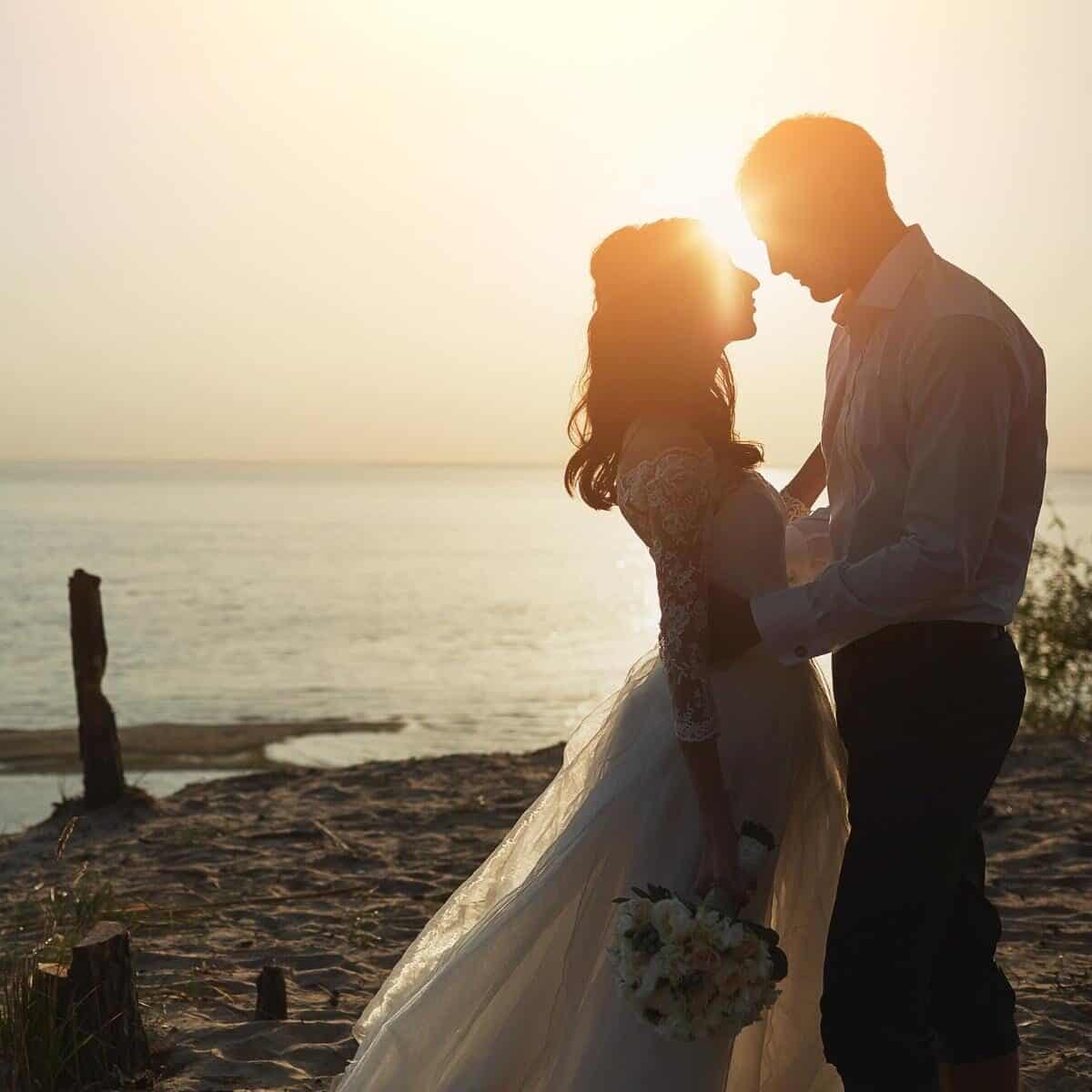
Fall is when the Hill Country hits its stride. Daytime highs typically sit in the mid-70s to low 80s, evenings cool into the 60s, and the oppressive humidity of summer has mostly broken by late September. Live oaks hold their green well into November, and the golden late-afternoon light photographers chase all year shows up almost on schedule.
This is also the busiest stretch for weddings in the region, which means popular properties around Dripping Springs, Wimberley, and Fredericksburg often book out 12 to 18 months in advance for prime Saturdays. If a fall date matters to you, start venue tours and vendor calls as early as possible, and be flexible on Friday or Sunday dates if a Saturday isn’t available.
March and April: Wildflowers and Mild Air
Spring brings its own draw: bluebonnets. From mid-March through mid-April, the highway shoulders and open fields around Burnet, Llano, and Marble Falls turn blue and purple, and many properties incorporate those blooms directly into ceremony backdrops. Temperatures during this window generally run from the high 60s to low 80s, with enough variability that a light jacket for evening is worth mentioning on the invitation.
Spring does come with a tradeoff — rain. March and April see more precipitation than fall, and a sudden afternoon storm is common enough that most experienced planners in the region build a covered backup plan into the timeline regardless of forecast. Ask any venue directly how they handle rain contingencies before signing a contract, since the answer separates the well-run properties from the ones improvising on the day.
December: The Underrated Choice
December gets overlooked because of holiday scheduling conflicts, but the weather argument for it is strong. Highs average in the upper 50s to mid-60s, skies are often clear, and the string lights and greenery already common in Hill Country barn and garden venues need almost no extra dressing to feel festive.
Pricing tends to soften here too. Venues and vendors that charge premium rates in October routinely offer lower rates for December dates outside the last two weeks of the month, when family travel plans compete for attention. A well-planned early or mid-December wedding can deliver fall-quality weather at a noticeably better price point.
What to Avoid: July and August
Summer in the Hill Country is not gentle. Highs regularly clear 100 degrees, and humidity off the lakes and rivers around Canyon Lake and Lake Travis makes it feel worse than the number suggests. Outdoor ceremonies scheduled for midday in these months are genuinely risky for guest comfort, particularly for older attendees or anyone standing in direct sun for a 20-minute service.
If a summer date is unavoidable because of family schedules or venue availability, push the ceremony to late afternoon or evening, confirm the reception space has real air conditioning rather than just fans, and warn guests in the invitation to dress light and hydrate. Several couples still choose July for sentimental reasons — an anniversary date, a proposal spot — and it can work with the right planning, but it takes more effort than any other month on this list.
Choosing Among Wedding Venues by Season
Different properties handle seasonal extremes differently, and that matters as much as the calendar month itself. Some Hill Country wedding venues have wide covered pavilions that make even a rainy April afternoon feel intentional, while others rely on open-air spaces that only really shine in the cooler months. When touring properties, ask specifically how each one performs in the season you’re considering, not just what it looks like in the marketing photos taken on a perfect October evening.
Booking Timeline for Your Chosen Month
Regardless of season, the booking math in this region runs on a predictable curve. Fall Saturdays fill first and fastest, spring dates are the next most competitive, December offers the best mix of good weather and availability, and summer weekends are almost always open right up until a few months out. Match your planning timeline to that reality rather than assuming a date will still be there in six months just because it’s not October.
The clearest takeaway is this: decide what matters more, guest comfort or a specific date on the calendar, and let that decision drive the search. A beautiful Hill Country wedding is achievable in almost any month, but October, November, and early December consistently deliver the best combination of weather, light, and value without asking guests to sit through a heat advisory.