Why you need to stay hydrated while you lose weight
If you’re trying to lose weight, you’ve probably been told countless times to drink more water and stay hydrated. It sounds simple, but staying hydrated can genuinely make a big difference to how you feel during a weight loss journey.
I know from personal experience that when I’m dehydrated I often mistake thirst for hunger, feel more tired, get headaches and end up reaching for snacks when what I actually needed was a drink. When you’re already trying to make healthier choices, that can make things feel much harder than they need to.
Whether you’re following Slimming World, Weight Watchers, calorie counting, using Wegovy or simply trying to eat a little healthier, staying hydrated is one of the easiest habits to work on. The good news is that it doesn’t have to mean forcing yourself to drink endless glasses of plain water every day.
Why hydration matters when you’re trying to lose weight
When people think about weight loss, they often focus on calories, exercise plans and meal choices. Whilst those things are important, staying hydrated can have a surprisingly big impact on how easy your weight loss journey feels.
One thing I noticed during my own weight loss journey was that I often thought I was hungry when actually I was thirsty. I’d find myself wandering into the kitchen looking for a snack, only to realise after having a drink that I wasn’t hungry at all. It sounds simple, but it happened more often than I’d like to admit!
Being properly hydrated can help you:
- Recognise the difference between hunger and thirst
- Feel more energised throughout the day
- Reduce headaches caused by dehydration
- Improve concentration and focus
- Support healthy digestion
- Help prevent constipation
- Feel more comfortable during exercise
- Replace high-calorie drinks with lower-calorie alternatives
If you’re trying to make healthier choices, the last thing you need is dehydration making you feel tired, sluggish and craving snacks. Drinking enough fluids won’t magically make weight fall off, but it can make healthy habits easier to stick to.
Why It Is Important for Weight Loss to Stay Hydrated
Our bodies are about 60% water, and nearly every bodily function relies on it. When you’re on a diet, your body is undergoing significant changes, and if you stay hydrated, it helps support this process in several key ways.
It Can Boost Your Metabolism
One of the most exciting benefits of hydration for dieters is its effect on metabolism. Your metabolic rate is the speed at which your body burns calories. Even mild dehydration can cause your metabolism to slow down as your body tries to conserve water.
Drinking water, especially cold water, can provide a temporary boost to your metabolism. Your body has to work to warm the water up to body temperature, a process called water-induced thermogenesis. This effort burns a small number of extra calories. While it’s not a magic trick for weight loss, every little bit helps, and maintaining an efficient metabolism is crucial for long-term success. Of course, it helps you stay hydrated too!
Water Helps You Feel Full
Have you ever felt hungry, had a snack, and then realised you were probably just thirsty? It’s a common mix-up. The signals for hunger and thirst both originate from the same part of the brain, the hypothalamus. This can lead to confusion, causing you to reach for a snack when what your body really needs is a glass of water.
By drinking water to stay hydrated consistently throughout the day, you can help prevent this confusion. Having a glass of water before a meal can also help you feel fuller, naturally leading to smaller portions. This is a simple but effective strategy for reducing calorie intake without feeling deprived. This is one of the most effective diet tips you can follow.
It Aids Digestion and Prevents Constipation
When you change your diet, especially if you’re increasing your fibre intake with more fruits and vegetables, your digestive system needs more water to stay hydrated and process everything smoothly. Water helps break down food, allowing your body to absorb the nutrients. It also softens stool, which helps prevent constipation, a common and uncomfortable side effect of some diets.
A well-hydrated digestive system is a happy and efficient one. Proper digestion ensures you’re getting the maximum nutritional benefit from the healthy foods you’re eating, which supports your overall health and weight loss efforts.
Proper Hydration Fuels Your Workouts
Exercise is a key component of most weight loss plans, and hydration is essential for performance. When you’re dehydrated, your blood volume decreases, forcing your heart to work harder to pump blood to your muscles. This can lead to fatigue, reduced endurance, and even dizziness.
If you stay hydrated, it ensures that your muscles receive the oxygen and nutrients they need to function at their best. You’ll have more energy, be able to work out for longer, and get better results from your efforts. Drinking water during and after exercise also helps replace fluids lost through sweat and aids in muscle recovery.
It Flushes Out Toxins
When you lose weight, your body breaks down fat cells, releasing the stored toxins they contain. Your kidneys and liver are responsible for filtering toxins out of your system, and they require a sufficient amount of water to function effectively.
Proper hydration helps your kidneys flush out waste products and toxins, supporting your body’s natural detoxification process. This not only aids in weight loss but also contributes to improved overall health and increased energy levels. Think of it as giving your internal systems a good clean!
The Ultimate Diet Tip: Always Carry a Water Bottle and Stay Hydrated
Knowing the importance of hydration is one thing; actually staying hydrated is another. Life gets busy, and it’s easy to forget to drink water. This is why making a high-quality water bottle your constant companion is one of the most practical diet tips you can follow.
Having a water bottle with you at all times serves as a constant visual reminder to stay hydrated. It makes hydration convenient, accessible, and measurable. Instead of losing track of how many glasses you’ve had, you can simply aim to refill your bottle a certain number of times per day.
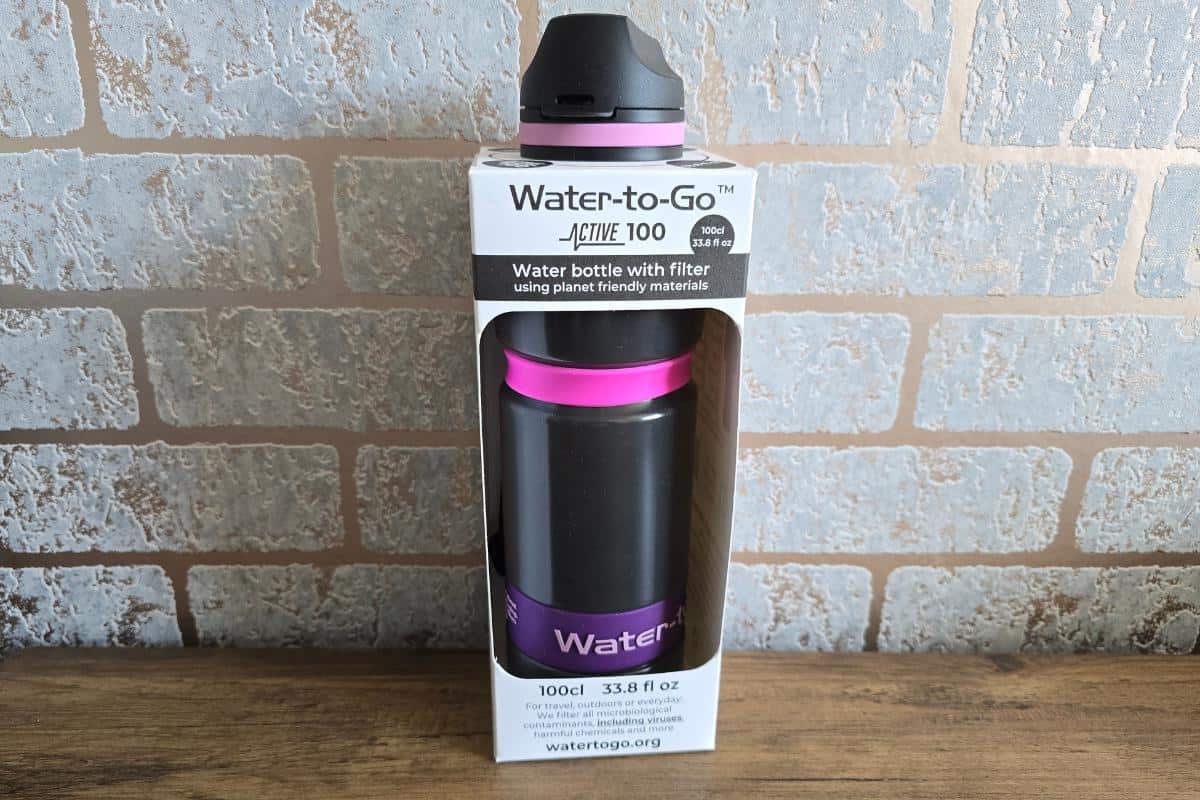
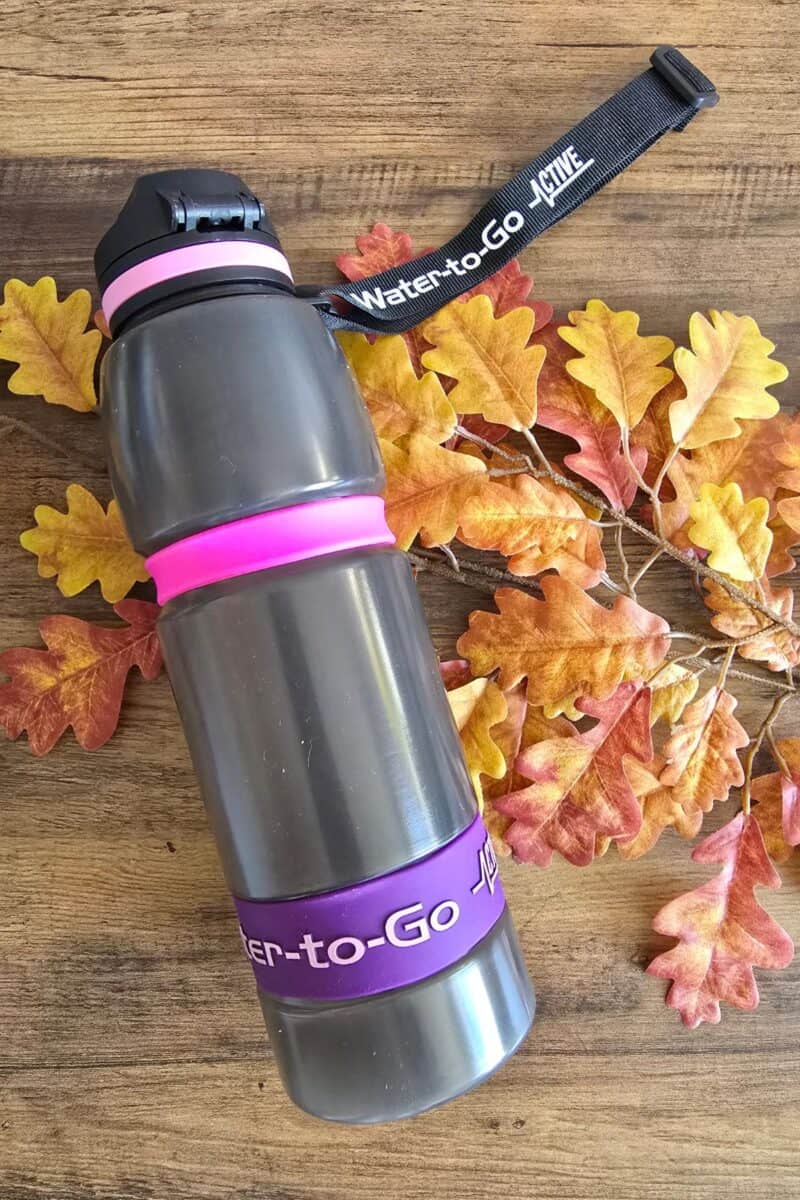
When choosing a water bottle, consider one that suits your lifestyle. You want something durable, easy to carry, and simple to clean. For those concerned about water quality from public taps or natural sources, a filter bottle is an excellent choice. The Water-to-Go bottle is a fantastic option because it uses a unique 3-in-1 filter technology to remove up to 99.9999% of contaminants, including viruses, bacteria, chemicals, and heavy metals. This means you can refill your bottle from almost any non-source and have safe, clean drinking water instantly. It’s perfect for the gym, the office, or even hiking, ensuring you never have an excuse to be dehydrated.
Easy ways to drink more water every day
Let’s be honest, if you don’t enjoy drinking plain water then being told to drink more of it isn’t particularly helpful. The good news is that staying hydrated doesn’t have to mean forcing yourself to drink litres of water you don’t enjoy.
Here are some practical tips that have helped me and many readers over the years:
Always keep a drink nearby
I’m far more likely to drink regularly if I can see my bottle. If it’s in another room, I’ll completely forget about it.
Use a water bottle you actually like
It sounds silly, but having a bottle you enjoy using can make a huge difference. Whether it’s a bottle with time markers, a straw lid or simply one in your favourite colour, find something that encourages you to drink.
Drink before meals
Having a drink before meals can help you stay hydrated and may also help you recognise whether you’re genuinely hungry.
Add flavour if needed
Not everyone enjoys plain water, and that’s okay. Add slices of lemon, lime, cucumber, strawberries or mint if it makes drinking easier.
Don’t be afraid of sugar-free squash
I know some people insist that only plain water counts, but realistically if sugar-free squash helps you stay hydrated when you would otherwise drink very little, then it’s a useful option.
Set reminders
Use your phone, smartwatch or even sticky notes if necessary. Small prompts throughout the day can make a big difference.
Take drinks with you
Whether you’re commuting, shopping, attending appointments or watching your child’s football match, having a drink available makes it much easier to stay hydrated.
Remember that other drinks count too
Tea, coffee, milk, sugar-free fizzy drinks and squash can all contribute towards your daily fluid intake. Whilst water is a great choice, it isn’t the only way to stay hydrated.
The best hydration plan is the one you’ll actually stick to. Small consistent habits are usually far more effective than trying to force yourself to drink huge amounts all at once.
Signs you’re not drinking enough
Many of us don’t realise we’re dehydrated until we start feeling quite unwell. Mild dehydration can creep up slowly, especially when you’re busy, travelling, exercising more or trying to change your eating habits.
Some common signs that you may not be drinking enough include:
Feeling tired all the time
If you’re constantly reaching for another coffee or struggling to stay awake in the afternoon, dehydration could be contributing to your fatigue.
Headaches
One of the first signs I notice when I haven’t drunk enough is a headache. Whilst headaches can have many causes, dehydration is a surprisingly common one.
Feeling hungry shortly after eating
Sometimes what feels like hunger is actually thirst. If you’ve recently eaten but still feel like snacking, try having a drink and waiting 15 minutes before deciding whether you’re genuinely hungry.
Dark yellow urine
A useful indicator of hydration is the colour of your urine. Pale yellow usually suggests you’re well hydrated, whereas darker urine can indicate you need more fluids.
Dry mouth and lips
A dry mouth, sticky feeling in your mouth or cracked lips can all be signs that your body needs more fluids.
Dizziness or light-headedness
Feeling dizzy when standing up or moving around can sometimes be linked to dehydration, particularly during hot weather or after exercise.
Constipation
Not drinking enough can make constipation worse, which is something many people already struggle with when changing their diet or taking weight loss medication.
If several of these symptoms sound familiar, increasing your fluid intake may help you feel much better overall.
Frequently Asked Questions About Staying Hydrated on a Diet
How much water should I drink when trying to lose weight?
There isn’t a single amount that’s right for everyone. Your age, activity levels, health conditions, medications and even the weather can all affect how much fluid you need. A good starting point is to drink regularly throughout the day and aim for pale yellow urine rather than focusing on a specific number of glasses.
Can drinking more water help with weight loss?
Water itself doesn’t directly cause weight loss, but staying hydrated can support your weight loss efforts. Some people find that drinking water helps them recognise the difference between hunger and thirst, reduces unnecessary snacking and helps them feel more energised for exercise.
Why do I feel hungry when I’m actually thirsty?
The signals for hunger and thirst can sometimes feel very similar. If you’re craving food shortly after eating, try having a drink and waiting 10 to 15 minutes before reaching for a snack. You may find that what felt like hunger was actually mild dehydration.
Does tea and coffee count towards hydration?
Yes. Despite the myths, tea and coffee do contribute to your daily fluid intake. While water is an excellent choice, drinks such as tea, coffee, milk and sugar-free squash can all help keep you hydrated.
Does squash count as water intake?
Sugar-free squash can absolutely contribute towards your hydration. Whilst plain water is ideal for some people, many find flavoured drinks easier to drink regularly. If squash helps you drink more fluids overall, it can be a useful option.
Can dehydration slow down weight loss?
Dehydration doesn’t directly stop weight loss, but it can make healthy habits harder to maintain. Feeling tired, dizzy, sluggish or experiencing headaches may make you less likely to exercise or prepare healthy meals.
What are the signs of dehydration?
Common signs of dehydration include headaches, tiredness, dark yellow urine, dry mouth, dizziness, poor concentration and constipation. If you’re experiencing these symptoms regularly, it may be worth increasing your fluid intake.
Can drinking water reduce food cravings?
Sometimes. If cravings are actually being caused by thirst, having a drink may help. However, genuine hunger, emotional eating and food cravings can have many causes, so drinking water isn’t always the answer.
Is sparkling water as hydrating as still water?
Yes. Sparkling water hydrates your body just as effectively as still water. If you enjoy fizzy water and it helps you drink more, it can be a great way to increase your fluid intake.
How can I remember to drink more water?
Many people find it helpful to carry a water bottle, set reminders on their phone, drink before meals or keep a drink beside them while working. Small habits repeated consistently often work better than trying to drink large amounts all at once.
Can you drink too much water?
It is possible to drink too much water, but this is uncommon for most people. Drinking excessively large amounts in a short period can upset your body’s balance of salts and minerals. For most people, drinking steadily throughout the day according to thirst and activity levels is the best approach.
Do I need more water when exercising?
Yes. When you exercise, especially in warm weather, your body loses fluids through sweat. Replacing those fluids helps maintain performance, energy levels and recovery.
Does hydration matter during menopause?
Many women find they become more aware of hydration during menopause, particularly if they experience hot flushes, night sweats or disrupted sleep. Drinking enough fluids may help you feel more comfortable and support your overall wellbeing.
Is staying hydrated important when taking Wegovy or Mounjaro?
Yes. Some people taking weight loss medications such as Wegovy or Mounjaro find they drink less because their appetite changes, while others experience nausea or digestive side effects. Making a conscious effort to stay hydrated can be especially important if you’re taking these medications.
What foods can help keep you hydrated?
It’s not just drinks that help. Foods with a high water content can contribute to your hydration too. Watermelon, strawberries, cucumber, tomatoes, lettuce, oranges and soups are all good examples of foods that contain plenty of water.
Your Path to a Healthier You
Embarking on a diet is a commitment to improving your health, and every small, positive change you make contributes to your success. While focusing on food choices and exercise is important, don’t underestimate the power of hydration.
Drinking enough water supports your metabolism, controls hunger, aids digestion, and fuels your workouts. It’s a simple, free, and incredibly effective tool for weight loss. By making a habit of carrying a reliable water bottle, like the Water-to-Go, you make staying hydrated convenient and effortless. You empower yourself to make healthier choices and provide your body with the support it needs to achieve its goals.
As you continue on your diet journey, make it a priority to stay hydrated. Grab your water bottle, keep it filled, and stay hydrated every single day.