How to use cornflour – top tips
You probably have a box of cornflour sitting in your cupboard, but do you know how to use it? This simple ingredient can do amazing things, from making sauces thicker to making desserts extra special.
Whether you’re a pro in the kitchen or just starting out, learning how to use cornflour can make your food taste even better. This guide will show you all the best ways to use it.
What is Cornflour?
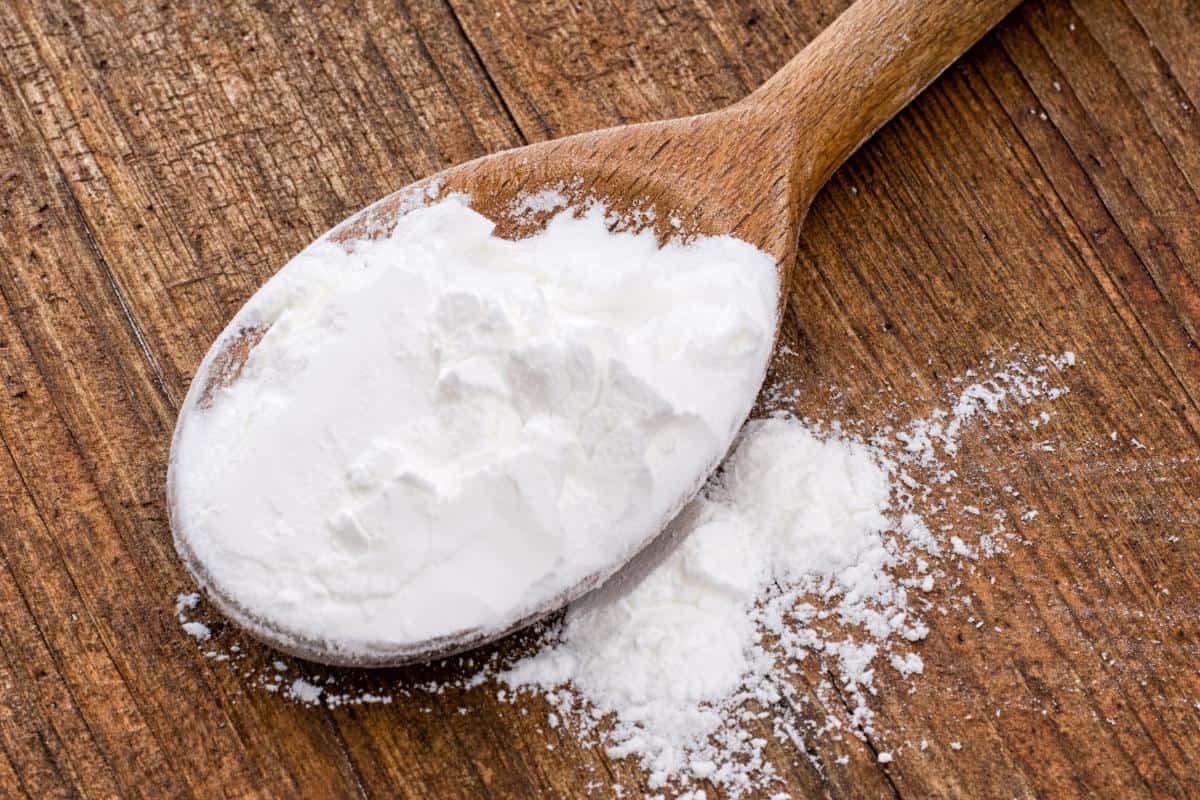
Cornflour is a fine, white powder made from the starchy part of corn kernels. It’s different from cornmeal, which is made from the whole kernel and is much coarser. Because cornflour is pure starch, it’s great for thickening, binding, and making food silky smooth.
Cornflour is not usually used on its own. It works best when mixed with liquids or added to recipes.
Why is Cornflour a Great Thickener?
One of the most popular uses of cornflour is to thicken liquids. When you mix it with a liquid and heat it, it creates a smooth, glossy gel. This is because the starch absorbs water and swells.
If your gravy is too thin or your custard is watery, cornflour can fix it. But you need to use it correctly. Here’s how:
- Always mix it with cold liquid first. Put the cornflour in a small bowl and add a little cold water or another cold liquid. Stir it until it becomes a smooth paste. This is called a slurry. Making a slurry stops lumps from forming in your sauce.
- Add it near the end of cooking. This prevents the cornflour from cooking for too long, which can cause it to lose its thickening power.
- Use a small amount. You don’t need much. Start with about one tablespoon for every 250ml of liquid. You can always add more if needed.
Recipes That Use Cornflour for Thickening
- Gravy and Sauces: Make your gravy smooth and thick. It’s perfect for everything from a Sunday roast to a sweet and sour sauce.
- Custards and Creams: Get that thick, velvety feel in custards and pastry creams.
- Soups: Thicken up your soups without changing the flavour.
Other Ways to Use Cornflour
Cornflour is not just for thickening. Here are some other things it can do:
1. Making Crispy Coatings
Use cornflour with regular flour to make a light, crispy coating for fried food. It’s great for fried chicken or crispy fish.
Tip: For extra crispy food, use half plain flour and half cornflour in your batter.
2. Better Baking
Cornflour can make your cakes and biscuits softer. It helps make shortbread melt in your mouth.
Try this: For a very tender cake, swap a small amount of the flour in the recipe with cornflour.
3. Perfect Fruit Fillings
Use cornflour in fruit pies and tarts to stop the bottom from getting soggy. It thickens the fruit juices and makes the filling shiny and firm.
Pro tip: Mix the cornflour with sugar before adding it to the fruit. This helps it spread out evenly.
4. Making Sauces Like a Takeaway
That glossy, slightly sticky sauce you get in a good stir-fry is made with cornflour. Mix a little into your soy sauce or broth, then add it to your meat and vegetables.
Bonus: Marinating meat like chicken or beef in a mix of soy sauce and cornflour can make it more tender.
5. Thickening Vegan and Dairy-Free Food
Cornflour is a great way to thicken soups and sauces without using cream or butter. This makes it perfect for vegan cooking.
The Dos and Don’ts of Cornflour
Here are a few simple rules for using cornflour:
Dos:
- Always mix cornflour with a cold liquid before adding it to hot food.
- Add it near the end of cooking.
- Start with a small amount.
Don’ts:
- Don’t cook it for too long, as it can become thin again.
- Don’t add it straight into hot liquid, or it will go lumpy.
- Don’t freeze dishes thickened with cornflour. They can become watery when you thaw them.
Frequently Asked Questions
Can I use cornflour instead of plain flour to thicken?
Yes. Cornflour has more thickening power than plain flour, so you’ll need less of it.
Is cornflour gluten-free?
Yes, it’s naturally gluten-free. This makes it a great choice for gluten-free cooking and baking.
What’s the difference between cornflour and cornstarch?
They are the same thing. “Cornstarch” is the term used in America, while “cornflour” is used in the UK.
Can I use arrowroot or tapioca instead of cornflour?
Yes, you can. They work similarly, but there are small differences to the way you use cornflour. For example, tapioca is better if you plan to freeze the dish. Check out my article for more information on alternatives to cornflour.
Time to Get Cooking!
Cornflour is a kitchen lifesaver. It can thicken sauces, make your bakes better, and give fried food a great crunch. Now that you know how to use cornflour, why not give it a try in your next meal?