
Fibremaxxing: The TikTok Trend That’s Actually Good for Your Gut
Let’s be honest: TikTok trends are a mixed bag. One week we’re taping our mouths shut before bed, and the next we’re drinking chlorophyll water like we’re houseplants. It’s hard to keep up, and even harder to know what’s actually safe. But every now and then, the algorithm serves up something that nutritionists can actually get behind. Enter: Fibremaxxing.
Unlike other “maxxing” trends that focus on looks (like looksmaxxing) or sleep (sleepmaxxing), fibremaxxing is all about what’s happening on the inside. Specifically, it’s the practice of strategically increasing your fibre intake to boost your digestive health.
But is it just another flash-in-the-pan fad? Or is this the dietary wake-up call we’ve all been waiting for? Let’s dive into the nitty-gritty of fibre, why you probably aren’t eating enough of it, and how to jump on the bandwagon without turning your stomach into a balloon.
What exactly is fibremaxxing?
The term “fibremaxxing” might sound like something out of a sci-fi movie, but the concept is incredibly simple. It originated from creators on TikTok, including a microbiologist, who started sharing high-fibre recipes (such as chia seed pudding) and tips for squeezing more roughage into every meal.
The goal isn’t just to eat a bit of toast; it’s to maximise your intake to meet or exceed daily recommendations.
Why the sudden interest? Well, we are in the middle of a gut health revolution. We are learning more about how our microbiome affects everything from our mood to our immunity. Fibre is the fuel that keeps that microbiome happy. So, while the name fibremaxxing is trendy, the science behind it is solid.
The truth: You probably aren’t eating enough fibre
Here is a staggering statistic: most of us are failing when it comes to fibre.
In the UK, the government guidelines recommend that adults aim for 30g of fibre a day. However, the average intake is currently hovering around 18g to 20g. That means most of us are eating nearly 40% less than we should be.
It’s not entirely our fault. Modern diets are packed with ultra-processed foods where the fibre has been stripped away to improve texture or shelf life. We swap whole fruits for juice and whole grains for white bread, losing all the good stuff in the process.
Why does 30g matter?
The 30g target isn’t a random number plucked from thin air. It comes from extensive research, including a major report by the Scientific Advisory Committee on Nutrition (SACN) back in 2015. They found strong evidence that hitting this target significantly reduces the risk of serious health issues.
The massive benefits of fibre (beyond the bathroom)
When people think of fibre, they usually think of one thing: keeping “regular.” And while preventing constipation is a huge perk, fibre is actually a multitasker that works hard for your entire body.
1. It’s a heart hero
Your heart loves whole grains. A systematic review published in the BMJ found that for every additional 7g of fibre you eat per day, your risk of cardiovascular disease drops by 9%. To put that in perspective, 7g is roughly a portion of whole grains plus a portion of beans.
Fibre, specifically soluble fibre found in oats and fruit, acts like a sponge. It binds to cholesterol in your digestive system and drags it out of the body before it can clog up your arteries.
2. It keeps blood sugar steady
If you have ever felt a sugar crash after eating a doughnut, you know the struggle of blood sugar spikes. Fibre slows down the absorption of sugar, giving you a steady stream of energy rather than a rollercoaster ride. This is crucial for reducing the risk of type 2 diabetes.
3. It may help you live longer
A study commissioned by the World Health Organisation suggested that increasing fibre intake could reduce overall mortality by 15% to 30%. That is a massive potential benefit just for swapping white pasta for whole wheat.
4. It supports weight management
This is where fibremaxxing appeals to the fitness crowd. Fibre adds bulk to your meals without adding loads of calories. It makes you feel fuller for longer (satiety), which stops you from raiding the biscuit tin an hour after lunch.
For more detailed nutritional information, check out resources like the British Nutrition Foundation.
Not all fibre is the same
Before you go out and buy a sack of bran, it is helpful to know that fibre comes in different forms. They all do different jobs, so variety is key.
Soluble Fibre
This dissolves in water to form a gel-like substance. It helps lower glucose levels and blood cholesterol.
Where to find it: Oats, peas, beans, apples, citrus fruits, carrots, and barley.
Insoluble Fibre
This type promotes the movement of material through your digestive system and adds bulk to your stool. It is the best friend of anyone struggling with constipation.
Where to find it: Whole-wheat flour, wheat bran, nuts, cauliflower, green beans, and potatoes.
Resistant Starch
This functions like soluble fibre. It travels to your large intestine, where it becomes food for the good bacteria in your gut.
Where to find it: Unripe bananas, cooked and cooled potatoes, and lentils.

How to start fibremaxxing (without the bloating)
This is the most important part of this entire post. If you go from eating 15g of fibre to 35g overnight, you are going to regret it.
Your gut bacteria need time to adapt to the new workload. If you rush it, you might experience gas, bloating, and stomach cramps. The key is to go strictly “low and slow.”
Here is a simple, graduated plan to get your intake up when you start fibremaxxing:
Week 1: The Breakfast Swap
Focus only on your morning meal.
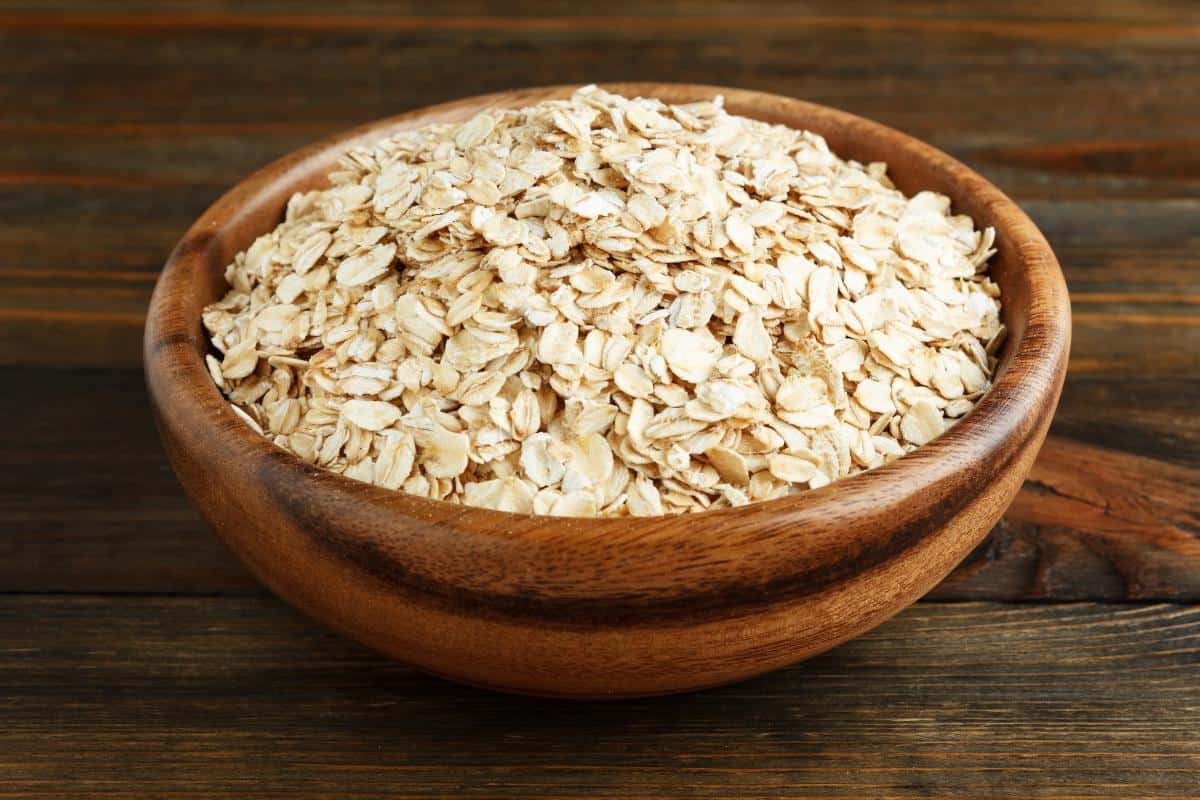
- Swap sugary cereals for porridge oats topped with berries.
- Switch white toast for wholemeal or seeded bread.
- Bonus: Leave the skin on your fruit. An apple with skin has much more fibre than a peeled one.
Week 2: Snack Attacks
Look at what you are eating between meals.
- Swap crisps for popcorn (yes, popcorn is a whole grain!).
- Munch on a handful of almonds or peanuts. A 100g serving of almonds has about 7.4g of fibre!
- Try carrot sticks with hummus.
Week 3: Lunch and Dinner Upgrades
Start sneaking more plants into your main meals.
- Add a tin of lentils or beans to your soups, stews, or Bolognese.
- Keep the skins on your potatoes when you make wedges or mash.
- Add a side of peas or broccoli to your dinner plate.
Crucial Rule: You must drink more water. Fibre absorbs water like a sponge. If you eat loads of fibre but don’t drink enough fluid, it can actually cause constipation instead of curing it. Aim for 6-8 glasses of water a day.

High-fibre foods for fibremaxxing
If you want to hit that 30g target, you need to know where to look. Here are some fibre heavyweights to add to your shopping list:
- Wholemeal spaghetti: 4.2g per 100g
- Baked beans: 4.9g per 100g
- Green peas: 5.6g per 100g
- Raspberries: A surprising amount of fibre in those little seeds!
- Chia seeds: The start of the fibremaxxing trend for a reason.
Remember to check food labels. In the UK, a product can claim to be a “source of fibre” if it has 3g per 100g, and “high fibre” if it has at least 6g per 100g.
Can you fibre-maxx too much?
Yes, actually. While it is rare, consuming excessive amounts of fibre (usually over 70g a day) can lead to nutrient deficiencies because the fibre binds to minerals like calcium, magnesium, and zinc, preventing absorption. It can also cause severe digestive distress or even intestinal blockages in extreme cases.
Also, if you suffer from Irritable Bowel Syndrome (IBS), you need to be careful. Some high-fibre foods are high in FODMAPs (fermentable carbohydrates) which can trigger symptoms. In this case, you might need to focus on specific types of fibre or consult a dietitian before jumping on the fibremaxxing trend.
The verdict: Is fibremaxxing worth the hype?
Unlike the “Lion Diet” or drinking raw eggs, fibremaxxing is grounded in solid nutritional science. We are undeniably facing a fibre gap in our diets, and closing that gap can improve our hearts, our waistlines, and our longevity.
The best approach isn’t to obsessively track every gram or panic if you miss a day. Instead, view fibremaxxing as a fun challenge to see how many plants you can add to your plate. Can you add seeds to your yoghurt? Can you swap white rice for brown?
It’s not about being perfect; it’s about feeding your gut the good stuff. So, go ahead and join the trend—your microbiome will thank you.
Fibremaxxing – Frequently Asked Questions (FAQ)
1. How do I know if I’m eating enough fibre?
If you are eating a standard Western diet and not actively trying to include whole grains, fruits, and veg, you are likely falling short. Signs of low fibre intake include constipation, feeling hungry soon after eating, and fatigue. Tracking your food for a few days using an app can give you a clear picture of your current intake.
2. Is a fibre supplement just as good as food?
Supplements (like husk powders) can help, but food is always better. Whole foods contain a complex mix of vitamins, minerals, and antioxidants that supplements can’t replicate. Plus, the research on heart health benefits is based on fibre from food sources, not just powders.
3. Will eating more fibre make me bloated forever?
Usually, no! Bloating is a common side effect when you first increase your intake because your gut bacteria are working overtime to ferment the new fuel. This usually settles down after a few weeks as your body adapts. Remember to drink water and increase your intake gradually to minimise this.
4. Can children do fibremaxxing?
Kids need fibre too, but their tummies are smaller and more sensitive. The recommendations are lower:
- 2–5 years: ~15g per day
- 5–11 years: ~20g per day
- 11–16 years: ~25g per day
You don’t need to “maxx” their diet, but swapping to wholemeal toast and offering fruit instead of sweets is a great start.
5. Does cooking vegetables destroy the fibre?
Good news: No. Cooking can break down cellular walls, making the fibre softer (which is why cooked carrots are easier to digest than raw ones), but the fibre content remains largely the same. So whether you like your veggies raw, roasted, or steamed, you are still getting the benefits.
Is fibremaxxing something you are considering? Let me know your thoughts in the comments below. If you have already tried fibremaxxing, how did it go?