How to make healthy meatballs that actually taste good
Meatballs are one of those foods that sound incredibly simple until you make a batch that falls apart, turns into little dry golf balls or somehow manages to taste of absolutely nothing.
I’ve made and eaten plenty of different meatballs over the years, including homemade ones and the various lower-fat supermarket versions I’ve bought when I’ve been following Slimming World. There can be a huge difference between them, and I’ve found that simply buying the leanest mince possible isn’t enough to guarantee a good meatball.
If you want to make healthier meatballs, you need to think about the mince, what you’re using to bind them, how you’re adding flavour and, perhaps most importantly, how you’re cooking them. You can make them in the oven or air fryer without frying them in lots of oil, but you still want them to be juicy rather than dry.
Here’s what I’ve learnt about getting that balance right for tasty but healthy meatballs.
Which mince is best for your healthy meatballs?
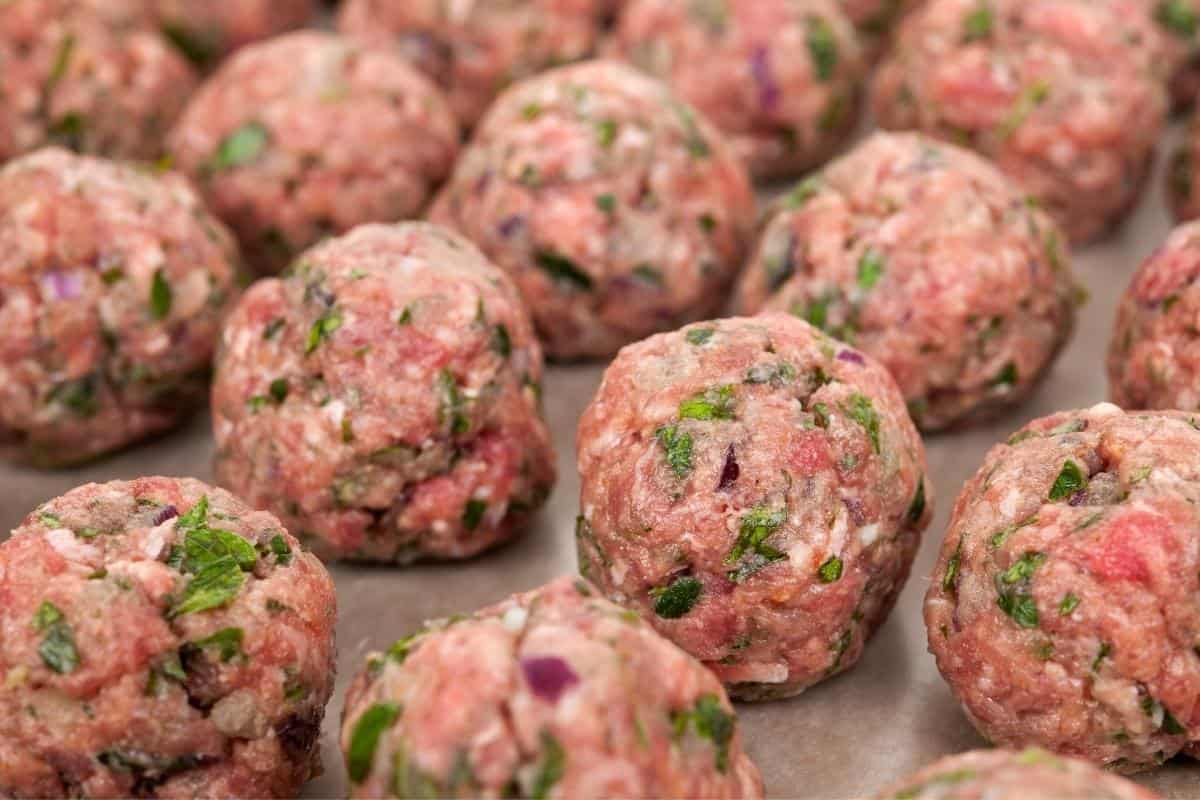
If reducing the fat content is important to you, the easiest place to start is the mince itself.
Lean beef mince is readily available in most supermarkets and I usually look at the actual fat percentage on the packet rather than assuming one type is automatically better than another. The same applies to turkey and chicken mince because their nutritional values can vary considerably between products.
There’s also no reason meatballs have to be made from beef. Turkey and chicken work well with the right seasoning, while lamb is lovely when you want stronger flavours, as I use in my Moroccan meatballs.
If you’re trying to choose between the different packets in the supermarket, compare them rather than getting too hung up on words such as “lean” on the front. The nutritional information tells you far more.
Do meatballs need breadcrumbs?
No, although breadcrumbs aren’t something I automatically avoid either just to make healthy meatballs, the amount of breadcrumbs is minimal anyway!
Traditional meatball recipes often use breadcrumbs, sometimes soaked in milk, because they can help produce a softer texture. If you’re happy using them, there’s nothing inherently wrong with doing so.
If you don’t want breadcrumbs, an egg can help bind your meatball mixture. A small amount of porridge oats is another option, particularly if the mixture seems wet, although this will alter the texture slightly.
Finely grated vegetables can also work brilliantly in meatballs. Onion, carrot, courgette, spinach and finely chopped mushrooms can add flavour and moisture while making the mixture go further.
With courgette in particular, I’d squeeze out some of the excess water before adding it. Otherwise you can go from worrying about dry meatballs to wondering why you’ve created meatball soup!
Why do homemade meatballs fall apart?
This is usually a combination of the mixture being too wet, not having enough to bind it together or handling the meatballs too much while they’re cooking.
If your mixture feels extremely wet when you’re trying to roll it, adding a little of your chosen binder can help. Chilling the mixture before shaping can make it easier to work with too.
Once you’ve shaped the meatballs, try not to keep prodding and turning them during the first few minutes of cooking. Let the outside start to cook and firm up before moving them around.
It’s also worth remembering that a meatball doesn’t need to survive being bounced across the kitchen. Handle them gently and don’t compact the mince so enthusiastically that the finished meatballs become dense and tough.
Don’t forget the flavour
One problem with swapping fattier mince for very lean meat is that you can lose some flavour and moisture, so seasoning becomes even more important.
The flavours you use should depend on what you’re serving the meatballs with rather than there being one magic seasoning mixture for every recipe.
For Italian-style meatballs, I like garlic with herbs such as oregano, basil or parsley. If you’re going in a Moroccan or Middle Eastern-inspired direction, cumin, coriander and paprika work well. My herbs and spices guide has lots more ideas if your spice rack is full of jars you bought for one recipe three years ago and haven’t touched since!
Worcestershire sauce or soy sauce can add extra savoury flavour too, although obviously check individual ingredients if you’re cooking for someone with allergies or dietary requirements.
Can I add vegetables to make better healthy meatballs?
Definitely, and I think this is particularly useful when you’re cooking for a family.
Finely grated carrot or courgette disappears into the mixture surprisingly well, while finely chopped mushrooms are great if you want extra savoury flavour. Onion is probably the most obvious addition, but chop it finely enough that you don’t have enormous chunks making your meatballs fall apart.
It can also make a batch of mince stretch further, which isn’t a bad thing with the price of a food shop these days.
I wouldn’t pile five different vegetables into one batch just for the sake of it, though. You are still making meatballs, not trying to hide the contents of the vegetable drawer from your family!
How to cook meatballs in the oven
The oven is probably the easiest method when you’re cooking a large batch.
Put the shaped meatballs onto a lined baking tray with a little space between them and cook at around 200°C/180°C fan for approximately 15–20 minutes, depending on their size.
Smaller meatballs will obviously cook more quickly than huge ones, so use the time as a guide rather than assuming every meatball ever made will be ready at exactly 17 minutes.
If you’re making healthy meatballs to go into a tomato sauce, you can transfer them to the sauce once they’re cooked and let everything simmer together for a few minutes.
Can you cook meatballs in the air fryer?
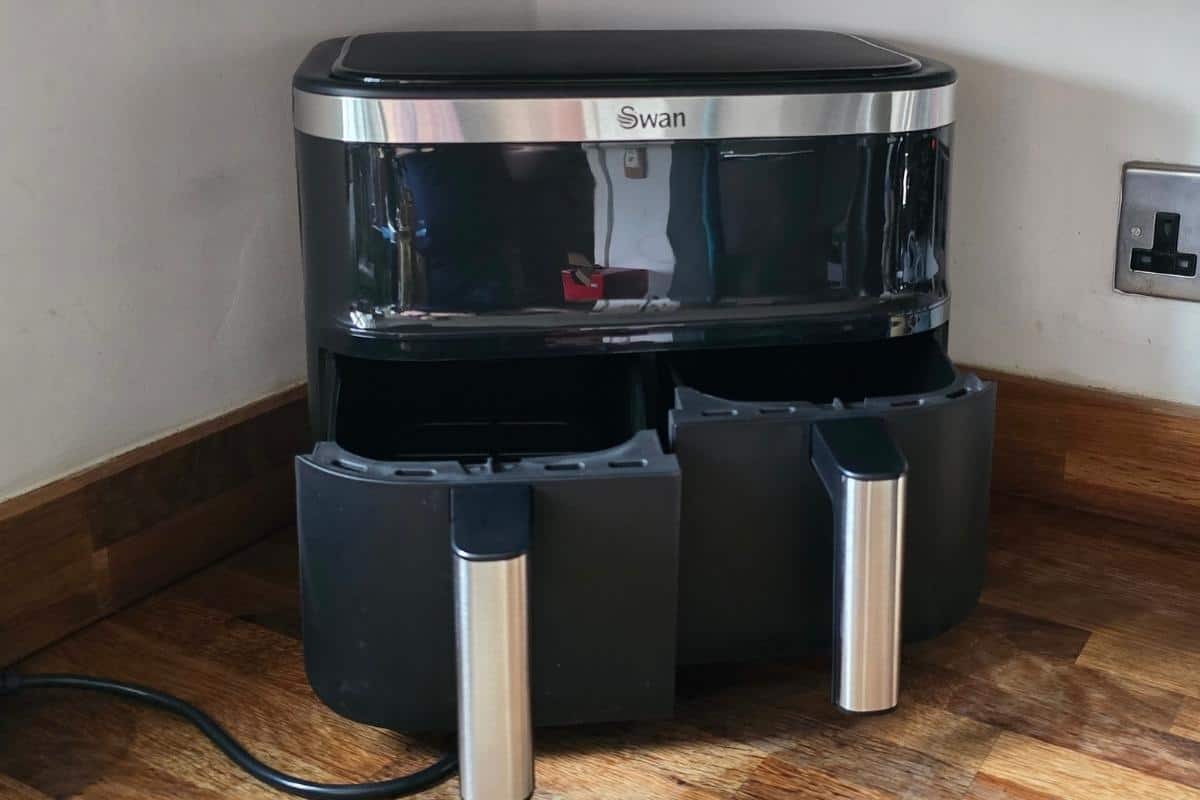
Yes, and it’s particularly handy when you’re making a smaller batch and don’t want to put the oven on.
I cook meatballs at around 180°C in the air fryer, checking them after approximately 10–12 minutes depending on their size. Turn them or give the basket a gentle shake partway through so they cook more evenly.
Don’t overcrowd the basket. Hot air needs to circulate around the meatballs, so if you’ve made a huge batch you may need to cook them in two lots.
If you’re fairly new to air frying, have a look at my air fryer recipes and cooking tips where I’ve brought together my recipes and the things I’ve learnt from using mine.
How do I know when meatballs are cooked?
This is one area where I wouldn’t guess.
Because you’re using minced meat, meatballs need to be thoroughly cooked rather than served rare in the middle. The Food Standards Agency advises cooking burgers and minced-meat products thoroughly, so check that they’re steaming hot throughout with no pink meat remaining.
If you’re using a food thermometer, follow current Food Standards Agency guidance for safe cooking temperatures rather than relying entirely on colour or a particular cooking time.
The exact time your healthy meatballs need will vary with their size, the meat you’ve used and your oven or air fryer.
What sauce goes with meatballs?
A simple tomato sauce is probably what I make most often because it works with so many different meatball flavours.
Passata or chopped tomatoes with garlic, herbs and seasoning is enough for a basic sauce, and you can add onion, vegetables, chilli or whatever else suits the meal you’re making.
I wouldn’t worry about avoiding every jar of pasta sauce because it’s supposedly full of sugar or oil. If a jar makes dinner easier one evening, use the jar! If you have time and want to make your own, that’s easy enough too.
Once the healthy meatballs are thoroughly cooked, I like putting them into the sauce for a few minutes so everything comes together before serving.
What can I serve with meatballs?
Spaghetti and meatballs is the obvious answer, and there’s absolutely nothing wrong with that.
You could also serve them with other pasta shapes, rice, mashed potatoes, roasted vegetables or salad, depending on the flavours you’ve used. Meatballs work brilliantly in wraps and sub rolls too, particularly with tomato sauce and melted cheese.
For more ideas using mince, have a look at my lean mince recipes, where you’ll find plenty of different ways to turn a packet of mince into dinner.
Can I freeze homemade meatballs?
Yes. I actually think making extra is worthwhile because shaping twenty meatballs isn’t much more annoying than shaping ten once you’ve already got your hands covered in mince!
Cook them thoroughly and allow them to cool before freezing them in a suitable airtight container.
You can freeze them separately from the sauce or freeze the finished meatballs and sauce together, depending on how you expect to use them.
When reheating, make sure they’re thoroughly defrosted where required and reheated until piping hot throughout.
Can I make gluten-free meatballs?
You can make healthy meatballs without breadcrumbs, but that doesn’t automatically make every meatball recipe gluten-free.
Check everything you’re adding, particularly sauces, stock products, seasoning mixes and ingredients such as soy sauce or Worcestershire sauce.
If you’re cooking for someone who needs to avoid gluten for medical reasons, check the packaging of every ingredient rather than assuming something is safe because it doesn’t obviously contain bread.
Are homemade meatballs healthier than shop-bought meatballs?
Not automatically.
The advantage of making them yourself is that you decide what goes into them. You can choose the mince, how much salt you use, whether you include breadcrumbs or vegetables and how you cook them.
There are perfectly reasonable ready-made meatballs too, so compare the labels if you’re choosing between products rather than assuming homemade always equals healthy and shop-bought always equals unhealthy.
For me, homemade is mostly about being able to make them taste exactly how I want them. Once you’ve found a combination of mince, seasoning and cooking method that works for your family, they’re really easy to adapt for lots of different meals.