How to Lose Weight Without Exercise – And Do It Sensibly
If you want to lose weight but can’t exercise, you might be wondering whether you’re wasting your time before you’ve even started.
You’re not.
You absolutely can lose weight without exercising. Exercise has lots of benefits for your health, fitness, strength and general wellbeing, but you don’t have to spend five nights a week in the gym to make the number on the scales go down.
I know weight loss can sometimes be presented as though you need to overhaul your entire life at once. Suddenly you’re apparently supposed to meal prep every Sunday, walk 10,000 steps, lift weights three times a week, drink three litres of water and develop an inexplicable love of kale.
It doesn’t have to look like that.
I’ve lost a lot of weight in the past, and one thing I’ve learned over the years is that making something more extreme doesn’t necessarily make it better. In fact, some of the habits I developed around food and weight loss became far too restrictive and obsessive.
These days, I’d much rather look at what you can realistically change and, importantly, what you can actually live with.
So, if exercise isn’t possible for you at the moment, here’s where I’d start.
Can you really lose weight without exercise?
Yes.
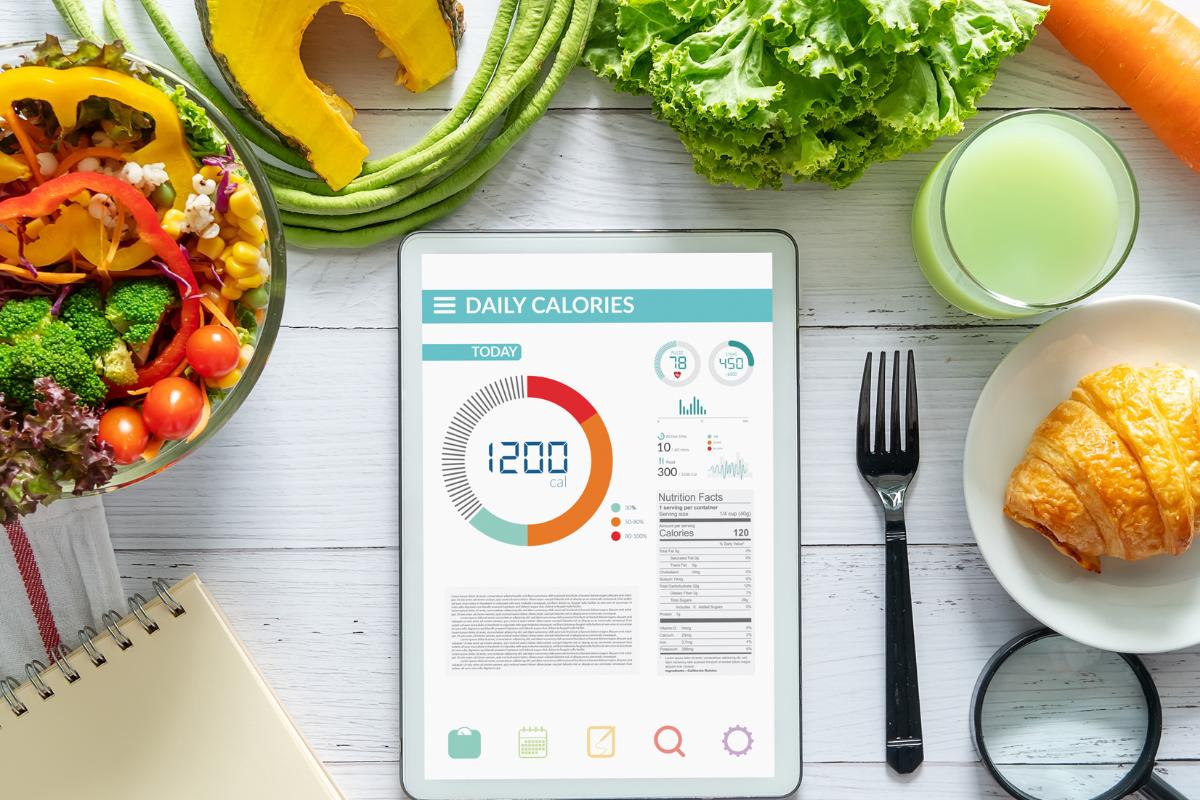
Ultimately, weight loss happens when your body uses more energy than you’re consuming over time. This is usually described as being in a calorie deficit.
Exercise can contribute to that because movement uses energy, but exercise isn’t the only way of creating a deficit.
You can also change what and how much you eat.
That’s why someone who doesn’t exercise can still lose weight, while someone who goes to the gym several times a week won’t necessarily lose weight at all.
Of course, weight and appetite are considerably more complicated in real life than a neat little calories-in-versus-calories-out diagram can make them appear. Medication, health conditions, hormones, sleep, stress and all sorts of other things can affect appetite, weight and how easy or difficult weight loss feels.
The basic principle is simple.
Actually living with it isn’t always quite so simple!
You don’t necessarily need to eat 1,400 calories
One thing I really dislike about generic weight-loss advice is the assumption that every woman should eat the same amount.
You’ll often see 1,400 calories suggested as a weight-loss target for women, but our bodies aren’t identical.
A woman who is 5ft tall, weighs 10 stone and sits at a desk all day isn’t going to have exactly the same energy needs as a woman who is 5ft 10, weighs 20 stone and spends all day on her feet.
Your maintenance calories are an estimate of how much energy your body needs to maintain its current weight. Eating somewhat below that can create the calorie deficit needed for weight loss.
You can use a maintenance calorie calculator to get an estimate, although no online calculator can tell you precisely how many calories your individual body uses.
I’d much rather start with a moderate change and see what happens over several weeks than immediately slash your food intake as low as possible.
I’ve been down the road of believing that eating less must always be better. It isn’t a road I’d recommend.
What if you don’t want to count calories?
You don’t have to.
Some people genuinely love tracking. They like numbers, weighing things and knowing roughly what they’re eating. Other people find it absolutely miserable.
And for some of us, becoming too focused on numbers can turn into something quite unhealthy. I’ve experienced that myself, so I’m never going to tell you that everyone needs to spend the rest of their life weighing pasta.
You can make changes that reduce your overall calorie intake without specifically counting every calorie. Look at what you’re eating now and ask where the easiest changes are.
Perhaps you drink several sugary drinks each day. Maybe your portions are larger than you actually want. Perhaps you’re hungry all afternoon because lunch isn’t filling enough, so you end up picking at food until dinner. Those are useful things to notice.
Don’t just concentrate on eating less
This is probably one of the biggest lessons I’ve learned about weight loss.
When I was completely focused on losing weight, my instinct was always to think about what I could remove.
Less food.
Fewer calories.
Smaller meals.
No treats.
Skip this. Avoid that.
But there’s another question that’s just as useful:
What could I add that would make this meal more satisfying?
That’s where protein and fibre can be really helpful.
Protein can make meals more filling
Protein is useful when you’re losing weight because it helps with fullness and is important for maintaining muscle.
That doesn’t mean every meal needs to contain an enormous chicken breast or that you suddenly need to start drinking protein shakes.
Think about ordinary foods first. Eggs, yoghurt, cottage cheese, fish, chicken, beans, lentils, tofu and meat alternatives can all contribute protein. Breakfast is somewhere I’d particularly look if you find yourself starving by 10am.
Toast on its own might not keep you satisfied for long. Toast with eggs, for example, gives you more protein. Yoghurt with fruit and a higher-fibre cereal gives you a completely different breakfast from grabbing a couple of biscuits because you’re running late.
There are lots of ways to increase your protein without turning your diet into a bodybuilder’s meal plan.
Fibre deserves some attention too
Fibre is another thing I’d look at if you’re constantly hungry. Adults in the UK are advised to aim for around 30g of fibre a day, yet plenty of us don’t get that much.
Wholegrain bread, oats, beans, lentils, fruit, vegetables, potatoes with their skins and wholegrain versions of rice and pasta can all help increase your intake. Again, I like thinking about adding rather than banning things.
Could you add some berries to breakfast? Throw some beans into a chilli? Leave the skin on your jacket potato? Add another vegetable to dinner?
They’re tiny changes, but that’s the point.
What about portion sizes?
Portions are worth looking at, but I don’t think the answer is simply to buy a tiny plate and convince yourself you’ve eaten an enormous dinner.
Start by paying attention to how much you’re actually eating and whether you’re still hungry. There’s a big difference between eating because you’re hungry and automatically finishing everything because it’s there.
Equally, there’s no prize for deliberately leaving half your dinner when you’re still genuinely hungry.
This is where making meals more satisfying can help. A slightly smaller portion of something that includes protein, fibre and plenty of vegetables may leave you much more satisfied than a tiny portion of something you’ve chosen purely because it’s low calorie.
If you’re unsure what your usual portions look like, weighing things occasionally can be useful. That doesn’t mean you have to weigh them forever.
Don’t automatically ban your favourite foods
I used to see foods as either “good” or “bad”. If I was losing weight, I’d been “good”. If I ate something I’d decided I shouldn’t have, I’d been “bad”.
Looking back, I don’t think that way of thinking did my relationship with food any favours. You can lose weight and still eat chocolate, pizza, and takeaway. The question is how those things fit into what you’re eating overall.
For me, allowing foods I enjoy is considerably more sustainable than declaring that I’ll never eat them again, managing beautifully for two weeks and then feeling as though I’ve completely failed when I inevitably do. Food isn’t a moral test.
Drinks are easy to forget about
If you’re trying to reduce your calorie intake without changing every meal you eat, drinks are worth checking.
Sugary fizzy drinks, fancy coffees, juices and alcohol can add quite a few calories without necessarily making you feel any fuller.
That doesn’t mean you can only drink water for the rest of your life.
You might switch some drinks to sugar-free versions, have a smaller coffee, alternate alcoholic drinks with lower-calorie alternatives or simply become more aware of what you’re drinking.
If you regularly drink alcohol, cutting down can make quite a difference without touching the food on your plate.
There are obviously health benefits to drinking less alcohol beyond weight loss too.
Please don’t assume skipping meals is the answer
It’s easy to think that if eating fewer calories helps with weight loss, skipping breakfast and lunch must help even more.
It can work mathematically if it reduces your overall intake, but that doesn’t mean it’s a good strategy for you. If skipping lunch means you’re absolutely ravenous at 4pm and eat everything you can find, it hasn’t achieved very much.
Some people genuinely prefer eating fewer, larger meals. Others feel much better eating regularly. Pay attention to what happens to your hunger. The aim isn’t to prove how long you can go without food.
Sleep can make everything feel harder
Sleep doesn’t magically cause weight loss, but being exhausted certainly doesn’t make changing your eating habits any easier.
When I’m tired, I’m considerably less interested in chopping vegetables and considerably more interested in whatever requires the least effort. I suspect I’m not alone there!
Poor sleep can also affect appetite and hunger, so if you’re regularly getting very little sleep, it’s worth thinking about alongside what you’re eating.
That doesn’t mean telling someone with insomnia or a baby to “just sleep eight hours”, obviously. Sometimes sleep is outside our control. It’s simply another piece of the picture rather than a secret weight-loss trick.
What if you genuinely can’t exercise?
Then don’t beat yourself up about it. There are lots of reasons someone might not be able to exercise. Disability, chronic illness, injury, pain, fatigue and recovery from surgery are just a few. You don’t have to earn the right to lose weight by exercising.
If your circumstances change and you’re eventually able to add some suitable movement, brilliant. Exercise has benefits that go far beyond weight loss. But if you can’t, concentrate on the things you can change rather than feeling guilty about the thing you can’t.
What if you just hate exercise?
That’s slightly different! If you’re physically able to move but hate gyms, running and traditional workouts, I wouldn’t necessarily give up on movement altogether.
I spent a long time thinking exercise meant doing something specifically because it burned calories. It doesn’t.
Walking somewhere, gardening, cleaning, dancing around the kitchen or going for a gentle bike ride are all movement.
You don’t have to call it a workout, and you certainly don’t have to do burpees. I remain unconvinced that anyone has ever enjoyed a burpee.
Exercises for people who hate exercise
Will you lose weight more slowly without exercise?
Not necessarily. The rate at which you lose weight depends on the size of your overall calorie deficit rather than whether that deficit came specifically from exercise.
However, I wouldn’t become obsessed with trying to lose weight as quickly as possible.
Weight can fluctuate considerably from one day to another because of water, food in your digestive system, hormones and other factors. You can be losing body fat without seeing a neat little drop on the scales every morning.
This is why looking at the trend over time makes much more sense than judging your progress by one weigh-in.
Will you lose muscle if you don’t exercise?
Some loss of lean tissue can occur during weight loss, particularly with larger calorie deficits. Eating enough protein can help, while resistance exercise is particularly useful for maintaining muscle if you’re able to do it.
But this article is specifically for people who may not be able to exercise, and I don’t want to turn that into another thing to feel guilty about.
If resistance exercise isn’t an option for you, concentrate on adequate nutrition and speak to a healthcare professional or dietitian if you have particular concerns about muscle loss.
Why am I eating less but not losing weight?
Firstly, give it enough time. Your weight doesn’t behave like a calculator. You can eat less on Monday and weigh more on Tuesday because body weight includes far more than body fat.
Water retention alone can hide changes on the scales, which is why looking at several weeks rather than several days is important. It’s also easy to underestimate how much we’re eating. Oils, sauces, drinks, snacks and little bits picked at while cooking all count, even when they never officially became a “meal”.
If several weeks pass without any downward trend, it might be worth looking again at your intake. And if you’re genuinely eating very little, or you’re experiencing unexplained weight changes or other symptoms, speak to your GP rather than simply cutting your food lower and lower.
So, where would I actually start?
Not with ten changes at once. Pick one or two. Perhaps make breakfast more filling and stop drinking calories during the week. Or look at your evening portions and add more vegetables. Or start planning lunches so you’re not raiding the cupboards at 3pm.
Give those changes a chance to become normal before deciding you need another five rules.
The biggest lesson I took from losing a lot of weight wasn’t that I needed more willpower. It was that I could become too focused on weight loss. So yes, you can lose weight without exercise. But however you choose to do it, please don’t make your entire life smaller just to make your body smaller.
Finding something you can live with matters too.