Plant-Based Protein for Weight Loss: Top Sources and Tips
Protein is a crucial nutrient for anyone trying to lose weight. It helps to keep you feeling full, supports your muscles, and gives your body the energy it needs to function well. For a long time, people thought you had to eat chicken breasts or eggs every day to get enough protein. Thankfully, we now know that is not the case at all.
You can get all the protein you need from plants. Whether you are a full-time vegan, a vegetarian, or just someone trying to eat a bit less meat, adding plant-based protein to your diet is helpful. It is easier than you might think to find delicious and filling options. Here are the best plant-based protein sources to help you.
Why protein matters for weight loss
When you eat a meal high in protein, your body takes longer to digest it compared to carbohydrates. This slow digestion process keeps your blood sugar stable and stops you from feeling hungry again an hour later.
Another great benefit of protein is that it helps protect your muscles. When you lose weight, your body burns fat, but it can also burn muscle tissue. By eating enough protein, including plant-based protein, you help your body hold onto that lean muscle. This is important because muscle burns more calories than fat, even when you are just sitting on the sofa watching television.
According to the British Nutrition Foundation, getting your protein from plant sources like beans and lentils has extra benefits as these foods are naturally low in fat and high in fibre.
The very best plant-based protein sources
Here are the top plant-based proteins you should focus on. They are affordable, versatile, and very easy to cook with.
Lentils
Lentils are brilliant for weight loss, as I talked about in my lentils guide. They are cheap to buy, last for ages in the cupboard, and are perfect for plant-based protein. Just half a cup of cooked lentils provides around 9 grams of protein. They are also packed with dietary fibre, which is essential for a healthy digestive system and keeping you full.
You can buy lentils dried or in tins. Red lentils are great for thickening soups and making simple curries because they break down easily when cooked. Green and brown lentils hold their shape better, making them perfect for salads or as a meat replacement in dishes like shepherd’s pie. If you want a tasty idea for your next buffet or snack time, try making a healthy spicy lentil dip.

Chickpeas
Chickpeas are another good ingredient full of plant-based protein to keep in the cupboard as I shared in my chickpea guide. A standard tin of chickpeas is incredibly versatile and provides about 7 grams of protein per half-cup serving. Like lentils, they are full of fibre and complex carbohydrates that give you a slow release of energy throughout the day.
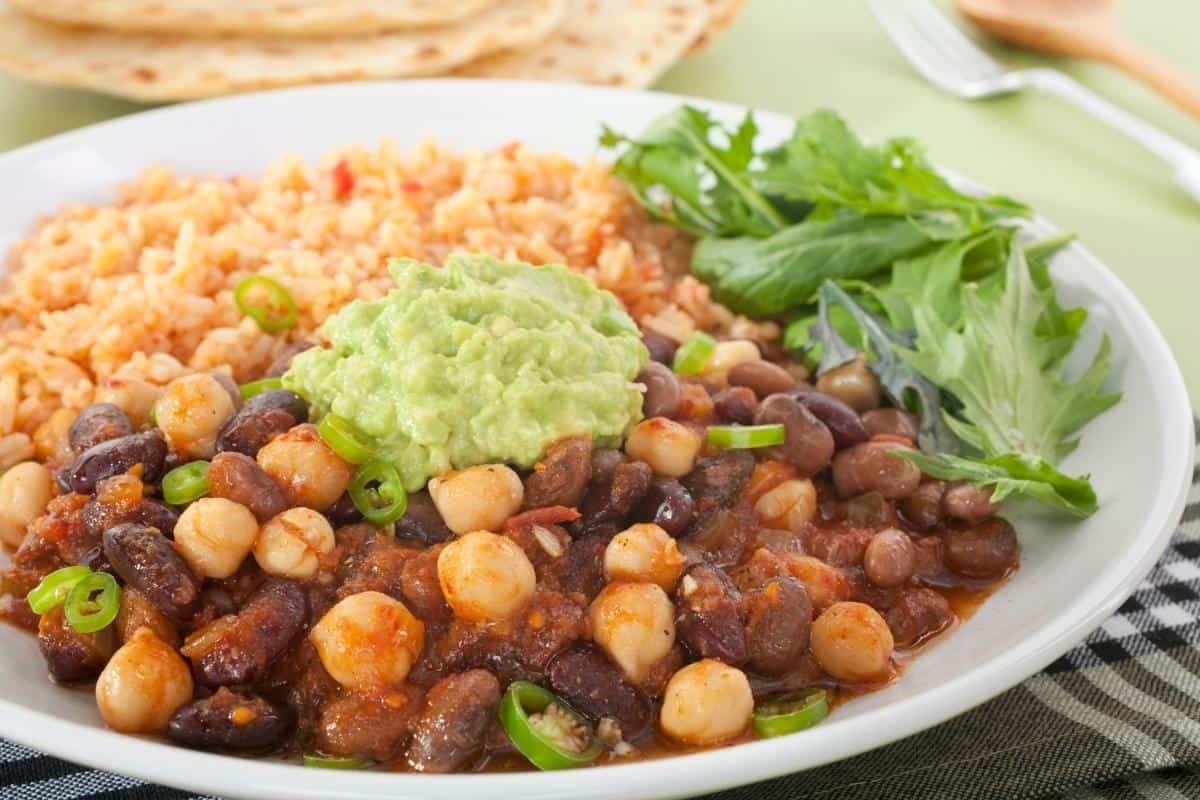
You can roast chickpeas in the oven with a little spray oil and some spices for a crunchy, healthy snack. They are also the main ingredient in hummus. If you want a hearty meal that the whole family will enjoy, chickpeas are amazing for weight loss recipes. You can throw them into a one-pot curry with spinach and chopped tomatoes for a quick and filling midweek dinner.
Tofu and Tempeh
Tofu and tempeh are made from soybeans, and they are some of the highest protein plant foods available. Tofu contains around 8 grams of protein per 100 grams, while tempeh has 19 grams per 100 grams. Because they are made from soy, they contain all the essential amino acids your body needs.
Tofu acts like a sponge. It absorbs whatever flavours you cook it with, making it great for stir-fries and curries. Firm tofu is best for frying or baking, while silken tofu can be blended into smoothies or used to make creamy vegan desserts. Tempeh has a firmer texture and a slightly nutty flavour. It is delicious when marinated and baked, and it works as a bacon substitute in breakfast sandwiches.
Quinoa
Quinoa is often treated like a grain, but it is actually a seed. It is unique among plant foods because it is a “complete” protein. This means it contains all nine essential amino acids that your body cannot make on its own. One cup of cooked quinoa gives you about 8g of plant-based protein.
It is very easy to cook, taking just 15 minutes in boiling water. You can use it instead of rice with a chilli, mix it into salads to make them more filling, or even have it for breakfast like porridge with some almond milk and fresh berries. I wrote a lot more about quinoa. If you want to know more, check out my quinoa information and recipes post.
Edamame beans
Edamame beans are young soybeans that are picked before they ripen. You often see them served in their pods at Japanese restaurants, sprinkled with a little sea salt. They make a great high-protein snack.
A cup of prepared edamame beans contains 17g of protein. You can buy them frozen in most UK supermarkets. Simply boil them for a few minutes and pop them out of their pods. You can also buy shelled edamame beans to throw directly into salads, stir-fries, or noodle dishes for a quick protein boost. I add them to most stir-fries just to get that extra protein, as I know as a vegetarian, I am often lacking in it!
Chia seeds and hemp seeds
Seeds might be small, but they are full of nutrients. Hemp seeds contain about 10g of protein in just three tablespoons. They have a mild, nutty taste and are very easy to sprinkle over salads, soups, or a bowl of oats.
Chia seeds offer around 4g of protein per two tablespoons. While that might not sound like a huge amount, chia seeds absorb liquid and expand in your stomach. This creates a gel-like consistency that keeps you feeling full for hours. You can make a simple chia pudding by soaking them in plant milk overnight, topping it with fresh fruit for a healthy breakfast.

Nuts and nut butters
Almonds, walnuts, peanuts, and cashews are all good sources of plant protein. A handful of almonds gives you about 6g of protein. Nut butters, like peanut butter or almond butter, are also great options.
However, you do need to be slightly careful with nuts when you are trying to lose weight. They are very healthy, but they are also high in calories and healthy fats. A small handful as a snack is perfect, but sitting down with a whole bag might slow down your weight loss progress. Stick to a sensible portion size of around 30g.
Easy ways to increase your plant-based protein
Changing your diet can sometimes feel overwhelming, but increasing your plant-based protein does not require hours of complicated meal prep. Small, simple changes can make a big difference to your daily nutrition.
One of the easiest ways to get more protein is to rethink your snacks. Instead of a packet of crisps, try some roasted chickpeas or a small apple with a spoonful of peanut butter. If you enjoy smoothies for breakfast, consider adding a scoop of vegan protein powder. If you are not sure how to get your kids or partner on board, there are some great tips to use protein powder in family meals without them even noticing.
When making your usual meals, look for easy swaps. If you normally make a beef chilli, try swapping half the meat for a tin of black beans or kidney beans. If you love baking, try using chickpea or almond flour instead of standard white flour to sneak in some extra plant-based protein.
The importance of a balanced diet
The NHS highlights that a healthy vegan diet needs to include a wide variety of fruits, vegetables, starchy carbohydrates, and healthy fats.
When you get your protein from whole plant foods like beans and lentils, you naturally take in a lot of fibre and vitamins. Just be cautious with highly processed vegan meat alternatives. Vegan sausages, burgers, and chicken nuggets can be tasty, but they are sometimes high in salt, sugar, and saturated fat. It is perfectly fine to enjoy them occasionally, but try to base most of your meals around whole foods.
Frequently Asked Questions
Can you really lose weight on a plant-based diet?
Yes, absolutely. Many people find they lose weight more easily on a plant-based diet because plant foods are generally lower in calories and much higher in fibre. The fibre fills you up quickly, meaning you naturally eat fewer calories without feeling hungry.
How much protein do I actually need every day?
The amount of protein you need depends on your weight, age, and how active you are. A general rule for adults in the UK is to aim for about 0.75g of protein per kilogram of body weight. However, if you are actively trying to lose weight or exercising a lot, you might benefit from eating slightly more to protect your muscle mass.
Are plant proteins “incomplete”?
You might have heard that plant-based proteins do not contain all the essential amino acids. While it is true that some plant foods are low in certain amino acids, this is not a problem if you eat a varied diet. If you eat a mix of beans, grains, nuts, and seeds throughout the day, your body will easily get all the amino acids it needs. You do not need to worry about combining specific foods at every single meal.
Will eating a lot of beans make me bloated?
Beans and lentils are full of fibre, which is great for your gut. However, if you are not used to eating them, a sudden increase in fibre can cause some bloating. The best approach is to increase your intake gradually over a few weeks. Also, make sure you drink plenty of water, and always rinse tinned beans thoroughly before using them, as this can help reduce the compounds that cause gas.
Adding more plant-based protein to your diet
Switching to a diet rich in plant-based proteins is a brilliant step towards healthy, sustainable weight loss. You do not need to become a strict vegan overnight to see the benefits. Simply swapping out a few meat-heavy meals each week for lentil soups, chickpea curries, or tofu stir-fries can make a massive difference to your waistline and your wallet.
Focus on finding recipes that you genuinely enjoy eating. Weight loss should never be about punishing yourself with bland, boring food. With the variety of plant-based proteins available in the supermarket today, you can create exciting, flavourful meals that will keep you full and satisfied all day long. Start by adding one or two new plant-based ingredients to your shopping list this week, and see how easy it can be to eat well and feel fantastic.