The Weight Loss Ice Hack: What Is It and Does It Actually Work?
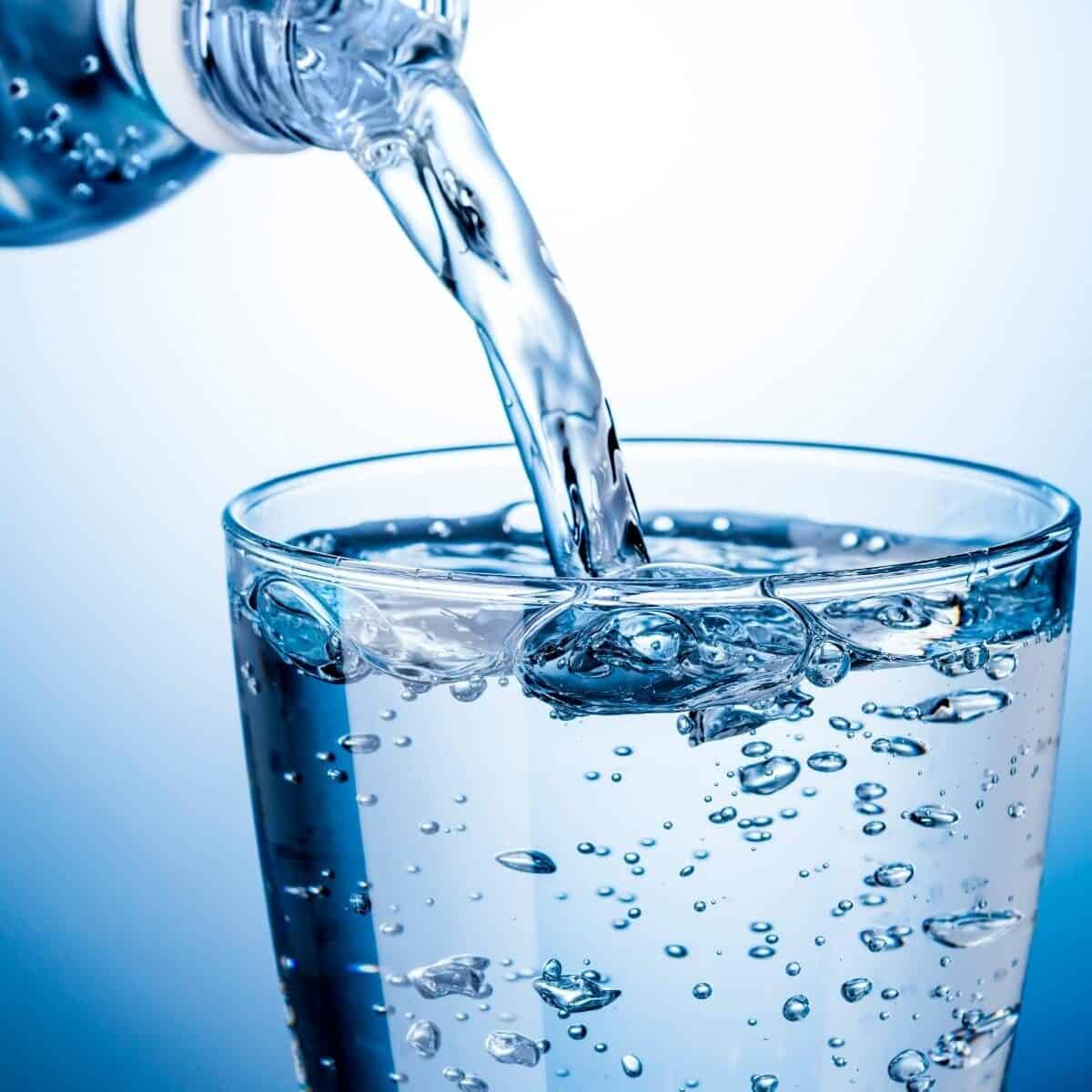
You have probably seen it while scrolling through TikTok or Instagram. Someone holds up a glass of ice water, promises you will lose weight without changing your diet or exercising, and then tries to sell you something. That is the weight loss ice hack in a nutshell.
But is there any truth to it? And should you spend your money on this weight loss ice hack? Let me break it all down in plain English.
So, What Exactly Is the Weight Loss Ice Hack?
The “weight loss ice hack” is a viral social media trend that has racked up over 125 million views on TikTok alone. At first glance, the videos seem to be about drinking ice-cold water or using ice to boost your metabolism. But look a little closer, and you will find that most of them are actually trying to sell a supplement called Alpilean.
Alpilean is a capsule made from plant-based ingredients that are supposedly sourced from the Himalayan Alps. The idea is that low body temperature is the hidden cause of weight gain, and that these capsules will raise your body temperature back up and help you burn fat while you sleep.
Yes, really.
The supplement costs around £39 per bottle, and the company recommends taking it for at least three to six months. That adds up to over £230 if you go the full course.
Where Did the “Low Body Temperature” Theory Come From?
The sellers of Alpilean point to a study from Stanford University that found that average body temperature in the US has dropped slightly over the past two centuries. They use this as “proof” that falling body temperatures are causing rising obesity rates.
The problem is that the researchers themselves disagree with that interpretation. Julie Parsonnet, a professor at Stanford and co-author of the study, has directly addressed the claims made by the ice hack promoters. She said, “The ice hack is a gross extrapolation from our work. I don’t see any reason to believe that eating ice or taking these supplements would cause weight loss.”
In other words, the supplement company took a complex scientific concept and twisted it into a sales pitch.
What Does the Science Actually Say About Cold and Weight Loss?
Here is where things get a little more interesting, because cold exposure does have some genuine effects on the body. They are just not as dramatic as the influencers make them sound.
Brown Adipose Tissue (BAT)
Your body has two types of fat: white fat, which stores energy, and brown fat, which burns energy to generate heat. Cold exposure can activate and increase brown fat. A 2023 review published in PubMed Central looked at the effects of intermittent cold exposure (ICE) on body fat and metabolism.
The ice hack findings? Cold exposure does increase energy expenditure and activates brown fat. However, the review also found that there is no clear evidence that it actually reduces body fat or body weight. Some studies even reported weight gain during cold exposure, likely because people also ate more to compensate for the extra energy burned.
The researchers concluded: “As a mechanism for weight loss, the evidence does not support ICE.”
So while cold exposure might do some interesting things at a cellular level, it is not a reliable way to lose weight on its own.
What About the Alpilean Ingredients?
The six plant ingredients in Alpilean include things like turmeric root, ginger, and bitter orange. These are not dangerous on their own, but there is very little evidence that any of them raise body temperature in humans. A review of weight-loss supplements found that bitter orange, one of Alpilean’s key ingredients, should not be recommended for obesity treatment due to a lack of high-quality evidence.
Registered dietitian Colleen Tewksbury, from the University of Pennsylvania, summed it up well: “Individually, these supplements have minimal evidence in animal studies showing improvements in body temperature regulation, but not in humans.”
Is Cold Exposure Dangerous?
It depends on what kind of cold exposure you are talking about.
Drinking cold water like in this “ice hack” is perfectly safe for most people. Ice baths and cold water swimming are a different story.
According to the Royal Yachting Association, cold water shock can be life-threatening in water below 15°C. When you enter cold water suddenly, your body goes into a panic response. You gasp, your heart rate spikes, your blood pressure shoots up, and you may struggle to breathe. According to the Royal Life Saving Society UK, all UK waters are cold enough year-round to trigger these effects, even in summer.
A review published in PubMed Central confirmed that cold water immersion carries a risk of death, particularly for people with undiagnosed heart conditions. It noted that cold water swimming should only be built up gradually, with proper supervision.
So if you are thinking about taking cold showers or trying wild swimming, please be careful and start slowly. And if you have any heart or circulation problems, speak to your GP first.
What Actually Works for Weight Loss?
The NHS is pretty clear on this. Sustainable weight loss comes from making small, consistent changes to what you eat and how much you move. There is no supplement that does the work for you.
Some things that genuinely help include:
- Eating in a calorie deficit. You need to consume fewer calories than you burn. Read more about how much weight a calorie deficit can help you lose.
- Moving more. Even a 20-minute walk makes a difference. Check out this calories burnt walking calculator to see how your steps add up.
- Being consistent over time. Weight loss is a long game. Find out more about the changes your body goes through during weight loss.
- Finding an approach you can stick to. Whether that is calorie counting or another method, sustainability matters. This guide to intermittent fasting vs calorie counting might help you decide what suits you.
The NHS also offers a free 12-week weight loss plan through their app, which covers healthy eating habits, physical activity, and goal setting. It is a good place to start if you are not sure where to begin.
How to Spot a Dodgy Weight Loss Trend
The weight loss industry is full of products that promise big results with zero effort. This ice hack is just one of them. Here are some red flags to watch out for:
- The product claims you do not need to change your diet or exercise
- Before and after photos are front and centre
- The science behind it sounds impressive but is vague
- It is only sold through one website with no independent reviews
- There are fake urgency tactics like “limited stock”
If a product ticks more than one of these boxes, be very sceptical.
Ice Hack – Frequently Asked Questions
Is the weight loss ice hack the same as cold water swimming?
Not really. The “ice hack” is primarily about selling a supplement called Alpilean. Cold water swimming is a separate activity with its own potential benefits and risks.
Can drinking cold water help you lose weight?
Technically, your body uses a tiny amount of energy to warm up cold water after you drink it. But the effect on your calorie burn is so small it is essentially meaningless for weight loss.
Is Alpilean safe to take?
The individual ingredients in Alpilean are not considered high risk, but there is very little evidence they do what is claimed. Some ingredients may interact with medications, so it is worth checking with your GP before trying any new supplement.
What is brown fat and can I increase it?
Brown fat is a type of fat tissue that generates heat by burning calories. Cold exposure can activate it, but current evidence suggests this does not translate into meaningful weight loss in humans.
What is the safest way to lose weight?
A modest calorie deficit combined with regular physical activity is the most evidence-based approach. The NHS recommends aiming for a loss of 0.5 to 1kg per week as a realistic and healthy target.
The Ice Hack TL;DR
The weight loss ice hack is a cleverly marketed supplement campaign, not a scientific breakthrough. While there is some genuine research showing that cold exposure affects how the body processes fat, it does not support the idea that you can melt belly fat without changing your diet or lifestyle as described in the viral ice hack videos.
Save your money. Skip the supplements. Stick to the basics that actually work.