Is Pasta Healthy? Is Pasta Bad for You or Good for You?
Is pasta healthy or is pasta bad for you? I think this is one of those questions that has become far more complicated than it needs to be. Pasta has been blamed for weight gain, lumped together with all carbohydrates as something we should apparently avoid and generally made to sound like a food you should feel guilty about eating.
I’ve certainly had times in my life when I thought losing weight successfully meant cutting out more and more foods. Having lost 10 stone and then regained some of that weight, my thoughts around food and weight loss have changed considerably. I’m much less interested now in deciding that individual foods are either “good” or “bad”.
For most people, pasta can be part of a healthy, balanced diet and isn’t inherently bad for you. White and wholewheat pasta both provide carbohydrate for energy, while wholewheat pasta generally contains more fibre. What matters more is your overall diet, what you eat with your pasta and your own individual nutritional needs.
So if you’ve ended up here because you’ve been wondering whether you need to stop eating pasta to be healthy or lose weight, you probably don’t need to wave goodbye to the spaghetti just yet.
Is pasta healthy?
Pasta can certainly be part of a healthy diet.
Traditional dried pasta is generally made from durum wheat semolina and water, although ingredients vary between products. Fresh pasta often contains egg, while gluten-free and higher-protein alternatives can be made using completely different ingredients.
Pasta provides carbohydrate, along with some protein and varying amounts of fibre and other nutrients depending on the type you choose.
The thing I think gets forgotten in discussions about whether pasta is healthy is that we rarely sit down and eat a bowl containing nothing but plain pasta.
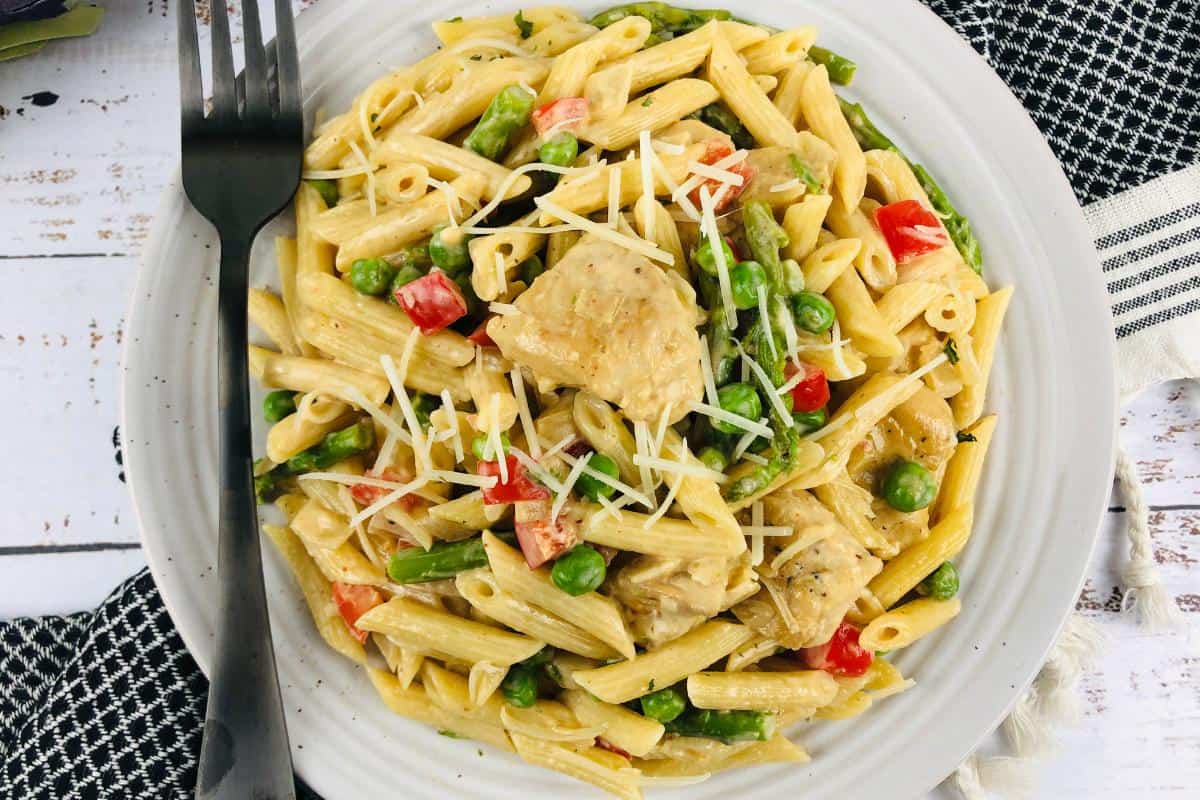
You might have spaghetti with a tomato and vegetable sauce, pasta with beans and vegetables, chicken pasta, macaroni cheese, lasagne or a pasta salad containing half the contents of your fridge. They’re all pasta meals, but nutritionally they’re clearly not identical.
It makes far more sense to look at the whole meal and your diet overall than judge it entirely on the fact that it contains pasta.
Is pasta bad for you?
For most people, pasta isn’t inherently bad for you.
Obviously, there are exceptions. Standard wheat pasta isn’t suitable for someone with coeliac disease, for example, and particular medical conditions or intolerances may affect what someone has been advised to eat.
For everybody else, there’s no need to treat pasta as something that automatically makes a meal unhealthy.
Being vegetarian since I was 10, pasta has actually been one of the most useful ingredients in my kitchen over the years. I can combine it with tomatoes, vegetables, beans, lentils, cheese, tofu and meat alternatives and end up with completely different dinners.
Stuart and Ben can have theirs with chicken, sausage, mince or fish if that’s what they fancy, so it’s also quite handy when we’re not all eating exactly the same thing.

Is pasta unhealthy because it’s high in carbs?
Carbohydrates seem to spend an awful lot of time being treated as the enemy, particularly when weight loss is involved.
Pasta is a starchy carbohydrate, and UK healthy-eating guidance includes starchy foods such as pasta, rice, bread and potatoes as part of a balanced diet.
That doesn’t mean everybody needs exactly the same amount, and it certainly doesn’t mean you need pasta specifically. It simply means that the fact pasta contains carbohydrate doesn’t automatically make it unhealthy.
Carbohydrate-containing foods aren’t all nutritionally identical either. Fruit, lentils, bread, potatoes and pasta all contain carbohydrates, but clearly they’re very different foods.
Rather than worrying about pasta containing carbs, I’d look at what you’re eating across the whole day and week.
Is pasta good for weight loss?
You don’t have to stop eating pasta because you’re trying to lose weight.
I ate pasta while losing weight, and I certainly didn’t manage to lose 10 stone by never touching spaghetti again.
Where my thinking has changed is that I don’t believe the answer is to make every meal as low-calorie as physically possible. I’ve done the obsessive side of weight loss, and for me it wasn’t a particularly healthy place to be mentally.
If you’re trying to lose weight and enjoy pasta, I’d much rather look at how you can build a meal you enjoy and find satisfying.
Adding vegetables and a source of protein is one way of making a pasta meal more varied. For me that might be beans, lentils, cheese, tofu or a vegetarian alternative. If you eat meat or fish, chicken, tuna, salmon and other options can work too.
You can find loads of ideas in my Slimming World pasta recipes collection if you’re looking for pasta meals that fit that style of eating.
Is it bad to eat pasta every day?
There’s nothing automatically wrong with eating pasta regularly, although I’d still want some variety in my diet.
If you eat pasta every day but you’re also eating a range of vegetables, fruit, protein sources and other foods, that’s quite different from literally living on bowls of plain pasta.
You don’t need to rotate through a completely different carbohydrate every day just for the sake of it, but variety can help you get a broader range of nutrients and, perhaps just as importantly, stop dinner becoming incredibly boring.
I absolutely love pasta, but even I’d eventually want a potato.
Is plain pasta healthy?
Plain pasta still provides carbohydrate and some protein, but on its own it obviously doesn’t give you the variety of nutrients you’d get from a meal containing several different foods.
That doesn’t make a bowl of plain pasta “bad”.
Sometimes people prefer plain food because they’re unwell, have sensory preferences or simply fancy it. One plain pasta meal doesn’t determine whether your diet is healthy.
If plain pasta makes up a significant proportion of what you regularly eat, then I’d think about what else you’re eating across the day rather than worrying specifically about the pasta.
Is pasta junk food?
I wouldn’t describe ordinary dried pasta as junk food.
I’m not particularly keen on the term “junk food” anyway because it encourages us to put foods into good and bad boxes without considering how much we’re eating, how often we’re eating it or what the rest of our diet looks like.
A packet of dried pasta is a basic ingredient.
You can turn exactly the same packet into pasta primavera, macaroni cheese, spaghetti Bolognese, pasta salad, lasagne or pasta soup. Those meals can contain completely different ingredients and have very different nutritional profiles.

Is wholewheat pasta healthier than white pasta?
Wholewheat or wholemeal pasta generally contains more fibre than standard white pasta because more of the grain is retained.
If you’re looking to increase your fibre intake and you enjoy wholewheat pasta, that’s an easy option.
Personally, I don’t think you need to force yourself to eat it if you hate it.
Healthy eating doesn’t suddenly collapse because you prefer white penne. You can get fibre from vegetables, fruit, pulses, wholegrain foods and plenty of other sources.
There are also pasta alternatives made from chickpeas, lentils and other ingredients. I’ve looked at those separately in my pasta alternatives guide if you’re curious about the differences.
Is overcooked pasta bad for you?
No, accidentally leaving your pasta cooking for too long doesn’t suddenly turn it into something harmful.
The amount pasta is cooked can affect its texture and how its starch is digested. Pasta cooked al dente — so it’s still slightly firm when you bite it — can produce a different blood-glucose response from pasta cooked until very soft.
That’s interesting from a nutrition point of view, but I wouldn’t obsess over it.
If you like your pasta softer, eat it softer. If you prefer it al dente, have it al dente.
And if your problem is that you somehow manage to produce pasta that’s simultaneously stuck together and still crunchy, my tips for cooking pasta perfectly will probably be considerably more useful!
Is leftover pasta healthy?
You may have seen claims that cooling cooked pasta somehow makes it much healthier.
There is some interesting science behind where that idea comes from. Cooling cooked starchy foods can increase the amount of resistant starch they contain. Resistant starch isn’t digested in exactly the same way as ordinary starch.
That doesn’t mean yesterday’s spaghetti has magically transformed into a health food.
I certainly wouldn’t start deliberately cooking all my pasta the day before purely because I’ve read something online about resistant starch.
The thing I’m much more interested in with leftover pasta is food safety. Cooked pasta needs to be cooled and refrigerated appropriately, and leftovers need to be stored and reheated safely.
If I’m deliberately making extra for another meal, that’s the bit I pay attention to.
What is the healthiest pasta?
There isn’t one pasta that’s automatically the healthiest choice for everybody.
Wholewheat pasta generally contains more fibre than white pasta. Pasta made from chickpeas, lentils and other pulses can contain different amounts of protein and fibre. Higher-protein wheat pasta is available too.
Gluten-free pasta is essential for some people, but being labelled gluten-free doesn’t automatically make a food healthier for somebody who doesn’t need to avoid gluten.
If you’re choosing pasta for a particular nutritional reason, compare the labels of the actual products you’re considering rather than assuming one entire category is always better.
And don’t completely forget whether you actually like it.
A packet of super-duper lentil pasta with impressive nutritional information isn’t terribly useful if you think it tastes like cardboard and leave most of it on your plate.
Is spaghetti bad for you?
Spaghetti is simply a pasta shape, so there’s nothing about spaghetti itself that makes it worse for you than penne, fusilli or another pasta made from similar ingredients.
What you put with it will have a much bigger influence on the overall meal.
Spaghetti Bolognese, spaghetti carbonara and spaghetti primavera might all start with spaghetti, but they’re obviously very different dinners.
Is macaroni bad for you?
Macaroni isn’t inherently bad for you either.
I suspect some of its reputation comes from macaroni cheese, but again, macaroni is simply the pasta in the dish.
If macaroni cheese is your thing, have a look at my healthier macaroni cheese recipe. You don’t have to stop eating the meals you enjoy just because you’re trying to make some healthier choices.
How can you make a pasta meal healthier?
Rather than concentrating on removing pasta, I find it much more useful to think about what else I can add to the meal.
Vegetables are an obvious starting point. Tomatoes, peppers, mushrooms, spinach, courgettes, peas, broccoli and butternut squash all work well in different pasta dishes.
Then think about protein. Beans, chickpeas, lentils, tofu and cheese are easy vegetarian choices, while meat and fish give you plenty of other options if you eat them.
If protein is something you’re particularly interested in, my high protein pasta salad guide has lots of ideas for adding more protein to pasta meals.
Sauce-wise, choose something you actually fancy. Tomato-based sauces can be brilliant, but that doesn’t mean creamy or cheesy pasta needs to be banned from your life.
I think that’s where a lot of healthy-eating advice goes wrong. It concentrates so heavily on making something theoretically healthier that it forgets we’re supposed to enjoy eating it.
Is pasta healthy? Frequently asked questions
Is pasta good for you?
Pasta can form part of a healthy, balanced diet. It provides carbohydrate for energy, along with some protein and varying amounts of fibre and other nutrients depending on the type.
What you eat with it and what the rest of your diet looks like matter more than deciding that pasta itself is either good or bad.
Is too much pasta bad for you?
There’s no universal amount of pasta where it suddenly becomes “bad”.
If eating large quantities of pasta means you’re getting very little variety in your diet or missing out on other foods and nutrients, that’s something worth looking at.
Your nutritional needs are individual, though, so I wouldn’t give everybody an arbitrary pasta limit.
Is pasta bad for a diet?
If by “diet” you mean trying to lose weight, you don’t automatically need to stop eating pasta.
Your overall eating pattern and energy intake over time matter far more than whether you ate a bowl of pasta for dinner.
Can you live off pasta?
Pasta can provide energy and some nutrients, but pasta alone wouldn’t provide everything your body needs.
If this question is really shorthand for “can I eat pasta very frequently?”, that’s different. You can eat pasta regularly while also eating vegetables, fruit, protein sources and lots of other foods.
Is pasta easy to digest?
Many people digest ordinary pasta without a problem, but digestion varies considerably between individuals.
Someone with coeliac disease needs to avoid ordinary gluten-containing wheat pasta, while other digestive conditions and intolerances may affect which foods an individual can comfortably eat.
If eating pasta regularly causes digestive symptoms, speak to a healthcare professional rather than assuming that pasta is generally unhealthy.
So, is pasta healthy or bad for you?
For most people, pasta can be part of a healthy, balanced diet and doesn’t need to be treated as a food you should avoid.
Wholewheat pasta can be useful if you want more fibre, while pulse-based and higher-protein pastas give you other choices. Ordinary white pasta can still have a place in your diet too.
You don’t need to give up pasta because you’re trying to lose weight, and you don’t need to convince yourself that every creamy pasta dish must be replaced by a tomato sauce either.
Look at what you’re eating overall, add variety where you can and choose food you actually enjoy.
For more ideas, head over to my Slimming World pasta recipes, healthy pasta bake recipes or pasta salad recipes and find something you actually fancy for dinner.
Because after all that discussion about whether pasta is healthy, I’ve mostly just made myself want lasagne.