How to Choose the Right Shoes for Your Workout
Have you ever started a workout and realised your shoes aren’t quite cutting it? Maybe your feet feel unsupported during a high-intensity interval training (HIIT) session, or your running shoes don’t have enough grip on rugged terrain. The truth is, wearing the wrong shoes can do more than just ruin your workout; it can lead to pain, injuries, and a lack of performance.
Choosing the right workout shoes doesn’t have to feel overwhelming. Whether you’re hitting the pavement for a long run, lifting heavy weights at the gym, or doing a HIIT session, you can find the perfect shoe for you. Here’s everything you need to know to pick the perfect pair of workout shoes.
Why Choosing the Right Workout Shoes Matters
Wearing the right shoes for your specific workout isn’t just about style (though I’ll admit, that’s a nice bonus). It’s about performance, protection, and comfort. Here’s why it matters:
- Performance: The right shoes can enhance your movement. For example, running shoes are designed for forward motion, while weightlifting shoes provide a stable base for heavy lifting.
- Protection: Each activity stresses your body in different ways, and well-designed shoes help to minimise the risk of injuries, such as sprained ankles or strained muscles.
- Comfort: Imagine running a marathon with shoes that pinch your toes. Exactly. The right fit keeps you comfortable from start to finish.
Choosing Different Workout Shoes
Now that you know why proper footwear is crucial, let’s break down the best shoe options for popular workout types.
Running Shoes for Hitting the Pavement or Trail
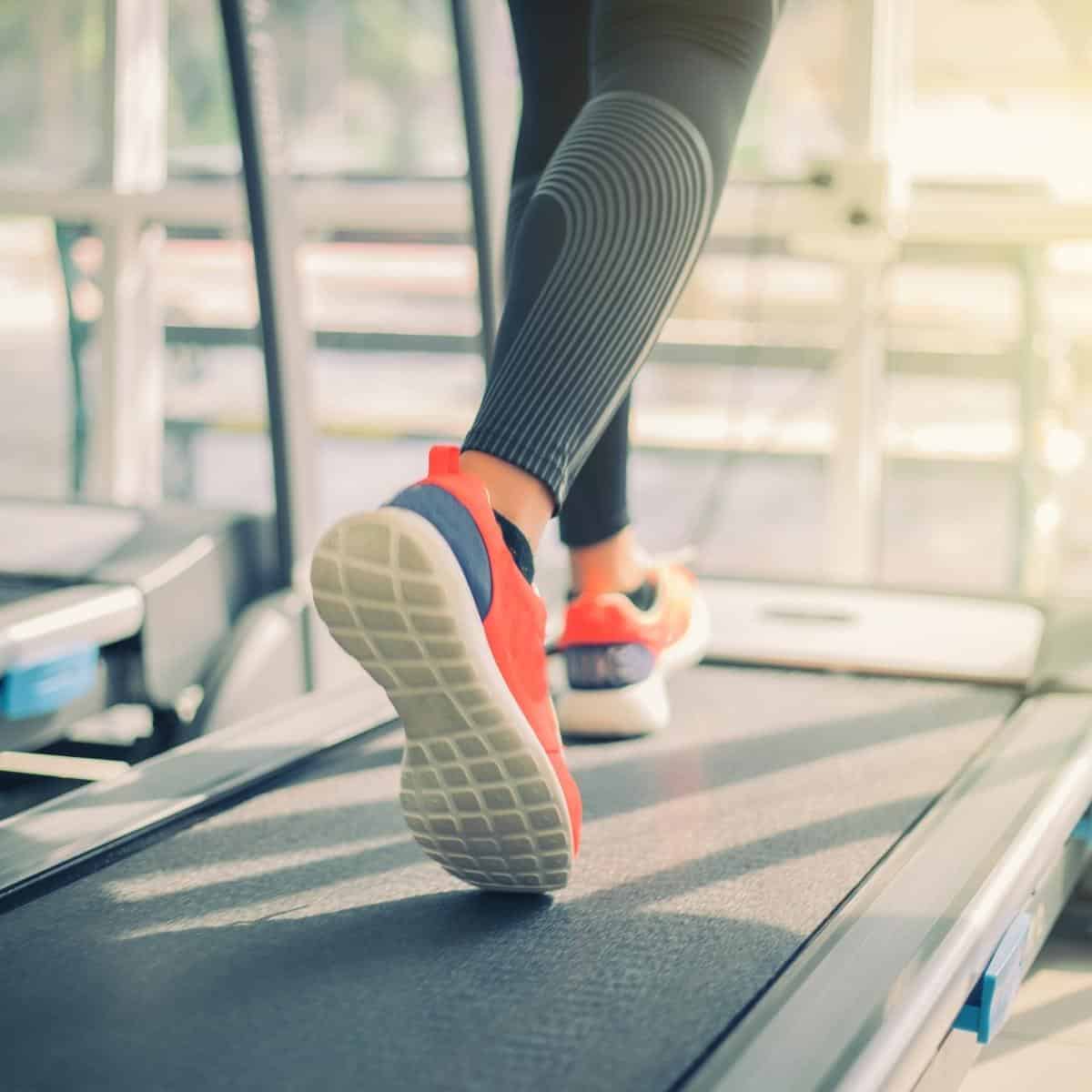
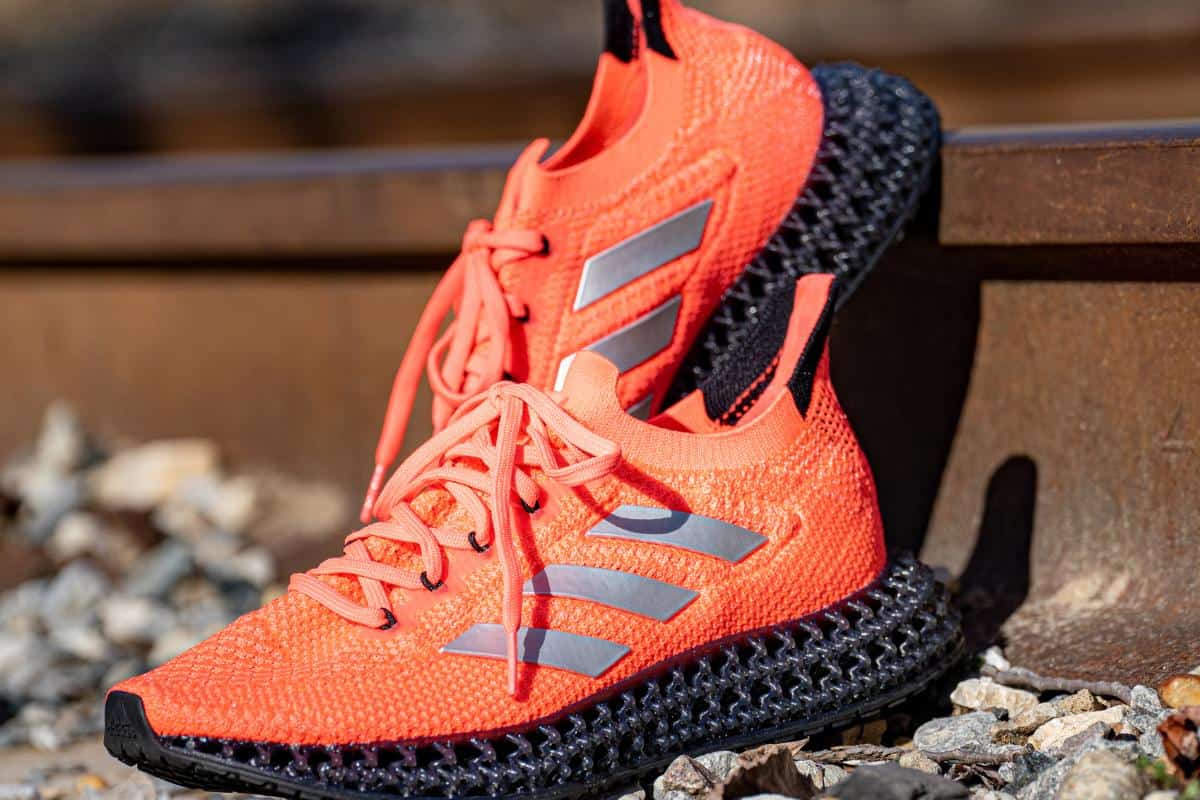
Running shoes are specifically designed to cushion your feet and absorb the shock of repetitive impact. Whether you’re a seasoned marathoner or a casual jogger, the right pair of running shoes can make all the difference.
What to Look For:
- Cushioning: Look for shoes with proper cushioning, especially around the midsole, to absorb impact and protect your joints.
- Support: Running shoes should provide arch support tailored to your foot’s specific needs (e.g., neutral, overpronation, or underpronation).
- Traction: Planning to run on trails? Opt for shoes with grippy outsoles for better traction on uneven surfaces.
Shoes for Weightlifting and Strength Training
If you spend most of your time with a barbell or dumbbells in hand, your shoes should provide a solid and stable base for lifting. Weightlifting shoes differ significantly from running shoes and serve a very specific purpose.
What to Look For In These Workout Shoes:
- Flat, Solid Sole: A flat, stable sole gives you better control and balance during heavy lifts like squats and deadlifts.
- Heel Lift: Many lifting shoes feature a slightly elevated heel, which can improve squat depth and posture.
- Minimal Cushioning: While cushioning is great for running, it’s not ideal for lifting, as it reduces stability.
Shoes for HIIT and Cross-Training
High-intensity workouts require workout shoes that can handle side-to-side movement, jumping, and quick direction changes. Think of HIIT shoes as jacks-of-all-trades.
What to Look For:
- Stability: Shoes with a stable base help keep you steady during lateral movements.
- Cushioning: Impact cushioning protects your feet during high-impact exercises like jumps and sprints.
- Flexibility: Look for shoes that allow natural foot movements, especially in exercises like burpees or mountain climbers.
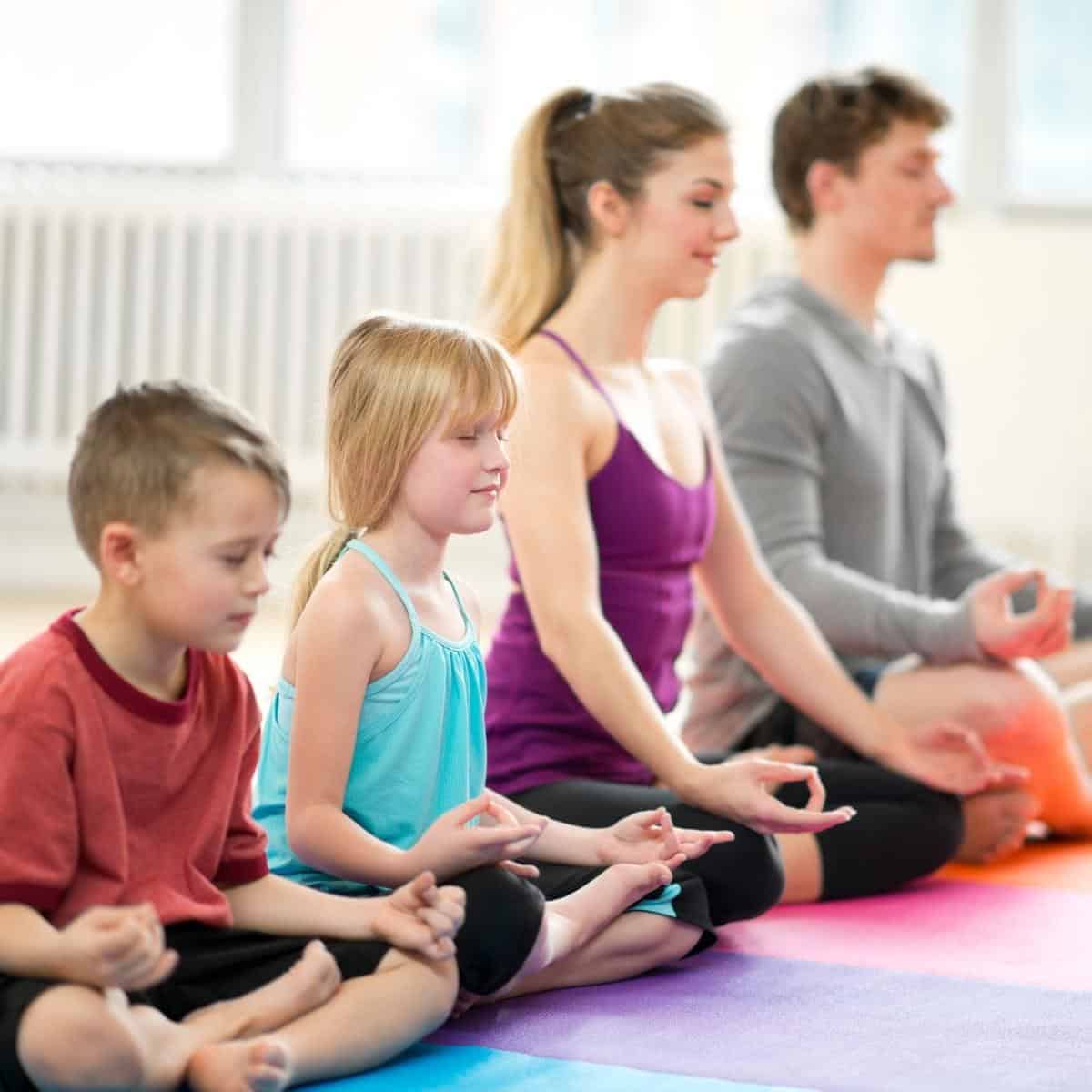
Workouts Shoes for Studio Exercise Like Yoga or Pilates
Workouts like yoga and Pilates demand flexibility and grip. While some people prefer going barefoot, specialised shoes can provide extra support and hygiene.
What to Look For:
- Flexibility and Grip: Shoes should allow your feet to move naturally while maintaining grip on the mat.
- Minimal Design: Lightweight, simple shoes work best for low-impact movements.
Shoes for Walking and Everyday Fitness
Walking may seem simple, but it’s just as important to have the right footwear for long strides. Whether you’re walking for fitness or just need a comfortable pair for your day-to-day activities, walking shoes are a great all-rounder.
What to Look For:
- Cushioning: Comfortable support for long distances is key.
- Durability: Your shoes should last through frequent use without wearing down.
- Breathability: Opt for lightweight and breathable materials to keep your feet cool.
How to Find the Perfect Fit for Workout Shoes
Once you’ve narrowed down the type of shoe you need, it’s time to make sure it fits like a glove. Here’s how to find the right size:
- Try on shoes at the end of the day when your feet are slightly swollen.
- Wear the same type of socks you plan to work out in.
- Leave about a thumb’s width of space between your longest toe and the shoe’s front.
- Walk, jump, or jog around to ensure comfort and support.
Benefits of Investing in Quality Workout Shoes Like adidas
Some people might think, “Why spend more on shoes?” But when it comes to exercise, a high-quality pair of shoes is an investment in your performance and health. Here’s why adidas shoes stand out:
- Durability: Superior materials mean your shoes will perform through many workouts.
- Technology: From Boost to Primeknit, adidas shoes boast cutting-edge technology to support your fitness goals.
- Sustainability: Many adidas shoes incorporate eco-friendly materials, letting you prioritise both performance and the planet.
Your Next Workout
Your choice of footwear is one of the most important decisions you’ll make for your workouts. By understanding how workout shoes cater to specific activities like running, weightlifting, and HIIT, you’re one step closer to reaching your fitness goals safely and comfortably.