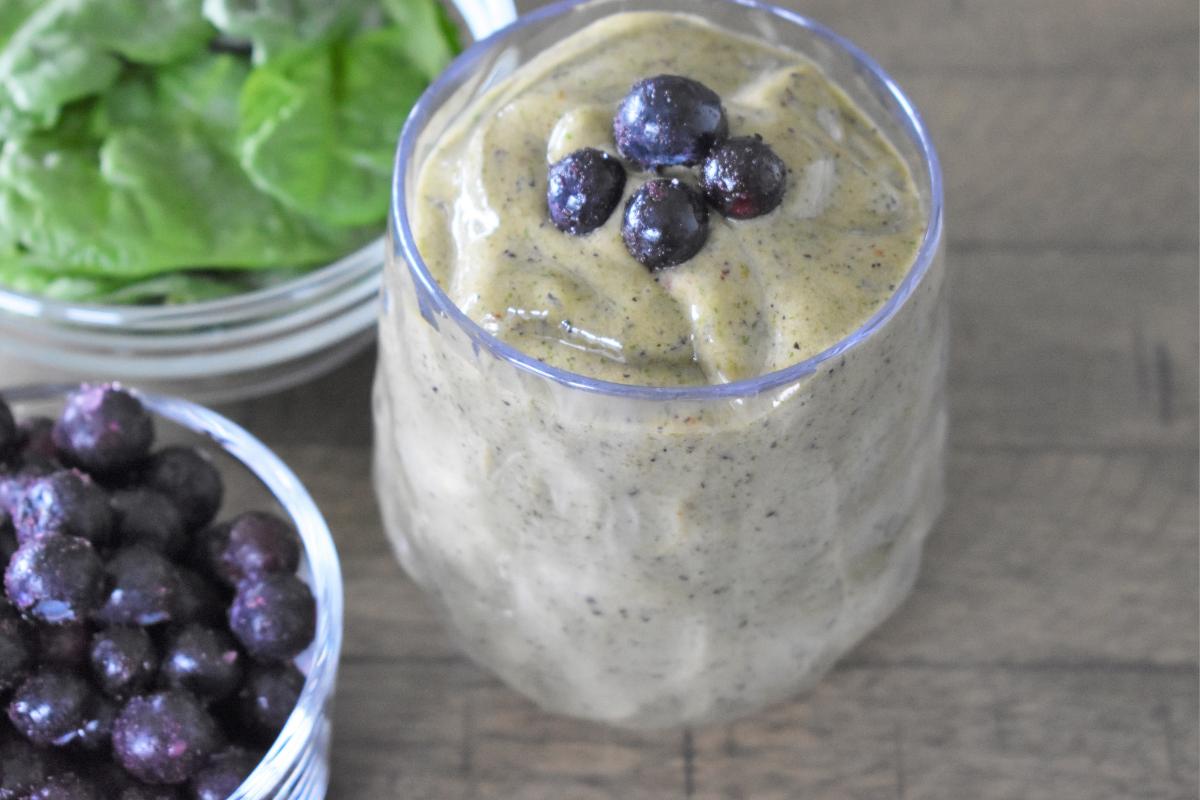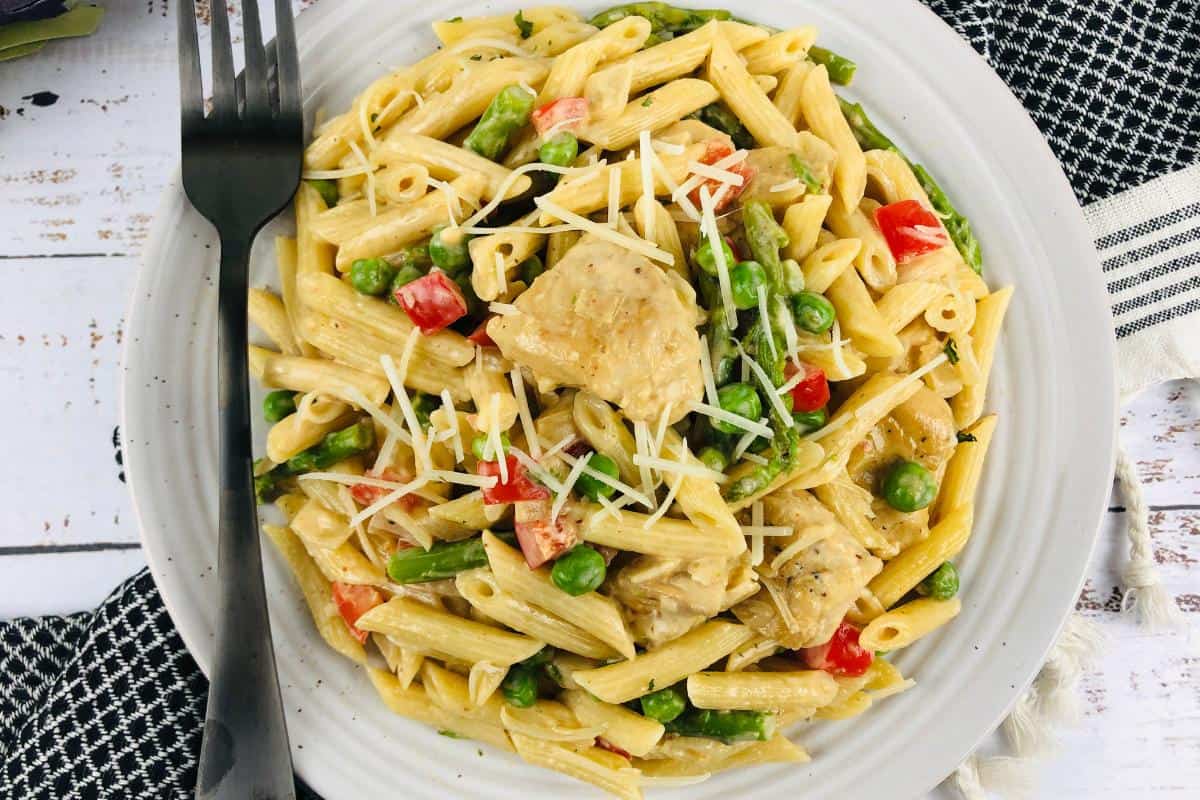

Bariatric Breakfast Ideas: Easy High-Protein Options
This is a collaborative post.
Breakfast can become a bit more complicated after bariatric surgery, can’t it? Before surgery, you might have grabbed a bowl of cereal, made some toast or eaten whatever was quickest before rushing out of the door. Afterwards, even something as ordinary as deciding what to have for breakfast can take a little more thought, particularly while you’re getting used to different portion sizes and food textures.
If you’re looking for bariatric breakfast ideas, I’ve put together some simple options that don’t involve spending ages in the kitchen or buying a cupboard full of expensive ingredients. There are breakfasts you can prepare in advance, ideas using eggs and yoghurt, and a few more substantial options for when you’re further along in your recovery.
One thing I do want to make clear, though, is that not every breakfast in this article will be suitable immediately after surgery. What you can eat depends on the procedure you’ve had, how far along you are in your recovery and the advice you’ve been given by your bariatric team. Please use these ideas for inspiration alongside your own dietitian’s guidance rather than as a replacement for it.

What Makes a Breakfast Bariatric-Friendly?
When people talk about bariatric-friendly breakfasts, protein is usually one of the first things mentioned, and there’s a good reason for that. Protein is important for maintaining muscle and helping your body recover, although the amount you need will depend on your individual circumstances and the advice from your bariatric team.
However, protein isn’t the only thing to think about. The texture of your food matters enormously during recovery, and something that is perfectly suitable a few months after surgery may be completely unsuitable in the first few weeks.
The NHS explains that people generally progress through different stages of eating after weight-loss surgery, moving from liquids to puréed foods, then soft foods and eventually more regular textures. The timescales vary between procedures and hospitals, so please don’t move on to a new stage simply because a particular number of weeks has passed.
It can also take time to work out which foods you tolerate comfortably. Something you enjoyed before surgery might not agree with you afterwards, and that’s another reason why keeping breakfast simple can be helpful.

Bariatric Breakfast Ideas During the Liquid and Puréed Stages
If you’re in the early stages after surgery, your breakfast choices will be much more restricted than those of someone who’s already returned to regular foods. Your bariatric team should give you specific instructions about the consistency, quantity and nutritional content of everything you eat or drink.
Depending on your prescribed stage, your options might include suitable protein-enriched milk drinks, approved protein supplements, smooth yoghurt or other completely blended foods. Even these won’t be appropriate for everybody at every stage, so check your individual plan first.
If you’ve been cleared for puréed foods, you may be able to have completely smooth yoghurt or other protein-rich foods blended to the correct consistency. Any fruit, seeds, cereal pieces or lumps should only be added when your team says they’re suitable.
I wouldn’t recommend trying to adapt a normal breakfast recipe during these stages without checking with your dietitian. It’s much better to follow the guidance you’ve been given than to experiment with textures before your stomach is ready.

Easy Egg-Based Bariatric Breakfast Ideas
Once you’ve been cleared to eat the appropriate texture, eggs can be a convenient source of protein. They’re relatively inexpensive, quick to cook and can be prepared in several ways, which is useful when you don’t fancy eating exactly the same breakfast every day.
Soft Scrambled Eggs
Soft scrambled eggs are an option for some people during the soft-food stage, although they aren’t suitable until you’ve been specifically cleared for that texture. Cook them gently and avoid letting them become dry or rubbery.
You might eventually be able to add a little cheese or another ingredient that you tolerate, but I would keep things fairly simple to begin with. After surgery, even familiar foods can take a bit of getting used to.
Breakfast Egg Muffins
If you’re further along in your recovery and eating regular textures comfortably, homemade egg muffins can be handy for busy mornings. They’re easy to prepare ahead of time, and you can change the ingredients depending on what you enjoy.
I’ve got a recipe for breakfast egg muffins that you might like to look at for inspiration. Just remember that the vegetables and other ingredients in a standard recipe may need adapting to suit your individual dietary advice.
Greek Yoghurt Breakfast Ideas
Greek yoghurt is one of those foods that’s useful to keep in the fridge because you can do quite a lot with it without much preparation. Some varieties are higher in protein than others, so it’s worth checking the nutritional information rather than assuming every pot is the same.
During the stages when smooth yoghurt is permitted, you may need to choose one without fruit pieces, seeds or other additions. Later on, when you’re tolerating more textures, you could try adding a little soft fruit or other toppings approved by your team.
If you enjoy preparing breakfast the night before, yoghurt-based breakfasts can be convenient, although I wouldn’t introduce chia seeds, nuts or similar ingredients until you’ve been told they’re suitable.
You might also find it helpful to browse some more bariatric-friendly recipes for inspiration when you’re planning meals throughout the day. Just check that each recipe suits your current stage, as a recipe described as bariatric-friendly won’t necessarily be appropriate immediately after surgery.
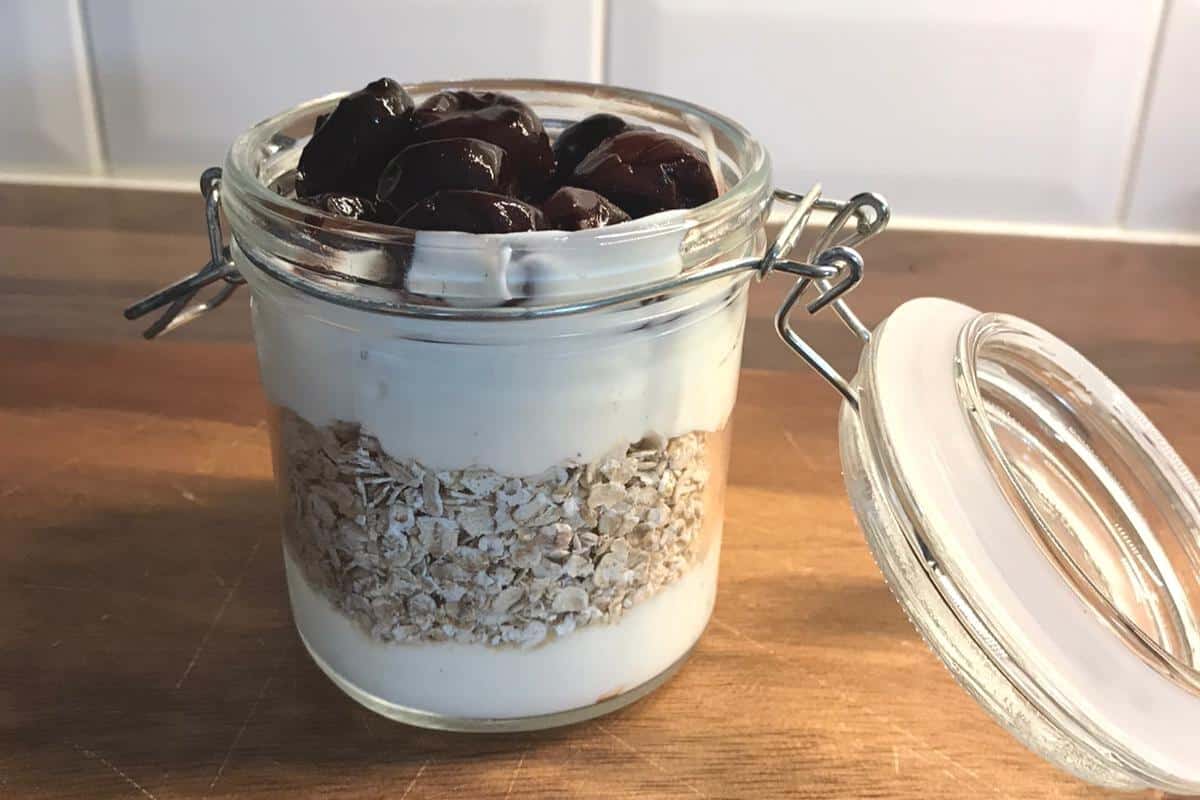
Protein Porridge and Overnight Oats
Porridge can be a comforting breakfast, especially during the colder months, and there are ways to increase its protein content by using milk or adding suitable protein-rich ingredients.
The important thing is to wait until your bariatric team has confirmed that oats and the texture you’re preparing are appropriate for you. Different NHS bariatric services give different advice about when particular cereals can be introduced, so I wouldn’t assume porridge is suitable just because it looks soft.
Once you’re eating a wider range of foods, you might enjoy trying a little porridge made with milk and, if suitable, some Greek yoghurt stirred in after cooking.
Overnight oats can also be useful later in recovery. I’ve got a collection of overnight oats recipes that you can browse, although the usual serving sizes and toppings aren’t designed specifically for bariatric patients and may need adjusting with advice from your dietitian.
Protein Shakes and Whey-Based Breakfasts
Protein shakes are often mentioned in discussions about bariatric surgery, particularly because it can be difficult to meet nutritional requirements when you’re only managing small quantities of food.
However, not every protein shake is suitable for every stage of recovery, and you shouldn’t assume that a product marketed as high protein will automatically meet your needs. Your bariatric team may recommend particular supplements or drinks based on your procedure and nutritional requirements.
If you’re further along in your recovery and have been cleared to use whey protein in ordinary foods, you might prefer adding it to something rather than drinking a shake. My whey protein breakfast ideas article has some inspiration, although these are general breakfast ideas rather than recipes specifically designed for the early stages after surgery.

Savoury Bariatric Breakfast Ideas
Not everybody enjoys sweet breakfasts, and I can understand why you might get fed up with yoghurt and porridge if those seem to be your main options.
Once you’ve progressed to suitable soft foods, your bariatric team may allow options such as moist fish, cottage cheese or other soft protein-rich foods prepared to the correct texture. The important thing is that the food is suitable for your stage, rather than simply being described as soft.
Later on, when you’re managing regular textures, you could try small portions of savoury breakfasts such as quiche or other meals containing protein.
My breakfast quiche is another idea to look at once you’re eating ordinary textures comfortably. As with the other recipes I’ve mentioned, it’s a general recipe, so check whether the ingredients and portion are appropriate for you.
And don’t feel that breakfast has to involve traditional breakfast foods. If you’re further along in recovery and prefer something left over from dinner, there’s nothing wrong with having that instead, provided it’s been stored safely and fits your dietary guidance.
Planning Bariatric-Friendly Breakfasts Ahead
I think planning ahead can make mornings much easier, especially when you’re trying to get used to a new routine. It doesn’t have to mean spending hours batch cooking on a Sunday, either. Sometimes it’s simply knowing what you’re going to eat tomorrow and making sure you’ve got the right ingredients.
If you’re in the early recovery stages, preparing suitable foods according to your bariatric team’s instructions can save you having to think about breakfast when you’re tired. Once you’re eating a wider variety of textures, you might find it useful to prepare things such as egg muffins or other meals that can be safely refrigerated or frozen.
I’d also avoid comparing your portion sizes with anyone else’s. The amount someone can comfortably manage after surgery varies, and the aim isn’t to force yourself to finish a particular amount just because you’ve put it on your plate.
Eating slowly, chewing thoroughly when appropriate and following your team’s advice about separating food and drinks are all important parts of adjusting to eating after surgery.
What If Breakfast Makes You Feel Uncomfortable?
It’s worth paying attention to how you feel after eating, particularly while you’re introducing different foods and textures. Your bariatric team should explain which symptoms to expect and which ones need medical advice.
If you regularly struggle with nausea, discomfort, vomiting or difficulty eating, don’t simply assume you need to eat less or put up with it. Speak to your bariatric team so they can help work out what’s happening.
Similarly, if you’re struggling to manage enough fluids or meet your nutritional requirements, it’s important to get individual advice rather than trying to solve the problem by adding more protein powder to your breakfast.
Severe or worsening abdominal pain, persistent vomiting or an inability to keep fluids down after bariatric surgery needs urgent medical assessment.
Frequently Asked Questions About Bariatric Breakfasts
What can I eat for breakfast after bariatric surgery?
That depends on the type of surgery you’ve had and your recovery stage. Your team may initially prescribe liquids, followed by puréed foods, soft foods and eventually regular textures. Follow the plan they’ve given you rather than choosing foods solely because they’re labelled bariatric-friendly.
Is Greek yoghurt good after bariatric surgery?
Greek yoghurt can be a useful source of protein, and smooth varieties may be suitable during certain stages of recovery. However, you should check which types and consistencies are allowed on your individual plan.
Can I eat porridge after bariatric surgery?
Porridge may be suitable once you’ve been cleared for the relevant texture, but advice varies between bariatric services. Don’t assume it’s appropriate during the liquid or puréed stages without checking with your team.
How much protein should I have at breakfast after bariatric surgery?
There isn’t one breakfast protein target that’s right for everybody. Your daily protein requirements will depend on your surgery, recovery and individual nutritional needs. Your bariatric dietitian can help you work out how to meet your target across the day.
Can I have overnight oats after bariatric surgery?
Overnight oats may be an option later in recovery, once you’ve been cleared for the texture and ingredients. Standard recipes often contain toppings, seeds or quantities that aren’t suitable during the early stages.
Finding a Breakfast Routine That Works for You
I think it’s easy to underestimate how much your everyday routine can change after bariatric surgery. Breakfast might have been something you barely thought about before, whereas afterwards you may need to consider food textures, protein, portion sizes and how comfortably you tolerate different ingredients.
Hopefully these ideas have given you a little inspiration for the stage you’re at, whether that’s keeping things very simple while you recover or finding a few more interesting breakfasts once you’re back to eating a wider variety of foods.
You don’t need to make breakfast complicated, and you certainly don’t need to buy every high-protein product you see advertised. Following your bariatric team’s advice and finding a few foods that suit you is a much better place to start.
If you’ve had bariatric surgery, I’d love to know which breakfasts you’ve found easiest to manage as you’ve recovered. Feel free to share your ideas in the comments, as they might help someone else who’s trying to find a routine that works for them too.
🎄 Still got Christmas shopping to do?
I’ve put all my Christmas gift guides, festive recipes and other Christmas bits together in one place to make life a little easier!