The ultimate guide to healthy pancakes for Shrove Tuesday
It is the one Tuesday of the year that everyone looks forward to. The frying pans come out, the lemons are bought in bulk, and having dessert for dinner is not just accepted. It is encouraged.
Pancake Day, or Shrove Tuesday, is a brilliant tradition. It brings families together and gives us a reason to master the perfect pancake flip. However, for many of us, it also brings something else. That is the heavy, sluggish feeling you get after eating a stack of refined flour and sugar.
You might think that making healthy pancakes means sucking all the joy out of them. You might picture dry, cardboard-like discs that no amount of syrup could save.
You can absolutely have fluffy, delicious pancakes that nourish your body rather than just giving you a sugar rush. With a few smart swaps and some knowledge about ingredients, you can keep the tradition alive and feel great afterwards.
This guide will walk you through exactly how to make changes to your batter, choose better toppings, and cook healthy pancakes to perfection.
Why do we eat pancakes today?
Before we look at the recipes for healthy pancakes, it is nice to understand why we are doing this in the first place.
Shrove Tuesday marks the day before Lent begins. Lent is the traditional period of fasting leading up to Easter. In the past, people needed to use up the rich foods in their cupboards before the fasting began.
According to English Heritage, ingredients like eggs, milk, and sugar were considered luxury items. They needed to be cleared out so they would not tempt people during the 40 days of Lent. The easiest way to use them all at once was to whisk them into a batter and fry them.
The word “shrove” comes from the word “shrive,” which means to confess your sins. A bell would ring to call people to church to confess. Historic UK notes that this bell eventually became known as the “Pancake Bell.”
Today, most of us are not fasting for 40 days. However, the tradition of feasting remains. The problem is that our modern diets are already quite high in sugar and refined carbs. Adding a massive stack of traditional pancakes on top can be a bit much for our systems.
Choosing the right flour for healthy pancakes
The main ingredient in a traditional pancake is white flour. While delicious, white flour is a refined grain. This means the best parts of the grain have been removed.
When you eat refined flour, your body digests it very quickly. This causes a rapid spike in your blood sugar. What goes up must come down. That crash is what leaves you feeling tired and hungry again an hour later.
The simple fix is to swap some or all of your white flour for whole grains.
The benefits of going whole grain
Whole grains are so healthy and nutritious; it is great if you can use them more. They keep the bran and the germ of the grain intact. According to the Harvard T.H. Chan School of Public Health, whole grains offer a “complete package” of health benefits.
They are packed with fibre, B vitamins, iron, and magnesium. The fibre is the most important part here. Fibre slows down digestion. This means you get a steady release of energy instead of a spike and a crash.
The NHS Eatwell Guide recommends that we choose wholegrain varieties of starchy foods whenever possible. It notes that starchy foods should make up just over a third of the food we eat.
How to make the swap
You do not have to switch to 100% whole-wheat flour to make healthy pancakes. Whole wheat flour can be a bit heavier and has a nuttier taste.
If you are trying this for the first time, try a 50/50 mix. Use half white flour and half whole wheat flour. You likely will not notice a difference in texture, but you will be adding a good boost of fibre.
You can also experiment with other flours:
- Oat flour: You can make this by blitzing rolled oats in a blender. It has a mild, sweet flavour.
- Buckwheat flour: Despite the name, this is gluten-free. It has an earthy taste that works well with savoury toppings.
- Almond flour: This adds protein and healthy fats, which makes the pancake very satisfying.
Managing sugar in healthy pancakes
Sugar is the other problem on Pancake Day. It is in the batter, and it is usually also piled on top.
We all know that too much sugar isn’t good for us. The FDA states that we should limit “added sugars” to less than 10% of our total daily calories. For a 2,000 calorie diet, that is about 50 grams of added sugar a day.
It is easy to hit that limit in one single breakfast if you are not careful.
Natural vs. Added Sugar
It is important to know the difference. “Total sugars” include the natural sugars found in fruit and milk. These come packaged with vitamins and fibre. “Added sugars” are those added during processing or cooking, like table sugar or syrup.
To make your healthy pancakes, try to rely on natural sweetness.
- In the batter: Mash up a ripe banana and mix it into your wet ingredients. It adds moisture and sweetness without needing white sugar. You can also use a splash of vanilla extract or a pinch of cinnamon to trick your taste buds into thinking it is sweeter than it is.
- On top: Instead of drowning your plate in golden syrup, make a fruit compote. Simply heat some frozen berries in a pan until they break down into a sauce. It is naturally sweet and packed with vitamins.
The liquid in pancakes
Traditional recipes often use milk and sometimes melted butter. To lighten things up, you have options.
The NHS Eatwell Guide suggests choosing lower-fat and lower-sugar dairy products. Semi-skimmed or skimmed milk works perfectly fine in batter for healthy pancakes.
For a boost of protein, try using Greek yoghurt. It makes the pancakes very thick and creamy. Protein is crucial because it helps you feel full. A pancake breakfast that is high in protein will keep you going until lunch, much better than one that is just carbs.
If you are plant-based, soy milk is a great alternative as it has a protein content similar to dairy milk. Almond or oat milk works too, though they are usually lower in protein.
The secret to fluffy, healthy pancakes
Now you have your healthy ingredients. How do you combine them to ensure your pancakes are light and fluffy, not heavy and dense?
There is one golden rule you must follow.
Do not overmix the batter.
This is a tip supported by the experts at BBC Good Food. When you mix flour with liquid, gluten starts to develop. Gluten is what gives bread its chewy structure. That is great for a loaf of bread, but terrible for a pancake.
If you mix the batter too much, the gluten develops too much. This leads to tough, rubbery pancakes.
Here is the correct method:
- Mix your dry ingredients in one bowl.
- Whisk your wet ingredients in another bowl.
- Pour the wet into the dry.
- Stir gently with a spoon or spatula just until the flour disappears.
- Stop.
There should still be lumps in the batter. Leave them alone. The lumps will cook out.
Another tip is to let the batter rest. If you have time, leave the bowl on the counter for about 10 minutes. This allows the flour to hydrate properly and the baking powder to activate. This results in a better rise.
Top 5 topping ideas for healthy pancakes
You have made a healthy, whole-grain batter. Do not ruin it at the last hurdle by covering it in sugary chocolate spread. Here are five indulgent combinations that are good for you.
- The Nutty Banana: Sliced banana, a drizzle of peanut butter, and a sprinkle of cinnamon. The healthy fats in the peanut butter add staying power.
- Berry Blast: A dollop of Greek yoghurt topped with warm stewed berries and pumpkin seeds.
- Savoury Spin: Spinach, sautéed mushrooms, and a little feta cheese. Savoury pancakes are vastly underrated and help you cut sugar completely.
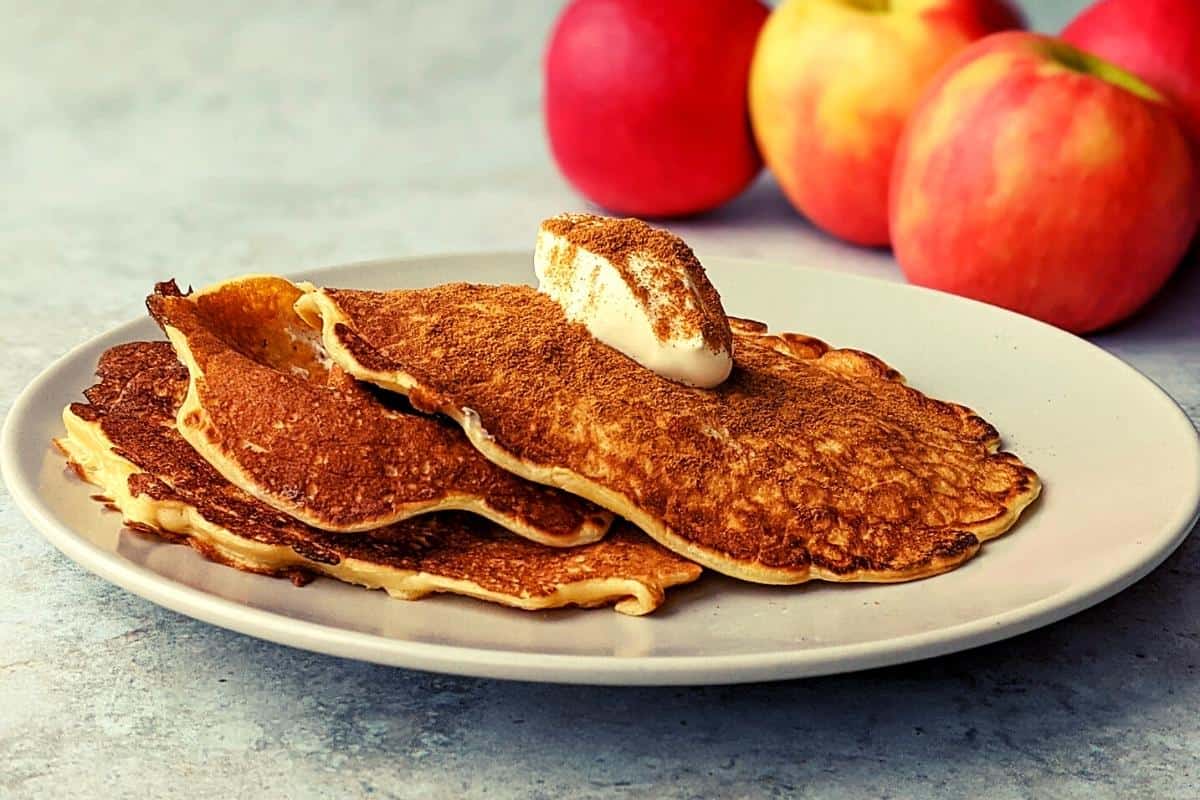
- Apple Pie: Stewed apples with raisins and walnuts. It tastes like dessert but counts as one of your five-a-day.
- Lemon Twist: Stick to the classic lemon juice, but use just a light dusting of sweetener instead of a heap of sugar.
Cooking healthy pancakes safely
When cooking your healthy pancakes, think about the oil you use. The NHS recommends choosing unsaturated oils and using them in small amounts.
Rapeseed oil or a light olive oil are good choices. You do not need to deep fry them. A good non-stick pan is your best friend here. It allows you to use a minimal amount of oil, just a quick spray or a wipe with a paper towel is enough.
Keep the heat moderate. If the pan is too hot, the outside will burn before the middle is cooked. This is especially true if you are using whole-grain flour, which can brown a little faster than white flour.
Healthy Pancakes – Frequently Asked Questions
Can I make the batter in advance?
Yes, you can. You can make the batter the night before and refrigerate it. However, the raising agents (such as baking powder) might lose a little of their power. You may need to add a tiny pinch of fresh baking powder right before cooking your healthy pancakes.
How do I make my pancakes gluten-free?
You can swap wheat flour for a gluten-free flour blend. Buckwheat flour is also a great naturally gluten-free option. Just remember that gluten-free flour does not bind as well, so you might need an extra egg or a binder like xanthan gum if your blend does not include it.
Can I freeze healthy pancakes?
Absolutely. Cook a big batch, let them cool completely, and stack them with a piece of baking paper between each one. Put them in a freezer bag. You can pop them straight in the toaster for a quick breakfast.
What if I do not want to use eggs?
If you are vegan or allergic to eggs, you can make a “flax egg.” Mix one tablespoon of ground flaxseed with three tablespoons of water. Let it sit for five minutes until it becomes jelly-like. Use this to replace one egg in your healthy pancakes.
Why is my first pancake always a disaster?
This is a universal law of cooking. Usually, the pan isn’t evenly heated yet, or it needs to be “seasoned” by that first layer of oil. Do not worry about it. Think of the first pancake as the chef’s snack.
Healthy pancake recipes to try
Here are my two popular recipes for healthy pancakes that I know you will love.
Banana pancakes – a vegan recipe with no eggs
A new tradition
Pancake Day is a wonderful bit of history that we should keep enjoying. It connects us to the past and brings a bit of fun to a Tuesday in February.
By making small changes, like whole-wheat flour or swapping syrup for fruit, you can enjoy the celebration without sabotaging your weight loss. You get the fun, the flavour, and the nutrients all on one plate.
So, this Shrove Tuesday, get your frying pan ready. Try one of these swaps. You might just find that the healthy pancakes taste even better than the original.
Do you make healthy pancakes? Perhaps this has inspired you to make some changes? Let me know your favourite toppings for healthy pancakes in the comments below.