
How to Make Healthy Meals for Fussy Families (Without Cooking Different Dinners)
If you’ve ever stood in the kitchen wondering whether to cook one meal or three, you’re certainly not the only one. Fussy families make mealtimes hard work.
Family mealtimes can feel surprisingly stressful. One person doesn’t like mushrooms, another refuses anything with visible onions, someone else suddenly decides they don’t eat pasta anymore, and before you know it, you’re questioning whether it’s easier to live on fish fingers forever.
I think most families have been there at some point.
When you’re trying to eat more healthily or lose weight, it can feel even more complicated. It’s all very well reading articles that tell you to fill your plate with vegetables, wholegrains and lean protein, but it’s much harder when half the family are pushing those vegetables to the side of the plate.
For a long time, I thought healthy eating and family life were working against each other. I wanted to cook meals that supported my own weight loss goals, but I also wanted everyone else to actually enjoy dinner. Cooking separate meals every night wasn’t realistic, and if I’m honest, I didn’t want to spend my evenings running a restaurant where everyone ordered something different.
Over the years I’ve realised that healthy family meals don’t have to be perfect. They just need to work for the people sitting around your table.
Healthy food for fussy families doesn’t have to mean completely different
I think one of the biggest misconceptions about healthy eating is that it requires an entirely different way of cooking.
Suddenly people imagine they’ll be eating grilled chicken and broccoli while everyone else enjoys lasagne. That’s certainly how I used to picture it.
In reality, most of the meals my family enjoy are recognisable favourites with a few small changes rather than complete reinventions. It makes it much easier for fussy families too as you can adapt meals they already love.
A spaghetti Bolognese can contain extra vegetables without losing the rich, comforting flavour everyone expects. A homemade curry can be packed with lean protein and plenty of vegetables while still tasting like a proper curry. Even something as simple as homemade burgers can become a balanced family meal when served with salad, roasted potatoes or corn on the cob instead of relying entirely on chips.
The aim isn’t to make food “healthy enough” to satisfy Instagram. It’s to make meals that your family genuinely look forward to eating. It doesn’t matter how food looks if your fussy families will eat it; that is what matters.
I stopped trying to make everyone eat exactly the same
This was probably one of the biggest mindset changes for me. For years I believed a successful family meal meant everyone eating exactly the same thing. If someone picked out the peppers or left the mushrooms on the side of the plate, I felt as though I’d somehow failed. Now I look at it differently. Whenever possible, I build meals that people can adapt themselves.
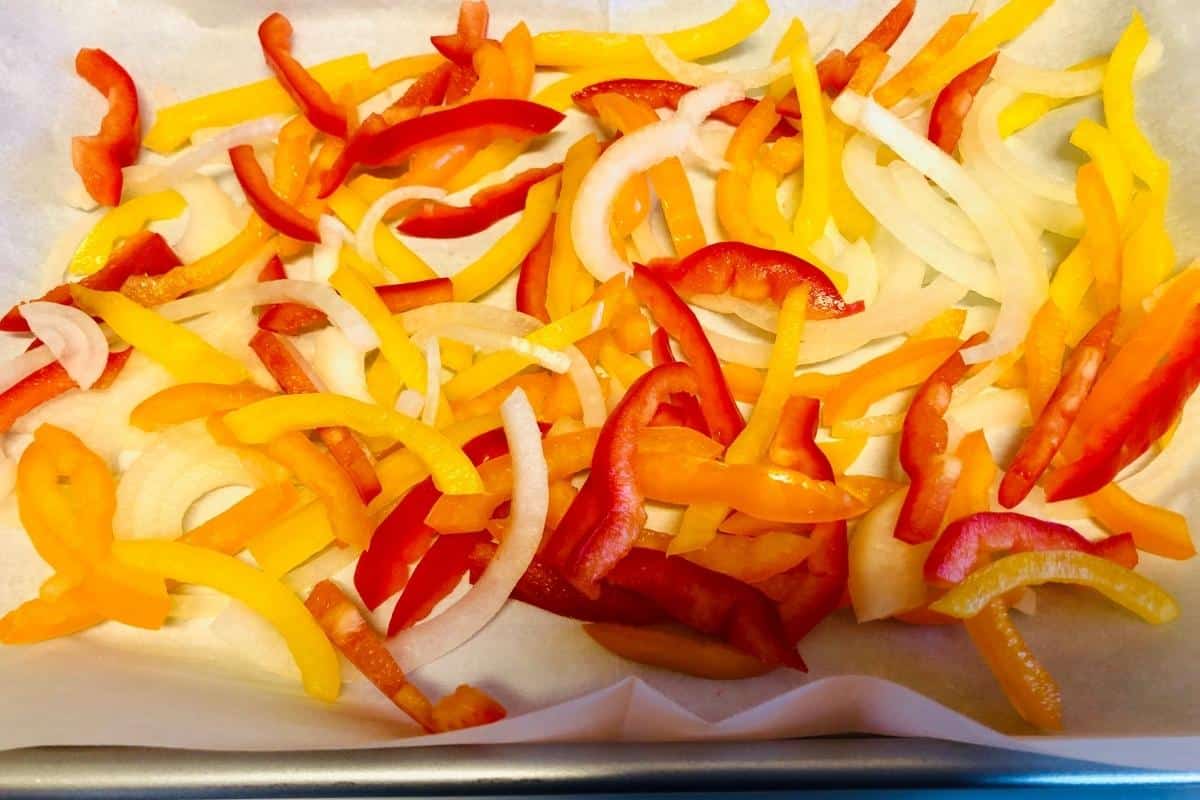
If we’re having fajitas, everything goes on the table separately. Chicken, peppers, onions, salad, grated cheese and wraps all sit in serving bowls so everyone can build the meal they actually want to eat.
If it’s a pasta bake, I’ll sometimes keep a small portion of plain pasta aside before mixing everything together. When we’re having homemade pizzas, everyone chooses their own toppings. We’re still sharing one meal.
We’re just allowing a bit of flexibility instead of turning dinner into a battle. That tiny shift made family mealtimes much more enjoyable, even for fussy families.
Small changes are often more successful than dramatic ones
Whenever I read articles about picky eaters, they sometimes suggest completely transforming the family’s diet overnight. In reality, I don’t think many of us live like that.
Most families are busy. Children have clubs. Adults have work. By the time everyone gets home, we’re often just trying to get dinner on the table before somebody starts asking what’s for pudding.
That’s why I prefer making small improvements to meals we already enjoy. Maybe I add grated carrots and lentils to a chilli. Perhaps I use a little less cheese on a pasta bake because there’s plenty of flavour elsewhere.
Sometimes it’s simply serving vegetables in a different way. Roasted carrots with a drizzle of honey often disappear much faster than boiled ones.
Those little changes might not seem dramatic, but over time they can completely transform the nutritional value of a family’s diet without anyone feeling as though their favourite meals have disappeared.
Don’t underestimate the power of familiar food
One thing I’ve learnt is that people are much more willing to try something new when most of the meal already feels familiar.
If someone is a nervous eater, presenting them with an entirely unfamiliar dinner can feel overwhelming. Instead, I like to keep most of the meal recognisable and introduce just one new ingredient or flavour alongside it. It seems to work best for fussy families.
That might mean serving a favourite chicken dish with a different vegetable or swapping white rice for brown rice occasionally rather than changing everything at once.
Sometimes the new food gets ignored, sometimes it gets tasted, and occasionally it even becomes a new favourite. None of those outcomes is a failure because trying something new is a process, not a one-off event.
Healthy meals don’t have to be expensive
It’s easy to assume healthy family cooking means filling your trolley with specialist ingredients. In my experience, some of the best family meals are built around simple, affordable foods.
Chicken, mince, beans, lentils, frozen vegetables, potatoes, rice and pasta can all become part of healthy, filling dinners without stretching the budget.
Frozen vegetables is often just as nutritious as fresh, last much longer and are always there when you’ve forgotten to buy broccoli. I’ve lost count of the number of meals they’ve rescued in my house.
Take the pressure off yourself
If you’re trying to help your family eat more healthily, please don’t feel as though every single meal has to be perfectly balanced. Some evenings you’ll have homemade curry packed with vegetables. Other evenings everyone will want beans on toast because it’s been one of those days.
Both can exist in a healthy lifestyle. Children don’t need one perfect meal. Adults don’t either. What matters much more is the overall pattern of how your family eats over weeks and months, not whether one Tuesday night’s dinner contained enough vegetables. I think that’s something many of us forget when we’re trying to “eat healthily.”
It’s okay if everyone doesn’t love every meal
I used to judge a recipe by whether everyone cleared their plate. Now I judge it differently. Did everyone eat something? Did we enjoy sitting down together? Would I cook it again with one or two small tweaks? That’s enough for fussy families; nothing has to be perfect.
There will always be meals that one person loves, and another doesn’t. That’s true in every family. Trying to please everyone, every night, is an impossible job. Instead of chasing perfection, I now focus on creating meals that bring us together more often than not. Strangely enough, that’s made family mealtimes much more relaxed.
Healthy family meals are about progress, not perfection
If you’ve got fussy eaters at home, I know how tempting it is to think healthy eating simply isn’t possible. I promise it is. It just might not look like the beautifully styled family dinners you see on social media.
It might look like adding an extra vegetable to a pasta sauce. It might mean serving fruit after dinner a little more often. It might be giving everyone the chance to build their own wraps or tacos. Those changes may seem small, but they all count.
Healthy eating isn’t created by one perfect meal for fussy families. It’s built from hundreds of ordinary family dinners where everyone leaves the table feeling fed, relaxed and ready to do it all again tomorrow.
Related articles
If you’re looking for more family-friendly healthy eating ideas suitable for fussy families, you might also enjoy:
- Healthy Chicken Recipes
- Quick 5-Minute Healthy Meals
- Budget Family Meals
- Healthy Snack Ideas
- Meal Planning for Busy Families
- Air Fryer Family Recipes
- Slow Cooker Family Meals
- Healthy Habits That Actually Stick
Trusted sources and further information
Family meals can have a positive impact on children’s eating habits, but there’s no such thing as the “perfect” family diet.
For evidence-based guidance, take a look at:
- NHS – Advice on healthy eating for adults and children, balanced meals and portion sizes.
- British Dietetic Association (BDA) – Practical family nutrition advice from registered dietitians, including tips for fussy eaters.
- NHS Better Health – Ideas for healthier family meals, recipe inspiration and ways to make small, sustainable changes.
Remember, children often need to see a new food many times before they feel comfortable trying it. Progress is usually gradual, and that’s completely normal. Small changes made consistently are far more likely to last than trying to overhaul your family’s eating habits overnight.