How to Create Your Own Ozempic or Mounjaro Diet Plan
So, you’ve started your weight loss journey with a little help from modern medicine. Whether you’ve been prescribed Ozempic (semaglutide) or Mounjaro (tirzepatide), you probably feel a mix of excitement and relief. Finally, the “food noise” in your head has quieted down, and you aren’t constantly thinking about your next snack.
But now comes the tricky part: what should you actually eat?
In this guide, I’ll walk you through how to build a sustainable, healthy Ozempic diet plan or Mounjaro diet plan that works with your medication, not against it. I’ll look at what to prioritise on your plate, how to manage pesky side effects with food, and how other options like Contrave compare.
It’s a common misconception that these medications do all the work for you. While they are incredibly powerful tools that help curb your appetite and regulate blood sugar, they aren’t magic wands. Think of them more like a pair of stabilisers on a bicycle, they help keep you upright and moving forward, but you still have to do the pedalling.
To get the best results, and, more importantly, to feel your best, you need to fuel your body correctly. If you don’t, you might find yourself losing muscle instead of fat, or feeling tired and nauseous.

Why You Need a Plan (Even With Medication)
You might be thinking, “If I’m not hungry, why do I need an Ozempic diet plan?”
It’s a fair question. When your appetite drops, it’s easy to accidentally drift into “starvation mode.” You might skip meals simply because you forgot to eat, or survive on coffee and a biscuit until dinner.
However, undereating can be just as problematic as overeating. When you don’t eat enough, your metabolism slows down to preserve energy. You might also miss out on vital nutrients like protein, vitamins, and minerals. This can lead to hair loss, fatigue, and muscle loss, none of which are on anyone’s wish list.
A good Ozempic diet plan for weight loss (or a Mounjaro one!) isn’t about restriction. It’s about intention. It ensures that the smaller amount of food you are eating is packed with the good stuff your body needs to burn fat and build energy.
The 4 Pillars of a GLP-1 Diet Plan
Both Ozempic and Mounjaro belong to a class of drugs that mimic hormones in your body (GLP-1 and, in Mounjaro’s case, GIP too). These hormones slow down how fast your stomach empties, which keeps you fuller for longer. Because your stomach is emptying more slowly, heavy or greasy foods can make you feel pretty unwell.
Here are the four pillars to build your Mounjaro or Ozempic diet plan around.
1. Prioritise Protein
If there is one golden rule, this is it. Protein is non-negotiable.
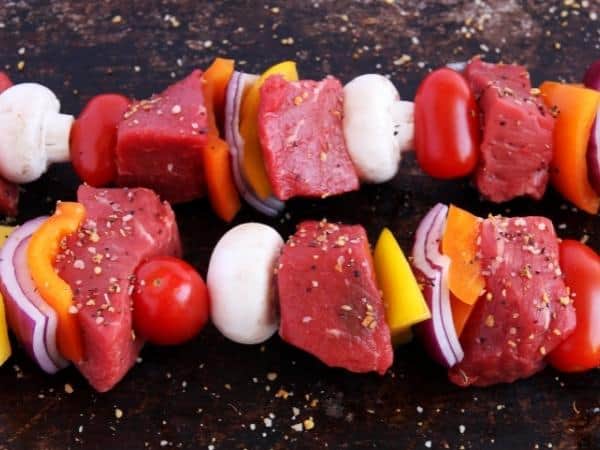
When you lose weight rapidly, your body tends to break down muscle along with fat. To protect your muscles, you need to eat plenty of protein. Protein also helps keep your blood sugar stable and keeps you feeling full.
Aim for: A source of protein at every single meal.
Good sources include:
- Lean meats like chicken and turkey
- Fish and seafood (salmon, tuna, prawns)
- Eggs
- Tofu and tempeh
- Greek yoghurt or cottage cheese
- Beans, lentils, and chickpeas
Try to “eat your protein first.” If you get full quickly, you want to make sure you’ve eaten the chicken breast before you fill up on the bread roll.
2. Fibre
One of the most common complaints people have on these medications is constipation. Because digestion slows down, things can back up, and you may become constipated. When making an Ozempic diet plan, you need to factor this in.
Fibre helps keep things moving. It also feeds the healthy bacteria in your gut. However, be careful not to increase your fibre intake too quickly, or you might get gassy. Slow and steady wins the race here on your Ozempic diet plan.
Aim for: 30g of fibre a day (this is the UK government recommendation).
Good sources include:
- Fruit (berries, apples, pears, eat the skin!)
- Vegetables (broccoli, carrots, leafy greens)
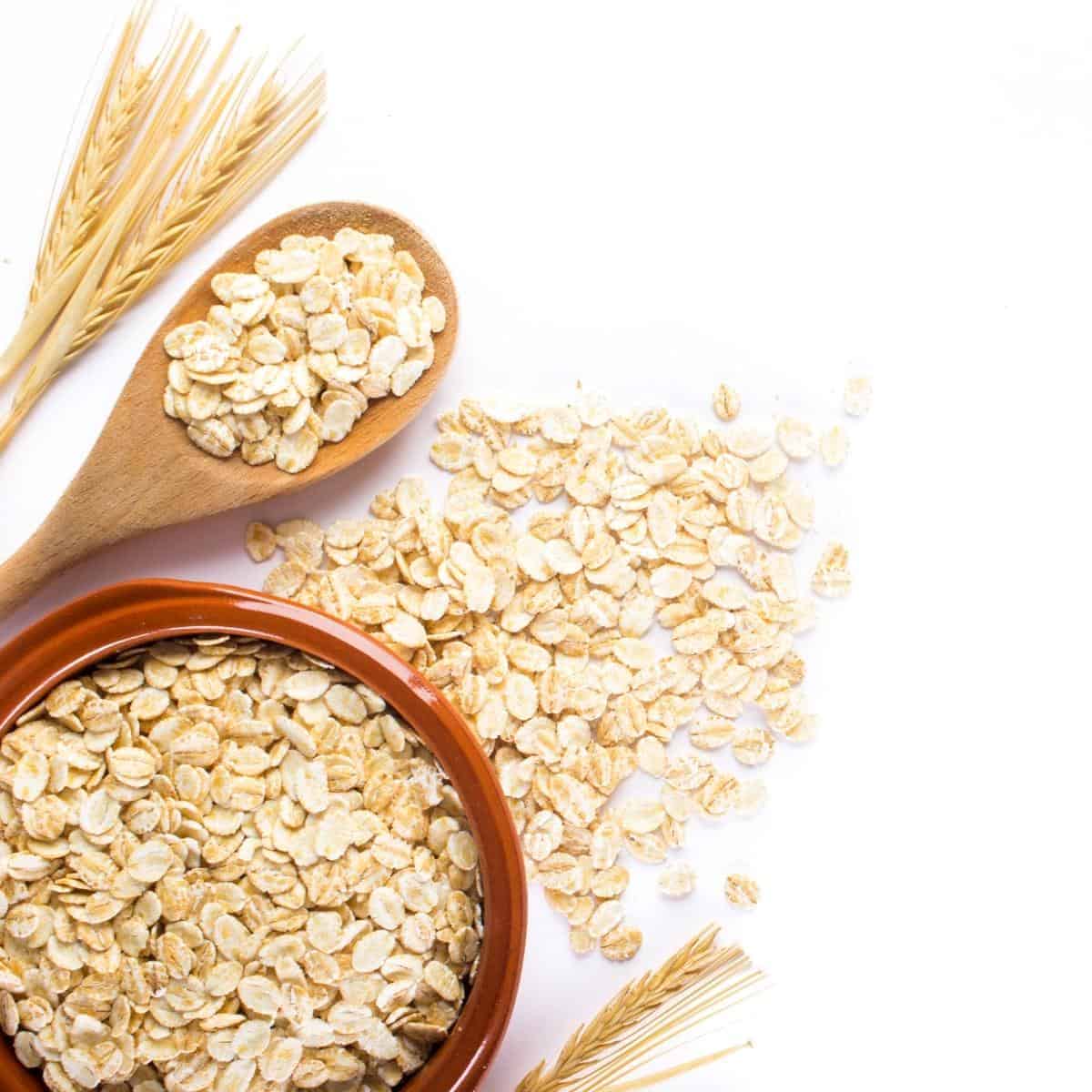
- Wholegrains (oats, brown rice, quinoa, wholemeal bread)
- Seeds (chia seeds, flaxseeds)
3. Hydration, Hydration, Hydration
Water is crucial for fat loss. It helps your kidneys filter out waste and keeps your cells functioning. Plus, if you are increasing your fibre intake, you must increase your water intake, or that constipation mentioned will only get worse.
Nausea is a common side effect of these meds, and dehydration can make nausea worse. It’s a vicious cycle you want to avoid in your Ozempic diet plan or when planning meals on Mounjaro.
Aim for: 6 to 8 glasses of fluid a day. Water is best, but tea, coffee, and sugar-free squash count too. If you struggle to drink water, try keeping a bottle with you at all times or setting reminders on your phone.
4. Small, Frequent Meals
Gone are the days of the massive Sunday roast that leaves you needing a nap. Large meals can be difficult for your system to handle when gastric emptying is delayed. You might feel uncomfortably full, bloated, or sick.
Instead of three big meals on your Ozempic diet plan, try eating smaller portions more frequently. Think “grazing” rather than “feasting.” Use a side plate instead of a dinner plate to help your brain adjust to the smaller portion sizes visually.
Foods to Avoid (or Limit)
While no food is strictly “banned,” some foods are more likely to trigger side effects like nausea, heartburn, and bloating. If you’re building your Mounjaro diet plan or Ozempic diet plan, you might want to steer clear of:
- Fried and Greasy Foods: Chips, fried chicken, and heavy burgers can sit in your stomach for a long time and cause unpleasant burping or indigestion.
- High-Sugar Foods: Sweets, cakes, and sugary drinks can cause blood sugar spikes and crashes, leaving you feeling tired.
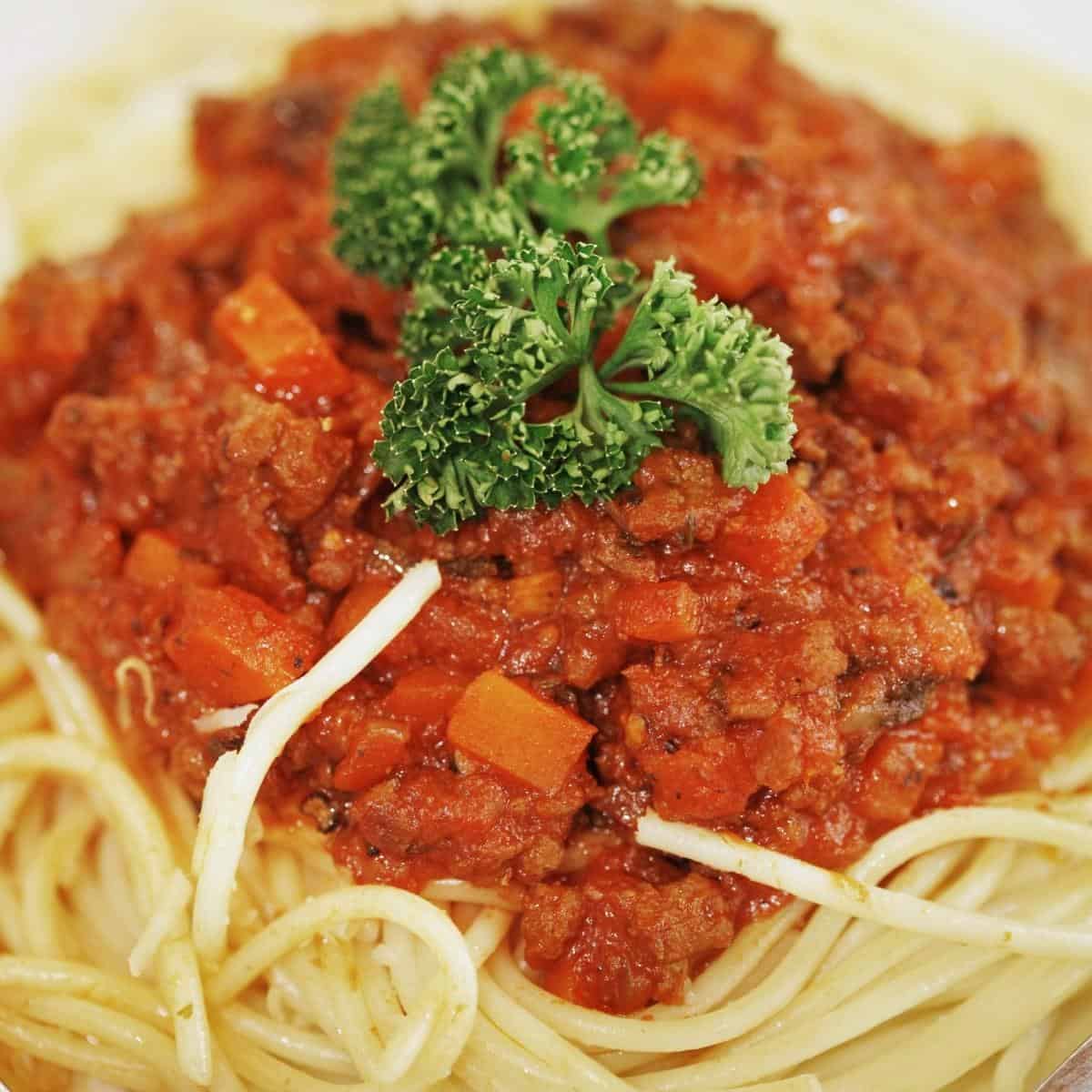
- Refined Carbohydrates: White bread, white pasta, and pastries offer little nutritional value and don’t keep you full.
- Carbonated Drinks: Fizzy drinks can add gas to an already slow-moving digestive system, leading to bloating.
- Alcohol: Alcohol provides empty calories and can irritate your stomach lining.
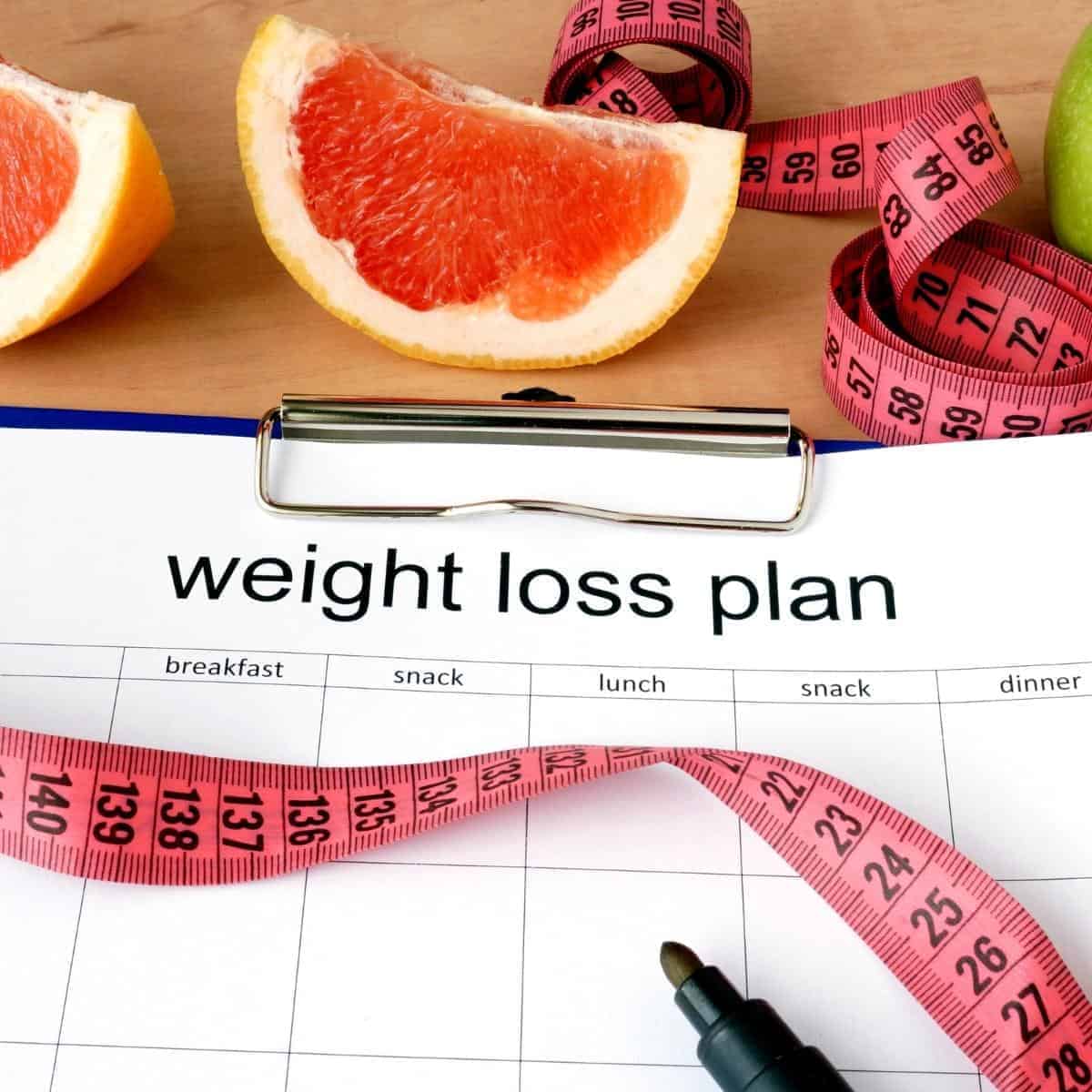
Sample One-Day Ozempic diet plan
Here is a simple example of what a balanced day of eating might look like. This isn’t a prescription, but a template to inspire you.
Breakfast:
- Scrambled eggs with spinach (Protein + Veg)
- A slice of wholemeal toast (Fibre)
Morning Snack:
- An apple or a pear (Fibre)
- A handful of almonds (Healthy Fats + Protein)
Lunch:
- Grilled chicken salad with plenty of colourful veggies (Protein + Fibre)
- Dressing on the side (control the fat)
- A small portion of quinoa or brown rice
Afternoon Snack:
- Greek yoghurt with a few berries (Protein)
Dinner:
- Baked salmon or tofu (Protein)
- Steamed broccoli and carrots (Fibre)
- Half a sweet potato
Drink: Water, herbal tea, or black coffee throughout the day. This is one thing many people creating an Ozempic diet plan or planning their meals on Mounjaro forget.
Dealing with “Ozempic Face” and Muscle Loss
You may have heard the term “Ozempic face” in the news. It refers to the gaunt, aged look that can occur when someone loses a lot of weight very quickly, especially on their face.
This isn’t caused by the drug itself, but by rapid weight loss. When you lose fat, you lose it from everywhere, including your face.
To minimise this and keep your body strong, focus on slow, steady weight loss and strength training.
- Don’t starve yourself. Aim for a moderate calorie deficit, not a severe one.
- Lift weights. Resistance training helps build and preserve muscle mass. This keeps your metabolism high and gives your body shape and tone as the weight comes off.
Other Options: Contrave vs Ozempic
While Ozempic and Mounjaro are the current headlines, they aren’t the only options. You might have heard of Mysimba (known as Contrave in the US).
Contrave vs Ozempic is a common comparison, but they work very differently.
- Ozempic (Semaglutide): Mimics a gut hormone. It works primarily on the physical sensation of fullness and blood sugar regulation.
- Contrave (Naltrexone/Bupropion): Works on the brain. It targets the reward system to reduce cravings and the “pleasure” you get from eating.
Contrave is often prescribed for people who struggle specifically with emotional eating or intense cravings, rather than just physical hunger. It is taken as a tablet, not an injection.
According to clinical trials, Ozempic generally leads to greater weight loss percentages compared to Contrave. However, the best medication is the one that suits your specific biology and lifestyle. Always chat with your doctor about which tool is right for you.
Taking the Next Step
Creating a diet plan while on medication doesn’t have to be complicated. It’s about getting back to basics: real food, plenty of water, and listening to your body.
Remember, the medication is a tool to help you make these changes. It gives you the breathing room to build healthy habits without fighting constant hunger. Use this time wisely to discover nutritious foods you enjoy, so that you can maintain your results for the long term.
If you are ever unsure, don’t guess. Speak to a registered dietitian or your GP. They can help tailor an Ozempic diet plan, Mounjaro diet plan or simply a healthier meal plan without medications that keeps you safe, healthy, and happy.