
Easy Pasta Soup Recipes & the Best Pasta for Soup
Adding pasta is one of my favourite ways to turn soup into something that feels like a proper lunch rather than something I’ll eat and then immediately start wondering what else is in the kitchen.
You don’t need anything fancy either. Small pasta shapes work brilliantly in soup, but so do broken lasagne sheets, noodles and filled pasta such as tortellini. What works best really depends on the soup you’re making and whether you’re eating it immediately or planning to save some for another day.
If you’ve got half a packet of pasta sitting in the cupboard and aren’t quite sure what to do with it, soup is a very good answer.

Easy pasta soup recipes to try
There are lots of ways to combine pasta and soup, from a traditional minestrone packed with vegetables and beans to something much heartier like lasagne soup.
These are some of my favourites.
Vegetable pasta soup
My vegetable pasta soup is probably the best place to start if you want something straightforward.
It has carrots, peas and courgettes in a tomato and vegetable stock base with plenty of pasta. Everything cooks in one saucepan and it’s ready in around 20 minutes.
It’s particularly handy when you’ve got vegetables that need using and a few half-empty bags of pasta lurking in the cupboard.
Minestrone soup
Minestrone soup is probably one of the first things that springs to mind when you think of pasta in soup.
Mine combines tomatoes, carrots and celery with cannellini beans and pasta, so there’s plenty going on in each bowl.
The beans and pasta make it much more substantial than a simple vegetable soup, and it’s one I particularly like for lunch.
Instant Pot lasagne soup
If you love lasagne but don’t particularly fancy all the layering and washing up, Instant Pot lasagne soup is a completely different way to enjoy those flavours.
It uses pieces of lasagne with beef, tomato sauce and cheese to make a really hearty soup.
This is very different from my vegetable pasta soup and definitely sits at the more substantial end of the soup spectrum.
Italian meatball soup
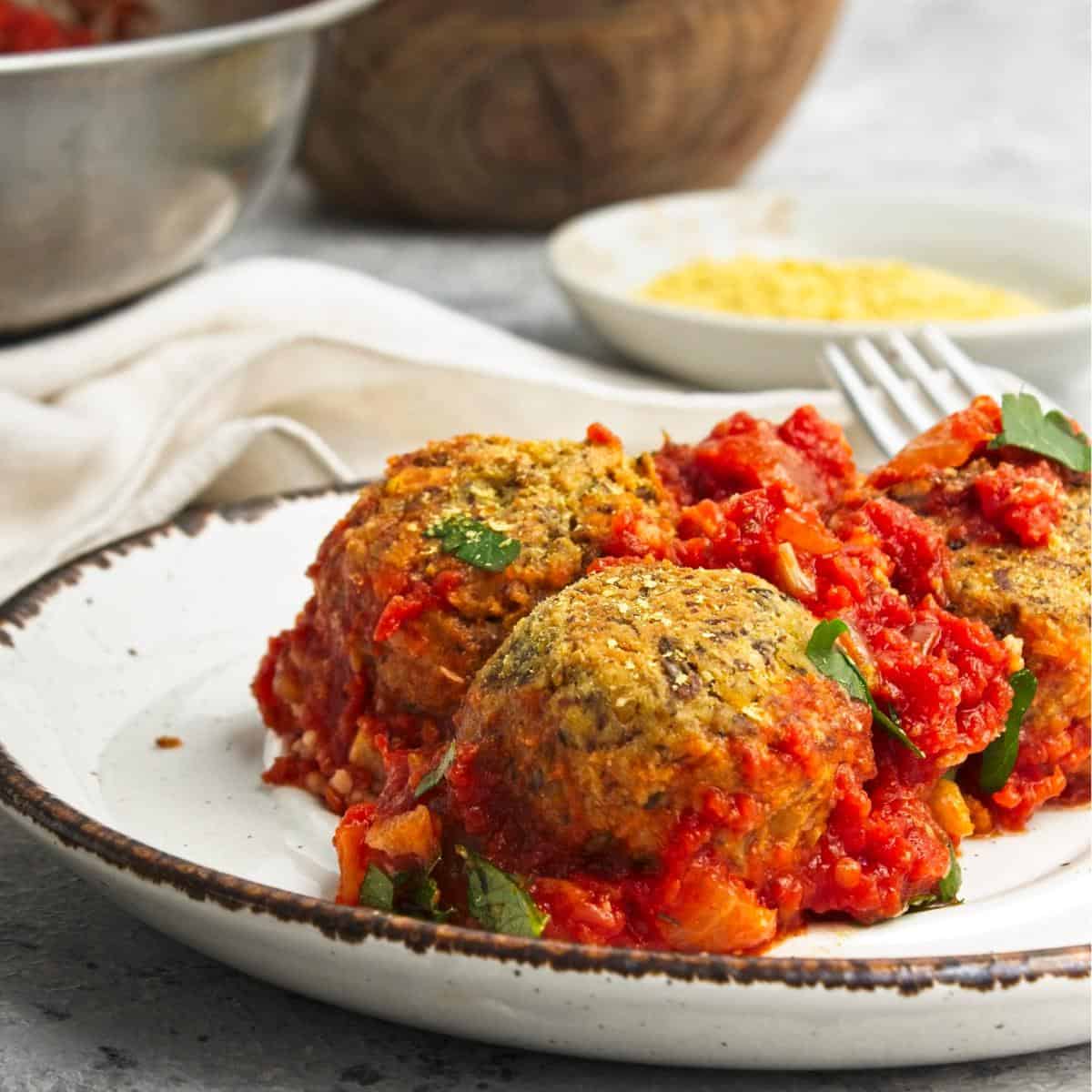
My Italian meatball soup combines meatballs, vegetables and pasta in a tomato-based broth.
It’s another good option if you’re looking for soup for dinner rather than a light starter, especially on a cold day when a little bowl of blended vegetables isn’t going to cut it.
What about tortellini soup?
Tortellini works brilliantly in soup because you’ve essentially got pasta and its filling in one ingredient.
You can add tortellini to a tomato or vegetable-based broth with vegetables such as spinach, courgette or peppers.
I don’t currently have a separate tested tortellini soup recipe to send you to, so I’m not going to pretend there’s one! If I add one in future, this is exactly where it belongs.
What is the best pasta for soup?
There isn’t one pasta shape that’s best for every soup.
For chunky vegetable soups, I tend to prefer smaller shapes because they’re easy to get onto a spoon alongside the vegetables and broth.
Shapes such as macaroni and other small tubes work well. Tiny pasta shapes are useful too, particularly in lighter soups.
For something like lasagne soup, larger pieces of pasta are part of the point, so broken lasagne sheets make sense.
Noodles work better in broths where you actually want those longer strands, while filled pasta such as tortellini can become one of the main ingredients rather than just something added to bulk the soup out.
Mostly, I’d look at what’s already in your cupboard before buying a special packet.
Can you put uncooked pasta straight into soup?
Yes, depending on the recipe.
Cooking pasta directly in the soup means it absorbs some of the flavour from the broth and saves you another saucepan.
You do need enough liquid for both the soup and the pasta, though, because pasta absorbs liquid as it cooks.
Follow the individual recipe rather than automatically throwing dry pasta into any soup. A recipe designed without pasta may not contain enough liquid to accommodate it.
Should I cook pasta separately for soup?
Sometimes.
If you’re eating the soup immediately, cooking the pasta directly in it is often the easiest option.
Cooking it separately can be useful if you’re making a big batch that will be stored for several days. Pasta left sitting in soup continues to absorb liquid and gets softer, so keeping the two separate can give you more control over the texture.
There’s no universal rule here. It depends on the soup and when you’re planning to eat it.
Why does pasta soak up all my soup?
If you’ve ever put lovely pasta soup in the fridge and returned the following day to discover something resembling pasta stew, you’re not imagining it.
The pasta continues absorbing liquid after cooking.
You can usually loosen leftover soup with a little extra stock or water when you reheat it.
If you’re deliberately making several days’ worth, another option is to cook and store the pasta separately and add it to individual portions.
How much pasta should I add to soup?
This is one where I’d follow the recipe you’re making rather than use one standard amount.
A thick, hearty pasta soup can contain considerably more pasta than a broth where you just want a few pieces in each spoonful.
The size of the pasta matters too.
If you’re experimenting rather than following a recipe, remember that pasta expands and absorbs liquid as it cooks. It’s much easier to add more next time than rescue a saucepan that has accidentally become an enormous portion of pasta with virtually no soup left!
Small pasta shapes for soup
Small pasta is particularly useful in soup because it fits onto a spoon easily.
You might see tiny stars, little tubes, small shells and other miniature shapes sold specifically with soups in mind, but you don’t need to hunt down anything unusual.
Macaroni and other small pasta you’ve already got can work perfectly well.
And if you’ve got a mixture of almost-empty packets, soup can be a useful way of clearing the cupboard. Just remember that different shapes may have different cooking times.
Can I use spaghetti in soup?
You can, although I’d usually break it into shorter pieces first unless you’re deliberately making a noodle-style soup.
Trying to eat full-length spaghetti from a bowl of soup is an experience I’m quite happy to leave to someone else.
Broken spaghetti can be useful when it’s the only pasta you’ve got in the cupboard, so don’t assume you need to buy something different just because a recipe mentions small pasta.
Can I use fresh pasta in soup?
Fresh pasta generally cooks much more quickly than dried pasta, so it needs different treatment.
Don’t add it at the same stage as dried pasta unless the recipe specifically tells you to.
Check the cooking time on the packet and add it towards the end so it doesn’t become overly soft.
Can I use gluten-free pasta in soup?
You can experiment with gluten-free pasta, but different types can behave quite differently when they’re cooked and then left sitting in liquid.
Follow the cooking instructions for the pasta you’re using and keep an eye on its texture.
If you’re making soup ahead, you may find cooking the pasta separately works better.
You’ll also need to check the stock and all the other ingredients if you need the whole meal to be gluten-free.
How do I make pasta soup more filling?
Sometimes pasta alone is plenty. Other times I want a soup with a bit more going on.
Beans and lentils work particularly well in vegetable and tomato-based pasta soups. Minestrone is a good example because you’ve got cannellini beans as well as pasta and vegetables.
Meatballs or minced beef can turn pasta soup into a much more substantial dinner, while cheese can be added to some soups if that’s what you fancy.
And there is absolutely nothing wrong with having bread with pasta soup. The carbohydrate police aren’t coming round to inspect your lunch.
Can I make pasta soup vegetarian?
Absolutely.
My vegetable pasta soup and minestrone soup are both good places to start.
Use suitable vegetable stock and check any cheese you’re adding if you specifically need it to be vegetarian, as some traditional hard cheeses use animal rennet.
You can find plenty more ideas amongst my vegetarian and vegan recipes.
Is pasta soup good for taking to work?
It can be, particularly if you want something warmer and more substantial than a sandwich.
If you have access to a microwave, take it in a suitable container and reheat it properly.
A food flask can also work if you don’t have somewhere to reheat lunch. Bear in mind that pasta will continue soaking up some liquid while it sits, so the soup may be thicker by lunchtime.
Can you freeze pasta soup?
Many pasta soups can be frozen, but the pasta itself is the bit to think about.
Cooked pasta can become softer after being frozen, defrosted and reheated.
If you’re deliberately batch cooking a soup for the freezer, you might prefer to freeze the soup without pasta and cook some fresh when you need it, where the recipe allows.
For an already-made pasta soup, freezing leftovers is still an option if you don’t mind a softer pasta texture.
Cool leftovers promptly and store them safely, then reheat until steaming hot throughout.
Pasta soup for cold days
I originally associate pasta soup most strongly with colder weather simply because that’s when I want big bowls of warm, filling food.
Minestrone, meatball soup and lasagne soup are particularly good when the weather is miserable outside and you want something substantial.
For more seasonal ideas, have a browse through my healthy winter soup recipes.
There are plenty of non-pasta options there too for the days when you’ve finally worked your way through all those half-empty packets in the cupboard!
More homemade soup ideas
If you don’t specifically need pasta involved, head to my healthy soup recipes for loads more lunch and dinner ideas.
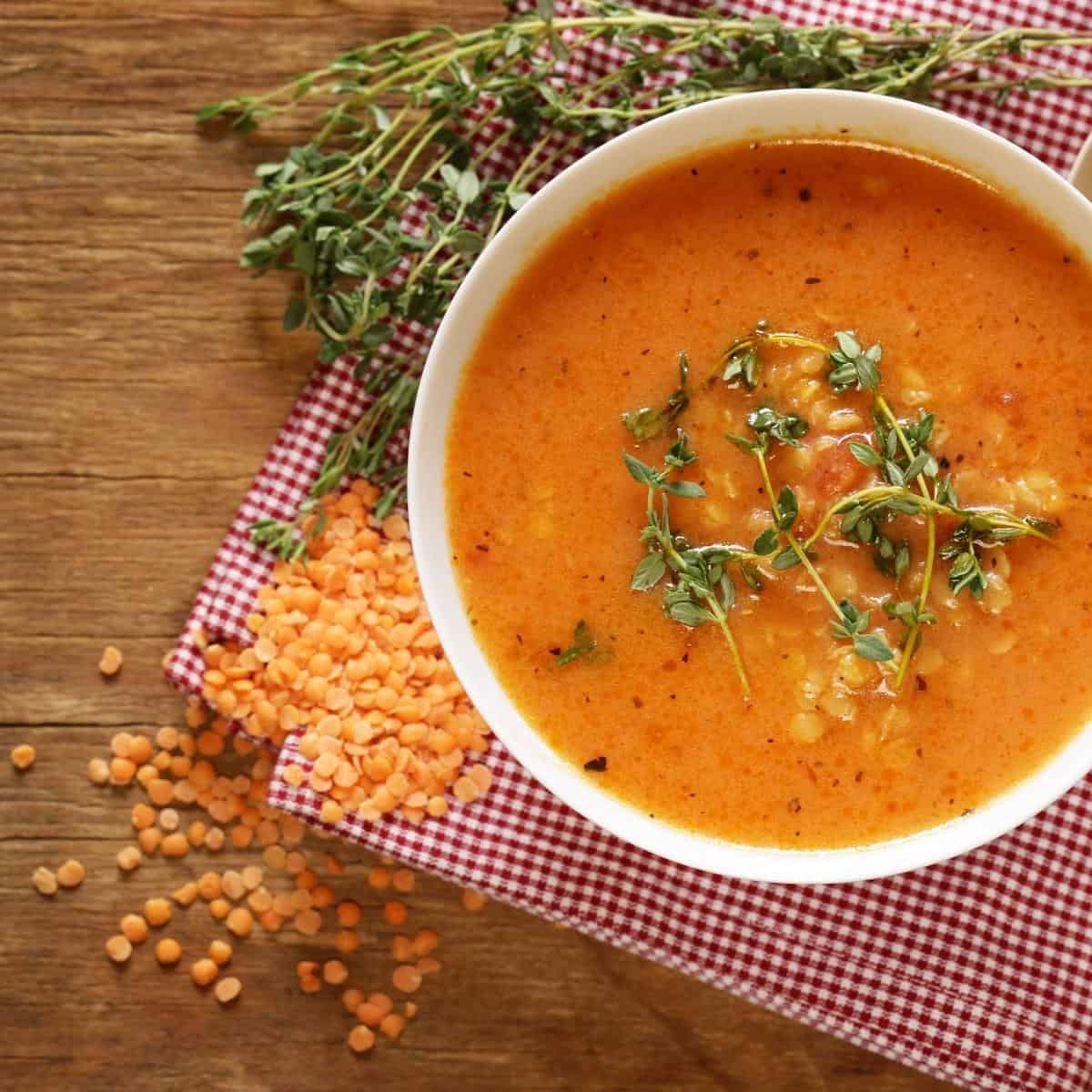
I’ve got everything from pea and coconut soup and mixed pepper soup to red lentil soup, broccoli and Stilton soup and plenty of easy vegetable soups.
And if you prefer putting everything into a machine and letting it get on with the job, my soup maker recipes are probably a better place to start.

🎄 Still got Christmas shopping to do?
I’ve put all my Christmas gift guides, festive recipes and other Christmas bits together in one place to make life a little easier!