Running for Beginners: Everything You Need to Start Running
If you’d told teenage me that one day I’d voluntarily go running, I’d probably have wondered what on earth had happened to me. I hated running at school and was never one of those naturally sporty people who seemed to sail through cross-country while I wondered whether hiding behind a tree until PE was over was a viable option.
Even as an adult, running wasn’t something that came naturally to me. I tried it a few times during my weight-loss journey, but without much of a plan I would go out for a couple of runs, find it hard and decide that perhaps I simply wasn’t a runner. It took me quite a while to realise that most people aren’t magically runners before they start running. You become one by starting where you are and gradually doing a little more.
Eventually I went from being somebody who genuinely couldn’t imagine enjoying running to signing up for the Great North Run. Along the way I learned quite a lot, including that you don’t have to be fast, you don’t have to run continuously and you definitely don’t need to look like the people in running adverts before you’re allowed to call yourself a runner.
I’ve put this guide together as a starting point if you’re thinking about running but aren’t really sure what to do first. I’ve also linked to my more detailed running guides throughout, so whether you’re wondering what to eat before a run, which trainers you need or whether Couch to 5K might suit you, you can find what you need without me trying to squeeze absolutely everything I’ve ever written about running onto one enormous page.

Start Running | Couch to 5K | Running Shoes | Running Nutrition | Parkrun
How do you start running when you’re a complete beginner?
I think one of the biggest mistakes people make when they decide to start running is assuming that going for a run means leaving the house and running continuously until they get home.
If you haven’t run before, that is likely to feel horrible quite quickly.
When I started, I found it much more manageable to combine walking and running. I would walk for a while, run for a short section and then walk again until I felt ready for another bit of running. Gradually those running sections became longer, but there was never anything wrong with walking when I needed to.
One of my earliest goals wasn’t a particular distance or pace. There were two bins on the route I used around my local reservoir and I wanted to be able to run all the way from one to the other. It sounds rather insignificant compared with eventually running a half marathon, but at the time it was a genuine achievement and exactly the sort of goal that kept me going.
If you’d prefer somebody else to decide when you should walk and when you should run, a structured programme such as NHS Couch to 5K can be really helpful. It gradually increases the amount of running you do rather than expecting you to suddenly manage 5K, and having that structure can make starting feel much less daunting.
I have a separate guide to Couch to 5K, including a complete beginner’s experience of working through the programme, if you’re considering trying it.
If you’d rather do things your own way, that’s fine too. I did a lot of my running by listening to my body and gradually extending the sections I could run. The important thing is giving yourself time to improve rather than judging your first few runs against what you think a runner ought to be able to do.
What do you actually need to start running?
Running can become a surprisingly expensive hobby if you let it, but you really don’t need to buy an entire new wardrobe before your first run.
When I started, I wore basic leggings, a loose top and a lightweight jacket. My first running trainers cost £17.99, so I certainly wasn’t heading out dressed like an elite athlete.
Comfort matters much more than having all the latest equipment. A supportive sports bra is important if you need one, and I’d prioritise suitable running shoes over gadgets, fancy clothing and running accessories.
The shoes that suit you will depend partly on where you’re running. Someone doing most of their running on pavements has different requirements from someone heading along muddy woodland trails, which is why I’ve put together a separate comparison of road running shoes vs trail running shoes.
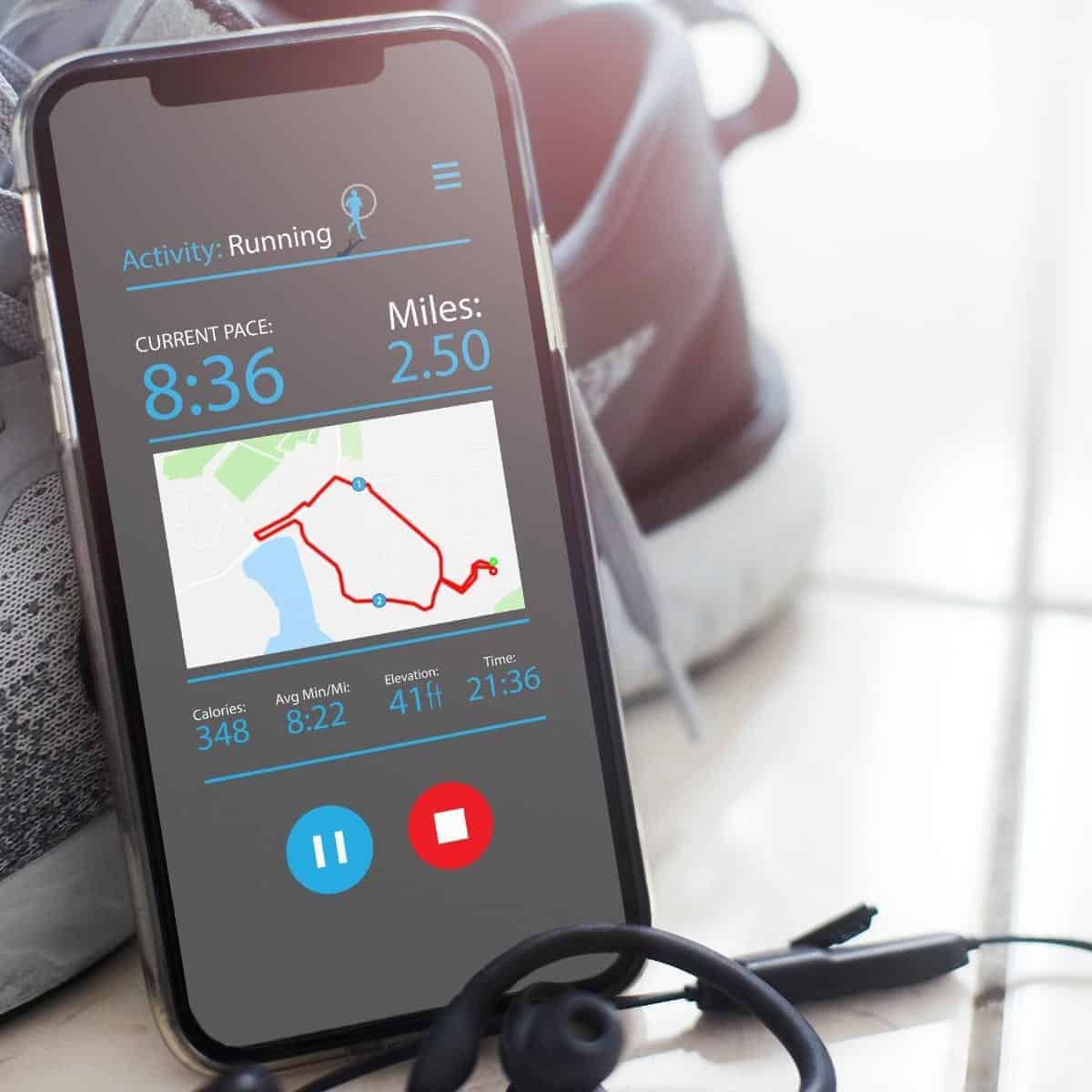
You don’t necessarily need a running watch either. When I started, I used a free app to track my runs and found seeing my progress really motivating. Most smartphones and smartwatches can now track the basics perfectly well, so I’d wait until you know you’re enjoying running before spending lots of money on specialist equipment.
What if you’re overweight, unfit or worried people will look at you?
This was probably a bigger obstacle for me than the actual running.
When I first started, I was terrified somebody would see me running and laugh at me. I deliberately chose a route around a local reservoir because it was quieter than running along busy streets, although there were still enough people around that I felt safe.
If you’re overweight or very unfit, it can feel as though running belongs to other people. Running clothes are often advertised on extremely athletic bodies and social media can make it seem as though everybody else is effortlessly knocking out 5Ks while you’re wondering whether you can manage thirty seconds.
In reality, runners come in all shapes, sizes and speeds.
You don’t need to wait until you’ve lost weight before you start improving your fitness, although running isn’t automatically the right starting exercise for everybody. If running currently feels too uncomfortable or puts too much strain on your joints, building up your walking first is still progress. You can gradually introduce short running intervals if and when you feel ready.
I’ve exercised at very different weights over the years and one thing I’ve learned is that comparison rarely helps. The person overtaking you may have been running for twenty years, while you might be on week two. Their pace tells you absolutely nothing useful about your progress.
If you’re particularly worried about exercising because of your size, have a look at my guide to exercise for overweight and obese beginners, where I talk much more about finding ways to move that suit your current fitness and mobility.
Should beginners use Couch to 5K?
You certainly don’t have to, but there’s a reason Couch to 5K has become such a popular way to start running.
The NHS programme is designed to gradually build towards running for 30 minutes over nine weeks, with three sessions each week. Early sessions alternate very short periods of running with walking, which makes the idea of becoming a runner much less intimidating than simply trying to run as far as possible.
It also removes a lot of the decision-making. You don’t have to decide whether you should run for another thirty seconds because the programme tells you when to run and when to walk.
That structure suits some people brilliantly. Other people prefer setting their own goals and progressing according to how they feel.
I don’t think either approach makes you more or less of a runner. The best beginner running plan is ultimately one you’re comfortable enough with to keep doing.
How fast should a beginner run?
Probably slower than you think.
When you’re new to running, it’s incredibly easy to set off far too quickly because the pace feels manageable for the first minute or two. Before long you’re gasping for breath and wondering how anybody possibly does this for fun.
Slowing down can make running considerably more manageable. You aren’t trying to prove how quickly you can cover the first few hundred metres; you’re trying to find a pace you can gradually sustain for longer.
Don’t worry too much about your minutes per kilometre or how your pace compares with somebody else’s Strava account. As you become fitter, you may naturally get faster, but speed doesn’t have to be your goal at all.
For a beginner, being able to run a little further or for a little longer can be far more encouraging than chasing a particular pace.
How often should you run when you’re starting?
There can be a temptation when you’ve suddenly become enthusiastic about running to go out every day. Your cardiovascular fitness can improve relatively quickly, but the rest of your body also needs time to adapt to the new activity.
This is one reason beginner programmes usually include rest days between runs.
Rest doesn’t necessarily mean you need to spend the entire day on the sofa. You might go for a walk, do some gentle movement or simply get on with your normal day, but giving yourself recovery time can make running feel much more sustainable.
You may also find that some weeks don’t go according to plan. Illness, work, family life, weather and simply not fancying it can all interfere. Missing a run doesn’t mean you’ve failed or have to start again from the beginning.
Running is supposed to fit into your life rather than become another thing to feel guilty about.
What should you eat before and after running?
This was something I initially overthought because running advice online can make nutrition sound incredibly complicated.
For ordinary beginner runs, you don’t need to start carb-loading like you’re about to run a marathon. What and when you eat will depend on how long you’re running, the time of day and what your stomach tolerates.
Some people are perfectly comfortable running before breakfast, while others feel awful if they haven’t eaten. Equally, eating a large meal immediately before running isn’t likely to feel particularly pleasant.
As your runs become longer, fuelling becomes more important, especially if you start training for longer events. I’ve written a complete guide to what to eat before and after running, including running while you’re trying to lose weight, because that deserves much more explanation than I can sensibly fit here.
Hydration is similar. You don’t necessarily need to carry a huge bottle of water for every short run, but you’ll want to think more carefully about fluids when you’re running for longer or in hot weather.
Can running help with weight loss?
Running can absolutely be part of an active lifestyle when you’re trying to lose weight, and it was one of the activities I tried during my own weight-loss journey. What I don’t believe anymore is that running should simply be viewed as a way of earning food or burning off something you’ve eaten.
Weight management is much more complicated than choosing the exercise that supposedly burns the most calories.
One thing I particularly like about running is that progress can be measured in ways that have nothing to do with weight. Being able to run continuously for the first time, reaching your first mile, improving your 5K time or simply getting up a hill that used to defeat you can all feel like genuine achievements regardless of what the scales are doing.
If weight loss is one of your reasons for becoming more active, that’s completely understandable. I’d just try to let running give you other goals as well.
Running outside or using a treadmill
I’ve done both, and they can feel surprisingly different.
Running outside gives you changing scenery, fresh air and natural variations in terrain, and I personally liked having landmarks I could use as little targets when I was starting. The downside is that you’re dealing with hills, traffic, weather and the British ability to provide four seasons during one thirty-minute run.
A treadmill gives you a predictable surface and lets you control your speed, which can be reassuring when you’re beginning. It’s also considerably easier to persuade yourself to run when the alternative is going outside in sideways rain.
Neither is automatically better. If a treadmill makes you more comfortable starting out, use one. If you hate gyms but enjoy being outdoors, run outside. You can also happily do both.
What about running safely?
When I first started running alone, I thought a lot about safety. I told Stuart where I was going, chose routes with other people around, and carried an alarm. Location-sharing options on phones and running apps can also be reassuring.
If you’re running when it’s dark, being visible to drivers and other road users is particularly important, so reflective clothing or lights are worth considering.
Your physical safety matters too. Running can feel uncomfortable when you’re starting because you’re asking your body to do something unfamiliar, but pain isn’t something you should simply run through because somebody has told you that running is supposed to hurt.
If something is painful, especially if it changes the way you run or doesn’t improve with rest, it’s sensible to stop and get appropriate advice rather than trying to prove how determined you are.
If you have a medical condition or you’re unsure whether running is appropriate for you, speaking to an appropriate healthcare professional before starting can also help you work out what is safe for your circumstances.
What happens when you can run 5K?
I think 5K becomes a slightly magical number when you’re a beginner because it can initially seem impossible. Once you get there, though, you don’t suddenly have to start training for a 10K or half marathon.
You might decide that running 5K comfortably is exactly where you want to stay.
You could also try a local parkrun. These free weekly 5K events take place in lots of locations and you don’t need to be a fast runner to join in. I’ve written about why you might want to try parkrun, as well as putting together my guide to some of the best parkruns around the UK if you fancy turning them into an excuse for a day out.
If you discover you really enjoy running, there are plenty of other goals you can set yourself. You might work towards running further, improving your time, joining a running club or entering an organised event.
I somehow went from celebrating running between two bins to signing up for the Great North Run, which wasn’t something the version of me who hated school cross-country would ever have predicted.
Do you have to love running?
Absolutely not, and I think this is something fitness content sometimes forgets.
I’ve always had a bit of a love-hate relationship with running. I’ve had days when I’ve loved being outside and felt as though I could keep going for ages, and other days when every step seemed harder than it had any right to be.
There are also plenty of people who give running a proper try and discover they simply don’t enjoy it.
That doesn’t mean you’ve failed at exercise.
You might prefer walking, swimming, cycling, dancing, gym classes or something completely different. The exercise you’re willing to do reasonably regularly is likely to be much more useful to you than forcing yourself to run because somebody on the internet has declared it the best form of exercise.
If you do enjoy running, however, it can be wonderfully simple. You can leave your front door, move at your own pace and gradually discover that something which once seemed impossible has become surprisingly normal.
More help for beginner runners
I’ve written quite a lot about running over the years, partly because I’ve made plenty of beginner mistakes myself. Rather than trying to fit every detail into this guide, these articles go into more depth depending on where you are in your running journey.
Starting your first runs
My tips for starting to run include more of my personal experience of those first nervous runs, confidence, setting small goals and gradually building up.
My Couch to 5K guide follows a complete beginner through the programme week by week, which is useful if you want to know what it actually feels like rather than simply reading the schedule.
Choosing what to wear
My guide to running shoes vs trail running shoes explains the differences and should help if you’re not sure what type you need for the places you plan to run.
I also have advice about choosing your first pair of workout shoes if you’re starting exercise more generally.
Eating and drinking around your runs
Read my guide to what to eat before and after running for more detailed advice about fuelling shorter and longer runs, recovery and balancing running with weight-loss goals.
Finding somewhere to run
If running alone doesn’t appeal to you, Parkrun can be a friendly way to make a 5K part of your weekend. I’ve shared five reasons to try parkrun, along with an A–Z guide to UK parkruns if you’d like some inspiration.
Moving beyond beginner running
Once you’ve built up your running, you might decide you want a bigger challenge. I’ve also written about preparing for a marathon, although there is absolutely no requirement to keep increasing your distance just because you can.
Your running goals belong to you. Whether you eventually run a marathon, enjoy a weekly 5K, or happily alternate running and walking, it still counts.
I certainly didn’t start as somebody who thought of herself as a runner, and perhaps that’s why I feel quite strongly that running shouldn’t be presented as something reserved for naturally sporty people.
Sometimes being a runner simply starts with going outside and seeing if you can make it to the next bin.