Why Fibre Is So Important for Weight Loss (It’s About Much More Than Your Digestion)
If you’d asked me years ago what fibre was, I’d probably have given the same answer as a lot of people. “It’s the thing that helps you go to the toilet.”
Technically, that’s true. Fibre is important for keeping your digestive system healthy, but it’s only a tiny part of the story. Looking back now, I wish someone had explained just how much of a difference it can make when you’re trying to lose weight.
Like so many people, I spent years focusing on calories. If something was low in calories, I assumed it must be the better choice. I wasn’t paying much attention to whether it actually kept me full.
The problem with that way of thinking was that I often found myself hungry again an hour later.
I’d have a light lunch because I wanted to save calories, then spend the rest of the afternoon thinking about food. By the evening, I’d be raiding the cupboards and wondering where all my willpower had gone.
It took me a long time to realise that I wasn’t necessarily lacking self-control. Quite often, I simply wasn’t eating foods that kept me satisfied. That’s where fibre came in.
Once I started understanding what fibre actually does, I found it much easier to build meals that filled me up properly instead of leaving me searching for snacks an hour later.

What is fibre?
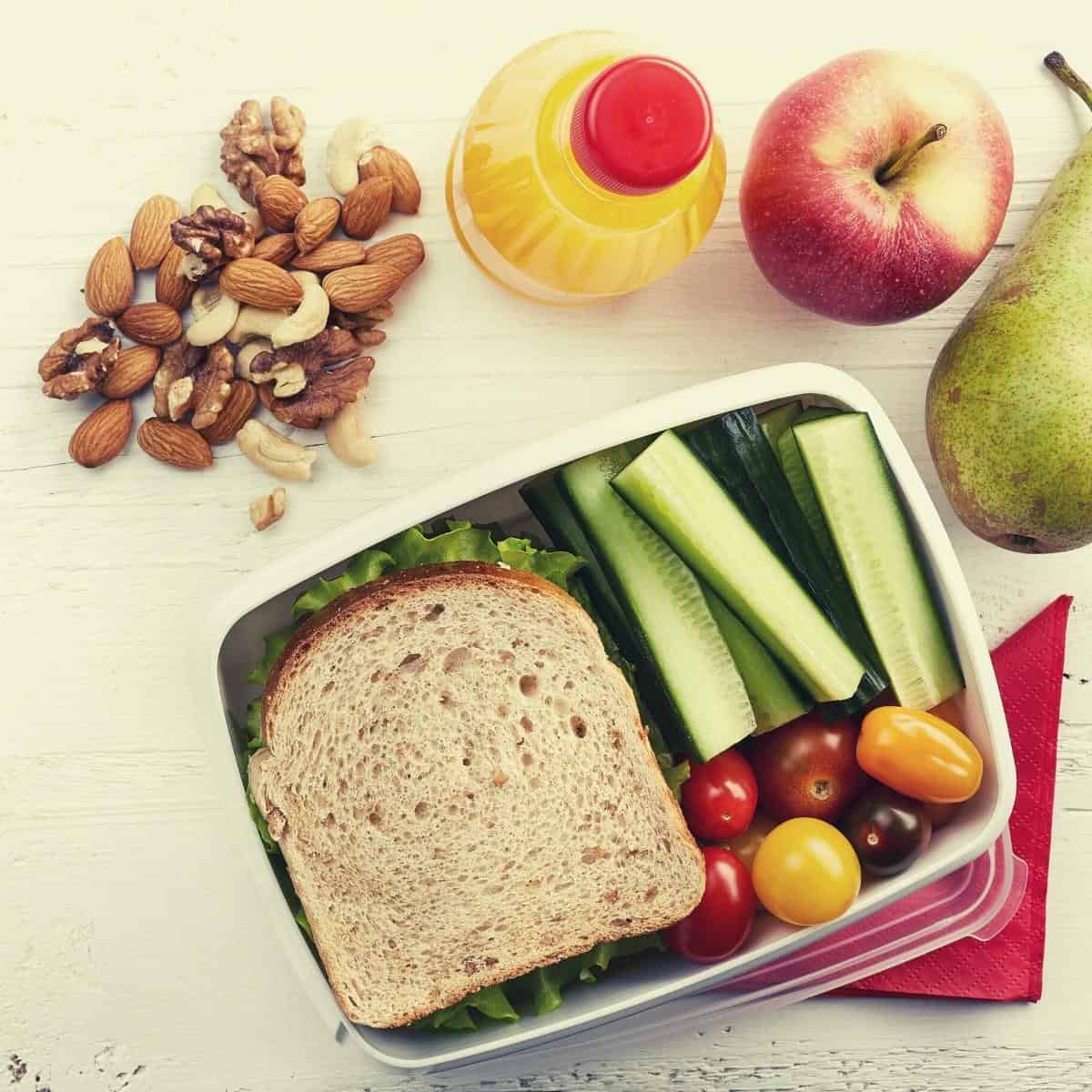
Fibre is a type of carbohydrate that’s found naturally in plant foods such as fruit, vegetables, beans, lentils, wholegrains, nuts and seeds.
Unlike many other carbohydrates, fibre isn’t fully broken down and absorbed by the body. Instead, it passes through your digestive system, where it plays an important role in everything from digestion to gut health.
There are different types of fibre, but the good news is that you don’t need to become an expert in soluble and insoluble fibre to benefit from it. If you’re eating a wide variety of plant foods, you’ll naturally get a mixture of both.
What matters most is making fibre a regular part of your meals rather than something you only think about when you’re feeling constipated.
Why fibre helps with weight loss
One of the biggest challenges when you’re trying to lose weight isn’t knowing what to eat. It’s managing hunger.
If you’re constantly hungry, every decision about food becomes harder. Suddenly the biscuits in the office, the drive-through on the way home or the chocolate in the cupboard all seem much more tempting than they did a few hours earlier.
Fibre can help because it slows down digestion, helping food stay in your stomach for longer. That often means you feel satisfied for longer after eating, making it easier to get from one meal to the next without feeling as though you’re constantly battling your appetite.
I noticed this myself without even realising why. When I’d have a lunch full of vegetables, beans or wholegrains, I’d often get through the afternoon without thinking too much about food.
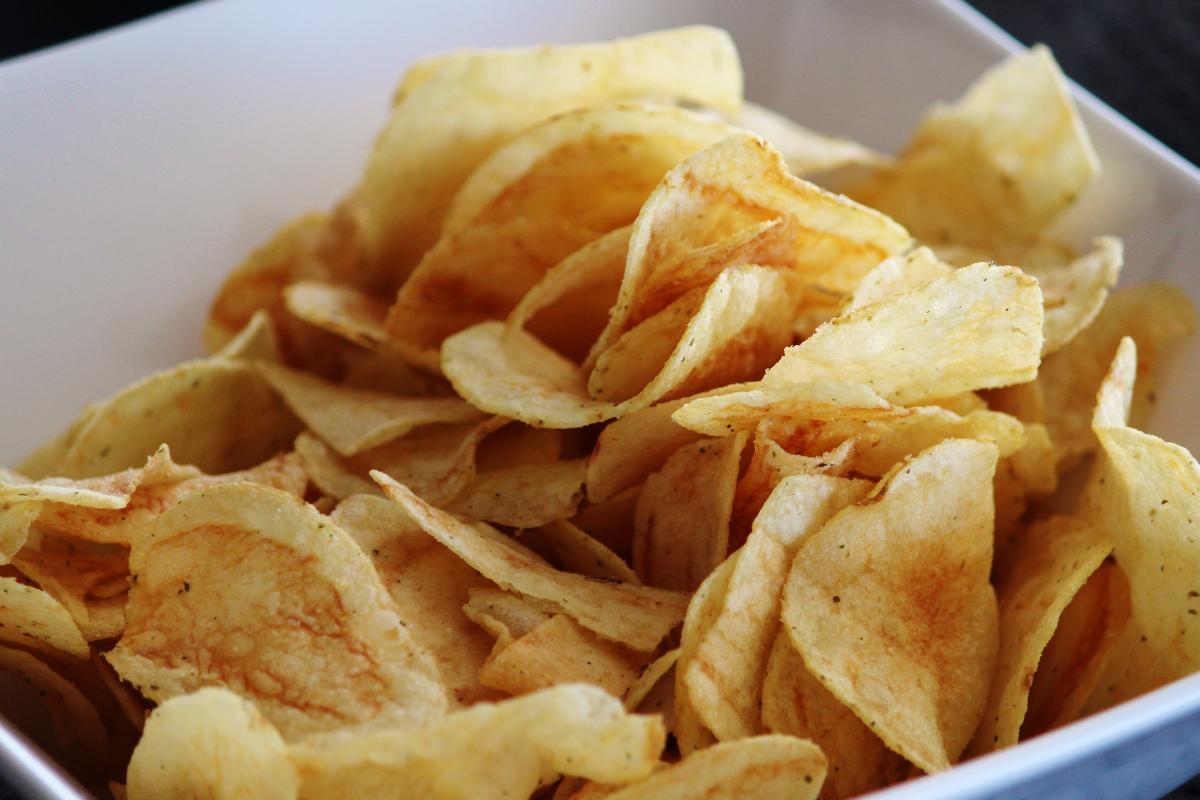
On the days when lunch was little more than a sandwich and a packet of crisps, it felt as though I was checking the clock every twenty minutes to see how long it was until dinner.
The calories weren’t always dramatically different. The way I felt afterwards certainly was.
Feeling full isn’t something to feel guilty about
For a long time, I thought successful weight loss meant feeling hungry. If my stomach was rumbling, I convinced myself I was doing something right. Looking back, that’s such a sad way to think about food.
Being hungry all the time isn’t a sign that your diet is working. In fact, for many people it’s one of the reasons diets become impossible to stick to.
When every day feels like a battle against your appetite, it’s hardly surprising that eventually you reach for the quickest source of comfort or energy.
That’s why I no longer try to build the lowest-calorie meal I possibly can. Instead, I ask a different question. “Will this actually keep me full?” That simple change has transformed the way I plan meals.
Instead of seeing vegetables, beans or wholegrains as things I should eat, I see them as tools that make weight loss feel easier.
Fibre and food noise
One thing that’s become much more widely recognised in recent years is food noise.
If you’ve ever felt as though your mind is constantly occupied by thoughts about what to eat next, whether you should have a snack or how long it is until dinner, you’ll know just how exhausting that can be.
Food noise has many possible causes, and fibre certainly isn’t a cure. However, when your meals leave you feeling genuinely satisfied for longer, it often reduces the number of times you’re physically reminded that it’s time to eat again.
For me, that meant fewer afternoons spent watching the clock and fewer evenings where I found myself standing in front of the cupboard wondering what I could snack on.
It didn’t make every thought about food disappear, but it helped create a little more breathing space.
High-fibre foods that are easy to include
One of the nicest surprises about increasing your fibre intake is that you don’t need to buy expensive “health foods.” Many everyday ingredients are naturally rich in fibre.
Think about foods like:
- Porridge oats
- Wholemeal bread
- Brown rice
- Wholewheat pasta
- Beans
- Lentils
- Chickpeas
- Apples
- Pears
- Berries
- Broccoli
- Sweet potatoes
- Carrots
- Peas
- Chia seeds
- Flaxseeds
The aim isn’t to eat all of these every day. It’s simply to include a variety of them throughout the week. The more variety you have, the better it is for both your gut and your overall diet.
Small changes really do add up
One thing I used to do whenever I learnt about a healthy habit was try to change everything overnight.
I’d buy a trolley full of foods I’d never eaten before, promise myself I was becoming “healthy” and then wonder why it all felt so difficult.
These days I take a much gentler approach. If I usually have white bread, I might switch to wholemeal. If I’m making a chilli, I’ll add an extra tin of beans. If I’m cooking pasta, I’ll throw in some spinach or peas.
Those changes don’t feel dramatic, but over the course of a week they can make a real difference to how satisfying my meals are.
Healthy eating has become much easier since I stopped looking for perfection and started looking for simple improvements instead.
Fibre isn’t just good for weight loss
Although this article is about weight loss, fibre has benefits that go far beyond helping you feel full.
A diet that’s rich in fibre supports healthy digestion and bowel function, helps feed the beneficial bacteria in your gut and is associated with a lower risk of several long-term health conditions, including heart disease and type 2 diabetes.
That’s another reason I try to think about adding foods in rather than taking foods away. Every extra portion of vegetables, beans, fruit or wholegrains is doing something positive for my body, whether the scales move that week or not.
It’s not about eating perfectly
If you’ve spent years dieting, it’s easy to see healthy eating as a long list of rules. Eat this. Don’t eat that. Never have white bread. Always choose brown rice.
Real life isn’t like that.
There are plenty of times when I’ll enjoy a slice of white toast, a takeaway or a bowl of pasta made with ordinary spaghetti.
The difference now is that most of the time I also think about what I could add to make the meal more satisfying.
Could I include some vegetables?
Would adding beans work?
Could I have a piece of fruit afterwards?
That feels much more realistic than trying to follow another set of food rules.
My biggest lesson about fibre
If there’s one thing I wish I’d understood years ago, it’s that weight loss doesn’t have to feel like a constant battle against hunger. For so long, I thought feeling empty was simply part of the process.
Now I know that building meals with enough protein and fibre can make a huge difference to how satisfied I feel, which in turn makes healthy habits much easier to stick to.
It doesn’t mean I never crave chocolate or fancy a packet of crisps. It doesn’t mean I never snack at night.
But it does mean that my meals work harder for me than they used to, and that’s made a bigger difference than chasing the lowest calorie option ever did.
Related articles
If you’d like to learn more about building satisfying, balanced meals, you might also enjoy:
- Why Protein Is Important for Weight Loss
- Healthy High-Protein Snack Ideas
- Why Do I Always Snack at Night?
- Food Noise vs Hunger: What’s the Difference?
- What Is a Calorie Deficit?
- Healthy Habits That Actually Stick
Trusted sources and further information
The advice in this article combines my own experience with current nutrition guidance. If you’d like to learn more about fibre and healthy eating, these organisations provide reliable, evidence-based information:
- NHS – Information about healthy eating, getting enough fibre and improving digestive health.
- British Dietetic Association (BDA) – Practical advice from registered dietitians on balanced diets, fibre and sustainable nutrition.
- British Nutrition Foundation (BNF) – Evidence-based resources explaining the role of fibre in a healthy diet, gut health and disease prevention.
If you’re increasing your fibre intake, remember to do it gradually and drink plenty of fluids. A sudden increase in fibre can cause bloating or discomfort for some people while your digestive system adjusts.