
Calorie deficit but not losing weight? Here is exactly why
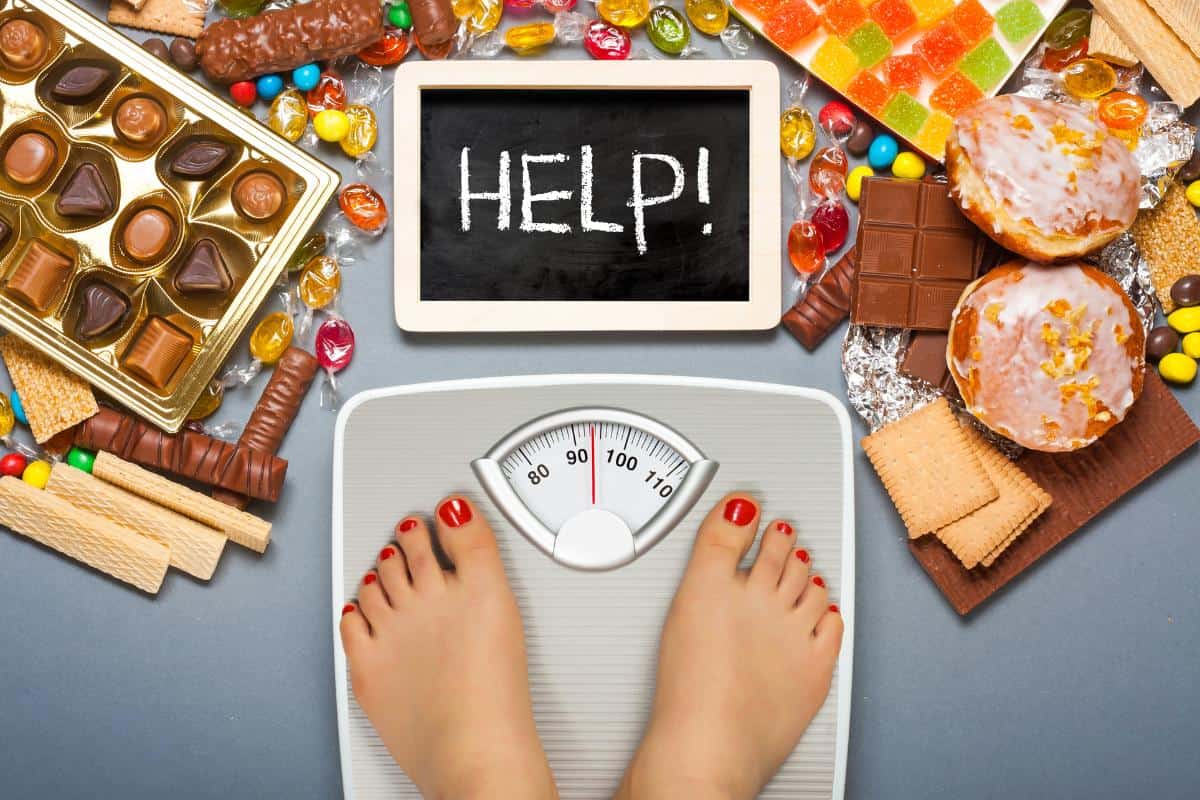
You have done the maths. You have tracked every meal. You have said no to the office biscuits and yes to the salad. You are absolutely certain you are in a calorie deficit, yet when you step on the scales, the number stares back at you, unchanged. Or worse, it has gone up.
It is arguably the most frustrating part of trying to get healthy. You feel like you are doing everything right, but your body just isn’t getting the memo. You might feel like throwing your tracking app out the window and diving headfirst into a pizza.
Please don’t.
Before you give up, you need to know that this is incredibly common. It happens to almost everyone at some stage. The good news is that your body is not broken, and the laws of physics still apply. If you aren’t losing fat over a long period, there is a logical reason for it.
Let’s look at the real reasons why the scales might be stuck and, more importantly, how you can get them moving again.
Are you actually in a calorie deficit?
This is the tough love part, so let’s get it out of the way first. The most common reason for not losing weight is that you are eating more calories than you think, and as such, are not in a calorie deficit.
This isn’t about accusing you of lying. It is simply about how tricky food tracking can be. Studies show that people often underestimate how much they eat by a significant amount, sometimes by up to 50%.
Here are a few “hidden” calorie traps that might be sneaking into your day:
The “guesstimate” game
Unless you are weighing your food with digital kitchen scales, you are likely eating more than you log. A “medium” banana in an app might be 100g, but the one you ate was 150g. That is 50% more calories. A “tablespoon” of peanut butter can easily turn into two tablespoons if you use a heaped spoon rather than a level one.
The fix: For one week, weigh absolutely everything in grams. It can be tedious, but it is the only way to be accurate.
Secret sauces and oils
Did you add a splash of olive oil to the pan? A drizzle of dressing on the salad? A bit of mayo on your sandwich? Oils are incredibly calorie-dense. Just one tablespoon of olive oil is around 120 calories. If you don’t track that “splash,” you could easily wipe out your calorie deficit for the day.
BLTs (Bites, Licks, and Tastes)
If you cook for a family, do you taste the pasta to see if it’s done? Do you finish the crusts of your toddler’s toast? Do you grab a few crisps while watching TV? These little bites don’t feel like a meal, so we often forget to log them. But they all count towards your daily total.
If you are looking for more tips on how to get this right, check out this guide on calorie counting. It breaks down exactly how to track and be in calorie deficit without driving yourself mad.
You might be retaining water
If you are 100% sure your tracking is perfect, then the issue might not be fat at all. It might be water which isn’t linked to yoour calorie deficit.
Your body is made up of a lot of water (about 60%), and this fluctuates constantly. You can easily hold 1kg to 2kg (or more) of water weight for various reasons. This water weight masks fat loss on the scale. You might have lost 1lb of fat this week, but if you are holding 2lb of water, the scale will show a 1lb gain.
Here is why your body holds onto water:
Carbs and Glycogen
When you eat carbohydrates, your body stores them in your muscles and liver as glycogen. For every gram of glycogen stored, your body stores about 3 to 4 grams of water. If you had a pasta dinner last night, the scale might be up today. It isn’t fat; it is just energy storage.
Salt Intake
Sodium acts like a sponge for water. If you ate a salty meal, like a takeaway, popcorn, or processed soup, your body will hold onto fluid to balance things out.
The Menstrual Cycle
This is a major factor in why women don’t lose weight with a calorie deficit. In the week leading up to your period, hormonal changes can cause significant water retention. It is very common to see weight stall or increase during this time, regardless of your calorie deficit.
The fix: Be patient. Keep drinking water (ironically, drinking more helps flush it out) and wait a few days. If it is hormonal, compare your weight to the same time last month, not last week.
You are overestimating your exercise burn
Fitness trackers and smartwatches are brilliant tools, but they are not always accurate when it comes to calories burned.
You might look at your watch after a gym session and see “500 calories burned.” You then think, “Great, I can eat an extra 500 calories today and still lose weight.”
The problem is, trackers can overestimate calorie burn by 20% to 90%. If you eat back those calories, you might accidentally put yourself in a calorie surplus rather than calorie deficit.
Additionally, we often subconsciously move less after a hard workout. If you smash a spin class in the morning but then sit on the sofa for the rest of the day because you are tired, your total daily burn might not be as high as you think. This is where NEAT (Non-Exercise Activity Thermogenesis) comes in. NEAT is all the movement you do that isn’t exercise, walking, fidgeting, cleaning, or cooking. It actually accounts for a much larger chunk of your daily burn than a one-hour gym session.
The fix: Do not eat back the calories you burn through exercise. Treat them as a bonus buffer. Focus on keeping your daily step count up to avoid being too sedentary outside of your workouts.
The “Weekend Warrior” effect
This is a classic trap. You are an angel from Monday to Friday. You stick to 1,500 calories a day. You are in a 500-calorie deficit every single day. That is a total calorie deficit of 2,500 calories for the work week. Amazing!
Then Saturday comes. You have a lie-in, a big brunch, a few drinks in the evening, and a takeaway. Sunday involves a roast dinner and some chocolate.
It is very easy to eat 3,000 or 4,000 calories on a Saturday without feeling like you have binged. If you overeat by 1,500 calories on Saturday and 1,000 on Sunday, you have eaten an extra 2,500 calories over the weekend.
That completely cancels out the 2,500 deficit you built up during the week. Your average intake for the week puts you at maintenance, meaning you won’t lose weight, even though you were “good” on 5 of 7 days.
The fix: Look at your calories as a weekly allowance, not a daily one. If you want more room for treats at the weekend, slightly lower your calories during the week to bank them. Remember, you need to be in a calorie deficit for the week as a whole.
Metabolic Adaptation (The “Starvation Mode” myth)
You might have heard that if you eat too little, your body goes into “starvation mode” and stops burning fat. This is largely a myth, as it is usually explained. Your body will not hold onto fat out of spite if you are truly starving.
However, there is something called metabolic adaptation.
When you lose weight, you become smaller. A smaller body requires less energy to function than a larger body. Think of it like a car: a small hatchback uses less petrol than a massive lorry.
As you lose weight, your Basal Metabolic Rate (BMR), the calories you burn just by existing, drops. Furthermore, when you are eating less, your body gets smart. It tries to save energy. You might subconsciously fidget less, tap your foot less, or sit down more often.
According to the British Heart Foundation, as you lose weight, you need fewer calories to maintain your new, smaller body mass. This means the calorie target that worked for you three months ago might now be your “maintenance” level.
The fix: You may need to recalculate your calorie needs. If you have lost a significant amount of weight (e.g., a stone or more), your daily target might need to drop slightly to keep you in a calorie deficit.
Stress and Sleep
We often focus so much on food and exercise that we ignore the other two pillars of health: sleep and stress. Calorie deficit isn’t the only thing to affect weight loss.
When you are stressed or sleep-deprived, your body produces more cortisol (the stress hormone). High cortisol levels can lead to two things:
- Water retention: As mentioned earlier, this masks fat loss.
- Increased hunger: Lack of sleep messes with your hunger hormones, ghrelin and leptin, making you crave sugary, high-calorie foods.
If you are sleeping five hours a night and are highly stressed at work, your body is fighting against you. You might be sticking to your calories, but the water retention from stress could be hiding your progress on the scale for weeks.
You are building muscle
Are you lifting weights or doing high-intensity interval training? If you are new to exercise or coming back after a break, you might be experiencing “newbie gains.”
This is where you build muscle and lose fat at the same time. This is the holy grail of body composition! However, the scales can be misleading here. Muscle is denser than fat. A pound of muscle takes up less space than a pound of fat.
If you lose 1lb of fat and gain 1lb of muscle, the number on the scale stays exactly the same. But you will look leaner, your clothes will fit better, and you will be healthier.
The fix: Stop relying solely on the scales. Take progress photos and use a tape measure to check your waist, hips, and arms. If your waist is shrinking but the scale is stuck, you are winning.
Medical Conditions
For the vast majority of people, the reasons listed above (tracking errors, water weight, weekends) are the cause of not losing weight on a calorie deficit. However, there are some medical conditions that can make weight loss harder.
- Hypothyroidism (Underactive Thyroid): This can lower your metabolic rate, meaning you burn fewer calories than expected.
- PCOS (Polycystic Ovary Syndrome): This can affect insulin resistance and make weight loss more difficult.
- Medications: Some antidepressants, steroids, and other medications can increase appetite or cause water retention.
If you have been accurately tracking (and weighing) your food for weeks, getting your steps in, sleeping well, and the scale still hasn’t moved, it might be worth speaking to your GP to rule out any underlying issues. Explain your calorie deficit and the issues you are facing and ask for tests.
Is intermittent fasting the answer?
Sometimes, when calorie counting feels like a chore or isn’t working, people try different methods to help them stick to a deficit. One popular method is intermittent fasting.
Intermittent fasting isn’t magic; it is just another way to achieve a calorie deficit by limiting the time you eat, rather than just what you eat. For some people, skipping breakfast and eating only between 12 pm and 8 pm makes it easier to control their calorie intake.
If you are wondering if this might suit you better than standard tracking, take a look at this comparison of intermittent fasting vs calorie counting. It helps explain the pros and cons of each.
What should you do next?
If you have been in a “calorie deficit” for two weeks and haven’t lost weight, don’t panic. Here is your action plan:
- Tighten up your tracking. Weigh everything. Track sauces, drinks, and bites. Be honest with yourself.
- Check your weekends. Are you undoing your hard work on Saturday night?
- Drink more water. Help flush out water retention.
- Wait it out. If it is your time of the month or you have just started a new exercise routine, give it another two weeks.
- Look for non-scale victories. Are your jeans loose? Do you have more energy?
- Move more. Try adding a 20-minute walk to your lunch break.
Weight loss is rarely a straight line. It is a squiggly line with ups, downs, and plateaus. The most successful people aren’t the ones who lose weight the fastest; they are the ones who don’t quit when the scale gets stuck.
Calorie Deficit – FAQs
How long does it take to see weight loss in a calorie deficit?
Generally, you should start seeing changes within 1 to 2 weeks. However, due to water retention, it can sometimes take 3 to 4 weeks for the scale to reflect your fat loss. If nothing has changed after 4 weeks of accurate tracking, you likely need to adjust your calories or activity levels.
Can eating too little stop weight loss?
Not directly. You will not stop losing fat because you eat too little. However, eating too little is unsustainable. It often leads to bingeing later on, which puts you back in a surplus. It can also make you lethargic, meaning you move less and burn fewer calories. It is better to have a moderate, sustainable deficit than a tiny “crash diet” one.
Why do I weigh more the day after a workout?
This is normal! When you exercise, you create tiny micro-tears in your muscle fibres. Your body rushes fluid to the area to help repair them. This is inflammation and is a necessary part of getting stronger. This water weight usually goes away after a day or two.
Should I lower my calories if I hit a plateau?
Before you lower your calories, check your tracking accuracy and your activity levels. Can you move more instead of eating less? If you are already eating a low amount, lowering it further can be difficult. Try increasing your daily steps first. If that doesn’t work after a few weeks, consider dropping your daily calories by a small amount (e.g., 100 calories).
What is the “Whoosh” effect?
This is a term used by dieters to describe a sudden drop in weight after a plateau. The theory is that fat cells empty of fat but fill with water temporarily. Eventually, the body releases this water, and the scale drops suddenly, sometimes by 2-3lbs overnight. While it’s not a strictly medical term, many people experience this pattern of “stall, stall, stall, DROP.”